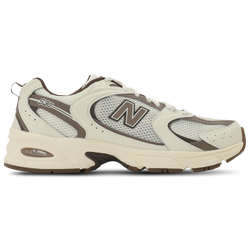
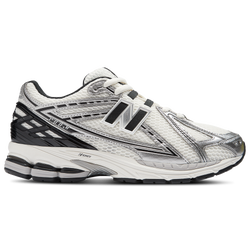
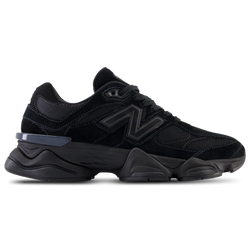
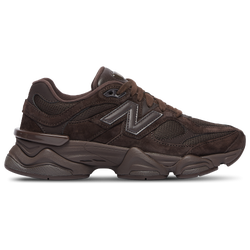
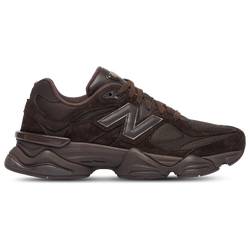
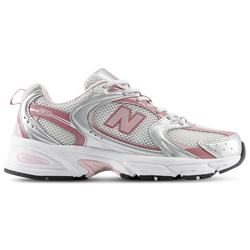
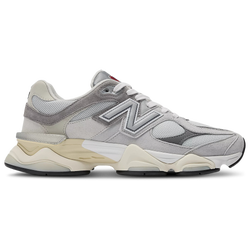
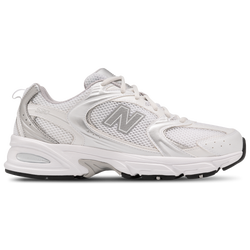
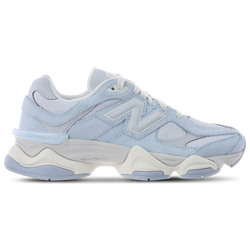
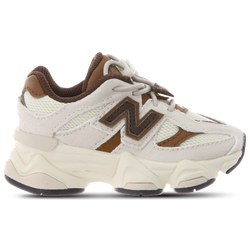
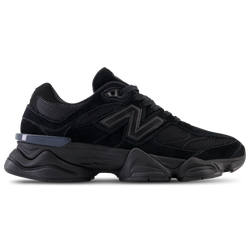
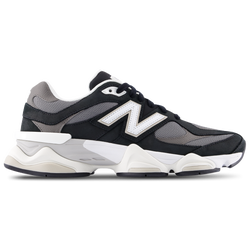
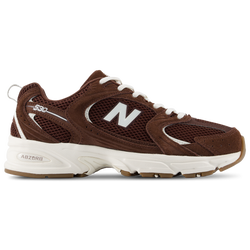
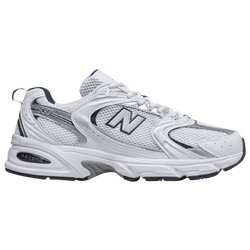
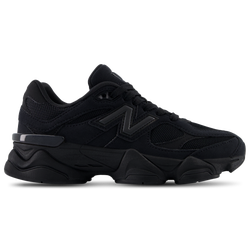
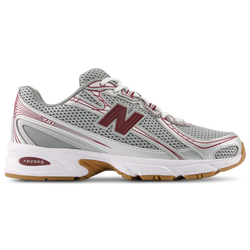
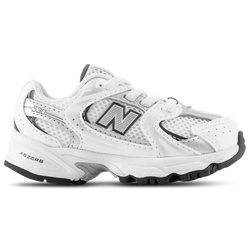
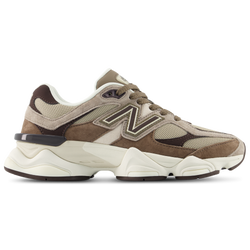
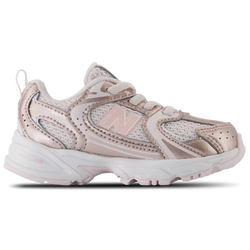
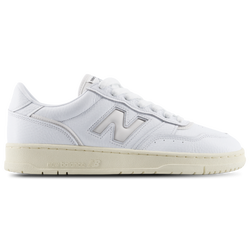
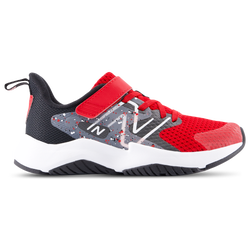
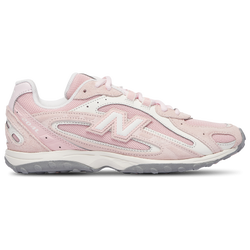
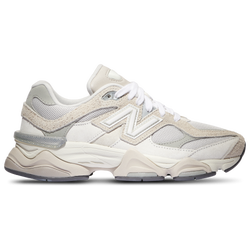
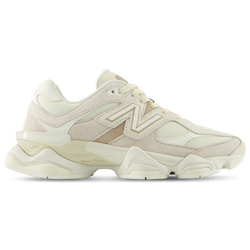
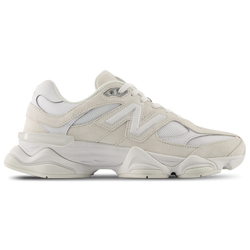
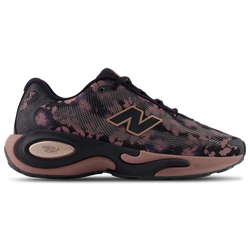
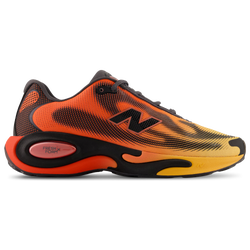
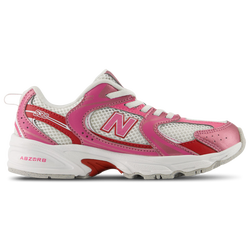
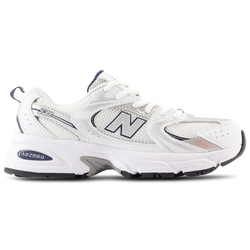
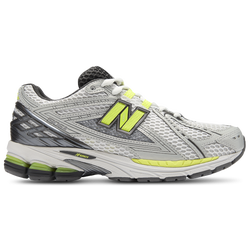
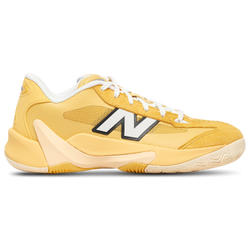
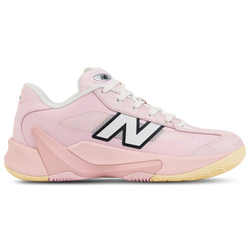
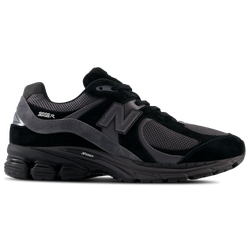
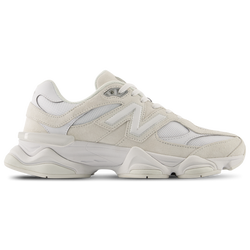
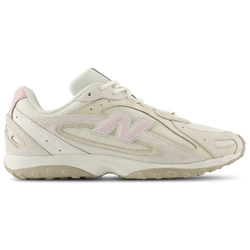
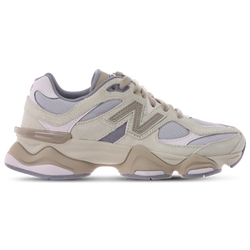
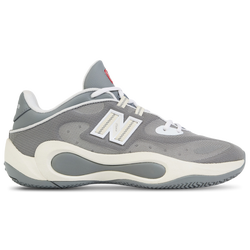
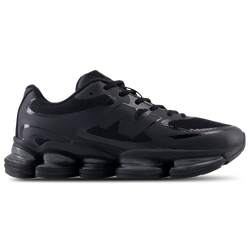
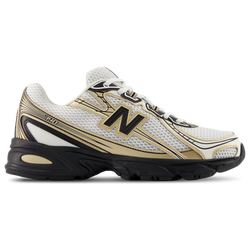
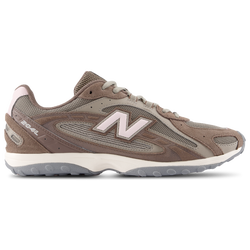
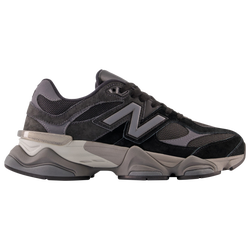
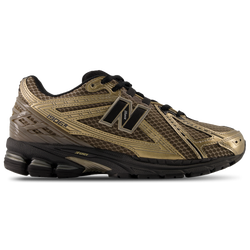
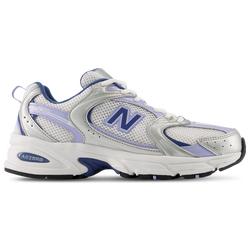
Initially, the brand sold their supports to the working class — specifically people in the workforce who were on their feet all day. It didn’t take long, though, for athletes to get ahold of the arch supports. Based in Boston, a city with a budding running scene, it was the perfect storm for New Balance to consider joining the sneaker industry. In 1961, after receiving countless requests from local athletes to make tailored shoes, New Balance’s first sneaker, the Trackster, was born.
The Trackster was a success, and it came at exactly the right time. The company was just changing ownership and the Boston Marathon became the heart of a new era of running that defined the sport as more than just a hobby for the masses. New Balance found itself in the heart of this running mecca, where it still resides today.
New Balance Today
What really set the Boston-based company apart was their nontraditional sizing options that offered shoes in more than just one width, giving people with wide or narrow feet a more custom fit. New Balance also began using a numbered naming convention to indicate the intended use for the sneaker — speed, stability, support, or sport. It became clear that New Balance prioritized comfort and performance, and the brand still holds these values today.
Related to New Balance Shoes
New Balance 580 Shoes, New Balance 990 V6, New Balance Vision Racer, New Balance Trailbuster Shoes, New Balance 990 V3, New Balance 530 Shoes, New Balance 574 Core, New Balance 990 Shoes, New Balance 420 Shoes, New Balance Fresh Foam Shoes, New Balance 480, New Balance 327 Shoes, New Balance 990 V4, New Balance BB550, New Balance 650, New Balance 1080 Shoes, New Balance 247 Shoes, New Balance 840V2 Shoes, New Balance Moc, New Balance 992 Shoes, New Balance 1906, New Balance 501 Shoes, New Balance 574 Shoes