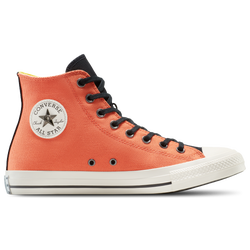
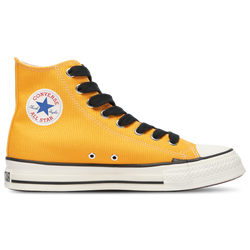
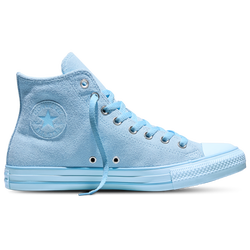
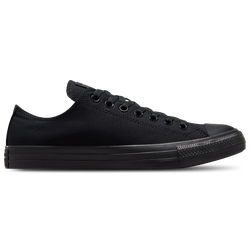
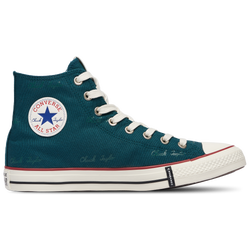
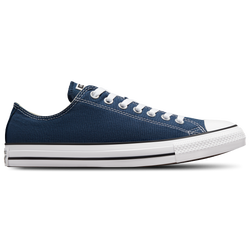
One of Converse’s first basketball sneakers was a brown high-top with a black sole – much different than the iconic silhouettes we’ve come to know today. Other colorways soon followed the original black-soled sneaker, and Converse developed a strong foothold in the athletic footwear industry, especially on the basketball court.
Their presence on the hardwood, though, was largely due to one
semi-pro basketball player - Charles
“Chuck” Taylor - complaining about his sore feet
and requesting more support and flexibility. Converse listened to what Taylor
had to say, and went on to hire him on to help develop the Converse All-Star.
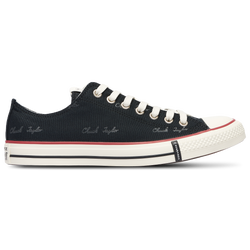
Not long after the shoe’s debut, Taylor’s signature was added to the shoe’s
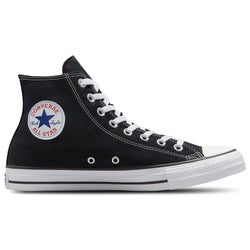
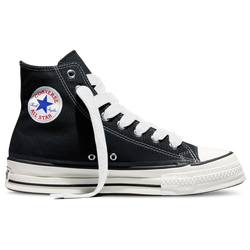
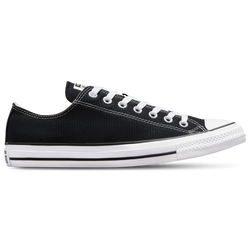
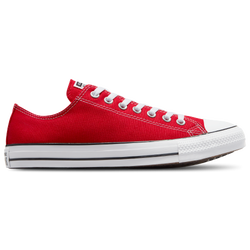
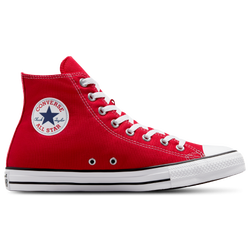
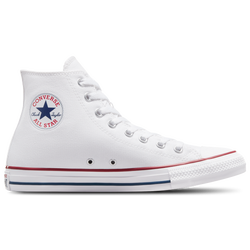
patch, officially transforming the shoe into the Chuck Taylor All Stars. By the
1940s, kids in high school gyms and NBA players alike had chosen to lace up
with Taylor’s patch on the ankle, and a basketball sneaker staple was born.
An American Fit
The All Star remains one of the best-selling basketball sneakers
of all time, but this impressive stat line isn’t due to its early reign on the
basketball court, but rather its timeless popularity on the streets. Surpassing
its athletic roots, the Chuck Taylor All Stars began making its switch to pop
culture decades ago through a new litany of colorways, and an adoption into
rock n’ roll after big bands like The Ramones chose to don Converse on stage.
The All Star’s iconic white toe caps were further catapulted into pop culture through
cameos in big-time films, and before long, the shoe earned a new name: “Chucks,”
which it still goes by today.
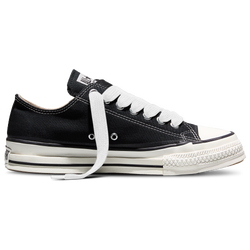
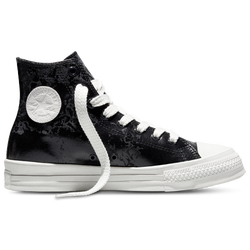
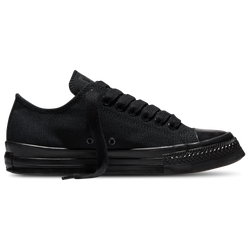
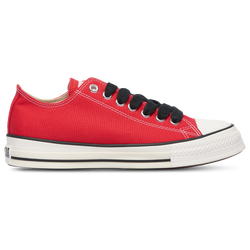
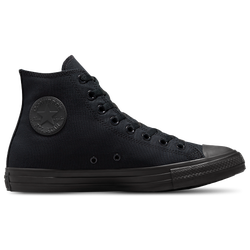
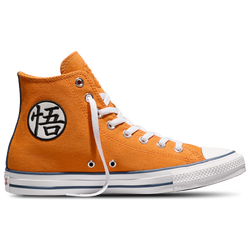
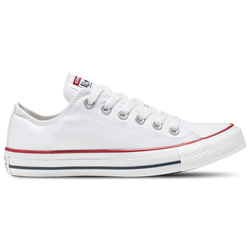
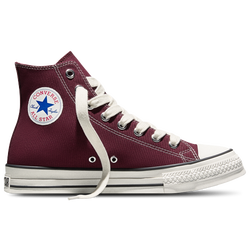
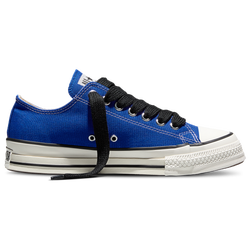
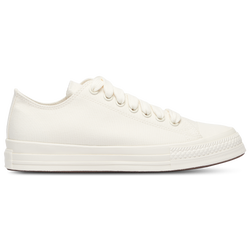
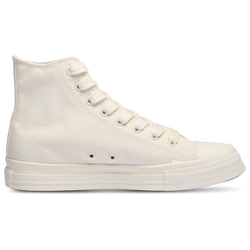
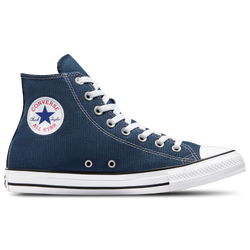
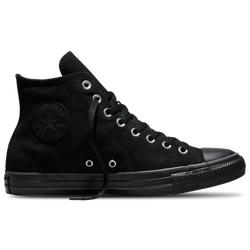
You can find the All-Star in both high-top and low-top versions,
as well as a wide selection of other iconic models and collaborations that have
dropped over the years. Among these legends are the Converse One Star, a
sneaker now widely adopted by skate culture, with its now iconic Converse star
icon on the upper. Endless collaborations and its virtually untouched
silhouette have secured Converse’s place as an American classic - with no signs of slowing down.