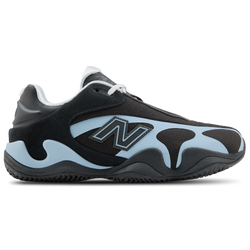
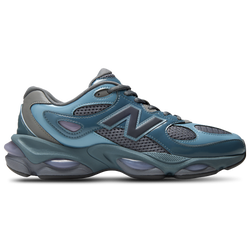
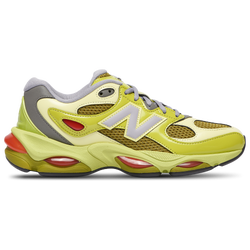
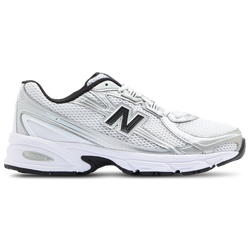
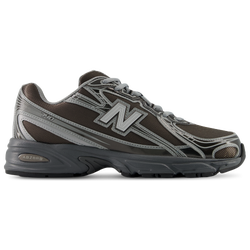
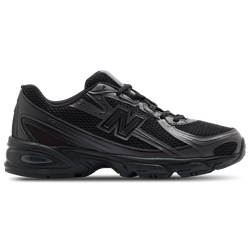
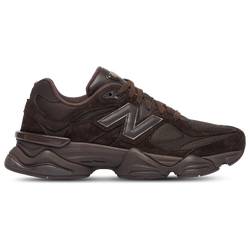
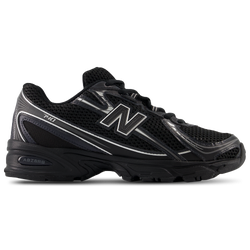
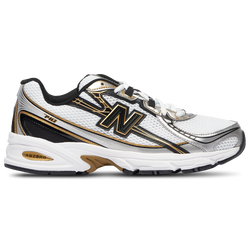
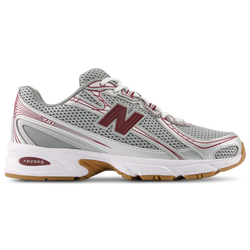
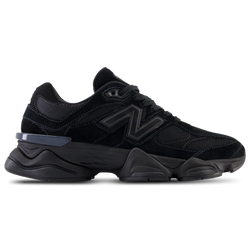
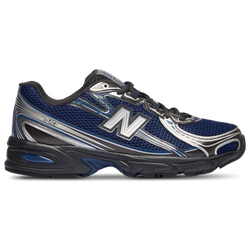
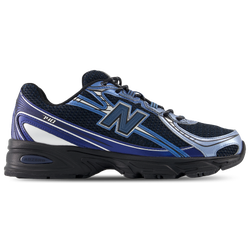
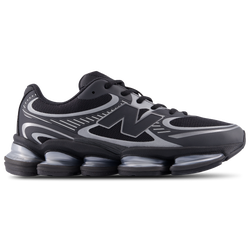
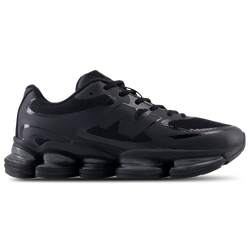
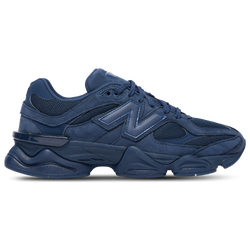
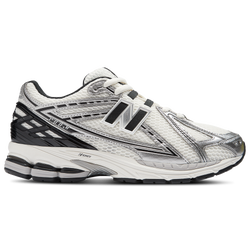
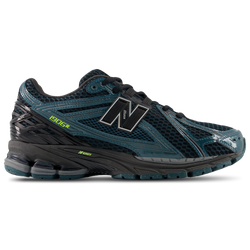
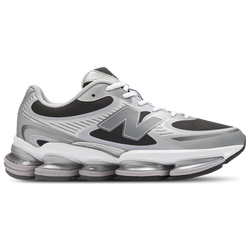
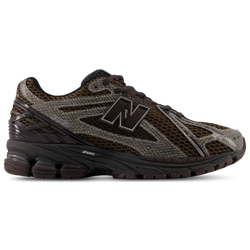
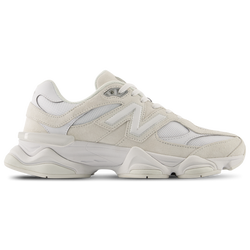
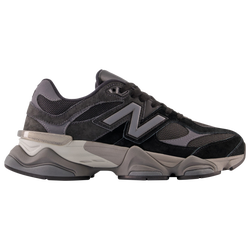
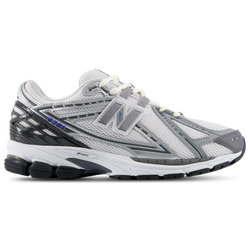
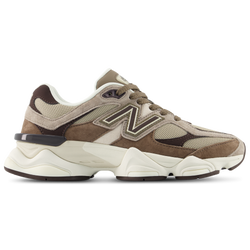
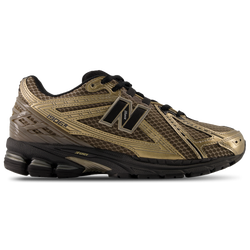
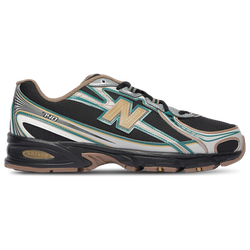
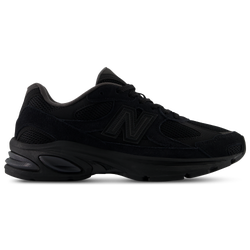
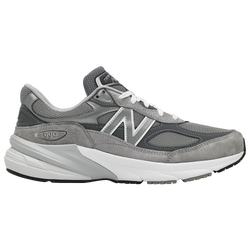
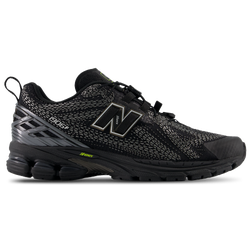
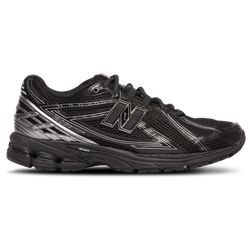
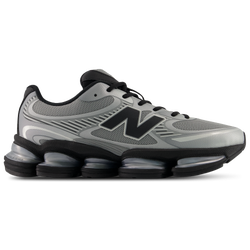
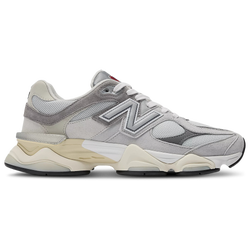
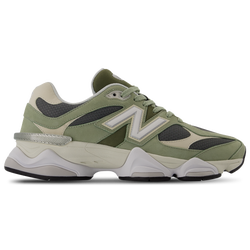
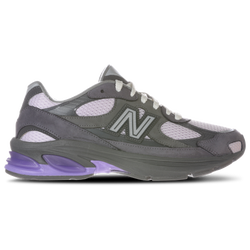
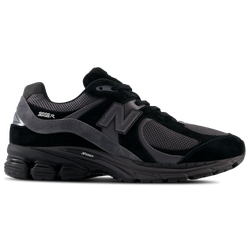
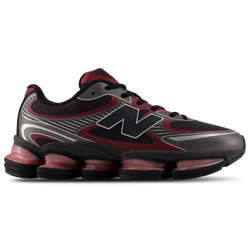
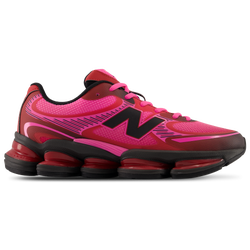
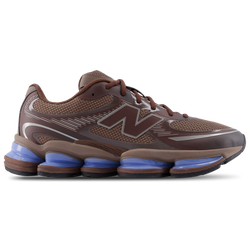
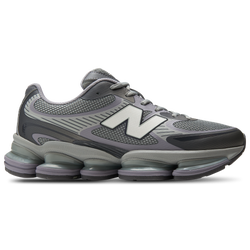
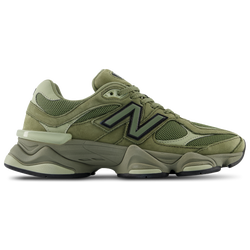
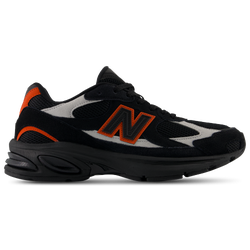
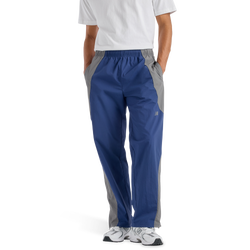
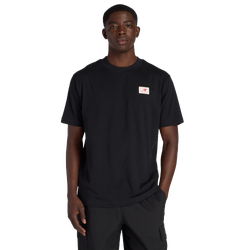
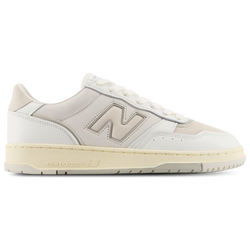
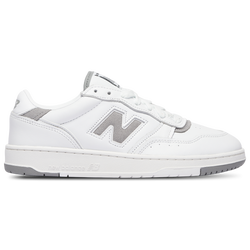
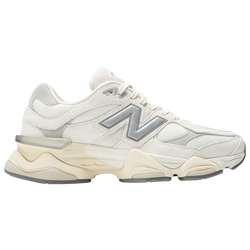
Originally founded as the New Balance Arch Support Company in 1906, William J. Riley put the company’s roots down in Boston — the same place the company does business today. Believe it or not, New Balance took 30 years to even produce its first shoe, since its focus was primarily on arch supports.
This initial product line wouldn’t last long, though, as athletes began to take notice, and requests to make tailored sneakers started pouring in. By 1960, due to popular demand by athletes across the Boston area, the company’s first sneaker — the Trackster — was born. Word spread about the quality of the products, mainly by word of mouth amongst Boston-area athletes, and New Balance became the choice option for top-notch running footwear. This was affirmed by 1976, when the 320 sneaker model launched and was dubbed the number one running shoe on the market by Runner’s World Magazine.
Off the Track
By the ’80s, New Balance had arrived, and it wasn’t just looking to stay on the track — the brand was ready to expand to other sports like tennis and baseball. Today, big-name players like José Altuve and Francisco Lindor have been seen in the batting box sporting New Balance as their cleat of choice.
What really catapulted the brand into the mainstream was the release of the 574 — a shoe originally designed for running, but taken to the streets by pop culture and the masses. This model birthed a new era of New Balance that brought the brand into the casual space where celebrities and non-athletes were choosing to wear the trademark “N” for more than just a jog.
Finding your Number
New Balance doesn’t take the traditional approach to naming sneakers. Instead, their approach is highly practical: all of their sneakers are based on a numbering convention to indicate the purpose of the shoe, like level of support or width. This convention is a huge reason male athletes shop New Balance, as the company has never been “one width fits all” like many other brands.