
Cold Weather Baselayer
Showing 19 results
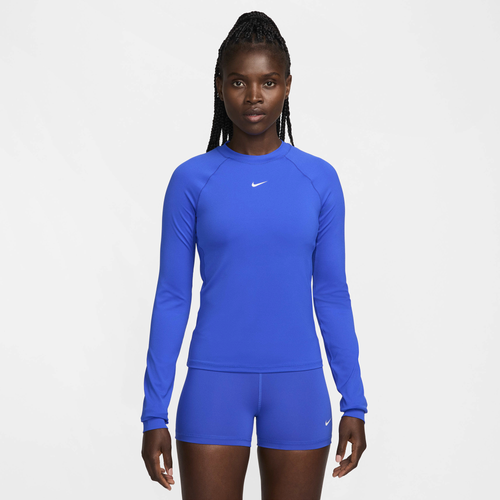
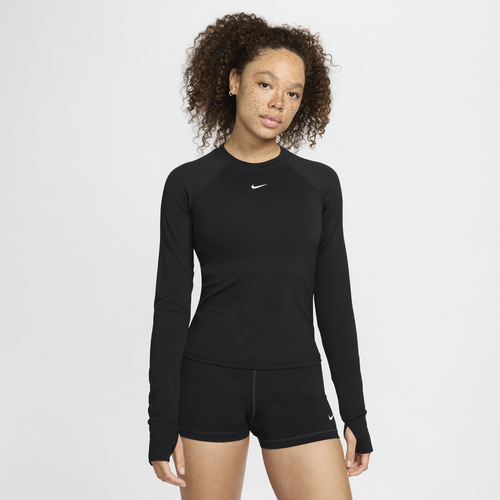
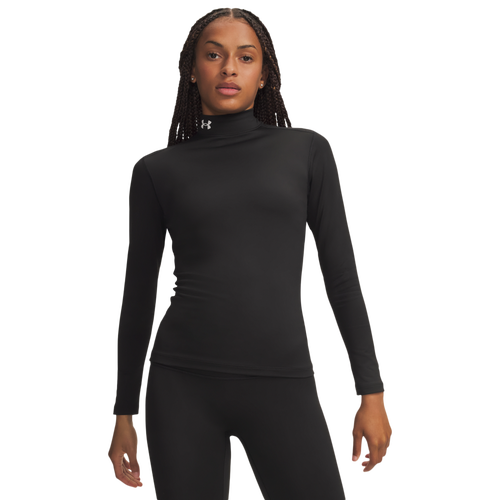
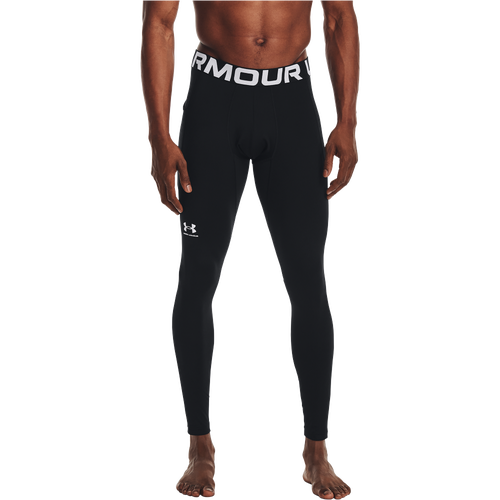
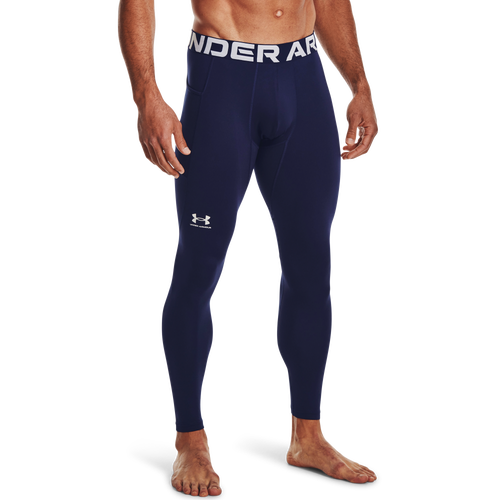
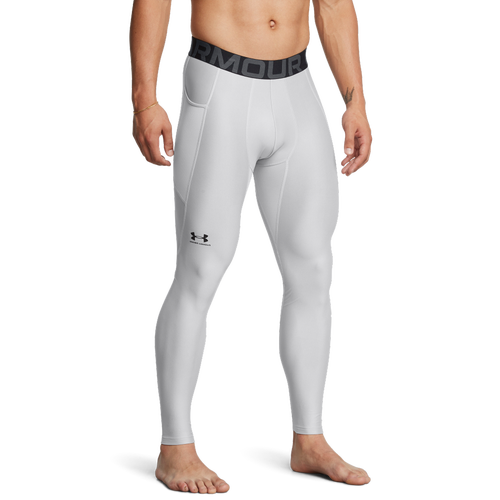
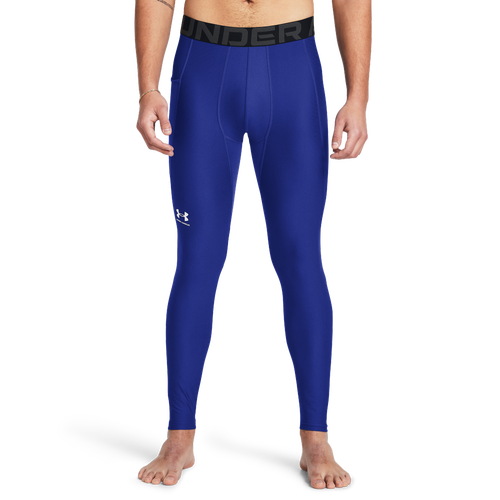
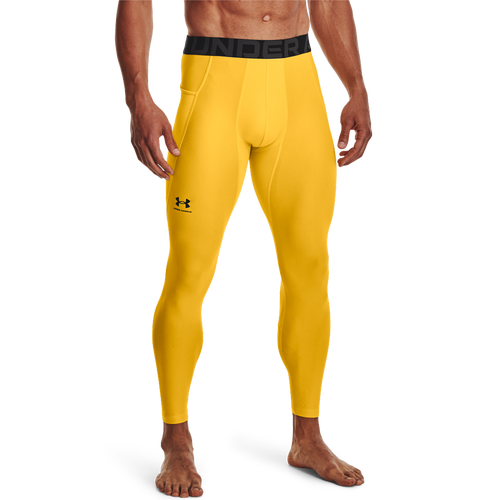
Our Cold Weather Baselayer sold out quickly! Explore similar styles now!
Search Results
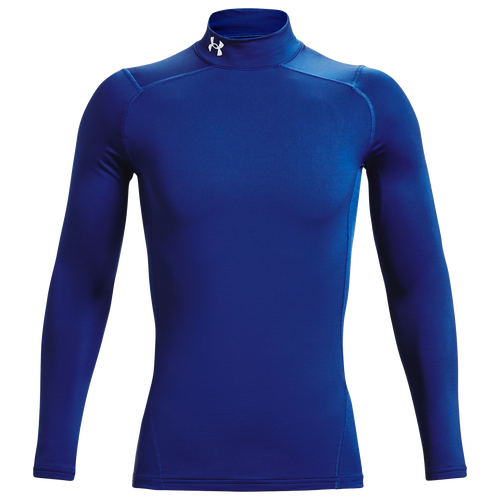
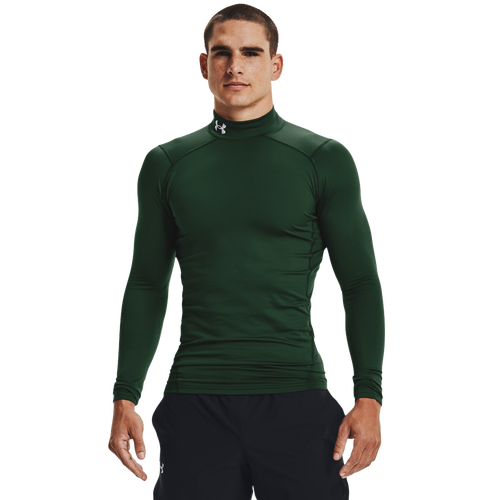
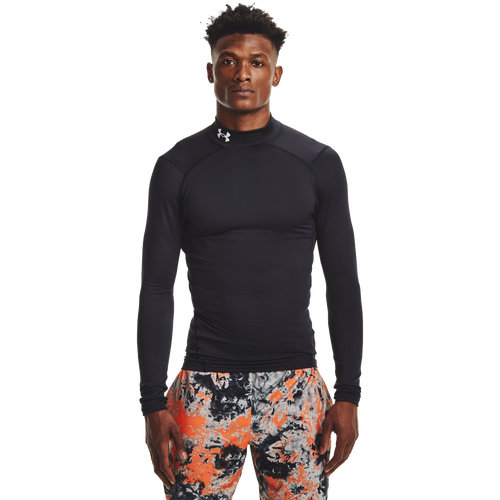
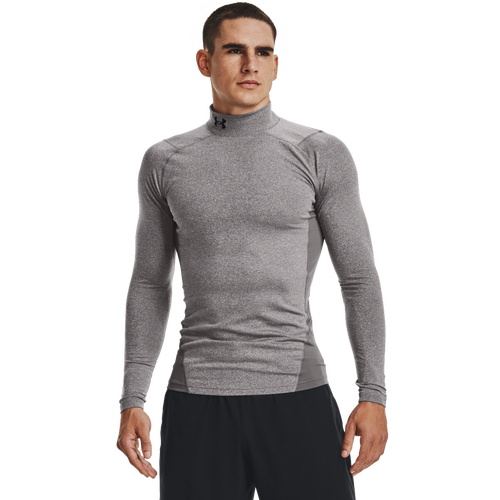
On this page...
- What is a cold weather baselayer?
- How do I choose the right size for a cold weather baselayer?
- Are cold weather baselayers suitable for outdoor activities?
- What materials are commonly used in cold weather baselayers?
- Can I wear a cold weather baselayer as an outer layer?
- How do I care for my cold weather baselayer?
- Are cold weather baselayers breathable?
- What thickness options are available for cold weather baselayers?
- Do cold weather baselayers provide UV protection?
- When should I wear a cold weather baselayer?
- Are cold weather baselayers moisture-wicking?
- Can I layer my cold weather baselayer with other clothing?
Frequently Asked Questions For Cold Weather Baselayer
A cold weather baselayer is a type of clothing designed to be worn directly against the skin to provide insulation and moisture-wicking properties in cold conditions. It is typically made from materials like merino wool, synthetic fibers, or a blend of both, ensuring warmth while keeping you dry during physical activities.
To choose the right size for a cold weather baselayer, it's important to refer to the sizing chart provided by the retailer. Measure your chest, waist, and hips, and compare those measurements to the chart to find the best fit. A snug fit is recommended to maximize warmth and moisture management without restricting movement.
Yes, cold weather baselayers are specifically designed for outdoor activities in chilly environments. They provide essential insulation while allowing for breathability, making them ideal for skiing, snowboarding, hiking, or any other winter sports. Their moisture-wicking properties help keep you comfortable during intense physical exertion.
Cold weather baselayers are often made from materials such as merino wool, polyester, or nylon blends. Merino wool is favored for its natural insulating properties and softness, while synthetic materials are known for their durability and moisture-wicking capabilities. Each material offers unique benefits depending on your activity level and personal preference.
While cold weather baselayers are primarily designed to be worn underneath other clothing, they can sometimes be worn as an outer layer in milder conditions or for casual wear. However, they may not provide the same level of protection against wind and moisture as dedicated outerwear, so consider the weather conditions before doing so.
To care for your cold weather baselayer, always check the care label for specific instructions. Generally, it is recommended to wash them in cold water on a gentle cycle and avoid fabric softeners, which can affect moisture-wicking properties. Air drying is often preferred to maintain the shape and integrity of the fabric.
Yes, cold weather baselayers are designed to be breathable, allowing moisture and heat to escape while keeping you warm. This breathability is crucial for regulating body temperature during physical activities, helping to prevent overheating and discomfort.
Cold weather baselayers come in various thickness options, typically categorized as lightweight, midweight, and heavyweight. Lightweight baselayers are ideal for high-intensity activities, while midweight and heavyweight options provide more insulation for colder conditions. Choosing the right thickness depends on the temperature and your activity level.
Some cold weather baselayers offer UV protection, which can be beneficial during outdoor activities in sunny winter conditions. Look for baselayers specifically labeled with UV protection ratings if this feature is important for your activities, especially at higher altitudes or reflective snow environments.
A cold weather baselayer should be worn in cold temperatures, particularly when engaging in outdoor activities such as skiing, snowboarding, or hiking in winter. They are designed to keep you warm and dry, making them essential for any cold-weather adventure or when spending extended time outdoors in chilly conditions.
Yes, cold weather baselayers are typically designed with moisture-wicking properties to draw sweat away from the skin. This feature helps to keep you dry and comfortable during physical activities, preventing the chill associated with damp clothing in cold weather.
Absolutely, cold weather baselayers are designed to be layered under other clothing for added warmth and insulation. They work well under mid-layers like fleece or insulated jackets, allowing for a customizable layering system that can adapt to varying temperatures and activity levels.
About Cold Weather Baselayer
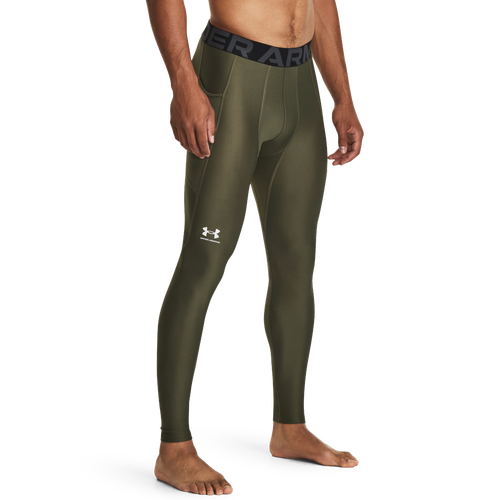
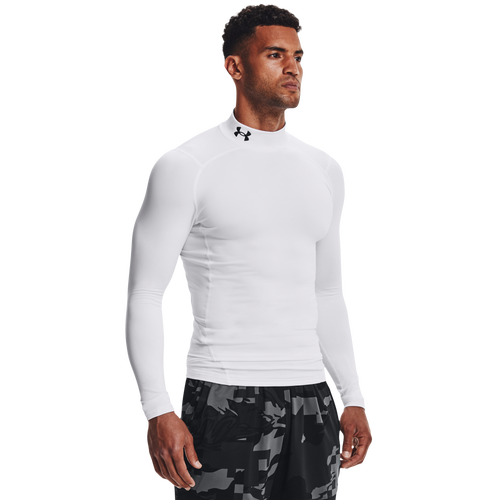
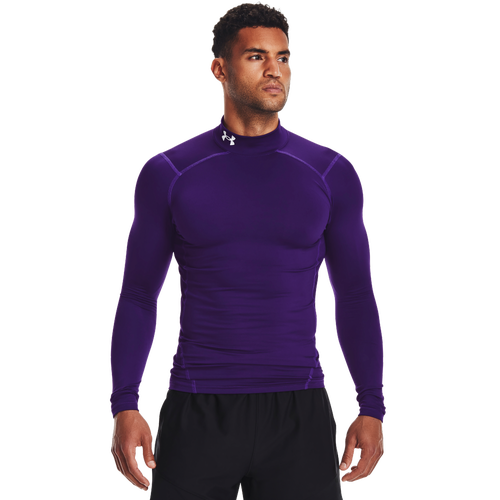
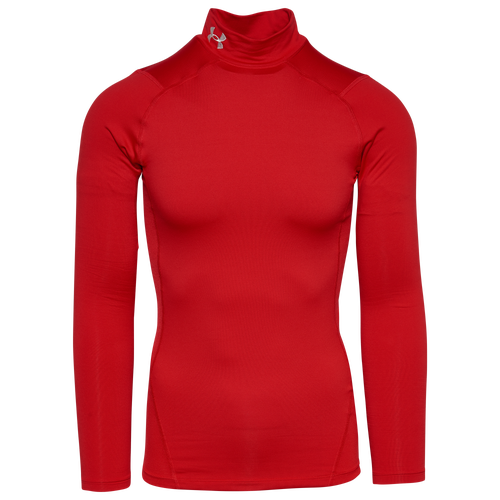
Stay warm and comfortable during the coldest days with our premium cold weather baselayer collection. Designed to provide optimal insulation and moisture-wicking properties, these layers are perfect for outdoor activities or lounging at home. The snug fit ensures that you can move freely while retaining body heat, making them essential for any winter wardrobe.
Our cold weather baselayers are crafted with breathable materials that keep you dry and cozy, no matter the temperature. Ideal for layering under your favorite outerwear, they offer the perfect balance of warmth and flexibility. Equip yourself with these versatile pieces to tackle any winter adventure with confidence and style.