
Lightweight Long-Distance Running Shoes
Showing 4 results
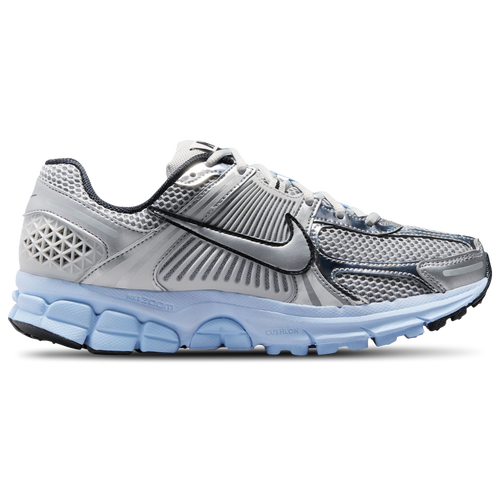
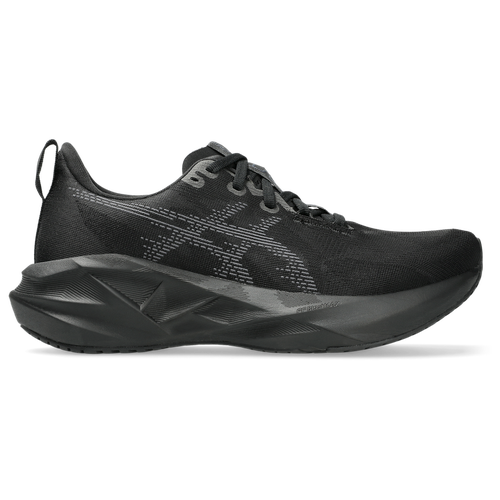
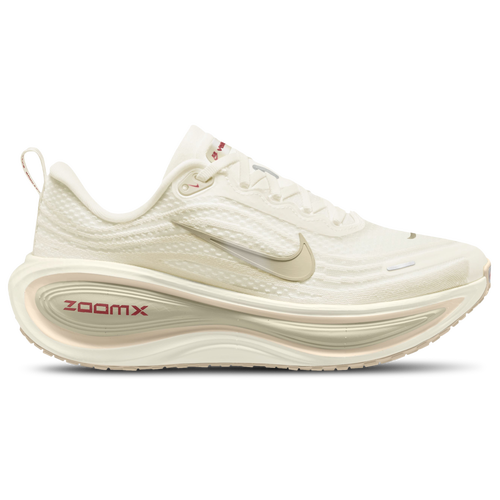
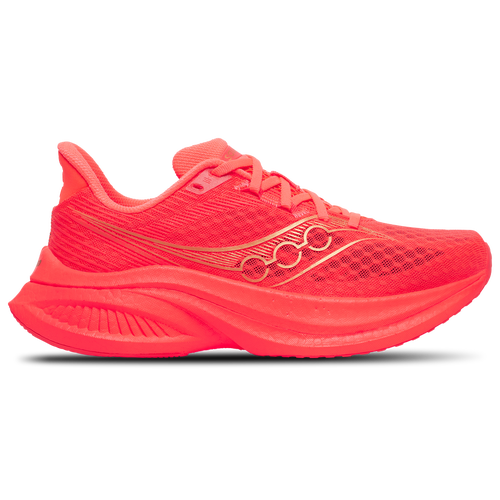
Our Lightweight Long-Distance Running Shoes sold out quickly! Explore similar styles now!
Search Results
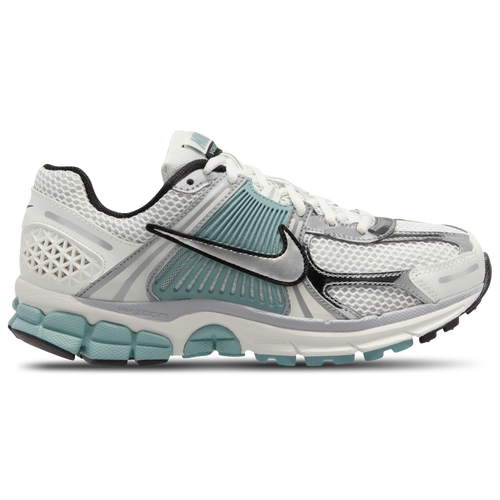
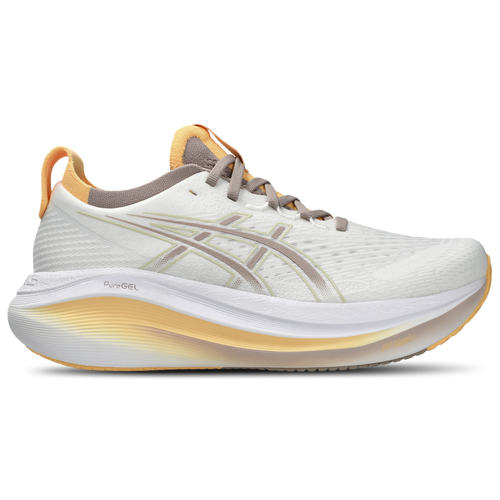
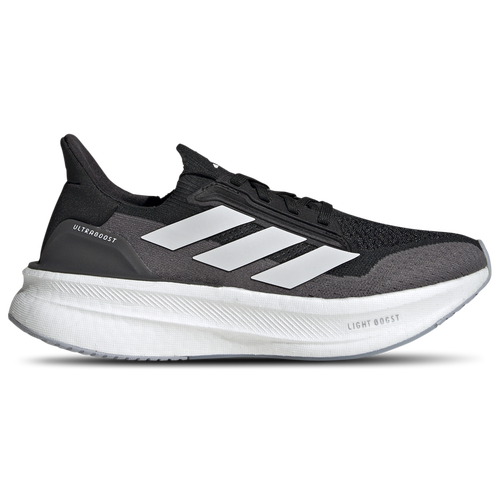
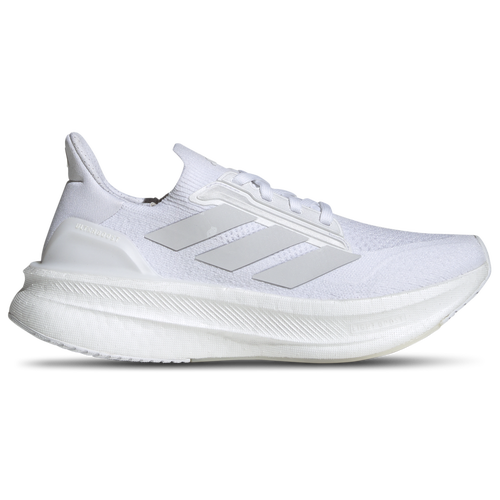
You May Also Like
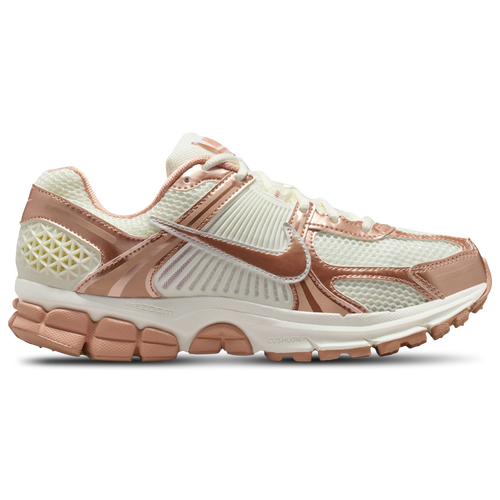
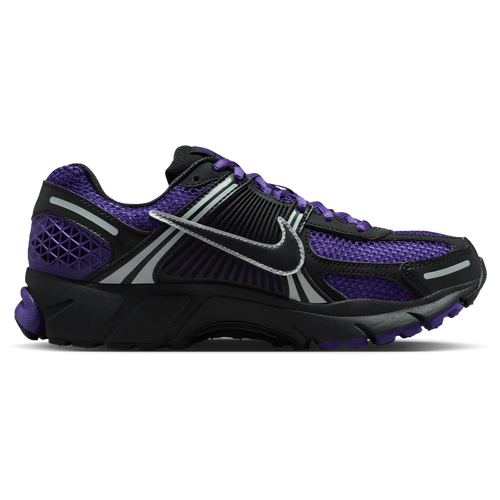
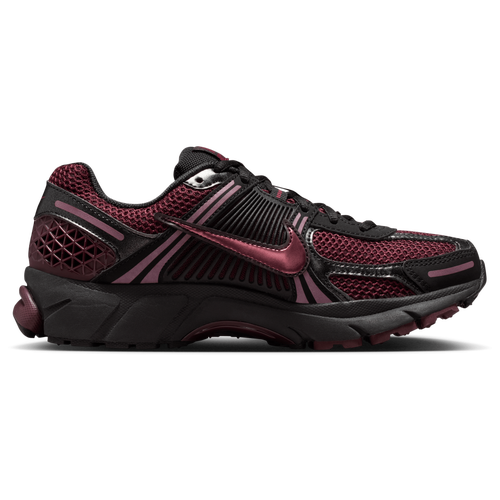
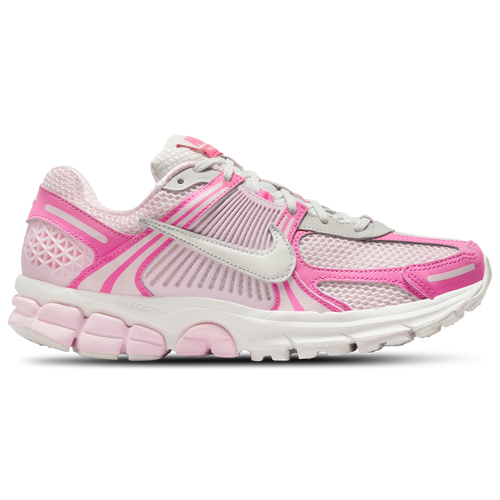
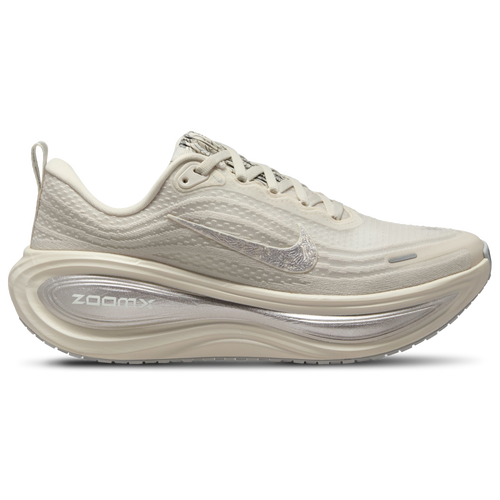
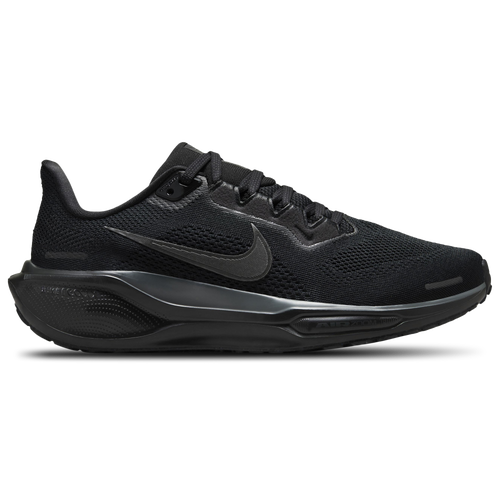
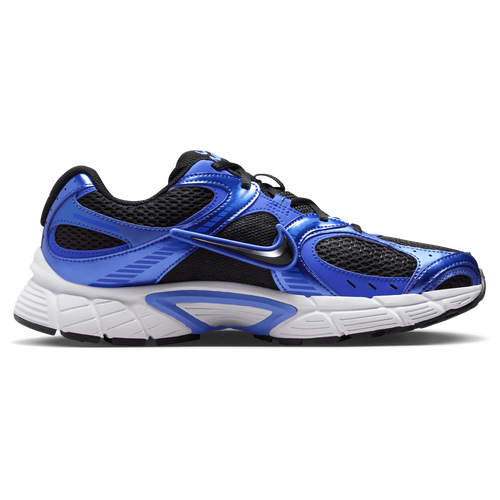
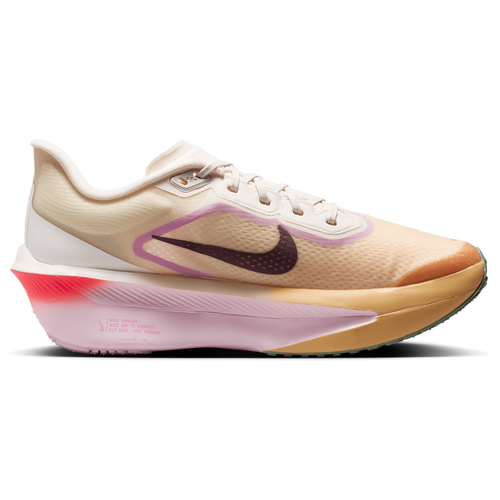
On this page...
- What are lightweight long-distance running shoes?
- How do I choose the right size for lightweight long-distance running shoes?
- Are lightweight long-distance running shoes suitable for all foot types?
- What materials are typically used in lightweight long-distance running shoes?
- How much cushioning do lightweight long-distance running shoes have?
- Can I use lightweight long-distance running shoes for daily training?
- Are lightweight long-distance running shoes waterproof?
- When were lightweight long-distance running shoes first introduced?
- How do lightweight long-distance running shoes affect running performance?
- What features should I look for in lightweight long-distance running shoes?
- Are there specific lightweight long-distance running shoes for trail running?
- How do I care for my lightweight long-distance running shoes?
- Can I use lightweight long-distance running shoes for walking?
- How often should I replace my lightweight long-distance running shoes?
Frequently Asked Questions For Lightweight Long-Distance Running Shoes
Lightweight long-distance running shoes are specifically designed footwear that offers minimal weight while providing adequate support and cushioning for long runs. They are engineered to enhance performance by reducing fatigue and allowing for a more natural running stride.
To choose the right size for lightweight long-distance running shoes, it is recommended to measure your foot length and width accurately. Additionally, consider trying on shoes later in the day when your feet are slightly swollen, and ensure there is enough room in the toe box for comfort during long runs.
Lightweight long-distance running shoes can accommodate various foot types, but it is important to select a model that matches your specific arch and pronation needs. Some styles offer additional support features for those with flat feet or high arches, ensuring a comfortable fit for different runners.
Lightweight long-distance running shoes are often made from breathable mesh uppers, lightweight foam midsoles, and durable rubber outsoles. These materials work together to provide comfort, flexibility, and traction while keeping the overall weight of the shoe to a minimum.
The amount of cushioning in lightweight long-distance running shoes varies by model, but they generally feature a moderate level of cushioning to balance comfort and responsiveness. This allows for adequate shock absorption while maintaining a lightweight feel for efficient running.
While lightweight long-distance running shoes are designed for performance, they can be used for daily training if they provide the necessary support and comfort for your running style. However, it is advisable to alternate with more cushioned shoes for longer training sessions or recovery runs.
Most lightweight long-distance running shoes are not waterproof, as they prioritize breathability and weight reduction. However, some models may feature water-resistant materials or treatments that offer a degree of protection against light rain or wet conditions.
Lightweight long-distance running shoes began gaining popularity in the late 20th century as advancements in materials and technology allowed for more specialized designs. Over the years, they have evolved significantly to meet the needs of long-distance runners seeking speed and efficiency.
Lightweight long-distance running shoes can enhance running performance by reducing the overall weight on the feet, allowing for quicker strides and less fatigue over long distances. This can lead to improved speed and endurance during races and training sessions.
When selecting lightweight long-distance running shoes, look for features such as a breathable upper, responsive cushioning, a secure fit, and a flexible outsole. These elements contribute to overall comfort and performance, making your running experience more enjoyable.
Yes, there are lightweight long-distance running shoes specifically designed for trail running. These models typically feature enhanced traction, protective toe caps, and durable materials to withstand rugged terrain while still maintaining a lightweight profile.
To care for your lightweight long-distance running shoes, clean them regularly by removing dirt and debris with a soft brush. Avoid machine washing and instead use mild soap and water to spot clean, and allow them to air dry away from direct sunlight to maintain their shape and performance.
While lightweight long-distance running shoes are primarily designed for running, they can also be suitable for walking, especially if you prefer a more minimalist feel. However, ensure that they provide adequate support and comfort for your walking style and duration.
It is generally recommended to replace lightweight long-distance running shoes every 300 to 500 miles, depending on your running style and the shoe's wear. Regularly inspecting the shoes for signs of wear and reduced cushioning can help determine when it's time for a new pair.
About Lightweight Long-Distance Running Shoes
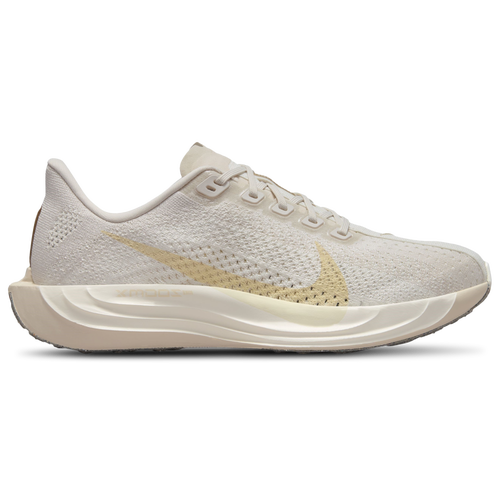
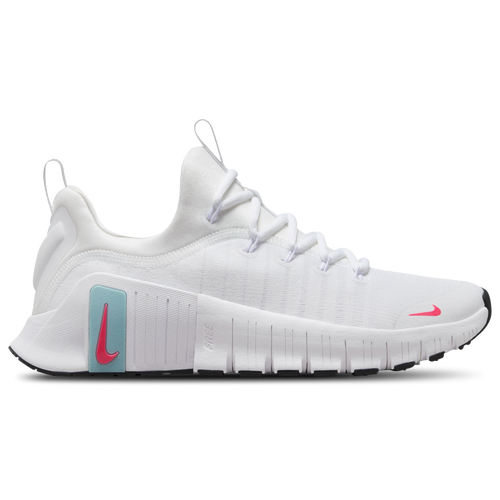
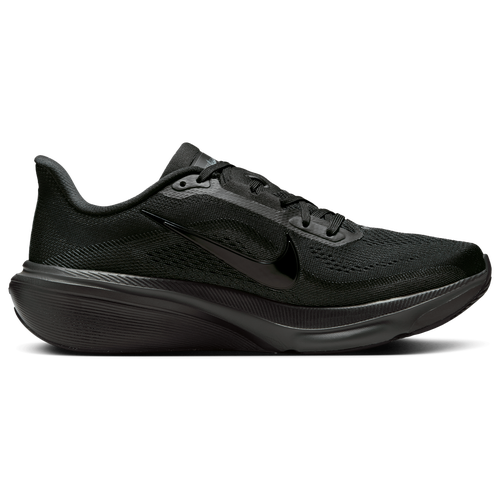
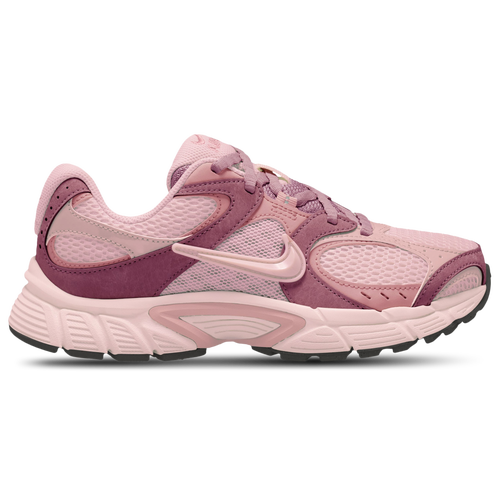
Discover the ultimate in comfort and performance with our selection of lightweight long-distance running shoes. Designed for runners who crave speed and agility, these shoes feature breathable materials and responsive cushioning to keep you energized mile after mile. Experience a perfect blend of support and flexibility, allowing for a natural stride that enhances your running experience.
Our lightweight long-distance running shoes are engineered to reduce fatigue, making them ideal for both training and race day. With advanced traction and durable outsoles, you can tackle various terrains with confidence. Elevate your running game and enjoy every step with footwear that prioritizes your comfort and performance on the road.