
Running Shoes for Men, Women, and Kids
Showing 4105 results
Search Results
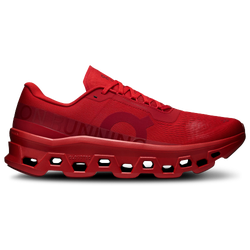
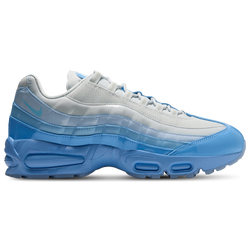
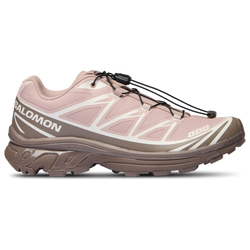
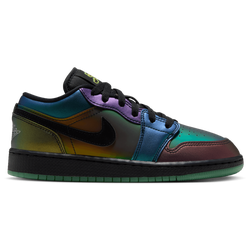
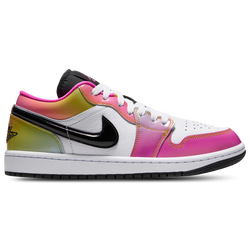
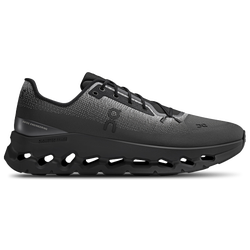
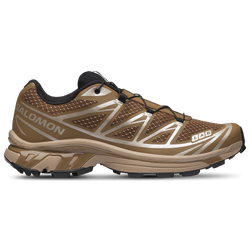

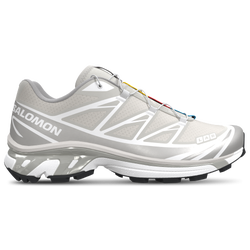

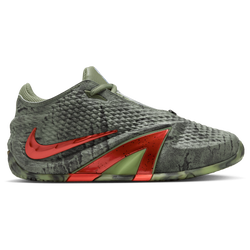
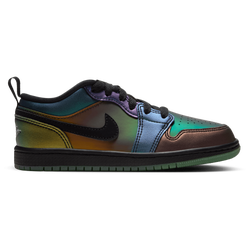
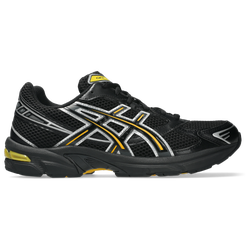
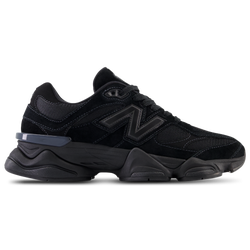
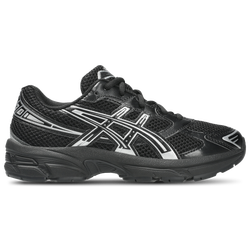

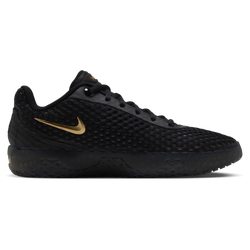

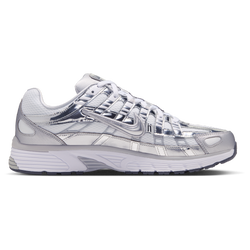
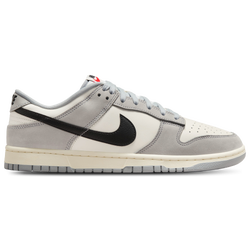
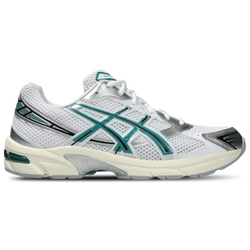
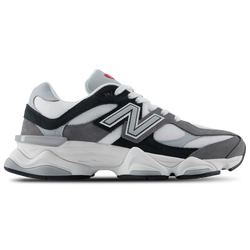
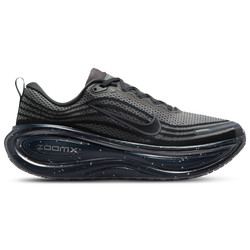
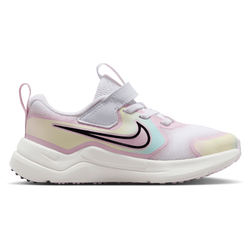
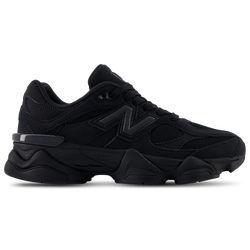
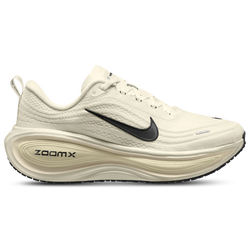

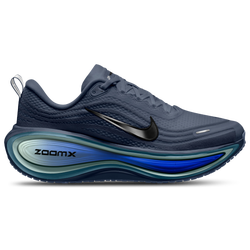
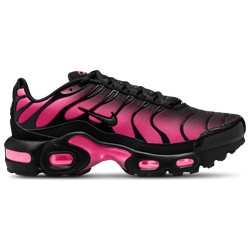
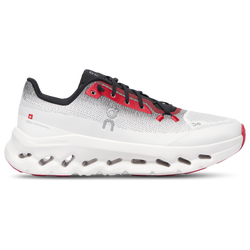
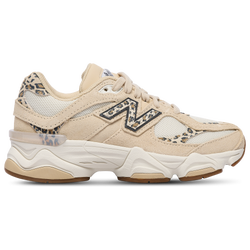
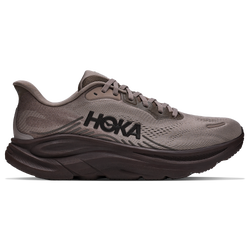
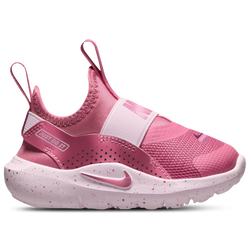

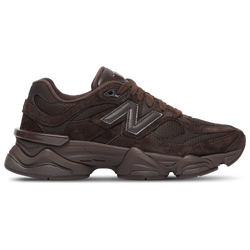

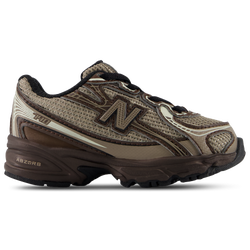
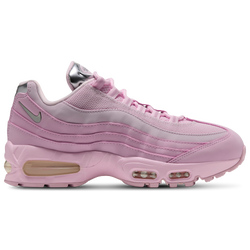

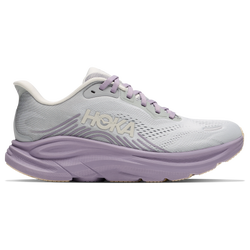
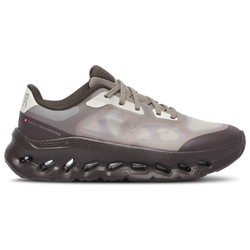
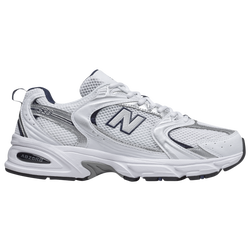
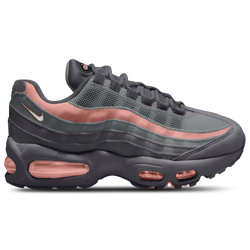

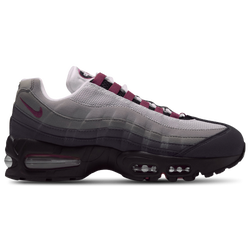

Running Shoes: Support That Responds to Every Stride
A softer landing and a more confident toe-off can change the whole run. Running Shoes help athletes handle early-morning miles, track intervals, treadmill sessions, and race-prep weeks with cushioning, grip, and support that match the work. Foot Locker brings performance options together for runners who want their training gear ready for whatever the schedule demands.
Running Shoes FAQ | |
Best Running Shoes for Beginners | What to Look For: Neutral (best for most) – natural feel, balanced cushioning Stability – extra support if you overpronate Cushioned – maximum comfort, absorbs impact Foot Locker Picks: Brooks Ghost, HOKA Clifton |
Best Running Shoes for a 5k | Look for a shoe that balances speed and comfort: What matters most
Foot Locker Picks: Nike Pegasus, adidas Evo SL |
Best Running Shoes for a Half Marathon | What Matters Most:
Foot Locker Picks: Nike ZoomX Vaporfly, Brooks Glycerin, Saucony Endorphin Speed |
Best Running Shoes for a Marathon | Must Haves:
Simple Rule: Comfort + cushioning + fit = the right marathon shoe Foot Locker Picks: Brooks Glycerin, ASICS Gel-Nimbus |
How to Choose Running Shoes | Match your activity:
Focus on fit:
Know your foot type:
Pick the right cushioning:
|
How Often to Replace Running Shoes? | You should replace your running shoes every 300-500 miles. Other signs it’s time to replace your shoes would be:
|
What are the main types of Running Shoes? | Neutral running shoes – Designed for runners with normal arches and gait; provide balanced cushioning without added correction. Stability shoes – Offer extra support to control mild overpronation (foot rolling inward). Motion control shoes – Provide maximum support and structure for severe overpronation or flat feet. Cushioned (max cushioning) shoes – Focus on shock absorption and comfort, ideal for long-distance running. Trail running shoes – Built with rugged soles and grip for off-road terrain like dirt, rocks, and mud.
|
Can I use Running Shoes at the gym? | Yes, you can use running shoes at the gym for activities like treadmill running, light cardio, or machines. However, they aren’t ideal for weightlifting or lateral movements because they lack the stability and support those exercises require. |
Related Running Shoes Pages
Check out our other selections