
Boots For Slippery Surfaces
Showing 1 - 11 of 11 results
Our Boots For Slippery Surfaces sold out quickly! Explore similar styles now!
Search Results
On this page...
- What features should I look for in boots for slippery surfaces?
- Are these boots suitable for icy conditions?
- How do I know if the boots fit properly for slippery surfaces?
- What materials are best for boots for slippery surfaces?
- Can I wear these boots for everyday activities?
- How do I maintain my boots for slippery surfaces?
- Are there specific styles of boots that work better for slippery surfaces?
- What size should I choose for boots designed for slippery surfaces?
- Are insulated boots necessary for slippery surfaces?
- How do the tread patterns on these boots affect their performance?
- Can I use these boots for hiking on slippery trails?
- What is the average lifespan of boots for slippery surfaces?
- Are there specific colors that are better for boots used on slippery surfaces?
- Do these boots require special care compared to regular boots?
Frequently Asked Questions For Boots For Slippery Surfaces
When selecting boots for slippery surfaces, look for features such as a rubber outsole with deep treads for enhanced traction, waterproof materials to keep your feet dry, and insulation for warmth in cold conditions. Additionally, consider boots with a cushioned insole for comfort during extended wear.
Yes, many boots designed for slippery surfaces are specifically engineered to provide traction on icy conditions. They often feature specialized rubber compounds and tread patterns that grip the ice, helping to prevent slips and falls. Always check the product specifications to ensure they are rated for icy environments.
To ensure a proper fit for boots intended for slippery surfaces, they should feel snug but not tight, allowing for some wiggle room in the toes. It's important to try them on with the type of socks you plan to wear, and walk around to check for comfort and support, especially in the arch and heel areas.
The best materials for boots designed for slippery surfaces include waterproof leather or synthetic uppers that keep moisture out, along with rubber outsoles that provide excellent grip. Insulated linings can also be beneficial for warmth, while breathable materials help maintain comfort.
Yes, boots designed for slippery surfaces can often be worn for everyday activities, especially if they are stylish and comfortable. Many models combine functionality with aesthetic appeal, making them suitable for casual outings, work, or outdoor adventures.
To maintain your boots for slippery surfaces, regularly clean them with a damp cloth to remove dirt and debris. Apply a waterproofing spray or treatment periodically to enhance their water resistance, and ensure the soles are free of mud or ice buildup for optimal traction.
Yes, styles such as ankle boots, mid-calf boots, and tall waterproof boots are often designed with features that enhance grip and stability on slippery surfaces. Look for styles that provide good ankle support and have a rugged outsole for the best performance.
When choosing the size for boots designed for slippery surfaces, it’s advisable to refer to the sizing chart provided by the manufacturer. If you plan to wear thicker socks, consider sizing up for a comfortable fit that allows for adequate circulation and movement.
Insulated boots are not strictly necessary for slippery surfaces, but they can be beneficial in cold weather conditions. Insulation helps keep your feet warm while maintaining comfort, especially if you will be outdoors for extended periods.
The tread patterns on boots for slippery surfaces are crucial for their performance, as they determine how well the boot grips the ground. Deep, multidirectional lugs provide better traction, while smoother patterns may be less effective on wet or icy surfaces.
Yes, many boots designed for slippery surfaces are suitable for hiking on slippery trails, especially those with rugged outsoles and supportive designs. Look for features like waterproofing and ankle support to ensure comfort and safety during your hike.
The average lifespan of boots for slippery surfaces can vary based on usage, materials, and care, but they typically last anywhere from one to three years. Regular maintenance and proper storage can help extend their durability and performance.
While color does not affect the performance of boots on slippery surfaces, darker colors may be more practical as they tend to hide dirt and stains better. However, choose a color that suits your personal style and complements your wardrobe for versatility.
Yes, boots designed for slippery surfaces may require special care, such as using waterproofing treatments and cleaning them regularly to maintain their grip and water resistance. Follow the manufacturer's care instructions to ensure longevity and optimal performance.
About Boots for Slippery Surfaces
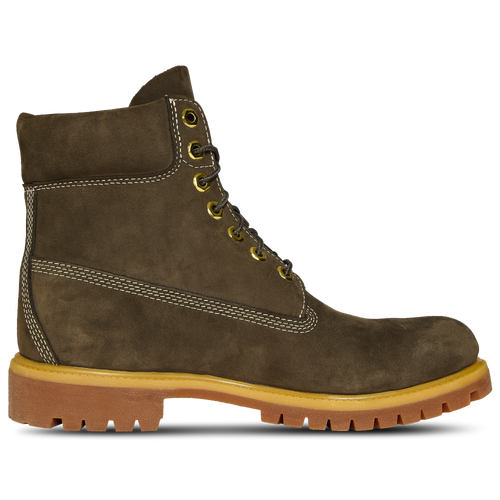
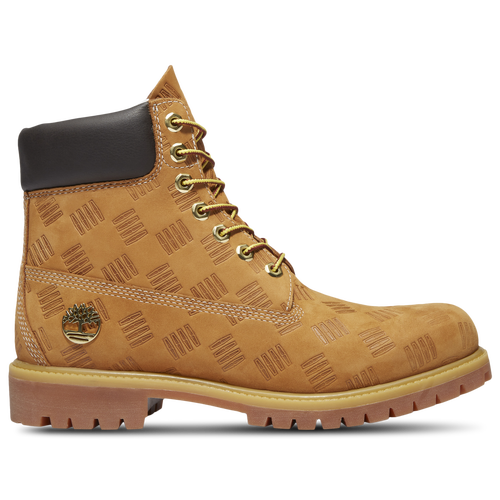
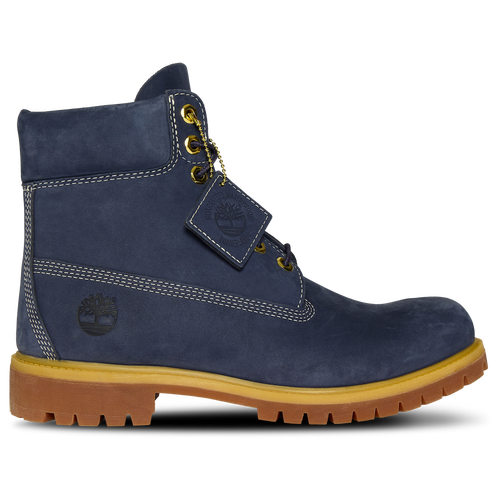
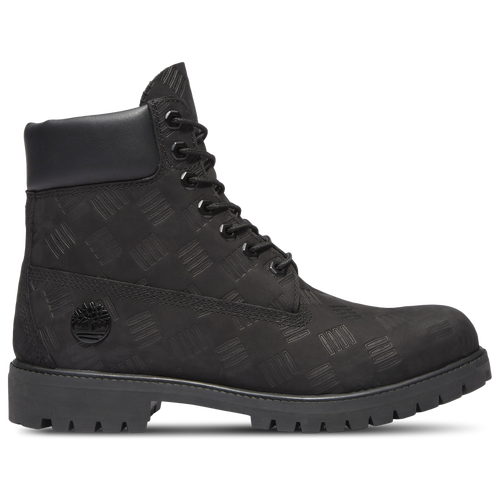
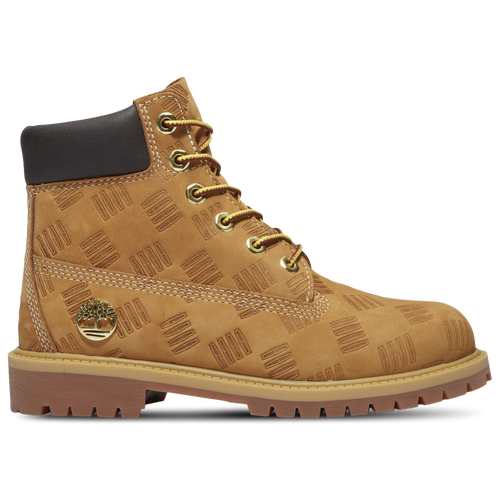
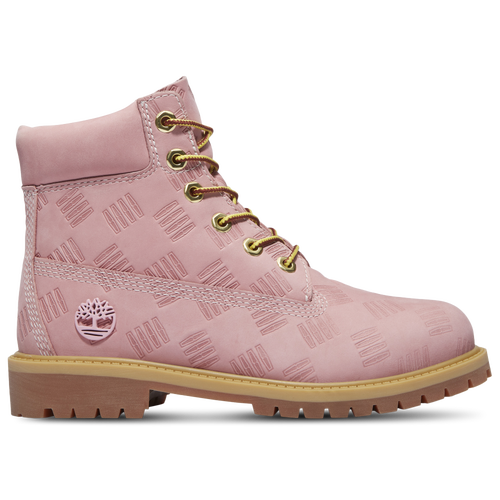
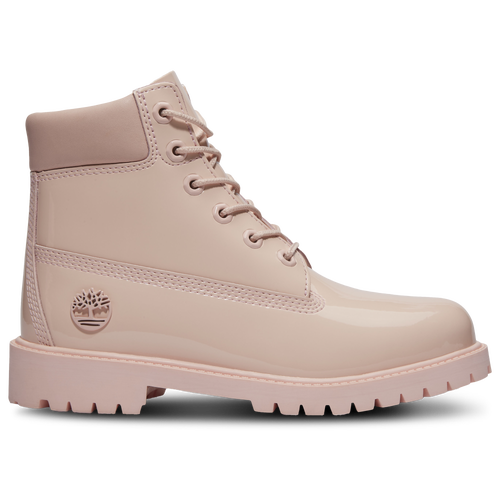
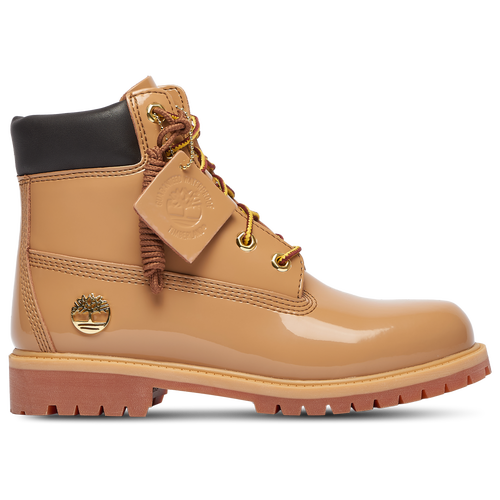
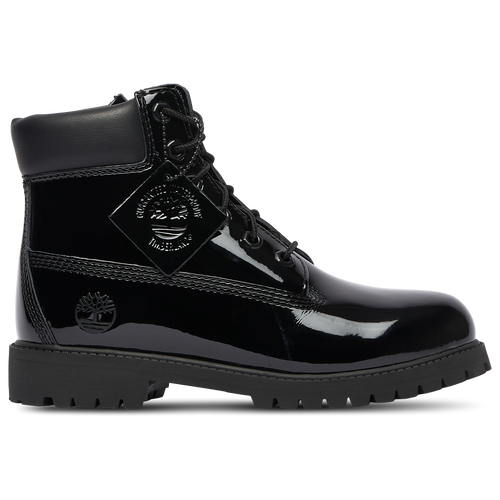
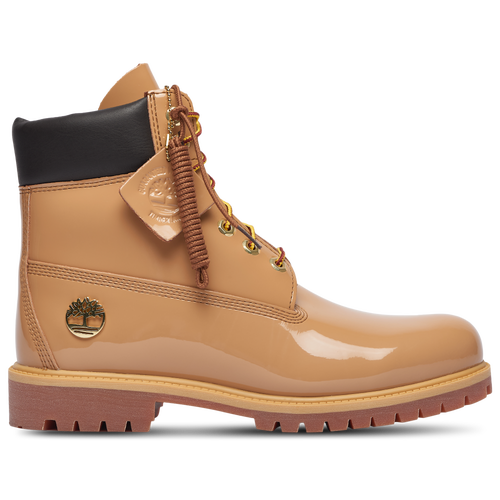
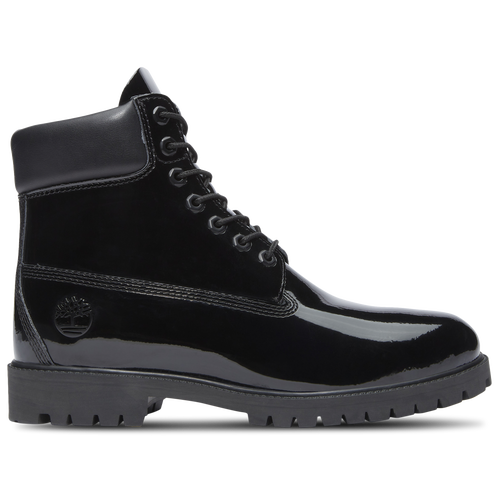
Stay safe and stylish with our collection of boots designed specifically for slippery surfaces. Featuring advanced traction technology, these boots provide superior grip on wet and icy terrain, ensuring you can navigate any environment with confidence. The waterproof materials keep your feet dry, while the durable construction offers long-lasting wear, making them perfect for both work and play.
With a variety of styles and designs, our boots combine functionality with comfort. Enjoy features like cushioned insoles and supportive fits that keep you comfortable throughout the day. Whether you're tackling winter weather or rainy days, our boots for slippery surfaces are the ideal choice for anyone seeking reliability and performance in their footwear.