
Cold Weather Hiking Boots
Showing 4 results
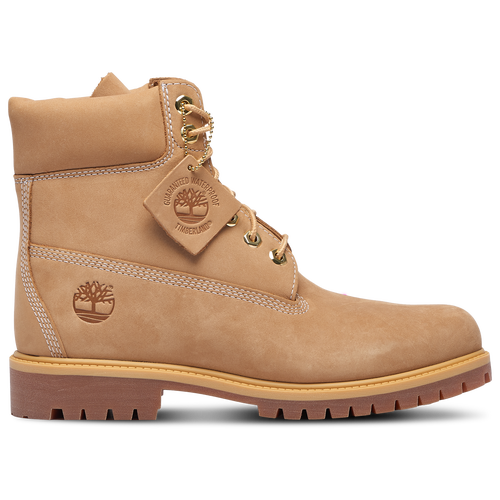
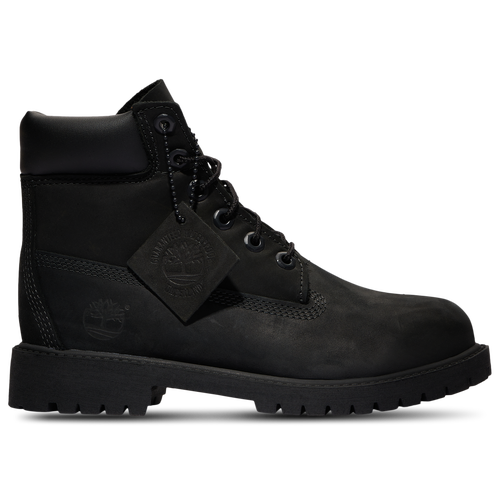
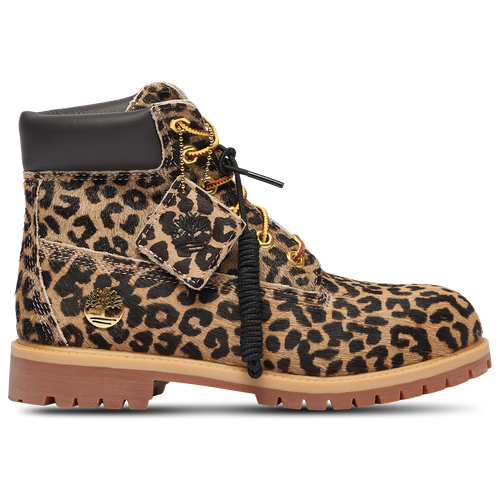
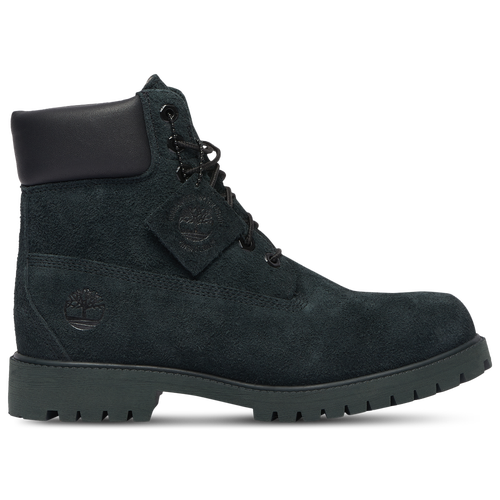
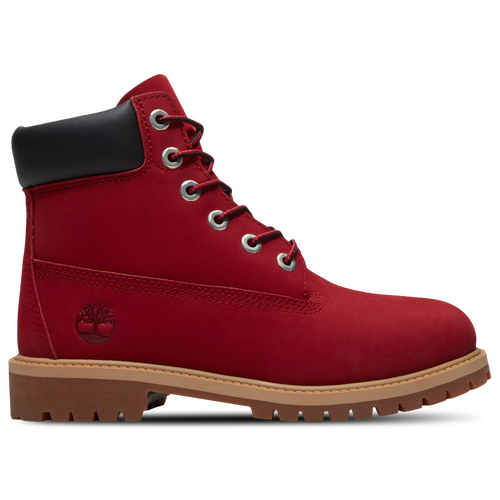
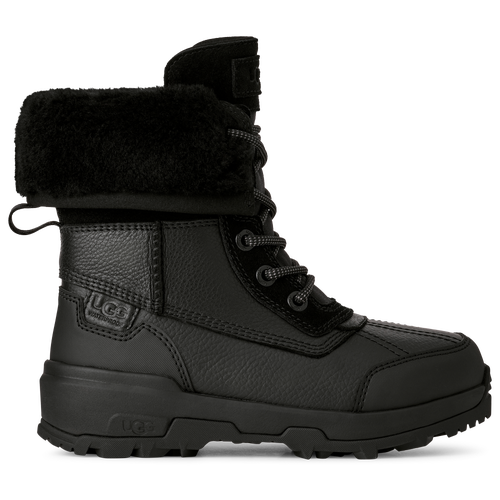
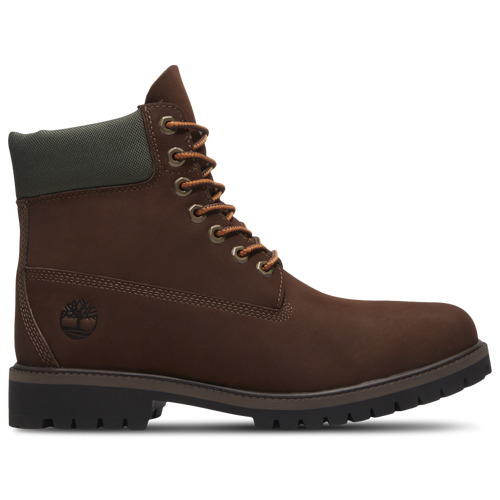
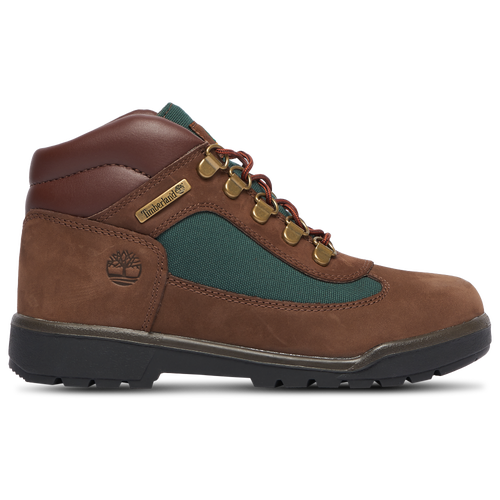
Our Cold Weather Hiking Boots sold out quickly! Explore similar styles now!
Search Results
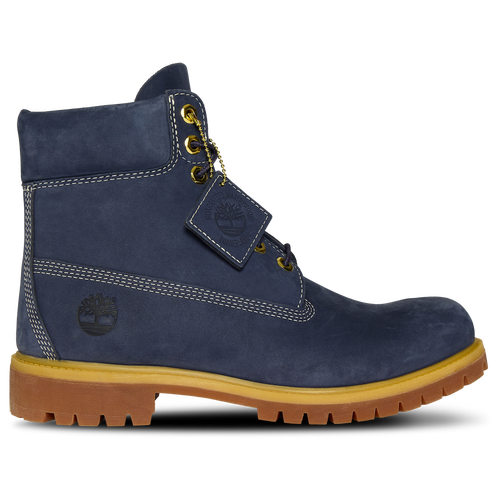
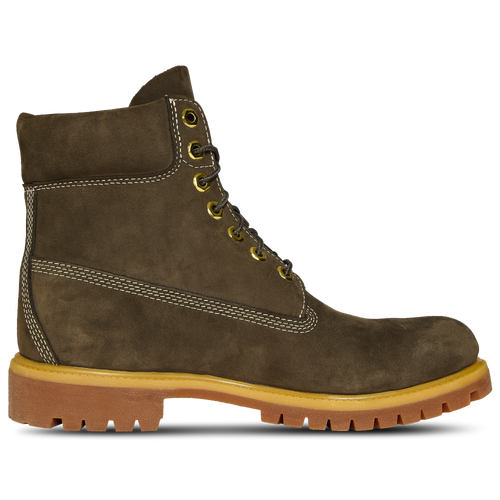
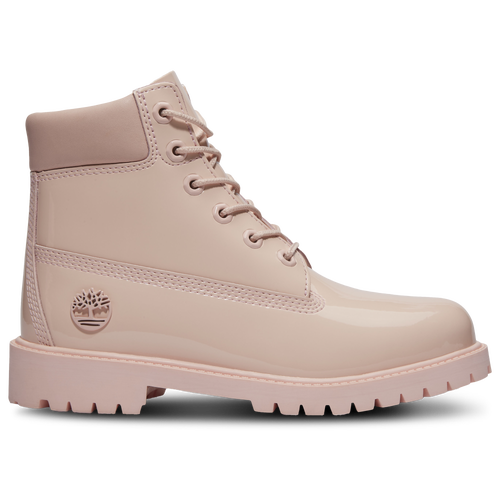
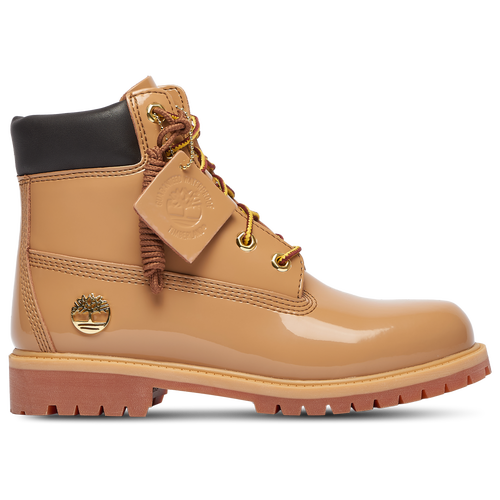
You May Also Like
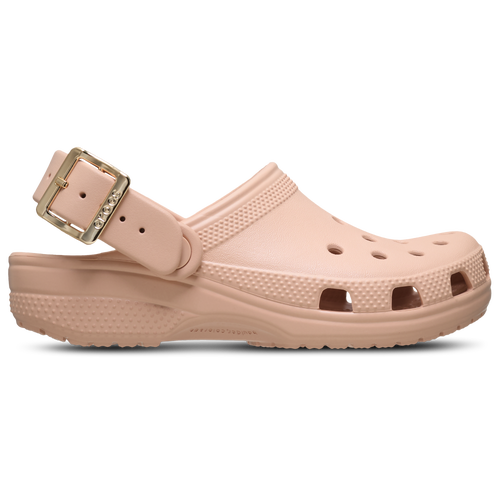
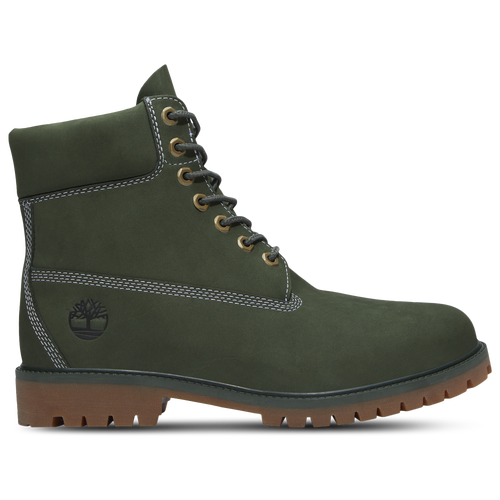
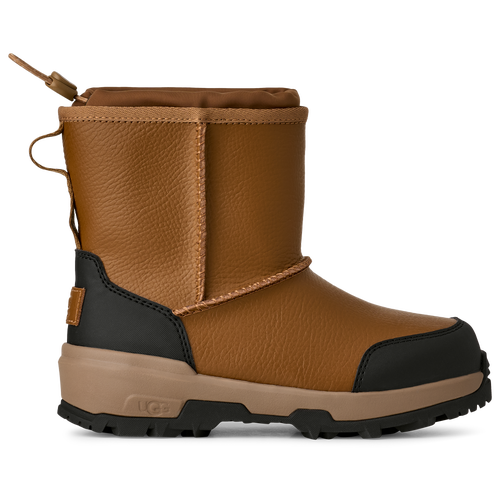
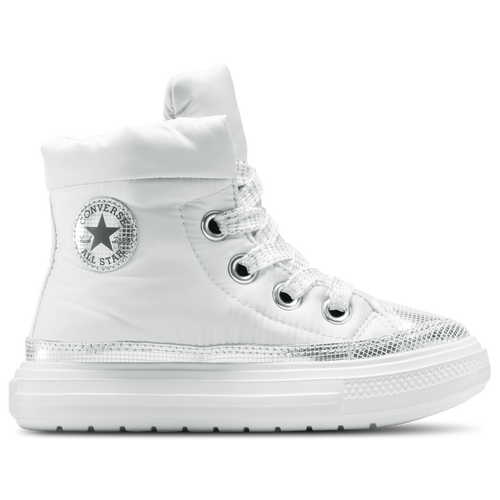

On this page...
- What features should I look for in cold weather hiking boots?
- Are cold weather hiking boots typically heavier than regular hiking boots?
- How do I know if my cold weather hiking boots fit properly?
- Can I use cold weather hiking boots for activities other than hiking?
- Are cold weather hiking boots breathable?
- How do I clean and maintain my cold weather hiking boots?
- What is the typical insulation material used in cold weather hiking boots?
- Are cold weather hiking boots waterproof?
- How do cold weather hiking boots perform in extreme temperatures?
- What types of soles are best for cold weather hiking boots?
- When should I consider replacing my cold weather hiking boots?
- Are there specific styles of cold weather hiking boots for men and women?
- How do I break in my cold weather hiking boots?
Frequently Asked Questions For Cold Weather Hiking Boots
When selecting cold weather hiking boots, look for insulation to keep your feet warm, waterproof materials to protect against snow and moisture, and a sturdy outsole for traction on slippery surfaces. Additionally, consider a comfortable fit with good ankle support to enhance stability during hikes.
Yes, cold weather hiking boots are generally heavier than regular hiking boots due to the added insulation and waterproof materials. This extra weight is designed to provide better warmth and protection in harsh conditions, making them suitable for winter hiking adventures.
A proper fit for cold weather hiking boots should allow for some wiggle room in the toes while ensuring your heel stays snug in place. When trying them on, wear the socks you plan to use during hikes and walk around to check for any pressure points or discomfort.
Yes, cold weather hiking boots can be versatile and used for various outdoor activities such as snowshoeing, winter walking, or even casual wear in snowy conditions. Their insulation and waterproof features make them suitable for any cold, wet environment.
Many cold weather hiking boots are designed with breathable materials to help regulate temperature and moisture inside the boot. Look for options that feature moisture-wicking linings and ventilation systems to enhance comfort during extended wear.
To clean cold weather hiking boots, remove any dirt or mud with a soft brush and warm water. Allow them to air dry away from direct heat sources, and periodically apply a waterproofing treatment to maintain their protective qualities.
Cold weather hiking boots often use synthetic insulation materials such as Thinsulate or down to provide warmth without adding excessive bulk. These materials are designed to trap heat while remaining lightweight and compressible.
Most cold weather hiking boots are constructed with waterproof materials such as Gore-Tex or rubber to keep your feet dry in snowy or wet conditions. It is essential to check the product specifications to ensure they meet your needs for waterproof protection.
Cold weather hiking boots are designed to provide insulation and protection in low temperatures, but their performance can vary based on the specific model and materials used. It is advisable to check the temperature rating of the boots to ensure they are suitable for the conditions you expect to encounter.
The best soles for cold weather hiking boots are typically made from rubber with deep lugs for enhanced traction on icy or snowy surfaces. Look for soles that provide stability and grip to help prevent slips and falls during winter hikes.
You should consider replacing your cold weather hiking boots if you notice significant wear on the soles, loss of insulation, or if they no longer keep your feet dry. Regular inspections can help you determine when it's time for a new pair to ensure optimal performance on your hikes.
Yes, cold weather hiking boots are available in styles specifically designed for men and women, taking into account differences in foot shape and size. Many brands offer gender-specific models that provide a better fit and enhanced comfort for each user.
To break in cold weather hiking boots, start by wearing them for short periods indoors or on easy walks to allow the materials to soften and conform to your feet. Gradually increase the duration and intensity of your wear to ensure a comfortable fit before embarking on longer hikes.
About Cold Weather Hiking Boots
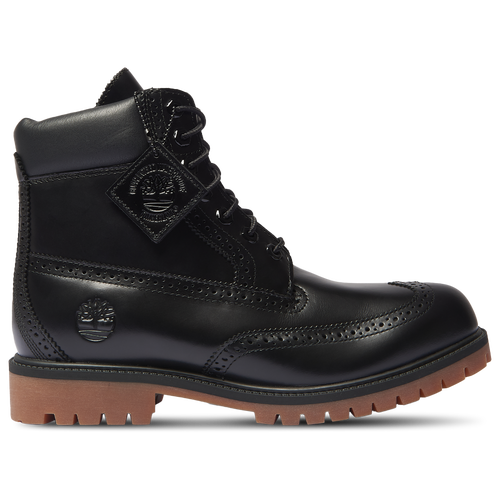
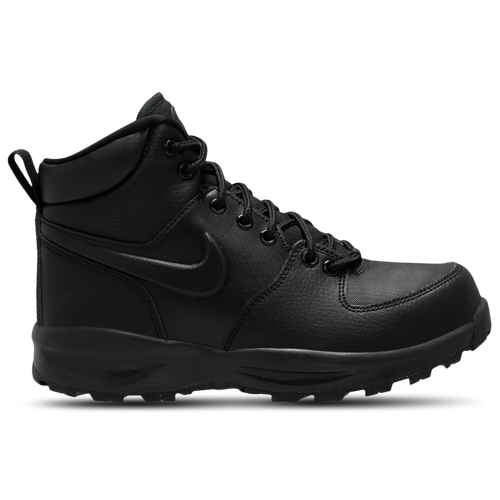
Prepare for your winter adventures with our collection of cold weather hiking boots, designed to keep your feet warm and dry in the harshest conditions. Featuring waterproof materials and insulated linings, these boots provide the ultimate protection against snow and moisture, ensuring comfort on every trek. The rugged outsoles offer excellent traction, allowing you to navigate slippery trails with confidence.
Our cold weather hiking boots combine durability with style, making them perfect for both outdoor excursions and casual wear. With supportive designs and cushioned insoles, you can enjoy long hikes without sacrificing comfort. Explore the great outdoors knowing your feet are equipped for any challenge, no matter how cold it gets.