
Outdoor Footwear for Hiking
Showing 93 results
Our Outdoor Footwear for Hiking sold out quickly! Explore similar styles now!
Search Results


On this page...
- What features should I look for in outdoor footwear for hiking?
- Are hiking shoes better than hiking boots?
- How do I determine the right size for hiking footwear?
- What materials are commonly used in outdoor hiking footwear?
- Are outdoor footwear for hiking waterproof?
- How should I care for my hiking footwear?
- Can I use outdoor footwear for hiking in winter conditions?
- What is the difference between trail running shoes and hiking footwear?
- How much should I expect to spend on quality hiking footwear?
- Are there specific hiking footwear options for wide feet?
- What is the break-in period for hiking footwear?
- Can I wear outdoor footwear for hiking on city trails?
Frequently Asked Questions For Outdoor Footwear for Hiking
When selecting outdoor footwear for hiking, consider features such as waterproofing, breathability, and traction. A sturdy outsole with a good grip is essential for navigating various terrains, while a supportive midsole helps with comfort during long hikes. Additionally, look for a lightweight design to reduce fatigue on the trail.
The choice between hiking shoes and hiking boots depends on the type of hiking you plan to do. Hiking shoes are generally lighter and more flexible, making them suitable for day hikes on well-maintained trails. In contrast, hiking boots offer more ankle support and protection, which is beneficial for rugged terrains or multi-day treks.
To find the right size for hiking footwear, it is recommended to measure your feet while standing, as they can expand slightly during activity. Ensure there is enough room in the toe box for your toes to move comfortably, and consider wearing the socks you plan to use while hiking. Trying on footwear in the afternoon can also help account for foot swelling.
Outdoor hiking footwear is typically made from a combination of synthetic materials, leather, and mesh. Leather provides durability and water resistance, while synthetic materials often offer lightweight and breathable options. Mesh panels enhance ventilation, keeping your feet cool during warm weather hikes.
Many outdoor footwear options for hiking come with waterproof features, such as Gore-Tex linings or treated leather. These materials help keep your feet dry in wet conditions, making them suitable for hiking in rain or muddy environments. However, it's important to check the product specifications to confirm waterproof capabilities.
To care for your hiking footwear, clean them regularly to remove dirt and debris. Use a damp cloth or brush for synthetic materials and a specialized cleaner for leather. Allow them to air dry away from direct heat sources, and consider applying a waterproofing treatment periodically to maintain their protective qualities.
While some outdoor footwear is suitable for winter hiking, it is important to choose models specifically designed for cold weather. Look for features such as insulation, waterproofing, and compatibility with crampons for icy conditions. Additionally, ensure that the footwear has a rugged outsole for better traction on snow and ice.
Trail running shoes are designed for speed and agility on trails, offering a lightweight and flexible fit. In contrast, hiking footwear typically provides more support and protection, with features like stiffer soles and higher ankle coverage. The choice between the two depends on your hiking style and the terrain you will encounter.
The price of quality hiking footwear can vary widely based on features and materials, typically ranging from $100 to $300. Investing in a well-made pair can enhance comfort and performance on the trails, so consider your hiking frequency and conditions when determining your budget.
Yes, many brands offer hiking footwear designed specifically for wide feet, providing a more comfortable fit. Look for models labeled as "wide" or "extra wide" to ensure adequate room in the toe box and midfoot. Trying on different styles can help you find the best fit for your foot shape.
The break-in period for hiking footwear can vary, but it is generally recommended to wear them for short periods before embarking on longer hikes. This allows the materials to soften and conform to your feet, reducing the risk of blisters and discomfort. Gradually increasing wear time can help ensure a comfortable fit.
Outdoor footwear for hiking can be suitable for city trails, especially if they offer good traction and comfort. These shoes are designed to handle various terrains, making them versatile for both urban and natural environments. However, consider the style and design to ensure they meet your aesthetic preferences for city wear.
About Outdoor Footwear for Hiking
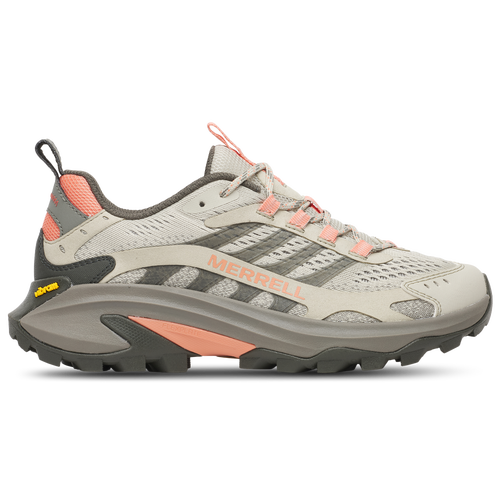
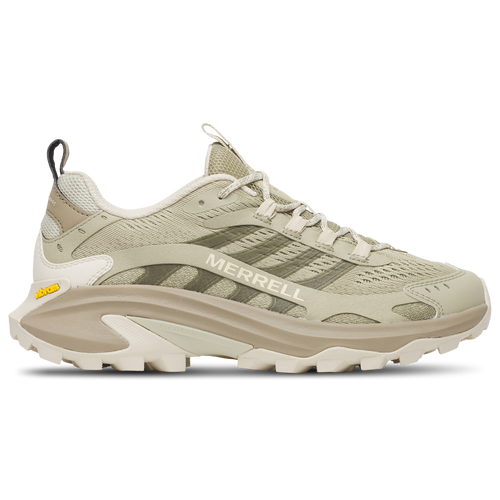
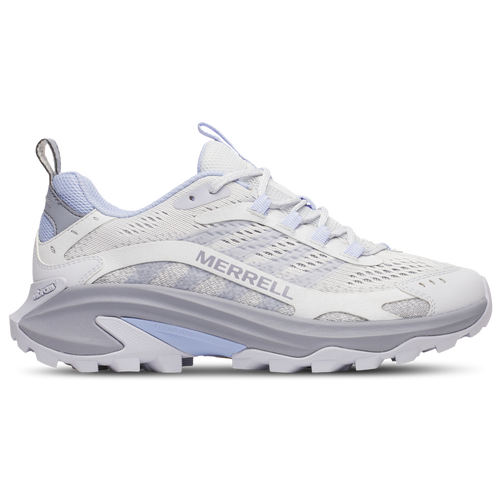
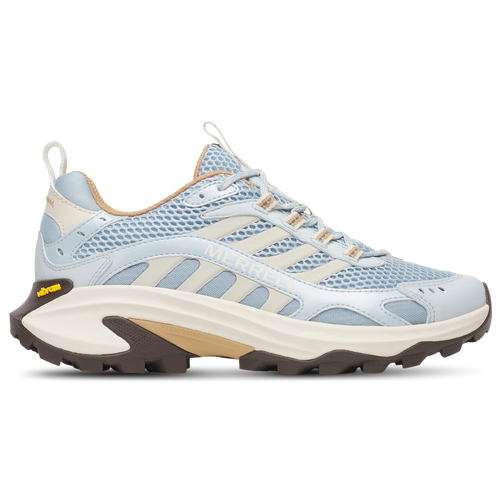
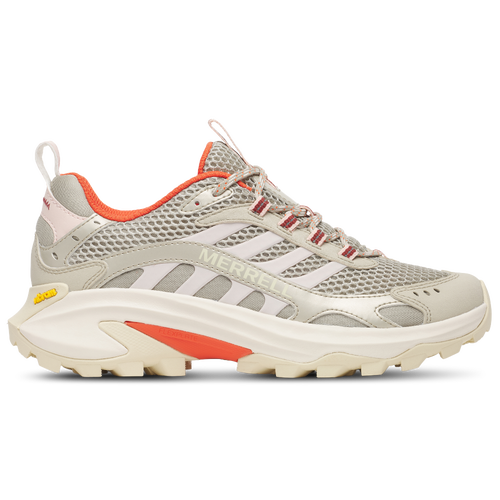
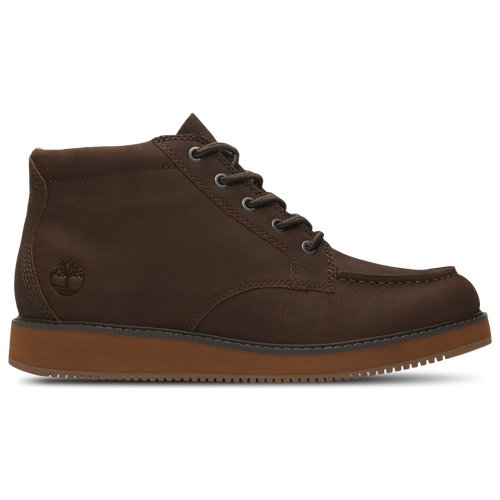
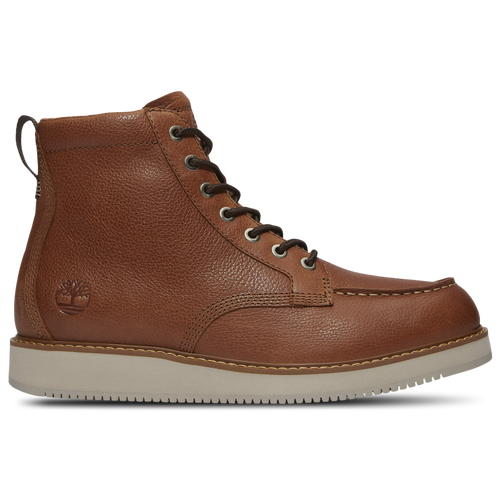
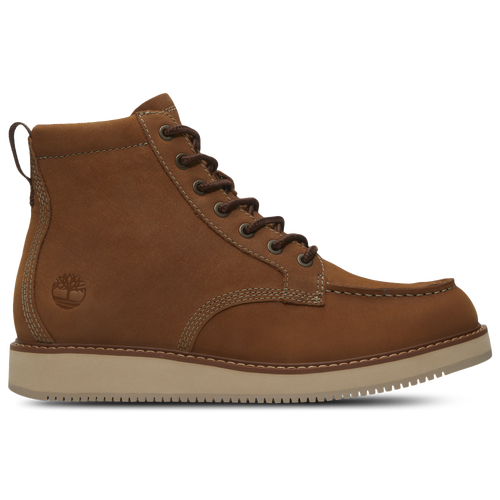
Explore the great outdoors with confidence in our selection of outdoor footwear for hiking. Designed for durability and comfort, these shoes provide excellent traction and support on various terrains. Whether you're tackling rugged trails or enjoying a leisurely walk, our footwear ensures your feet stay protected and comfortable throughout your adventure.
Featuring waterproof materials and breathable designs, our hiking footwear is perfect for all weather conditions. With cushioned insoles and sturdy outsoles, you can enjoy long hikes without discomfort. Elevate your outdoor experience with reliable footwear that combines functionality and style, making every hike a memorable one.