
Snow Hiking Shoes
Showing 2 results
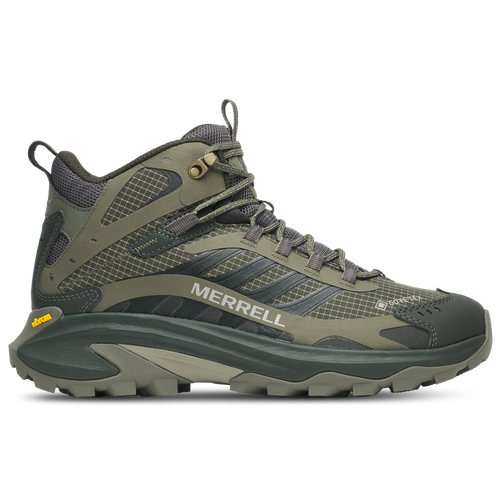
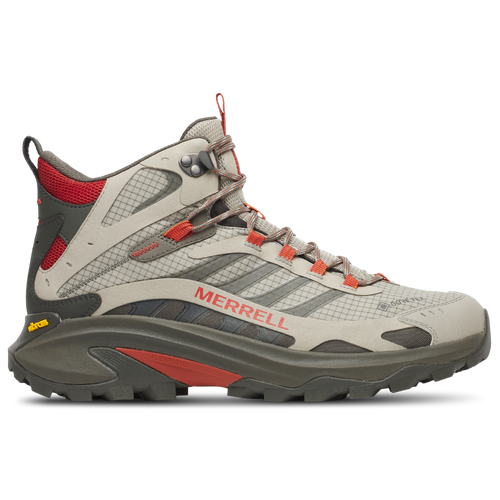
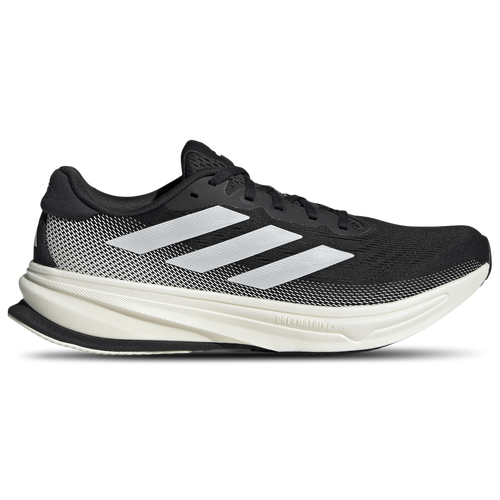
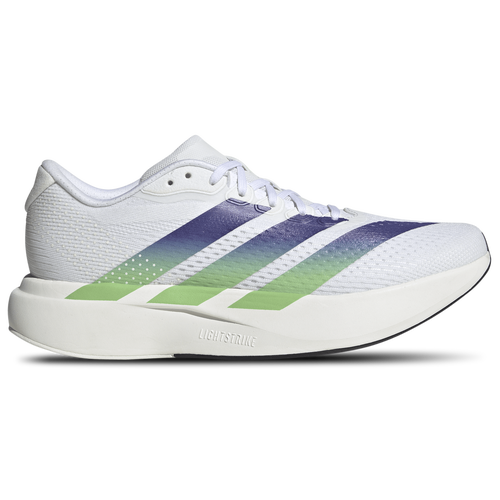
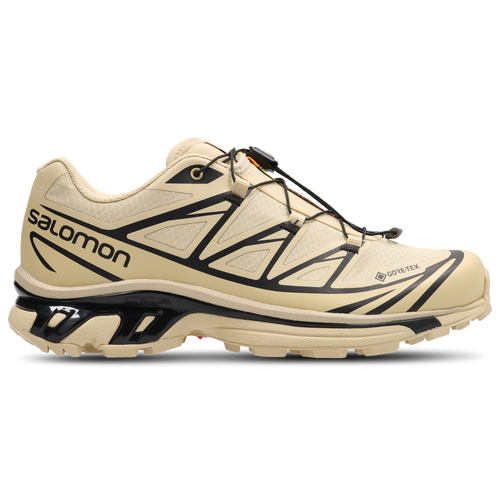
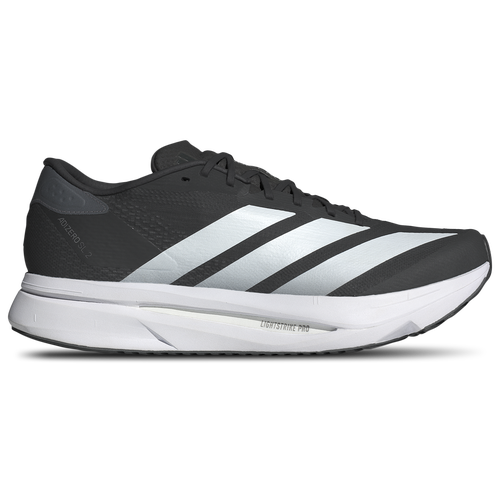
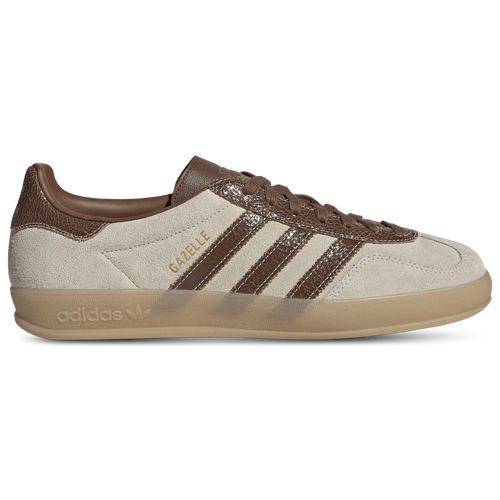
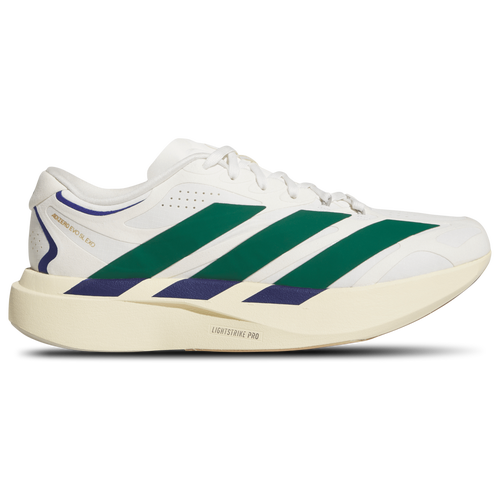
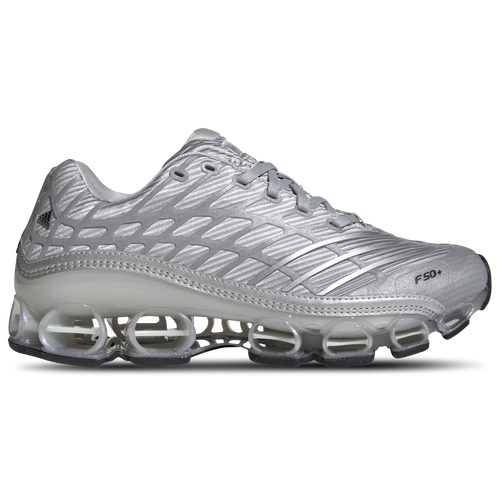
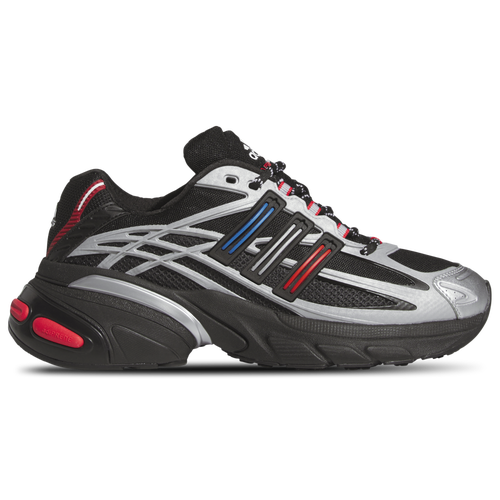
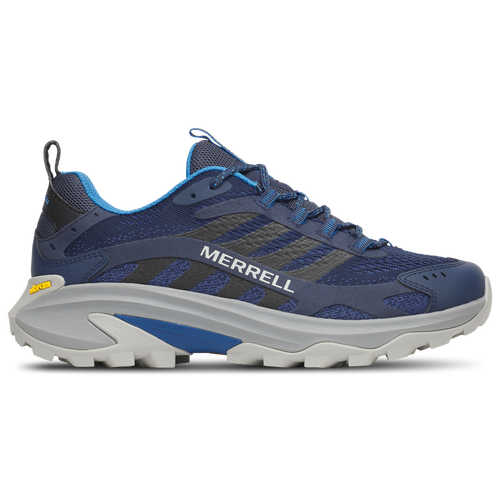
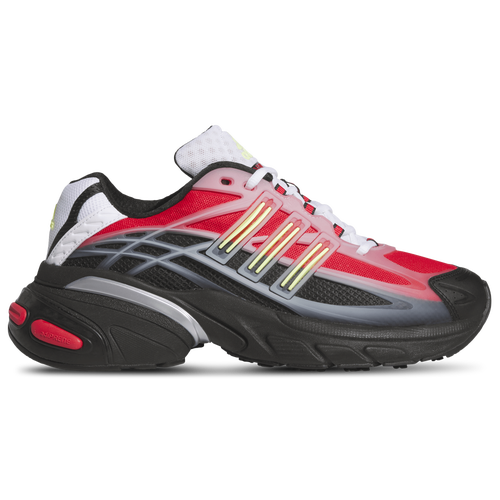
Our Snow Hiking Shoes sold out quickly! Explore similar styles now!
Search Results
You May Also Like
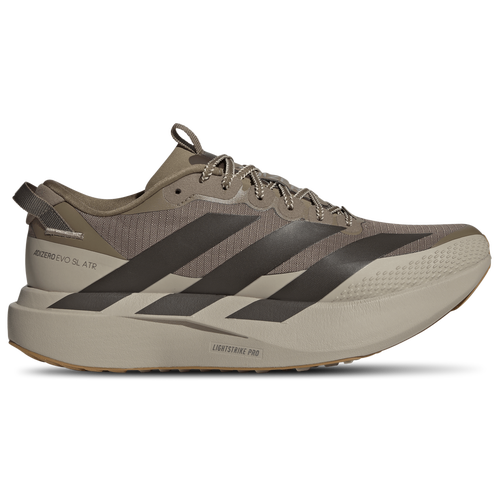
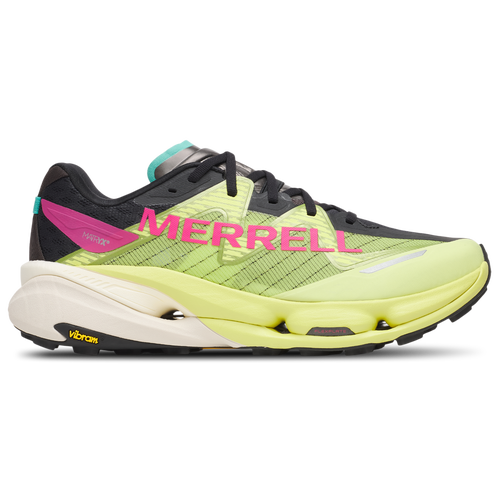
On this page...
- What features should I look for in snow hiking shoes?
- Are snow hiking shoes suitable for extreme cold conditions?
- How do I choose the right size for snow hiking shoes?
- Can I use snow hiking shoes for regular hiking in warmer weather?
- Are snow hiking shoes heavy or lightweight?
- What materials are commonly used in snow hiking shoes?
- How do I care for my snow hiking shoes?
- Are there specific snow hiking shoes for women?
- What is the difference between snow hiking shoes and winter boots?
- How do I know if my snow hiking shoes are waterproof?
- Can snow hiking shoes be used for snowshoeing?
- When is the best time to buy snow hiking shoes?
- How can I improve traction when using snow hiking shoes?
Frequently Asked Questions For Snow Hiking Shoes
When selecting snow hiking shoes, look for features such as waterproof materials, insulated linings for warmth, and a rugged outsole for enhanced traction on slippery surfaces. Additionally, consider shoes with a higher ankle support to provide stability on uneven terrain.
Yes, many snow hiking shoes are designed specifically for extreme cold conditions, featuring insulation and waterproofing to keep your feet warm and dry. It’s important to check the temperature rating of the shoes to ensure they meet your needs for specific weather conditions.
To choose the right size for snow hiking shoes, it’s advisable to measure your feet while wearing the socks you plan to use during hikes. Ensure there is enough room in the toe box for movement and that the shoes fit snugly around the heel to prevent blisters.
While snow hiking shoes are primarily designed for cold and snowy conditions, they can be used for regular hiking in cooler weather. However, they may be less breathable than standard hiking shoes, which could lead to discomfort in warmer temperatures.
The weight of snow hiking shoes can vary based on the materials used and the level of insulation. Generally, many models are designed to be lightweight while still providing adequate support and protection, making them suitable for extended hikes.
Snow hiking shoes are typically made from waterproof synthetic materials, leather, or a combination of both for durability. Insulation materials like Thinsulate or fleece are often used to retain heat, while rubber outsoles provide traction on snow and ice.
To care for your snow hiking shoes, clean them regularly by removing dirt and debris with a soft brush. Allow them to air dry away from direct heat sources, and apply a waterproofing spray or treatment periodically to maintain their water resistance.
Yes, there are snow hiking shoes specifically designed for women, featuring tailored fits that accommodate different foot shapes and sizes. These models often include similar features such as insulation and waterproofing, ensuring comfort and performance.
Snow hiking shoes are typically lighter and more flexible than winter boots, designed for hiking on snow-covered trails. Winter boots, on the other hand, often provide more insulation and are bulkier, making them better suited for extreme cold and deep snow.
To determine if your snow hiking shoes are waterproof, check the product specifications for features like waterproof membranes or treatments. Additionally, reputable brands often advertise their waterproof capabilities, ensuring your feet stay dry in snowy conditions.
Yes, many snow hiking shoes can be used for snowshoeing, provided they have a compatible fit and sufficient traction. It’s important to ensure that the shoes are comfortable and secure enough to accommodate the additional bulk of snowshoes.
The best time to buy snow hiking shoes is typically during the off-season, such as late spring or summer, when retailers may offer discounts. However, it’s also wise to shop early in the winter season to ensure you have the right footwear before snow conditions arise.
To improve traction while using snow hiking shoes, consider using traction devices or crampons that can be attached to the shoes. Additionally, choosing shoes with a well-designed outsole featuring deep lugs can enhance grip on icy or snowy surfaces.
About Snow Hiking Shoes
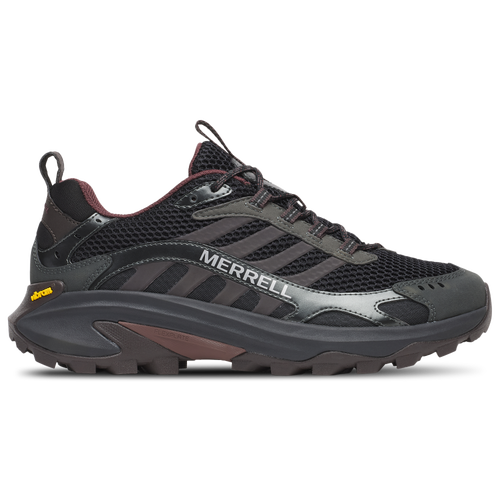
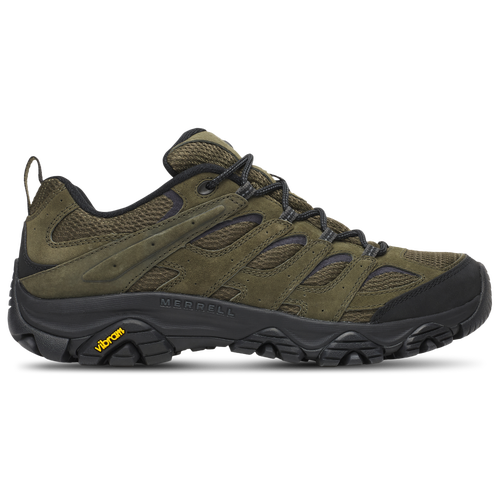
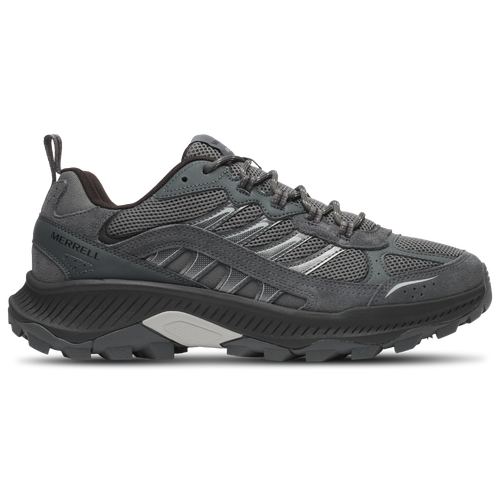
Explore the great outdoors with confidence in our collection of snow hiking shoes, designed to provide superior traction and warmth. These shoes feature waterproof materials and insulated linings, ensuring your feet stay dry and cozy during winter adventures. With rugged outsoles for enhanced grip, you can tackle slippery trails and snowy terrains with ease.
Our snow hiking shoes combine comfort and durability, making them perfect for long hikes or casual strolls in the snow. Lightweight yet sturdy, they offer excellent support and cushioning for all-day wear. Embrace the winter season and elevate your outdoor experience with footwear that keeps you protected and stylish on every snowy journey.