
Winter Hiking Footwear
Showing 2 results
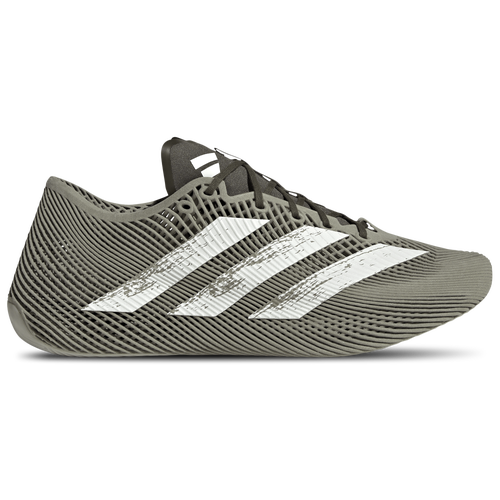
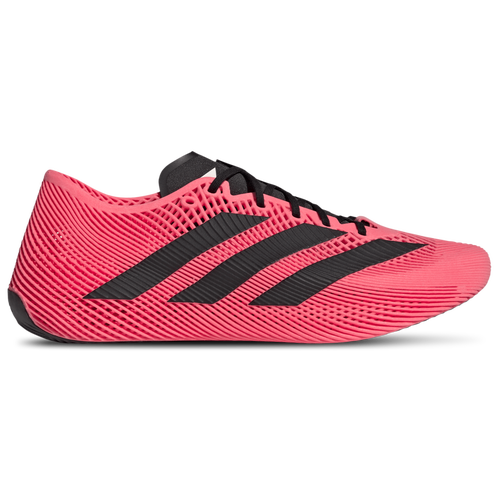
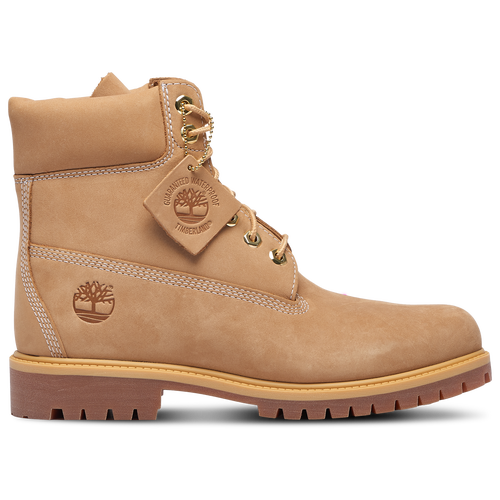
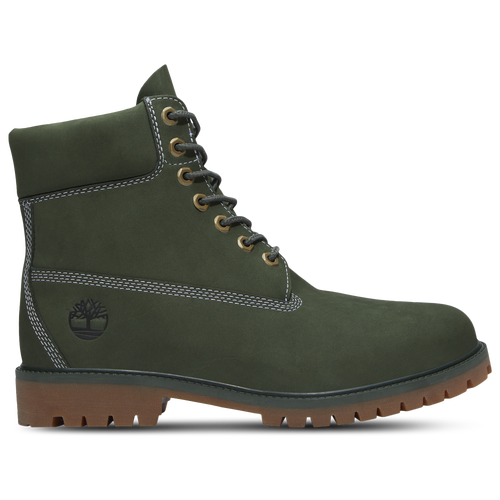
Our Winter Hiking Footwear sold out quickly! Explore similar styles now!
Search Results
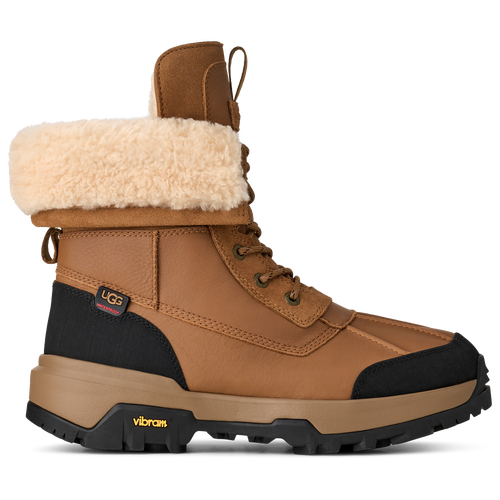
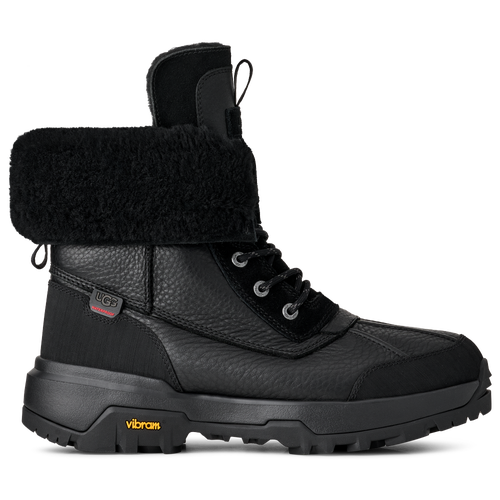
You May Also Like
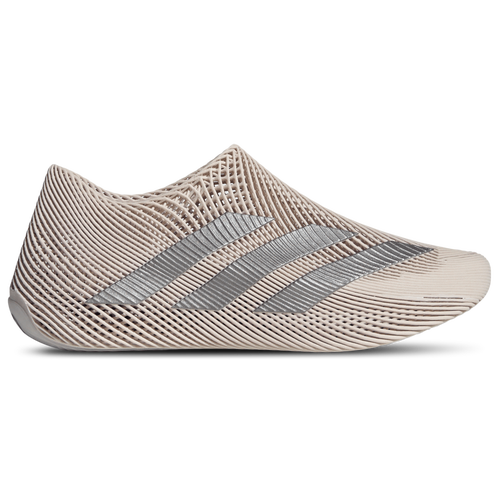
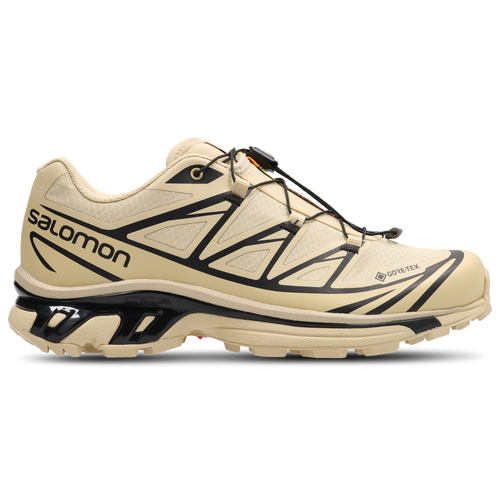

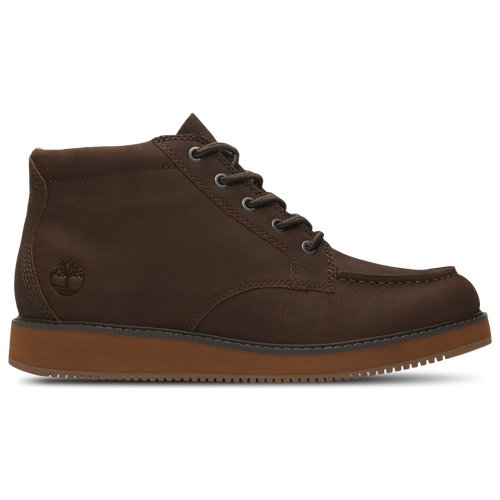
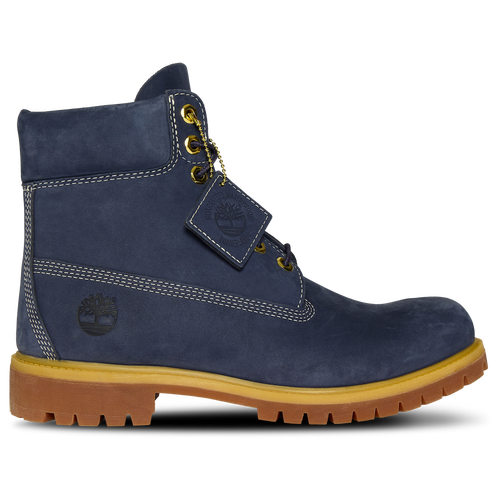
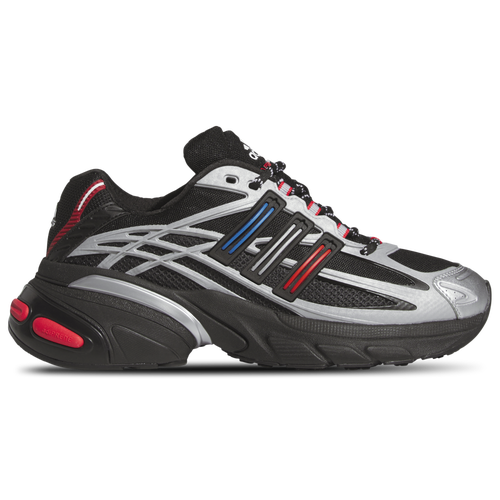
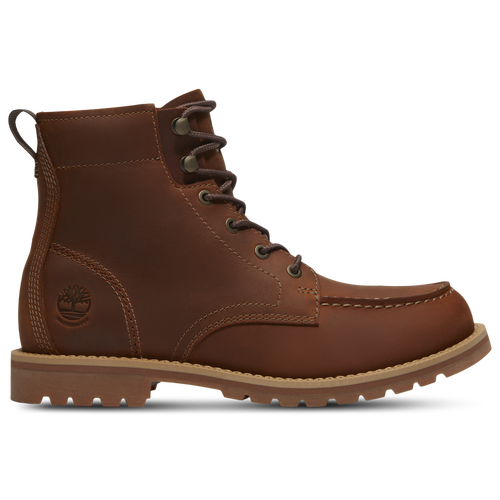
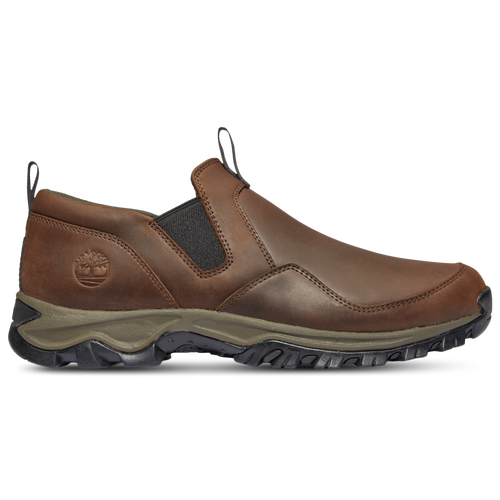
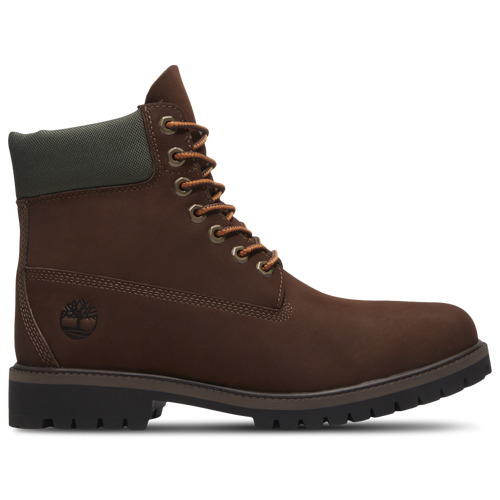
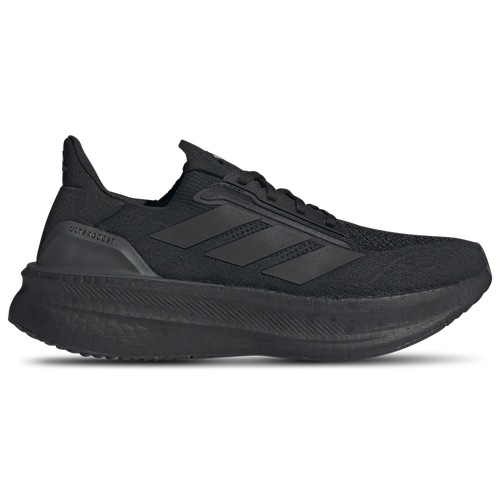
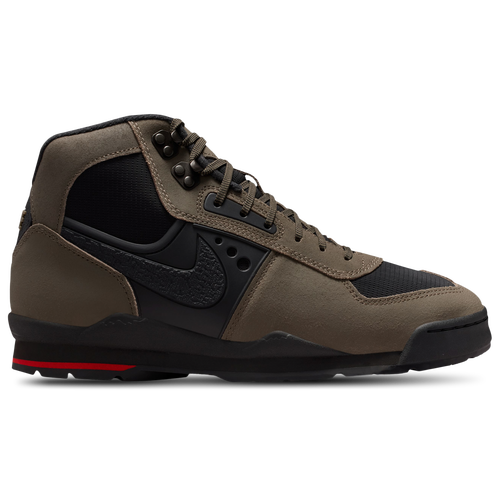
On this page...
- What features should I look for in winter hiking footwear?
- Are winter hiking boots typically heavier than regular hiking boots?
- How do I choose the right size for winter hiking footwear?
- Are winter hiking boots breathable?
- Can I use winter hiking footwear for other outdoor activities?
- What type of insulation is best for winter hiking footwear?
- How do I care for my winter hiking footwear?
- Are there specific sole types that are better for winter hiking?
- When is the best time to buy winter hiking footwear?
- How do I break in my winter hiking boots?
- Are winter hiking boots waterproof?
- What is the difference between insulated and non-insulated winter hiking footwear?
- Can I wear winter hiking footwear in wet conditions?
- How do I know if my winter hiking footwear is suitable for snow?
Frequently Asked Questions For Winter Hiking Footwear
When selecting winter hiking footwear, look for features such as waterproof materials to keep your feet dry, insulation for warmth, and a sturdy outsole for traction on slippery surfaces. Additionally, consider options with a high ankle for added support and protection against snow and debris.
Yes, winter hiking boots are generally heavier than regular hiking boots due to added insulation and waterproof materials. This extra weight helps provide warmth and protection in cold and snowy conditions, making them suitable for winter adventures.
To choose the right size for winter hiking footwear, it is recommended to try them on with the socks you plan to wear during hikes. Ensure there is enough room to wiggle your toes and that the boots fit snugly around the heel to prevent blisters while still allowing for some movement.
Many winter hiking boots are designed with breathable materials to help manage moisture and temperature inside the boot. Look for options with moisture-wicking linings that allow sweat to escape while still providing insulation and waterproofing.
Yes, winter hiking footwear can be suitable for other outdoor activities such as snowshoeing or winter trekking. Their design typically offers the necessary support and traction for various winter conditions, making them versatile for different outdoor adventures.
The best type of insulation for winter hiking footwear often includes materials like synthetic insulation or Thinsulate, which provide warmth without adding excessive bulk. These materials are effective at retaining heat while also being lightweight and moisture-resistant.
To care for your winter hiking footwear, clean them regularly by removing dirt and debris with a soft brush or cloth. Allow them to air dry away from direct heat sources, and apply a waterproofing treatment periodically to maintain their water resistance and prolong their lifespan.
Yes, winter hiking footwear typically features soles made from rubber compounds designed for superior grip on icy and snowy surfaces. Look for boots with deep lugs and a tread pattern that enhances traction, providing stability on slippery terrain.
The best time to buy winter hiking footwear is typically in the fall, as retailers often stock new styles and offer promotions ahead of the winter season. Shopping early ensures you have a wider selection and the opportunity to find the right fit before winter adventures begin.
To break in your winter hiking boots, wear them around the house or during short walks to allow the materials to conform to your feet. Gradually increase the duration and intensity of wear to ensure comfort and prevent blisters during longer hikes.
Many winter hiking boots are designed to be waterproof, utilizing materials such as Gore-Tex or other waterproof membranes. This feature helps keep your feet dry in wet conditions, ensuring comfort during snowy or slushy hikes.
Insulated winter hiking footwear is designed with added materials to retain heat, making them suitable for extremely cold conditions. Non-insulated options are typically lighter and more breathable, ideal for milder winter weather or active pursuits where warmth is less of a concern.
Yes, winter hiking footwear is designed to handle wet conditions, especially if they feature waterproof materials. However, it is essential to ensure that the boots are properly maintained and treated to preserve their waterproof capabilities for optimal performance.
To determine if your winter hiking footwear is suitable for snow, check for features such as waterproofing, insulation, and a rugged outsole with good traction. Additionally, boots with a higher shaft can provide extra protection against snow entering the footwear.
About Winter Hiking Footwear
Prepare for your winter adventures with our collection of winter hiking footwear, designed to keep your feet warm, dry, and comfortable. Featuring waterproof materials and insulated linings, these boots provide the ultimate protection against the elements. With rugged outsoles for superior traction, you can confidently tackle icy trails and snowy terrains.
Our selection combines functionality with style, ensuring you look great while exploring the great outdoors. Lightweight yet durable, these boots offer the support you need for long hikes, making them perfect for any winter excursion. Embrace the season and elevate your hiking experience with reliable winter footwear that meets all your outdoor needs.