
Stability Shoes
Showing 6 results
Our Stability Shoes sold out quickly! Explore similar styles now!
Search Results
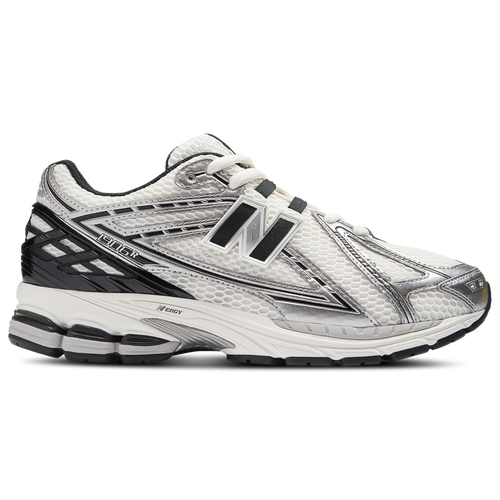
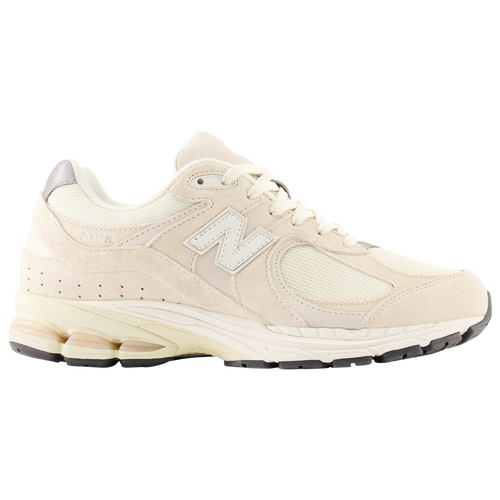
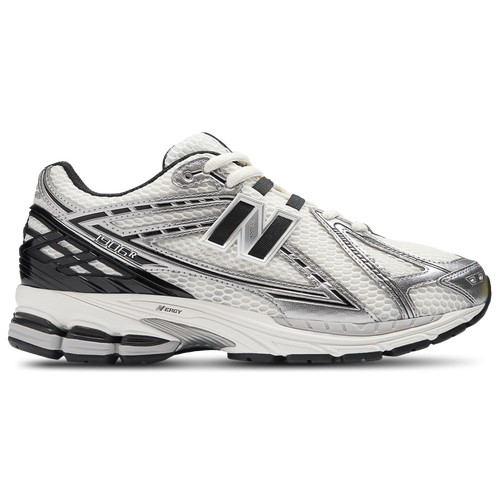
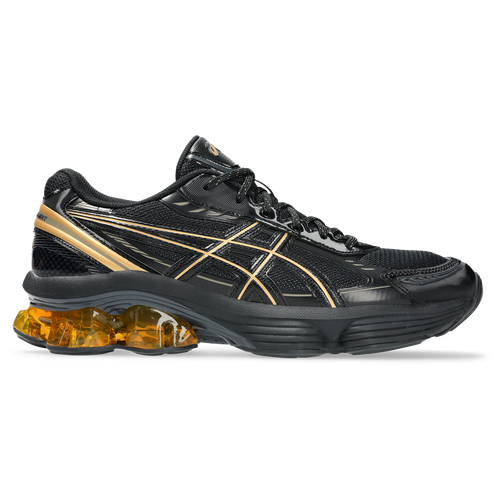
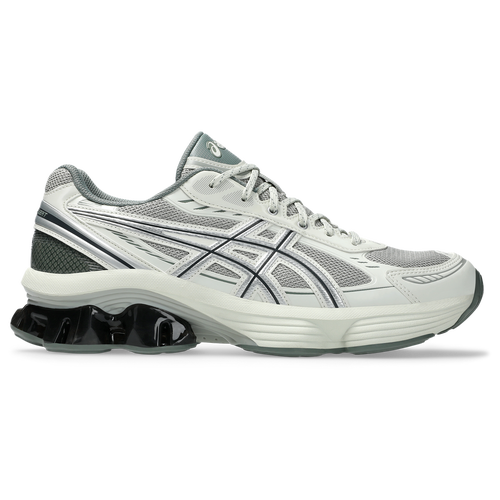
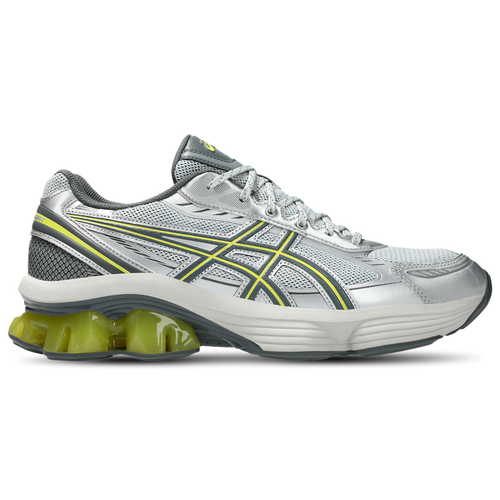
You May Also Like
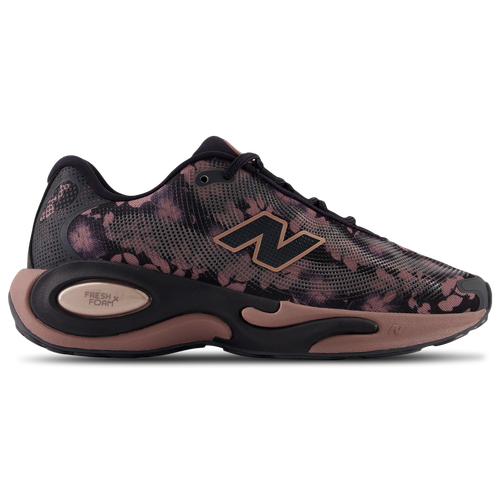

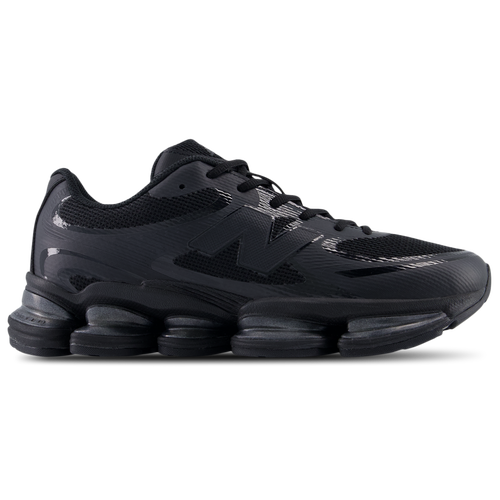


On this page...
- What features should I look for in stability shoes?
- How do stability shoes differ from neutral shoes?
- What types of activities are stability shoes best suited for?
- How do I determine the right size for stability shoes?
- What materials are commonly used in stability shoes?
- Are stability shoes suitable for runners with flat feet?
- How do stability shoes provide support during workouts?
- What are the benefits of wearing stability shoes for everyday use?
- How can I tell if I need stability shoes for my foot type?
- What is the expected lifespan of stability shoes?
Frequently Asked Questions For Stability Shoes
When selecting stability shoes, consider features that enhance support and comfort. Look for a firm midsole that helps control excessive motion and provides a stable base during activities. Additionally, a structured upper can offer added support, while cushioning technologies can enhance comfort for prolonged wear. Finally, a durable outsole with good traction is essential for stability and grip on various surfaces.
Stability shoes are designed to provide support and control for runners who overpronate, helping to stabilize the foot during movement. They typically feature firmer materials on the inner side of the shoe to counteract excessive inward rolling. In contrast, neutral shoes offer a more balanced cushioning without added support, making them suitable for runners with a neutral gait or those who underpronate. The choice between the two often depends on an individual's running style and foot mechanics.
Stability shoes are designed to provide support and cushioning, making them ideal for various activities, particularly running and walking. They help maintain proper foot alignment, which can enhance comfort during longer sessions. Many people also find them suitable for gym workouts and cross-training, where stability and support are essential. Overall, these shoes cater to individuals seeking a balance of comfort and performance in their athletic pursuits.
To determine the right size for stability shoes, it's important to measure your feet accurately. Start by measuring both feet while standing, as one foot may be slightly larger than the other. Consider the width and length, and refer to the sizing chart provided by the brand for guidance. Additionally, trying on shoes at the end of the day when your feet are most swollen can help ensure a comfortable fit.
Stability shoes typically incorporate a combination of materials designed to provide support and comfort. Common materials include breathable mesh for the upper, which enhances ventilation, and durable synthetic overlays that offer structure. The midsole often features foam or gel cushioning for shock absorption, while rubber outsoles provide traction and durability. These materials work together to create a supportive environment for the foot during various activities.
Stability shoes are designed to provide support and help control overpronation, making them a suitable option for many runners with flat feet. These shoes typically feature added cushioning and structured support to enhance comfort during runs. While they can benefit those with flat feet, it's important for individuals to consider their specific foot mechanics and running style when selecting footwear. Trying on different styles and consulting with a professional can help ensure the right fit and support.
Stability shoes are designed to offer support by incorporating features that help control excessive foot motion during workouts. They typically include a firmer midsole and structured heel counter, which work together to stabilize the foot and promote a more balanced stride. This support can enhance comfort and performance, making them suitable for various athletic activities. Many users find that stability shoes help maintain proper alignment, which can contribute to a more efficient workout experience.
Stability shoes are designed to provide support and structure, making them suitable for everyday wear, especially for those who may need extra support during activities. They often feature cushioning that helps absorb impact, which can enhance comfort throughout the day. Additionally, the design of stability shoes can promote proper alignment and reduce the risk of discomfort during prolonged use. Many people find that these shoes help maintain a balanced stride, making them a practical choice for daily activities.
To determine if you need stability shoes, consider your foot type and gait. If you have flat feet or overpronate, stability shoes can provide the support you need. Observing wear patterns on your current footwear can also offer insights; excessive wear on the inner side may indicate a need for additional stability. Consulting with a footwear specialist or undergoing a gait analysis can further help in making an informed decision.
The expected lifespan of stability shoes typically ranges from 300 to 500 miles of use, depending on factors such as the shoe's construction, materials, and the wearer's running style. Many runners find that they need to replace their stability shoes when they notice a decrease in support or cushioning. Regularly inspecting the shoes for signs of wear can help determine when it's time for a replacement. It's important to consider individual usage patterns, as these can affect the longevity of the footwear.
About Stability Shoes
Stability shoes are designed for runners seeking support and comfort during their workouts. Featuring advanced cushioning and structured support, these shoes help reduce the risk of injury by promoting proper alignment and stability. Ideal for overpronators, they provide the perfect blend of flexibility and firmness, ensuring a smooth ride on any terrain.
With breathable materials and lightweight designs, stability shoes offer a comfortable fit that adapts to your foot's natural movement. Whether you're training for a marathon or enjoying a casual jog, these shoes deliver the performance you need to stay on track. Elevate your running experience with footwear that prioritizes both comfort and support.