
Football Cleats for Traction
Showing 3 results
Our Football Cleats for Traction sold out quickly! Explore similar styles now!
Search Results
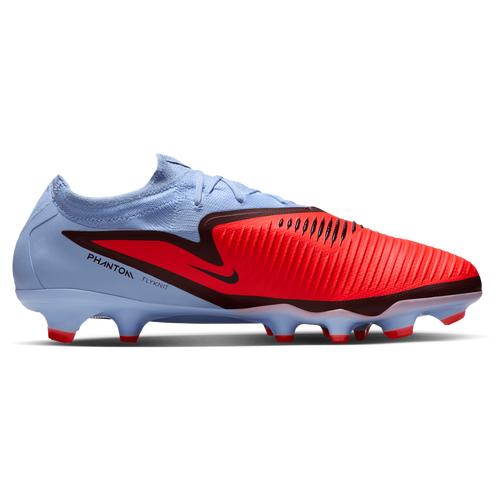
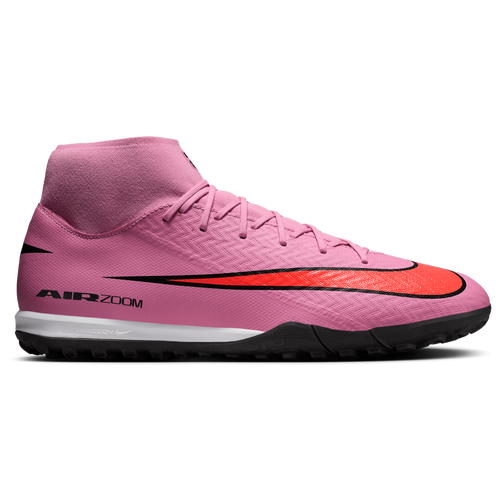
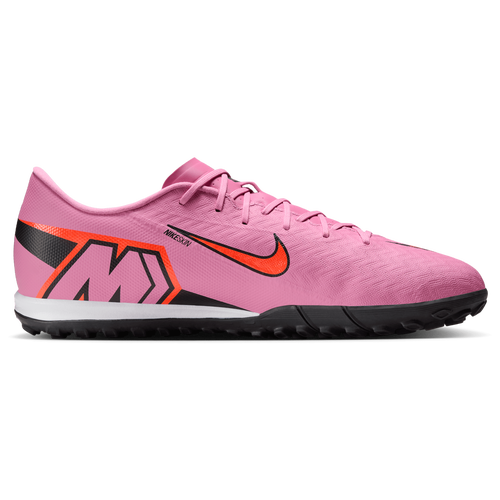
You May Also Like
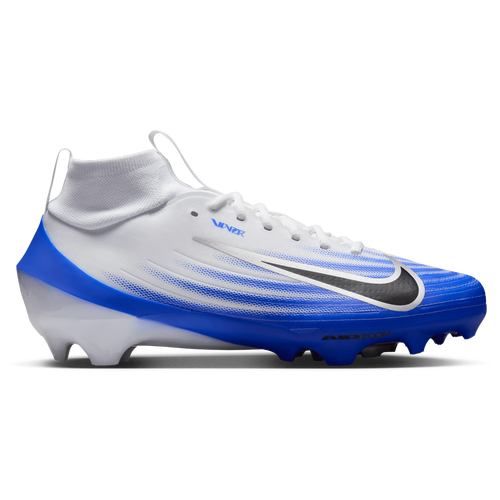
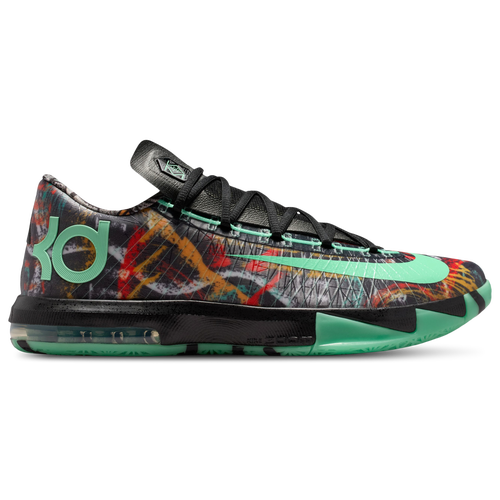
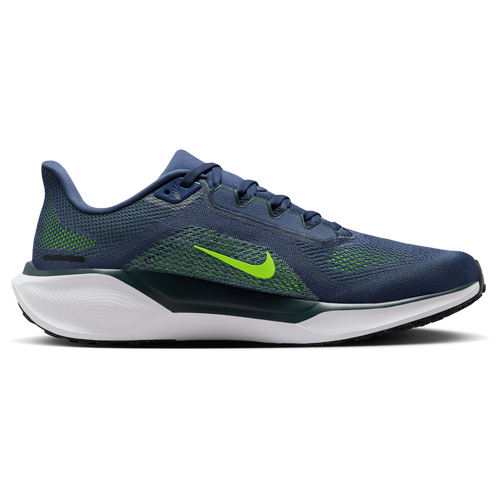
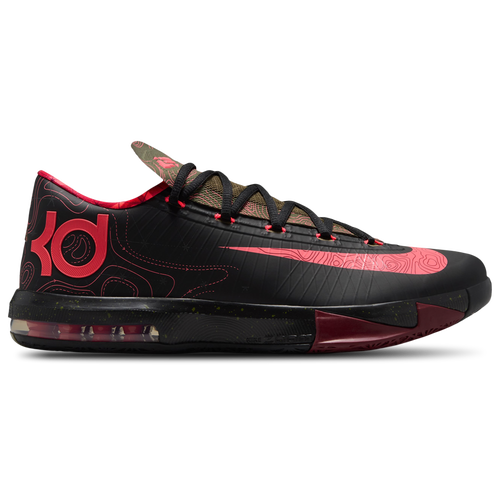
On this page...
- What features should I look for in football cleats for traction?
- Are molded or detachable studs better for traction in football cleats?
- How do I determine the right stud pattern for my football cleats?
- Are football cleats for traction suitable for all weather conditions?
- How do I maintain the traction of my football cleats?
- What materials are commonly used in football cleats for traction?
- How important is the fit of football cleats for traction?
- Can I use football cleats for traction on turf surfaces?
- What is the difference between low-top and high-top football cleats regarding traction?
- When should I replace my football cleats for optimal traction?
- How do football cleats for traction affect my performance on the field?
- Are there specific football cleats for different playing positions focused on traction?
Frequently Asked Questions For Football Cleats for Traction
When selecting football cleats for traction, look for features such as a studded outsole design that provides grip on various surfaces. Additionally, consider cleat length; longer studs are typically better for soft ground, while shorter studs work well on firm ground. A lightweight upper can also enhance agility and speed on the field.
Molded studs offer consistent traction and are often lighter, making them suitable for various field conditions. Detachable studs provide versatility, allowing you to customize the length and type of studs based on the playing surface. Both options can deliver excellent traction when chosen appropriately for the field type.
The right stud pattern for football cleats depends on the playing surface. For firm ground, a combination of conical and bladed studs can provide optimal traction. For softer surfaces, a more aggressive stud pattern with longer studs is recommended to prevent slipping and enhance grip.
While many football cleats are designed for traction in various weather conditions, it's essential to choose the right type for specific environments. Some cleats feature water-resistant materials for wet conditions, while others are optimized for dry, firm ground. Always consider the weather and field conditions when selecting your cleats.
To maintain the traction of your football cleats, regularly clean the outsole to remove dirt and debris that can affect grip. Inspect the studs for wear and replace them if they become too worn down. Proper storage away from extreme temperatures can also help preserve the integrity of the cleats.
Football cleats designed for traction are often made from synthetic materials or leather, providing durability and support. The outsole is typically made from rubber or a blend of materials that enhance grip and traction on the field. Breathable mesh is also commonly used in the upper for comfort and ventilation.
The fit of football cleats is crucial for optimal traction. A snug fit ensures that your foot remains secure during quick movements, reducing the risk of slipping. It's important to try on different sizes and styles to find the best fit that allows for both comfort and stability on the field.
Yes, football cleats can be used on turf surfaces, but it's best to choose cleats specifically designed for turf. These cleats typically feature shorter, more numerous studs that provide traction without damaging the turf. Always check the cleat type to ensure it is suitable for the playing surface.
Low-top football cleats generally offer more freedom of movement and are lighter, which can enhance speed and agility. High-top cleats provide additional ankle support, which can be beneficial for stability during quick cuts and turns. Both styles can offer excellent traction, but the choice depends on personal preference and playing style.
It's time to replace your football cleats when you notice significant wear on the studs or if the outsole shows signs of damage. If you find that your traction has decreased during play, it may also indicate that the cleats are no longer providing the grip needed for optimal performance. Regularly inspect your cleats to ensure they are in good condition.
Football cleats designed for traction significantly enhance your performance by providing better grip and stability during play. This allows for quicker acceleration, sharper cuts, and improved overall agility. The right cleats can help you maintain balance and control, which is essential for effective gameplay.
Yes, different playing positions may benefit from specific football cleats designed for traction. For example, skill position players often prefer lightweight cleats for speed, while linemen may choose cleats with more support and traction for stability. It's important to select cleats that align with your position and playing style for optimal performance.
About Football Cleats for Traction
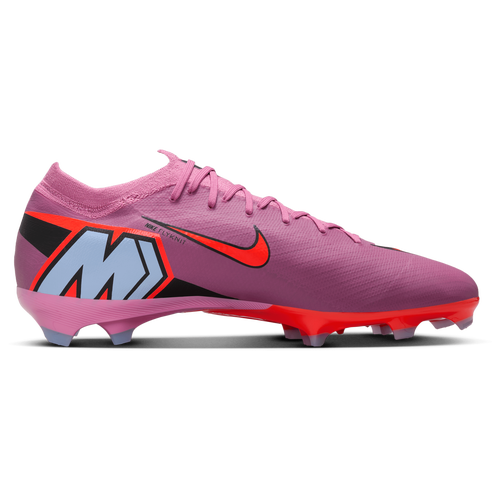
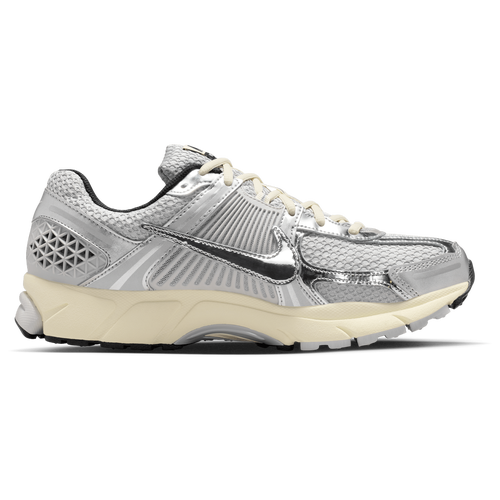
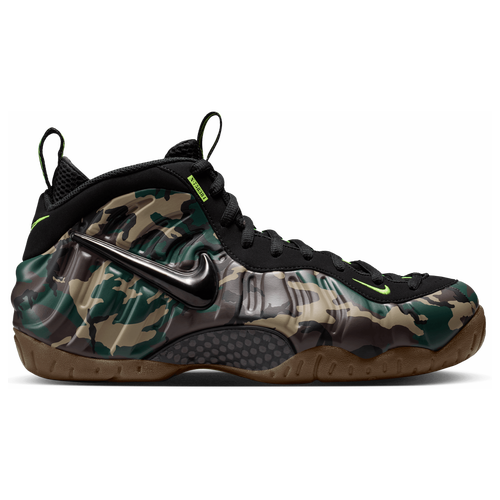
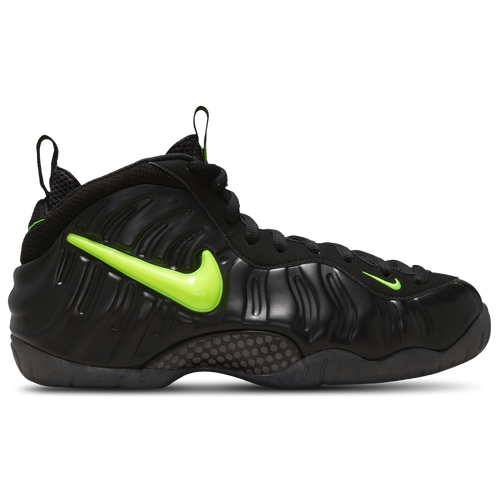
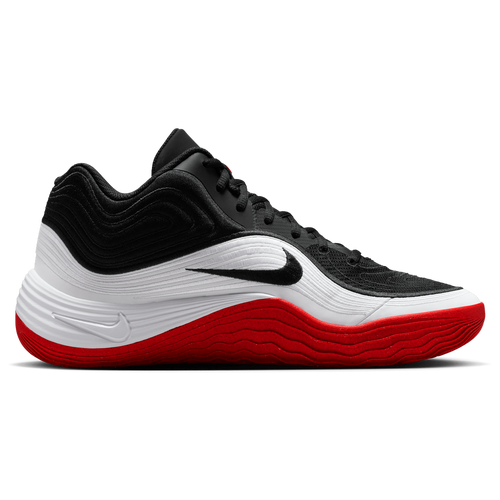
Elevate your game with our selection of football cleats designed specifically for optimal traction on the field. Engineered with advanced stud configurations, these cleats provide superior grip and stability, allowing you to make quick cuts and explosive movements with confidence. Whether you're playing on grass or artificial turf, our cleats ensure you stay grounded and agile during every play.
Comfort and performance go hand in hand with our football cleats, featuring lightweight materials and responsive cushioning for all-day wear. With a variety of styles and fits available, you can find the perfect pair that meets your needs while enhancing your performance. Step onto the field ready to dominate with cleats that support your every move.