
Training Cleats
Showing 2 results
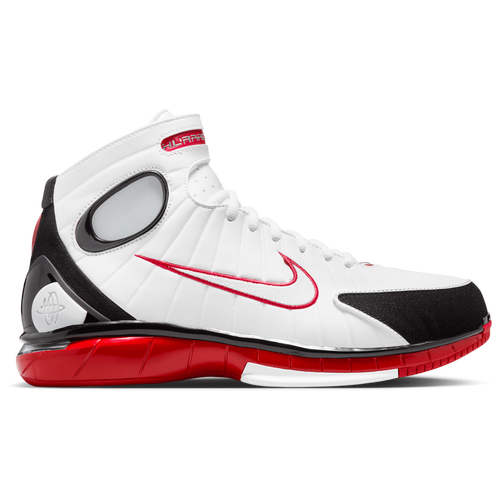
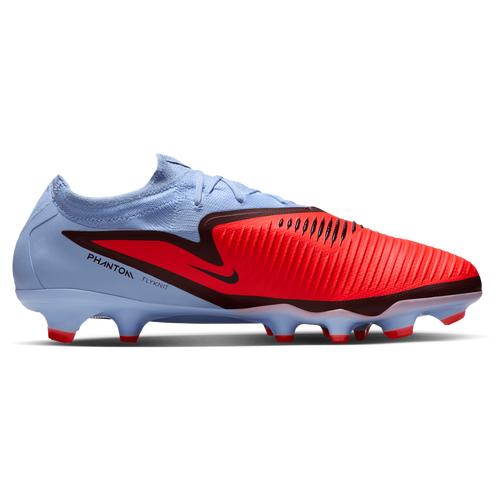
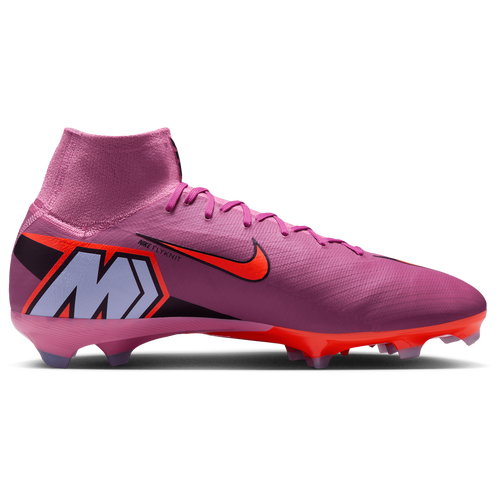
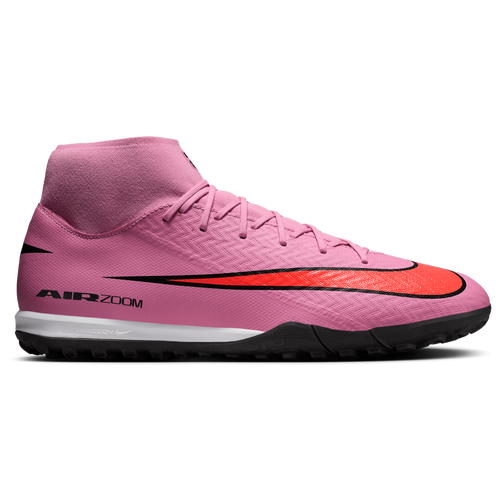
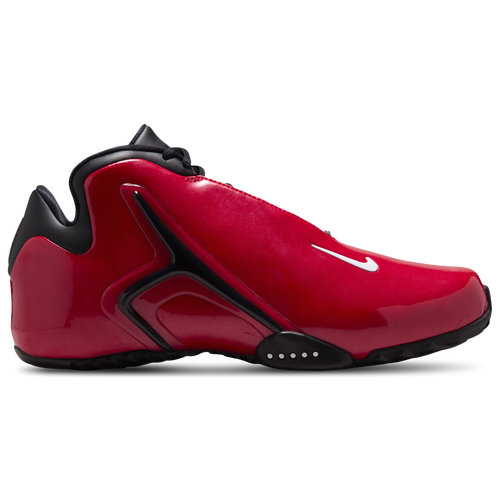
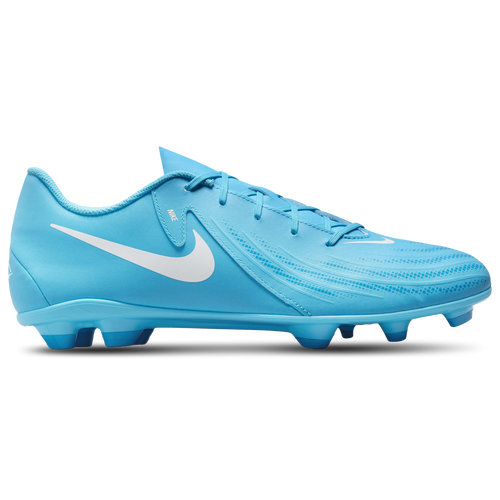
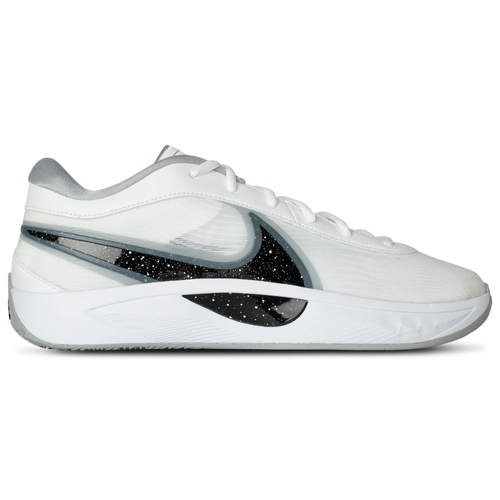
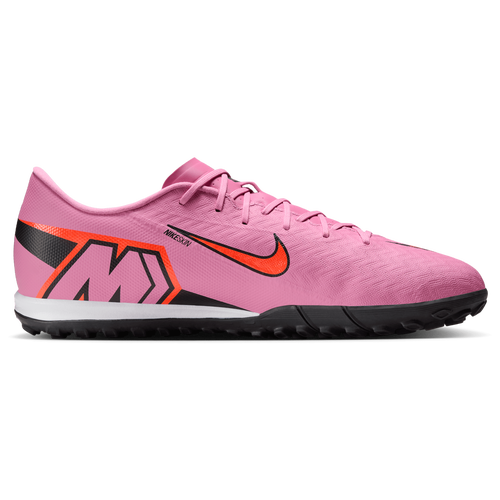
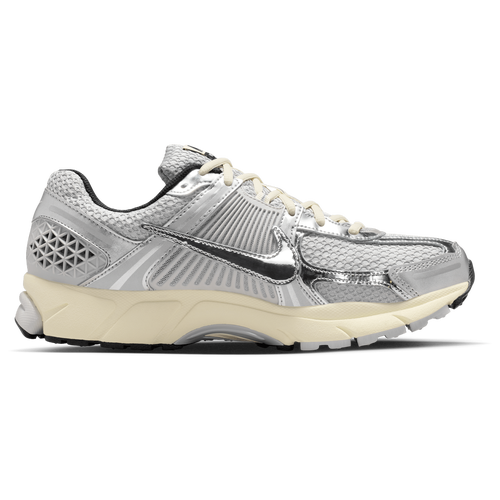
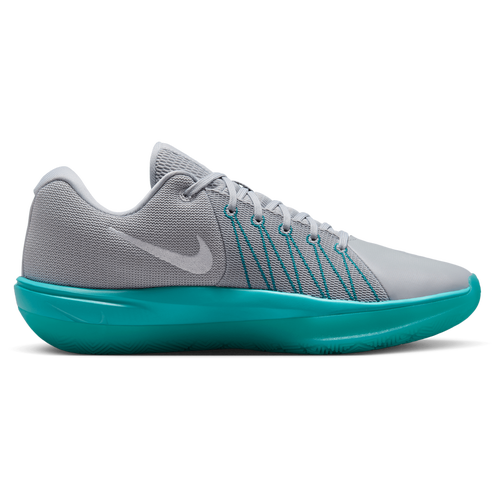
Our Training Cleats sold out quickly! Explore similar styles now!
Search Results
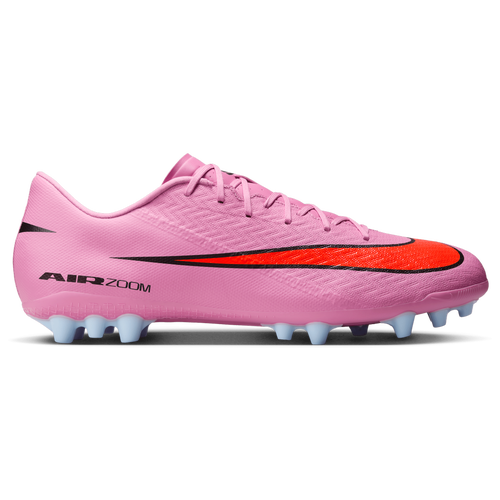
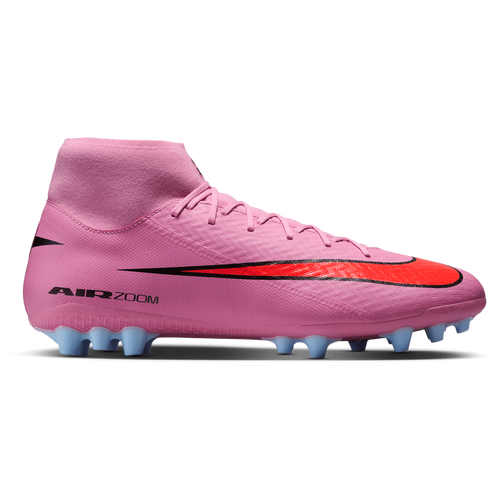
You May Also Like
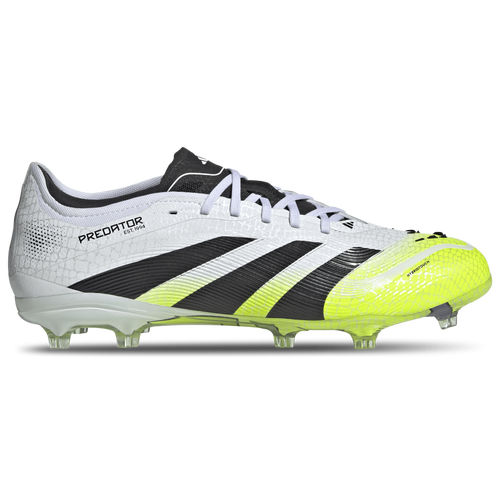
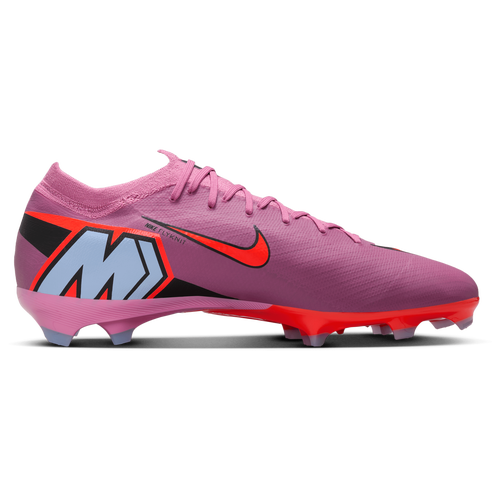
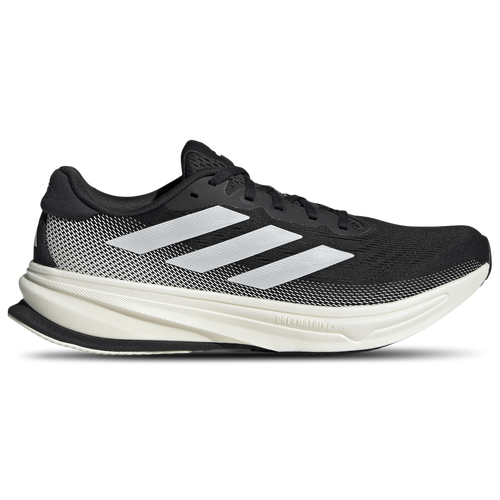
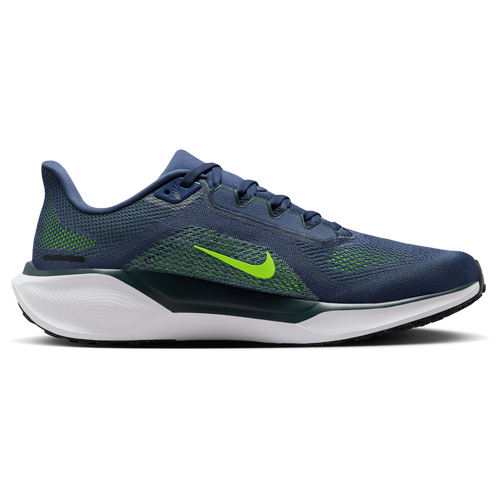
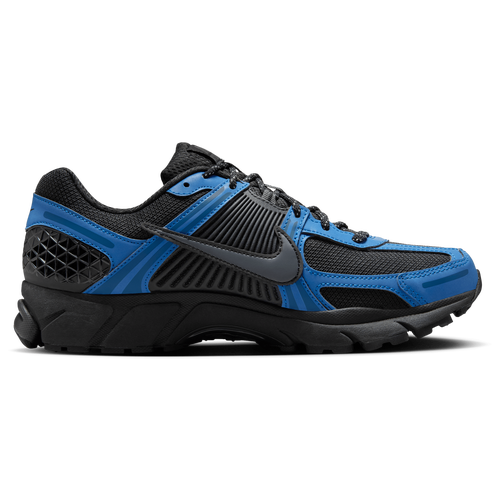
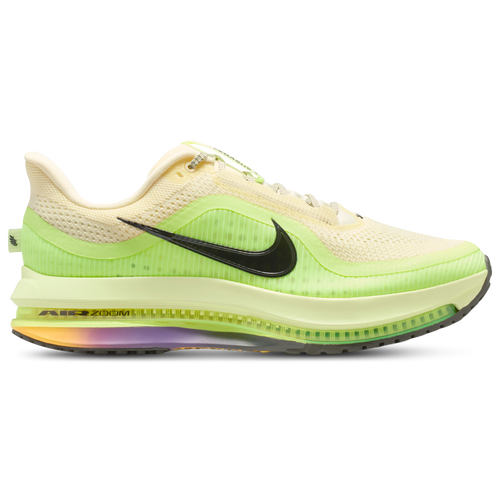
On this page...
- What are training cleats designed for?
- Are training cleats suitable for outdoor use?
- How do I choose the right size for training cleats?
- What materials are commonly used in training cleats?
- Can training cleats be used for sports?
- Are training cleats waterproof?
- What types of surfaces are training cleats best for?
- How do training cleats differ from running shoes?
- Are training cleats good for weightlifting?
- When should I replace my training cleats?
- Do training cleats have arch support?
- What is the weight of typical training cleats?
- Can I wear training cleats for casual outings?
- How do I clean my training cleats?
Frequently Asked Questions For Training Cleats
Training cleats are specifically designed to provide traction and support during various training activities, including agility drills, weightlifting, and other high-intensity workouts. They typically feature a lightweight construction and a durable outsole to enhance performance on different surfaces.
Yes, many training cleats are suitable for outdoor use, especially those designed with rugged outsoles that provide excellent grip on grass or turf. However, it's essential to check the specific features of each pair, as some may be optimized for indoor training environments.
To choose the right size for training cleats, it is recommended to measure your foot length and refer to the sizing chart provided by the retailer. It's also a good idea to try them on with the type of socks you plan to wear during training to ensure a comfortable fit.
Training cleats are often made from a combination of synthetic materials and mesh for breathability, along with rubber or TPU outsoles for durability and traction. Some models may also include cushioning materials for added comfort during workouts.
While training cleats are primarily designed for workouts and training sessions, they can be used for certain sports, especially those that require quick lateral movements. However, for optimal performance in specific sports, it's best to use sport-specific footwear.
Most training cleats are not fully waterproof, but some models may feature water-resistant materials to help keep your feet dry in light rain or wet conditions. It's advisable to check the product specifications for any water-resistant features.
Training cleats are versatile and can be used on various surfaces, including grass, turf, and gym floors. The outsole design often provides the necessary traction for different training environments, making them suitable for both indoor and outdoor workouts.
Training cleats differ from running shoes in their design and functionality. Training cleats typically offer more lateral support and traction for multi-directional movements, while running shoes are designed primarily for forward motion and cushioning during long-distance runs.
Yes, training cleats can be beneficial for weightlifting as they provide stability and support during lifts. The flat outsole and secure fit help ensure proper foot positioning, which is crucial for maintaining balance and form during heavy lifts.
It's recommended to replace your training cleats when you notice significant wear on the outsole, reduced traction, or discomfort while wearing them. Regular use can lead to a breakdown in support and cushioning, which can affect your performance and safety during workouts.
Many training cleats come with built-in arch support to enhance comfort and stability during workouts. However, the level of arch support can vary by model, so it's important to choose a pair that meets your specific foot support needs.
The weight of training cleats can vary depending on the materials used and the design. Generally, they are lightweight, ranging from 8 to 12 ounces, which allows for agility and quick movements during training sessions.
While training cleats are designed for performance, many styles feature a sleek design that can be suitable for casual outings. However, they may not provide the same level of comfort or style as dedicated lifestyle footwear.
To clean your training cleats, remove any dirt or mud with a soft brush or cloth. You can use mild soap and water to wipe down the surfaces, but avoid soaking them. Allow them to air dry away from direct sunlight to maintain their shape and materials.
About Training Cleats
Elevate your game with our premium selection of training cleats, designed for athletes who demand performance and comfort. These cleats feature lightweight materials and responsive cushioning, ensuring you stay agile and quick on your feet. With superior traction and stability, you can confidently tackle any training session, whether on the field or in the gym.
Our training cleats are engineered to support a variety of movements, providing the perfect blend of durability and flexibility. From sprinting drills to agility workouts, these shoes are built to enhance your performance while keeping you comfortable. Step up your training routine and experience the difference with our top-quality training cleats.