
Mountain Running Shoes
Showing 45 results
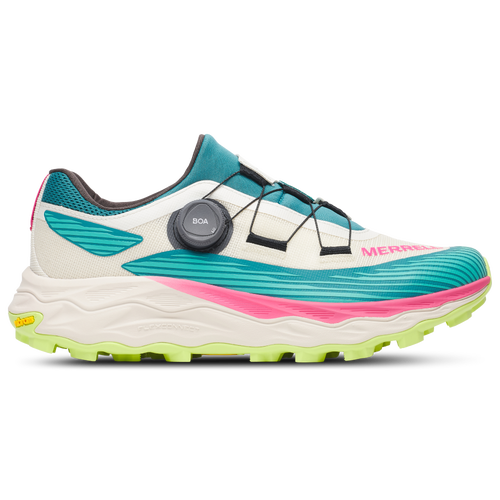
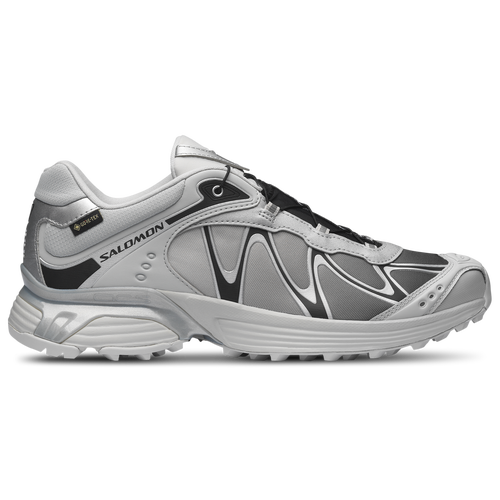
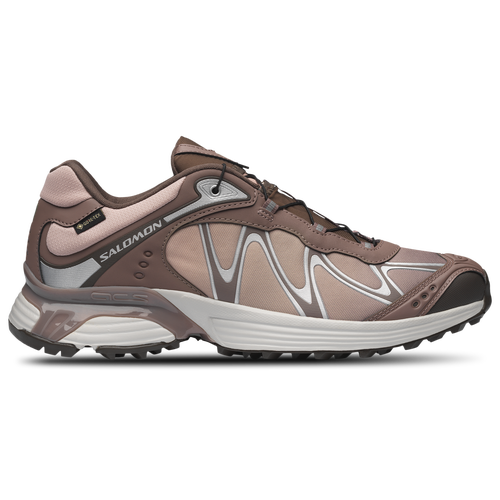
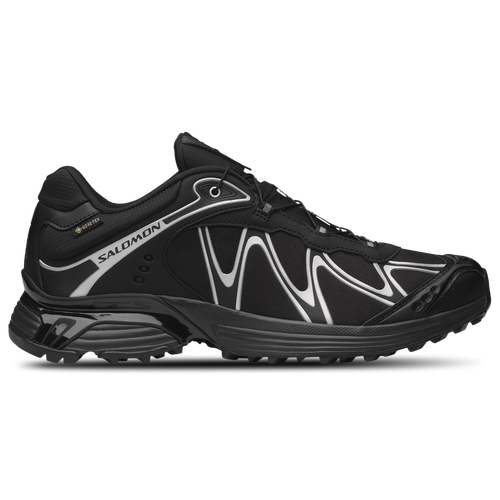
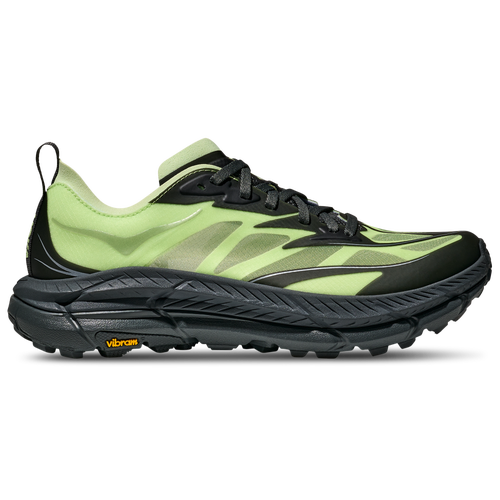
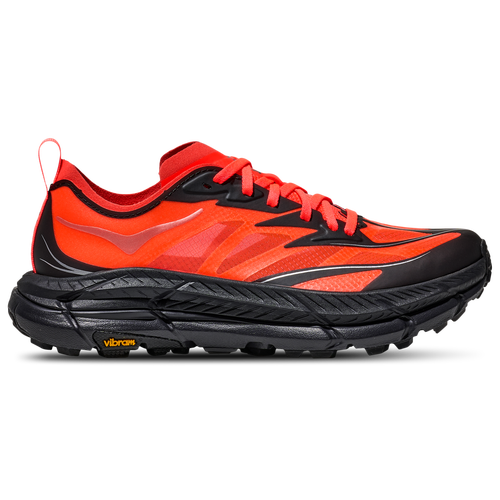
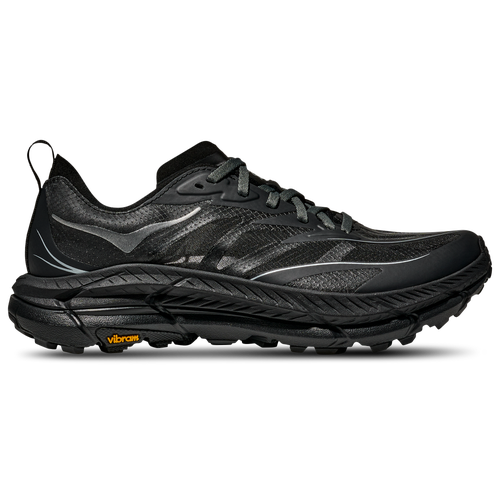
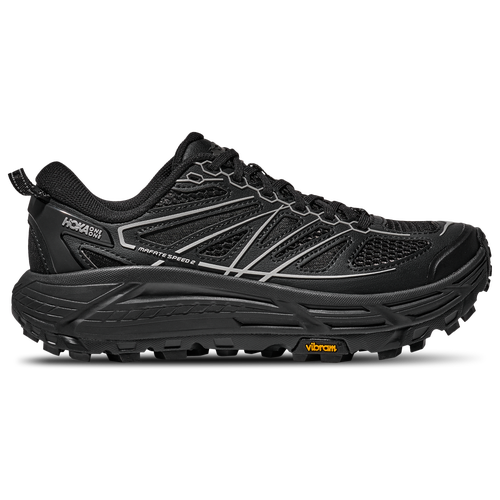
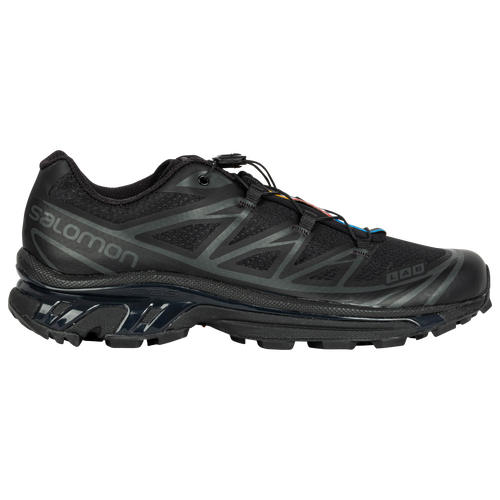
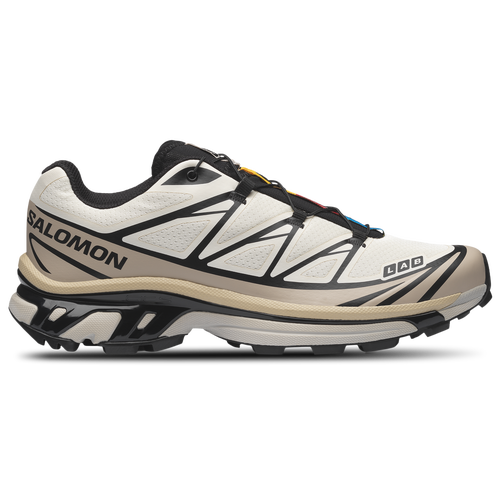
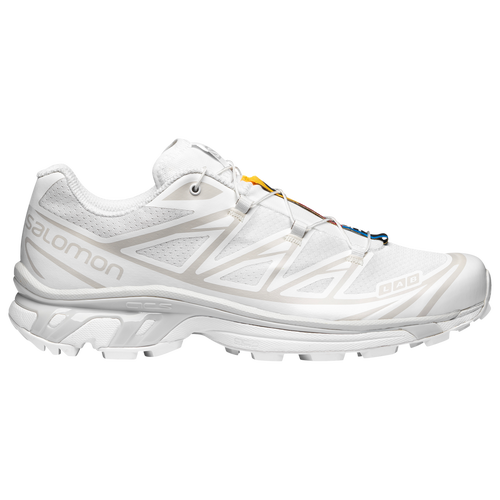
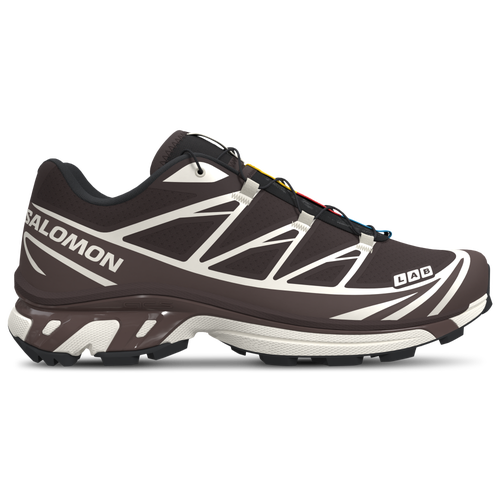
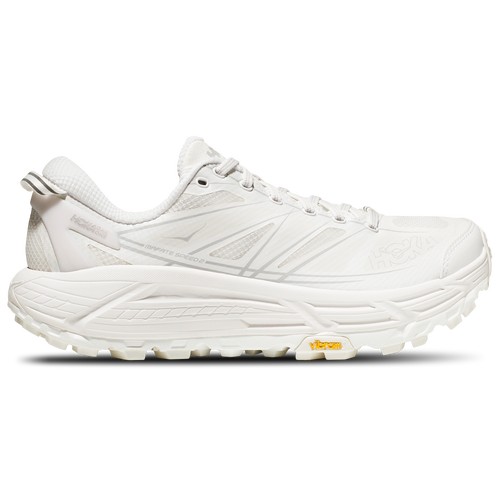
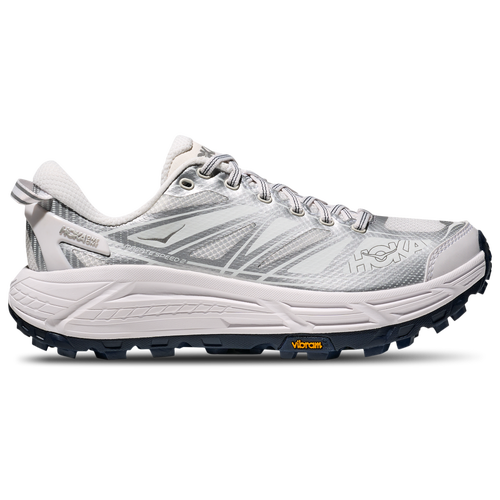
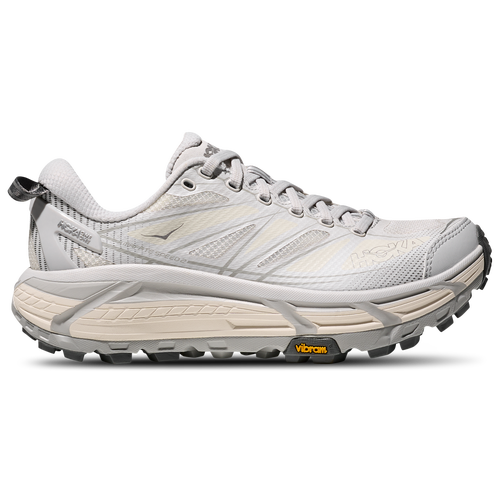
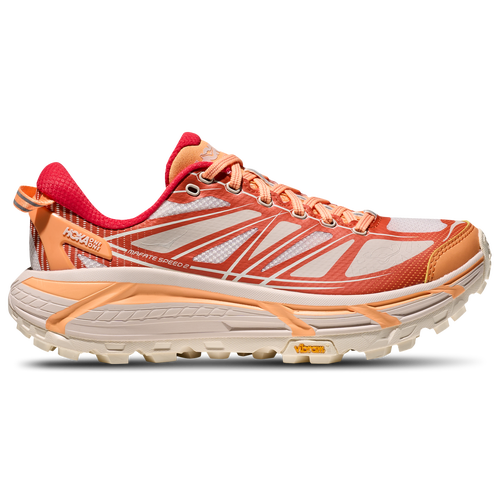
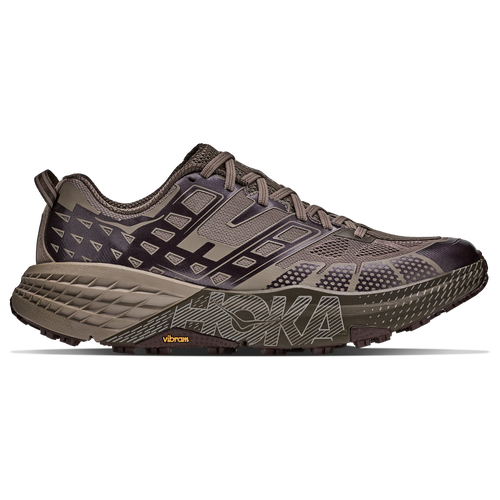
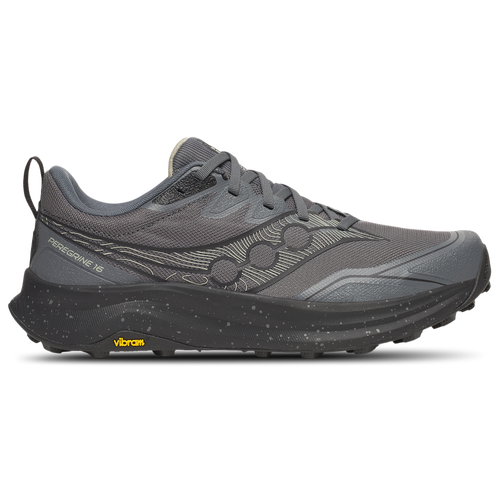
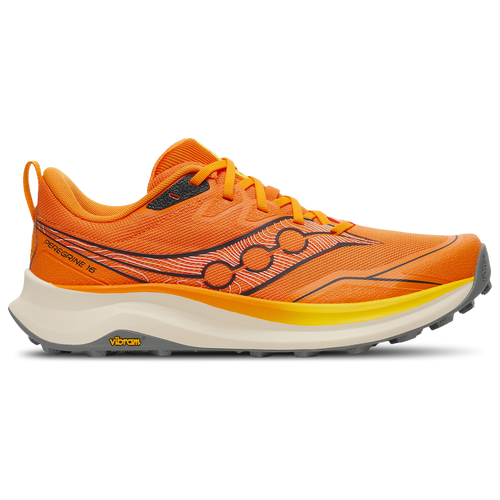
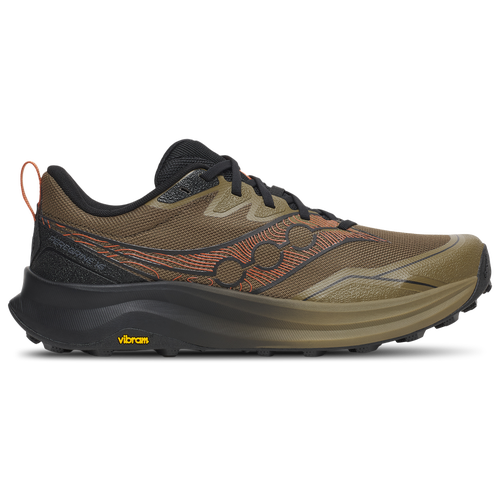
Our Mountain Running Shoes sold out quickly! Explore similar styles now!
Search Results
On this page...
- What features should I look for in mountain running shoes?
- Are mountain running shoes waterproof?
- How do I choose the right size for mountain running shoes?
- What is the difference between trail running shoes and mountain running shoes?
- Can I use mountain running shoes for regular road running?
- Are mountain running shoes suitable for hiking as well?
- How much cushioning do mountain running shoes typically have?
- What materials are commonly used in mountain running shoes?
- When were mountain running shoes first introduced?
- How do I clean my mountain running shoes?
- Are mountain running shoes designed for specific weather conditions?
- What is the average weight of mountain running shoes?
- How often should I replace my mountain running shoes?
- Can I find mountain running shoes in different widths?
Frequently Asked Questions For Mountain Running Shoes
When selecting mountain running shoes, prioritize features such as aggressive traction for grip on uneven terrain, a protective toe cap to shield against rocks, and a lightweight design for agility. Additionally, consider shoes with a breathable upper to keep your feet cool and dry during long runs.
Many mountain running shoes are designed with water-resistant materials or membranes to help keep your feet dry in wet conditions. However, not all models are fully waterproof, so it's essential to check the product specifications if you need shoes for wet environments.
To find the right size for mountain running shoes, it's recommended to measure your foot length and width, then consult the sizing chart provided by the retailer. It's also beneficial to try on shoes with the socks you plan to wear during runs, ensuring a snug fit without being too tight.
While both trail running shoes and mountain running shoes are designed for off-road conditions, mountain running shoes typically offer enhanced grip and stability for steep and rocky terrains. They may also feature a more rugged outsole and additional cushioning for downhill runs.
Mountain running shoes can be used for road running, but they may not provide the same level of comfort and cushioning as road-specific shoes. The aggressive tread designed for traction on trails may feel less comfortable on smooth surfaces, so consider your running environment before choosing.
Mountain running shoes can be suitable for hiking, especially on well-defined trails. Their lightweight design and traction can provide comfort and stability, but for more rugged hiking conditions, dedicated hiking shoes may offer better support and protection.
Mountain running shoes usually feature moderate to firm cushioning to provide support and responsiveness on uneven surfaces. The amount of cushioning can vary by model, so it's important to try on different pairs to find the level of comfort that suits your running style.
Mountain running shoes are often made from a combination of synthetic mesh for breathability, rubber for traction, and foam for cushioning. Some models may also incorporate reinforced materials for added durability and protection against trail hazards.
Mountain running shoes began to gain popularity in the late 20th century as the sport of trail running grew. Over the years, advancements in technology and materials have led to the development of specialized footwear designed to enhance performance on rugged terrain.
To clean mountain running shoes, remove any dirt and debris with a soft brush or cloth. You can wash them with mild soap and water, but avoid using a washing machine or dryer, as this can damage the materials. Allow them to air dry away from direct sunlight.
Many mountain running shoes are designed to perform well in various weather conditions, including wet and dry environments. Some models feature water-resistant materials for rainy conditions, while others may have enhanced breathability for warm weather running.
The average weight of mountain running shoes typically ranges from 8 to 12 ounces per shoe, depending on the design and materials used. Lighter models are often preferred for racing, while slightly heavier shoes may offer more durability and support for longer runs.
It is generally recommended to replace mountain running shoes every 300 to 500 miles, depending on your running style and the terrain. Signs that it's time for a replacement include decreased cushioning, worn-out treads, and discomfort during runs.
Yes, many brands offer mountain running shoes in various widths to accommodate different foot shapes. It's important to check the product details to ensure you select a pair that provides the right fit for your feet.
About Mountain Running Shoes
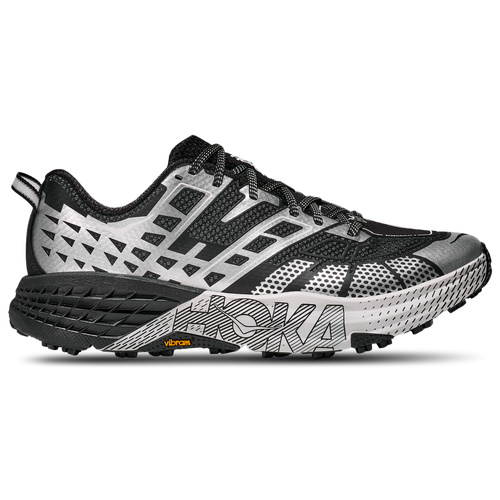
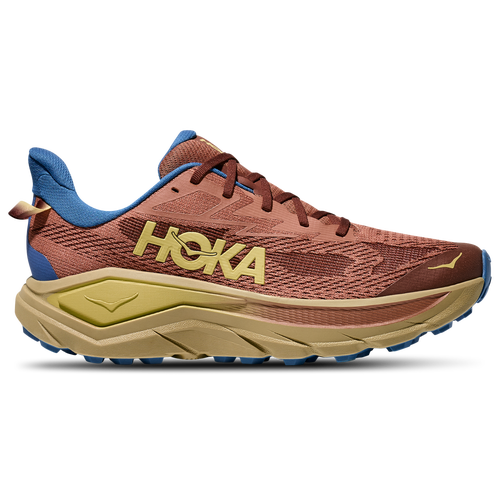
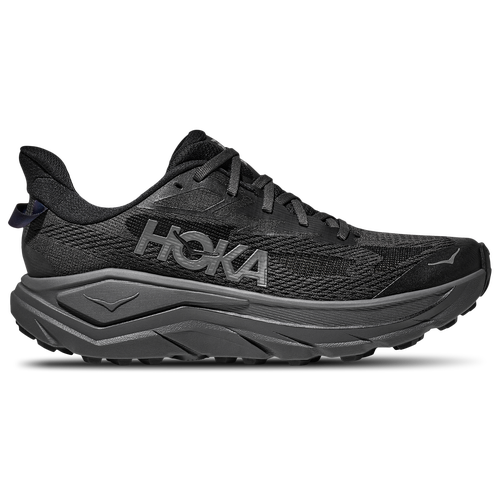
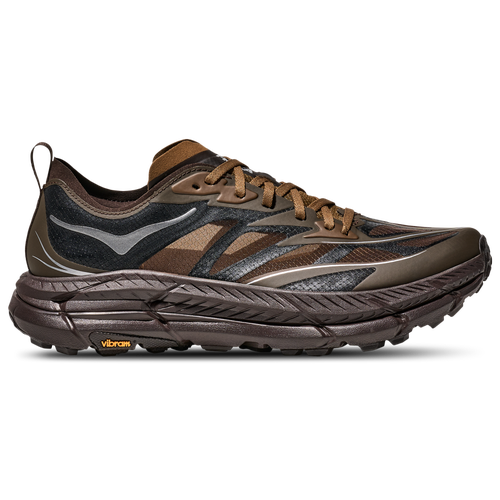
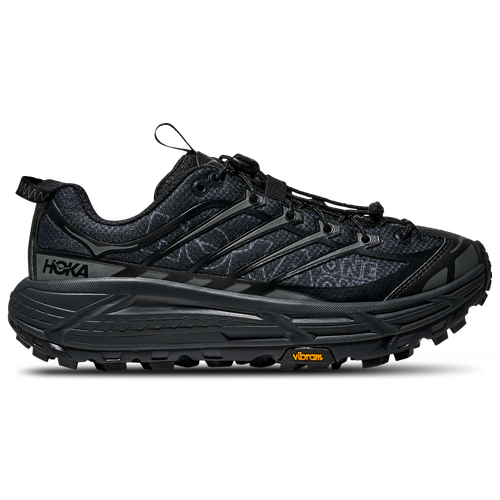
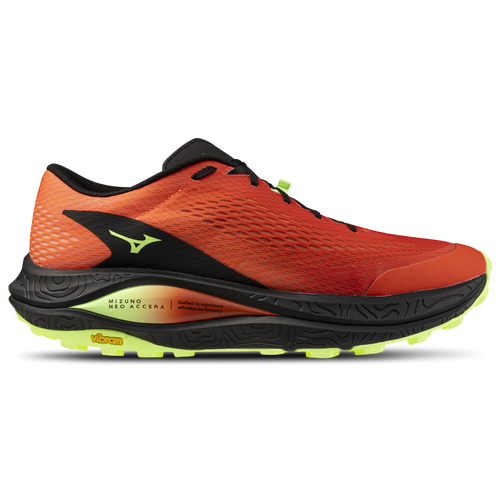
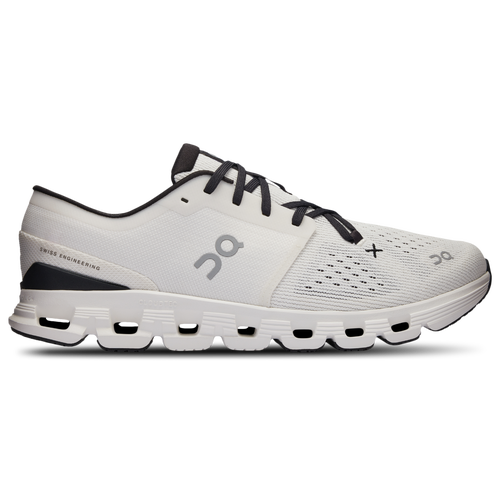
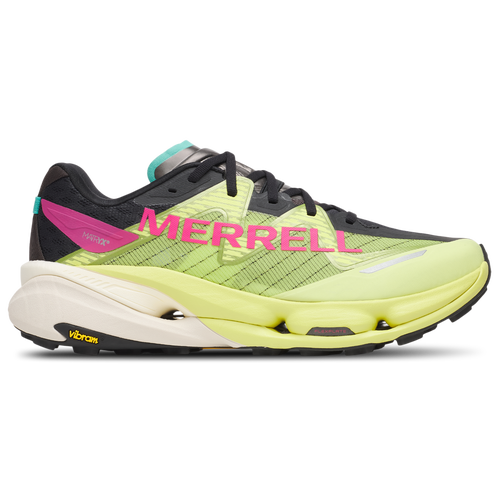
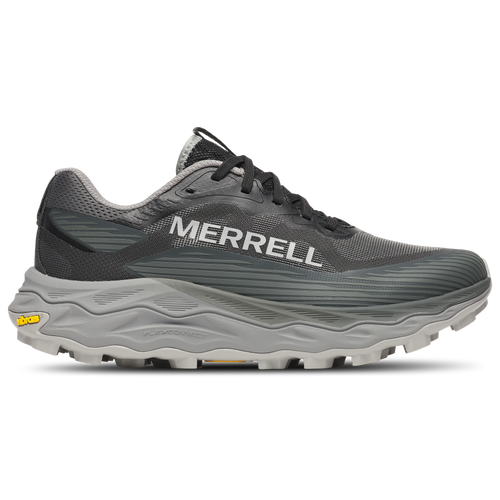
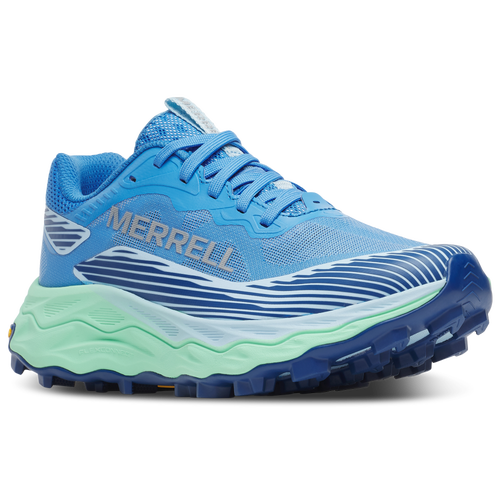
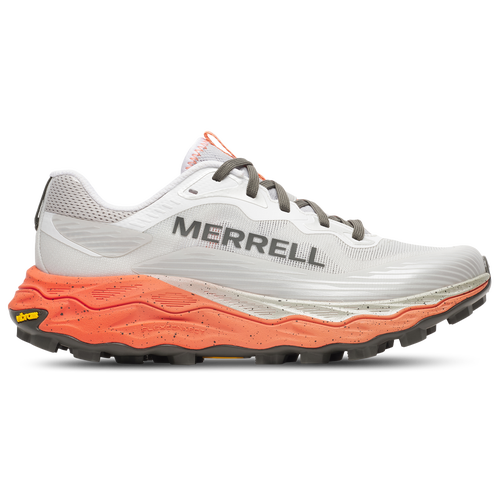
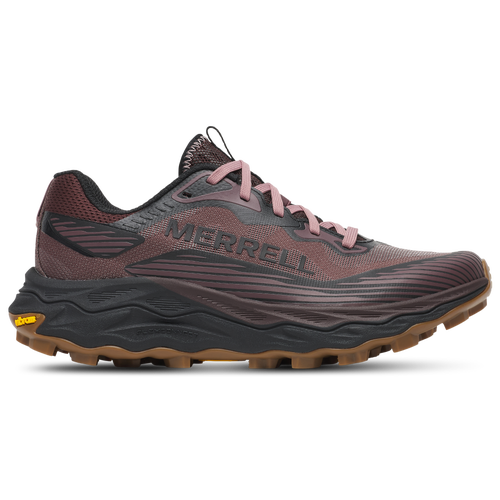
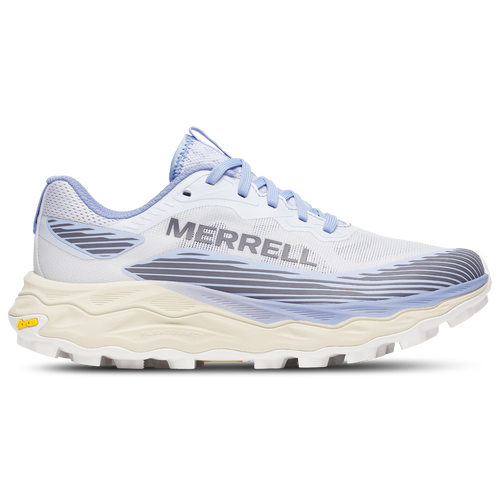
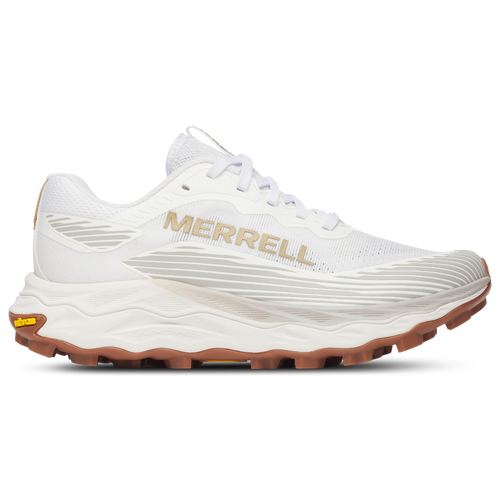
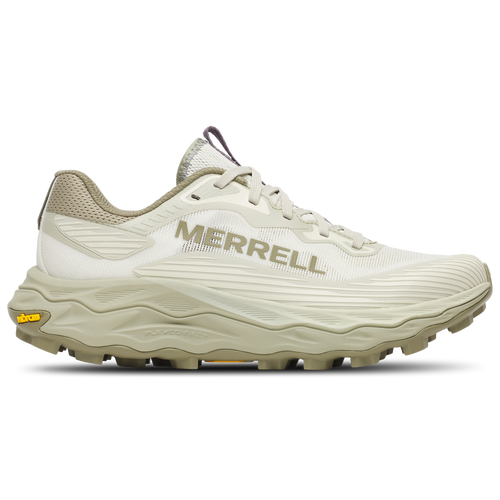
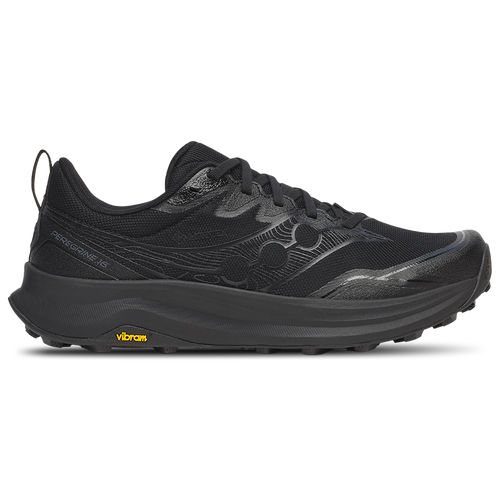
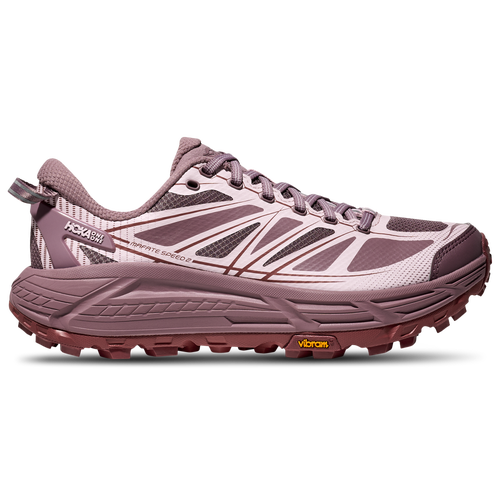
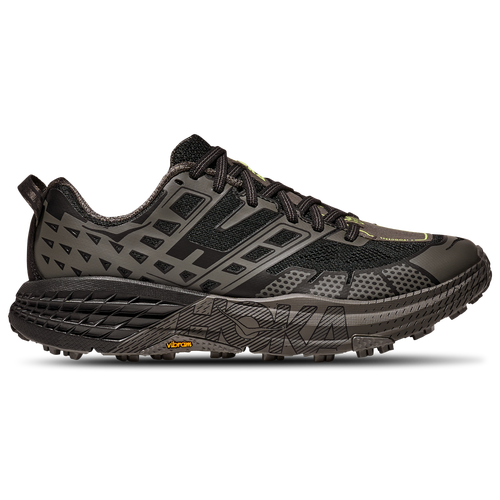
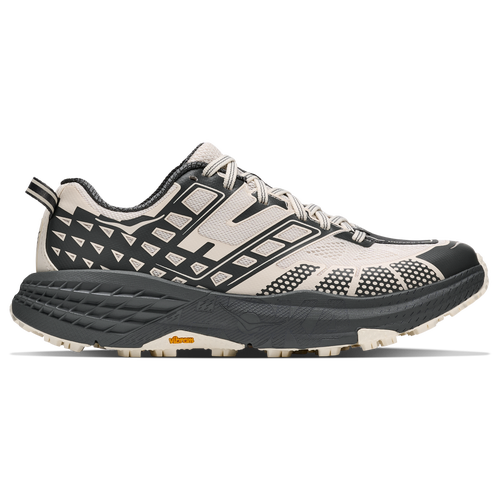
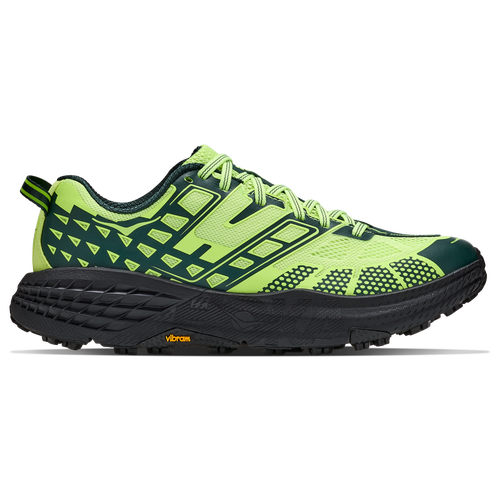
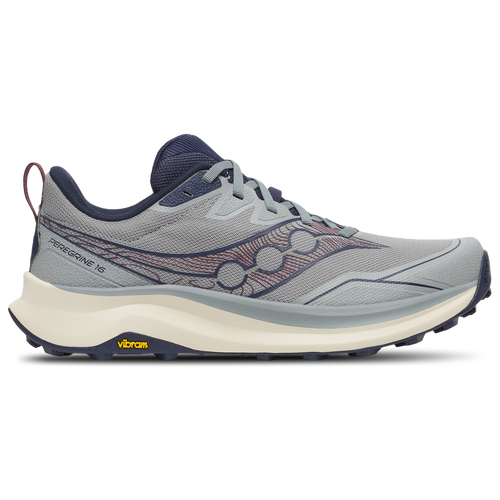
Conquer the trails with our collection of mountain running shoes, designed for durability and performance on rugged terrain. These shoes feature advanced cushioning and responsive support, ensuring comfort during long runs. With aggressive traction patterns, they provide excellent grip on various surfaces, allowing you to tackle steep inclines and rocky paths with confidence.
Our mountain running shoes are crafted with lightweight materials for agility while maintaining robust protection against the elements. Breathable uppers keep your feet cool, while reinforced toe caps shield against obstacles. Whether you're a seasoned trail runner or just starting out, our selection will help you elevate your outdoor adventures and enjoy every step of the journey.