
Outdoor Running Shoes
Showing 2 results
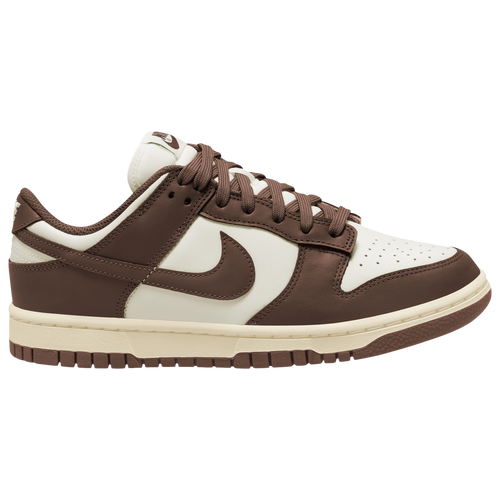
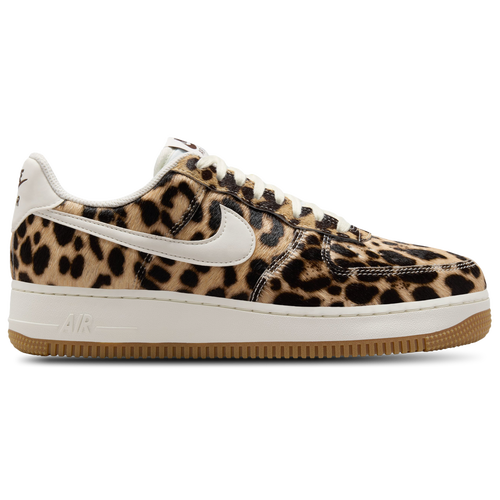
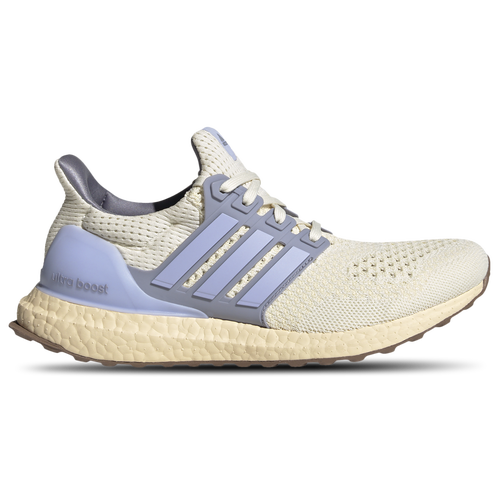
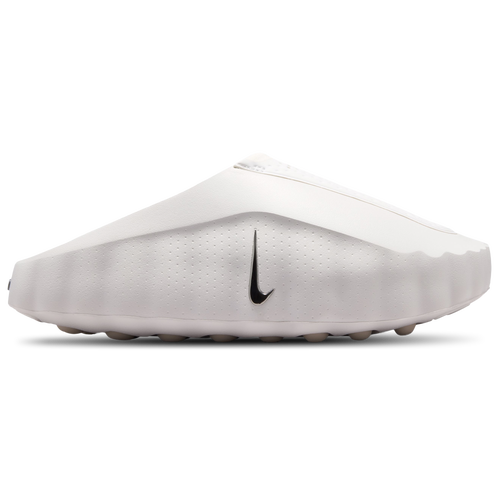
Our Outdoor Running Shoes sold out quickly! Explore similar styles now!
Search Results
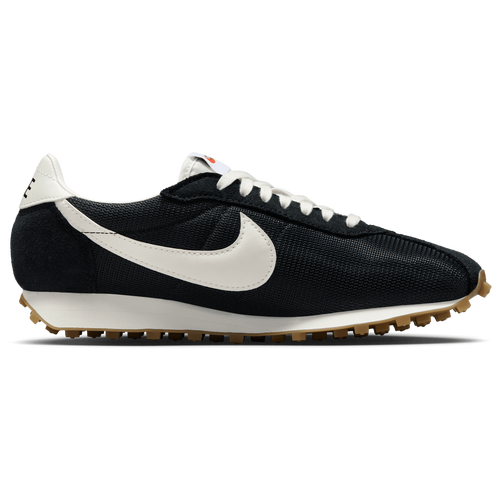
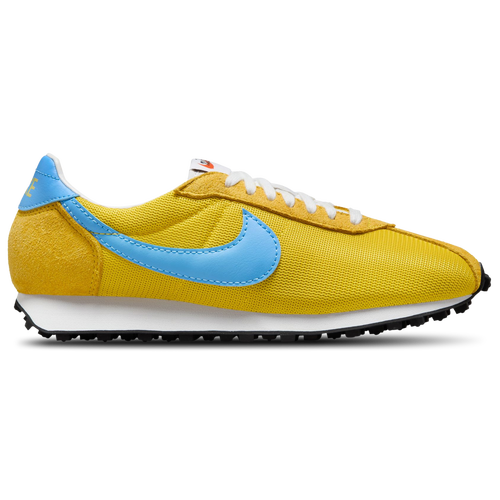
You May Also Like
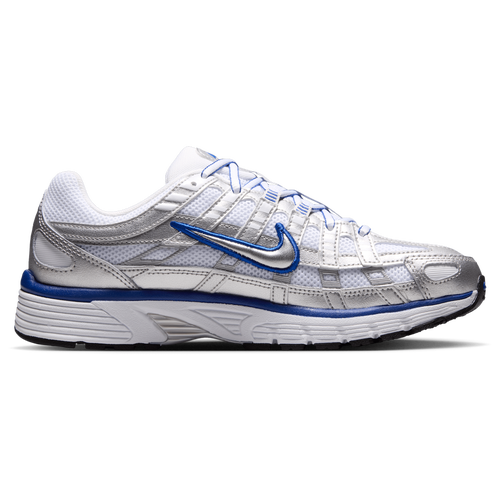
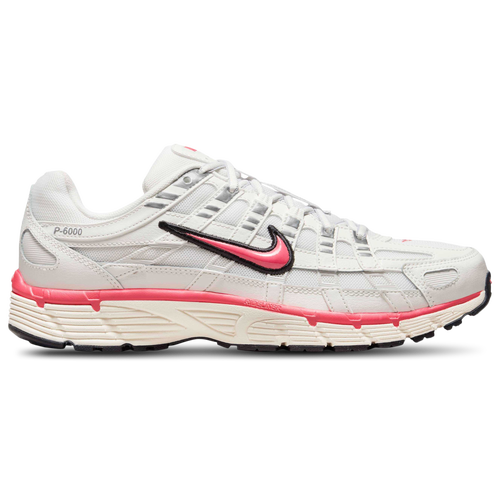
On this page...
- What features should I look for in outdoor running shoes?
- Are outdoor running shoes waterproof?
- How do I know if outdoor running shoes fit properly?
- What is the difference between trail running shoes and regular running shoes?
- Can I use outdoor running shoes for walking?
- What materials are commonly used in outdoor running shoes?
- How often should I replace my outdoor running shoes?
- Are there specific outdoor running shoes for different terrains?
- What is the average weight of outdoor running shoes?
- Do outdoor running shoes provide arch support?
- Are outdoor running shoes suitable for all weather conditions?
- How do I clean my outdoor running shoes?
- What is the best way to break in outdoor running shoes?
- Are there outdoor running shoes designed for wide feet?
Frequently Asked Questions For Outdoor Running Shoes
When selecting outdoor running shoes, consider features such as traction, cushioning, and breathability. Look for shoes with durable outsoles designed for various terrains, ample cushioning for comfort during long runs, and breathable materials to keep your feet cool and dry.
Many outdoor running shoes come with waterproof or water-resistant materials to keep your feet dry in wet conditions. However, not all models are waterproof, so it's essential to check the product specifications if you plan to run in rainy or muddy environments.
Proper fit for outdoor running shoes should allow about a thumb's width of space between your longest toe and the front of the shoe. Additionally, the shoe should feel snug around the midfoot and heel without causing discomfort or pinching.
Trail running shoes are specifically designed for off-road running, featuring rugged outsoles for better traction on uneven surfaces and enhanced stability. Regular running shoes, on the other hand, are optimized for pavement and may not provide the same level of grip or support needed for trail conditions.
Yes, outdoor running shoes can be used for walking, especially if they offer good cushioning and support. However, if you primarily walk on paved surfaces, you may want to consider shoes specifically designed for walking to ensure optimal comfort and performance.
Outdoor running shoes are typically made from a combination of synthetic mesh, rubber, and foam materials. The mesh provides breathability, while rubber outsoles offer durability and traction. The foam midsole is designed to absorb impact and provide cushioning.
It is generally recommended to replace outdoor running shoes every 300 to 500 miles, depending on your running style and the shoe's construction. Signs that it's time for a replacement include decreased cushioning, visible wear on the outsole, and discomfort during runs.
Yes, there are outdoor running shoes designed for various terrains, including rocky trails, muddy paths, and snow. Each type features unique outsole patterns and materials to provide the best grip and stability for the specific environment.
The weight of outdoor running shoes can vary significantly based on design and materials, but most models typically weigh between 8 to 12 ounces. Lighter shoes may be preferred for speed, while heavier options often provide more cushioning and support.
Many outdoor running shoes offer varying levels of arch support to accommodate different foot types. It's important to choose a shoe that matches your arch height for optimal comfort and to help prevent injuries during your runs.
While outdoor running shoes can handle various weather conditions, their suitability depends on the specific model. Some shoes are designed for wet or cold weather, while others are better suited for dry and warm conditions. Always check the shoe's features to ensure they meet your needs.
To clean outdoor running shoes, remove the laces and insoles, then gently brush off dirt with a soft brush. You can use mild soap and water to clean the upper, and for the outsole, a damp cloth or sponge works well. Allow them to air dry away from direct sunlight.
To break in outdoor running shoes, start by wearing them for short periods during walks or light runs. Gradually increase the duration and intensity of your workouts to allow the shoes to conform to your feet without causing discomfort.
Yes, many brands offer outdoor running shoes in wide sizes to accommodate runners with broader feet. Look for models specifically labeled as "wide" to ensure a comfortable fit and adequate support.
About Outdoor Running Shoes
Step into the great outdoors with confidence in our collection of outdoor running shoes. Designed for durability and comfort, these shoes feature advanced cushioning and support to help you tackle any terrain. Whether you're hitting the trails or jogging through the park, our selection ensures a secure fit and excellent traction, allowing you to focus on your run.
With breathable materials and lightweight designs, our outdoor running shoes keep your feet cool and comfortable during long distances. Enjoy the perfect blend of style and functionality, making them ideal for both casual joggers and serious runners. Elevate your outdoor experience and conquer every mile with the right footwear.