
Endurance Running Shoes
Showing 547 results
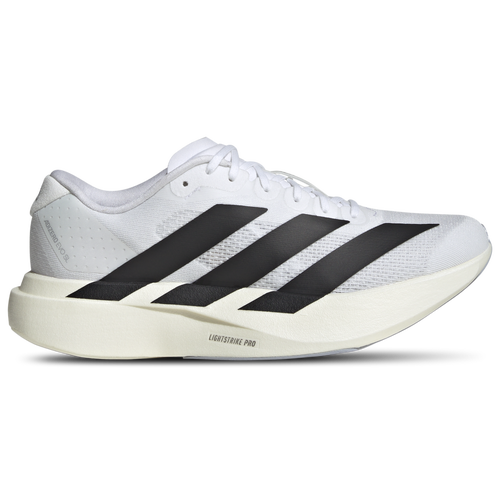
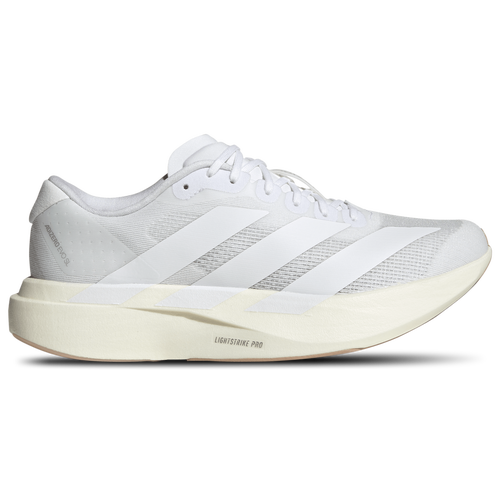
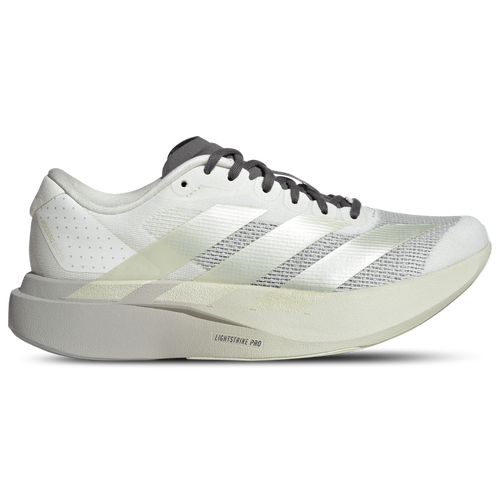
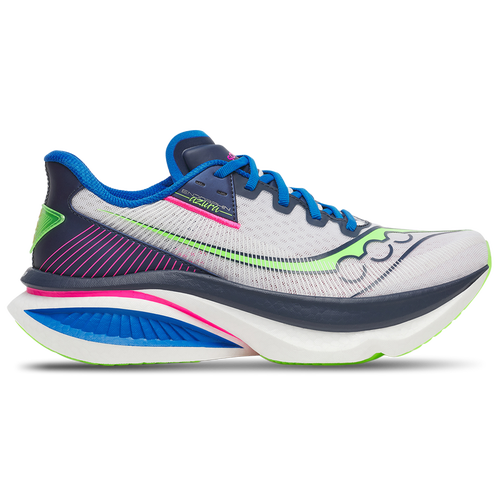
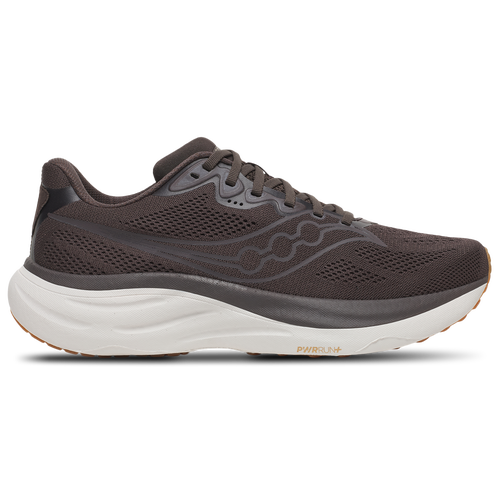
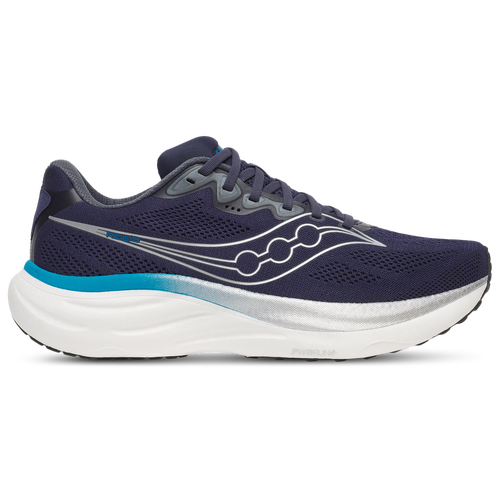
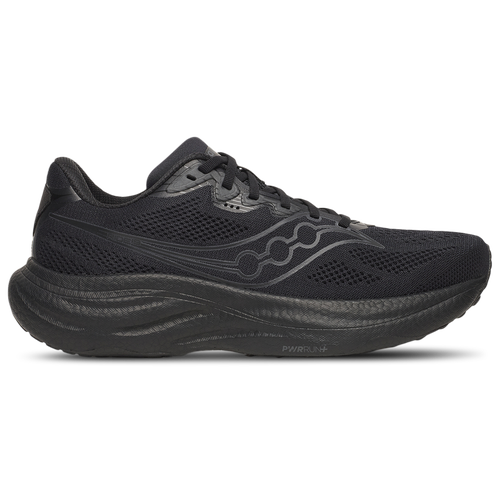
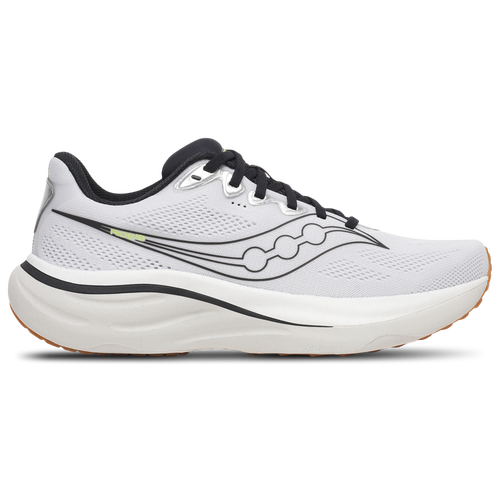
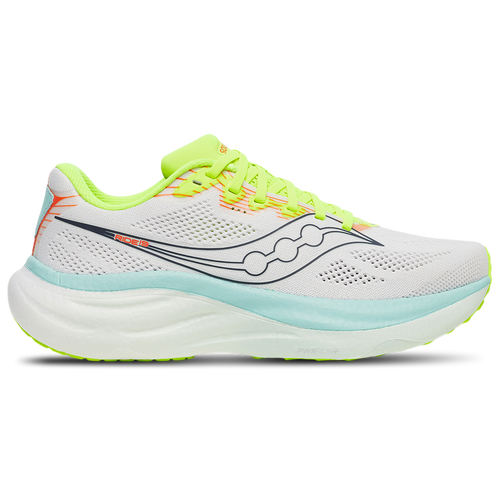
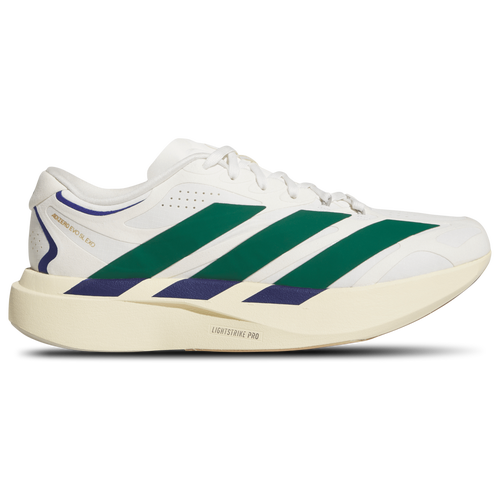
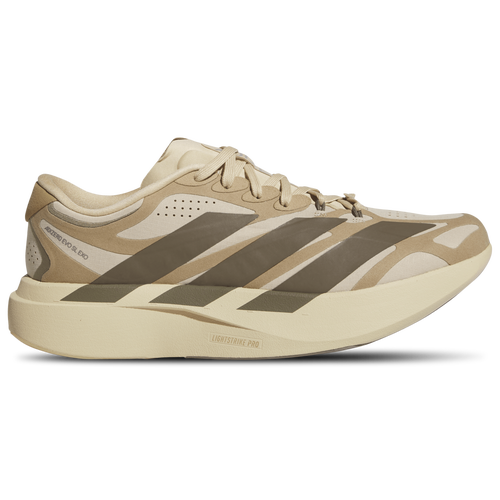
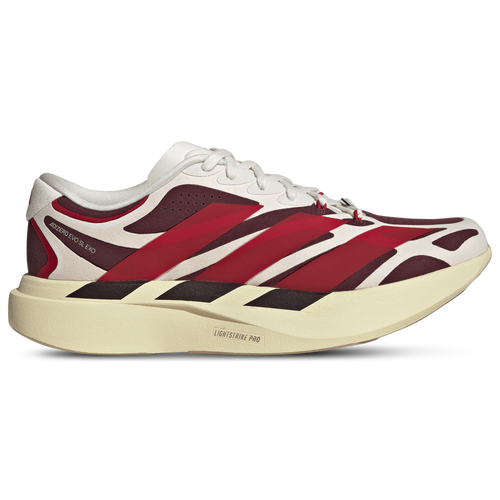
Our Endurance Running Shoes sold out quickly! Explore similar styles now!
Search Results
On this page...
- What features should I look for in endurance running shoes?
- Are endurance running shoes suitable for trail running?
- How do I determine the right size for endurance running shoes?
- What materials are commonly used in endurance running shoes?
- How often should I replace my endurance running shoes?
- Are there specific endurance running shoes for different foot types?
- Can I use endurance running shoes for everyday activities?
- What is the difference between stability and neutral endurance running shoes?
- Are endurance running shoes waterproof?
- When were endurance running shoes first introduced?
- How do I break in my new endurance running shoes?
- Can I wash my endurance running shoes?
- What is the weight range for endurance running shoes?
Frequently Asked Questions For Endurance Running Shoes
When selecting endurance running shoes, look for features such as cushioning, support, breathability, and a lightweight design. A well-cushioned midsole can help absorb impact, while a breathable upper keeps your feet cool during long runs. Additionally, consider the shoe's fit and stability to ensure comfort over extended distances.
Endurance running shoes are primarily designed for road running, focusing on cushioning and support on hard surfaces. However, some models may offer enough traction and durability for light trail running. For more rugged terrain, consider shoes specifically designed for trail running that provide enhanced grip and protection.
To find the right size for endurance running shoes, measure your feet at the end of the day when they are most swollen. Ensure there is about a thumb's width of space between your longest toe and the front of the shoe. It's also helpful to try on shoes with the socks you plan to wear during your runs.
Endurance running shoes typically feature lightweight synthetic materials for the upper, providing breathability and flexibility. The midsole often consists of EVA foam or other cushioning materials for shock absorption, while the outsole is made from durable rubber to enhance traction and longevity.
It's generally recommended to replace endurance running shoes every 300 to 500 miles, depending on your running style and the shoe's construction. Signs that it's time for a replacement include decreased cushioning, visible wear on the outsole, and discomfort during runs. Regularly assessing your shoes can help maintain optimal performance.
Yes, there are endurance running shoes designed to accommodate various foot types, including neutral, overpronated, and underpronated feet. It's essential to identify your foot type and choose shoes that provide the appropriate level of support and stability for your running style.
While endurance running shoes are designed primarily for running, they can also be suitable for everyday activities due to their comfort and support. However, if you plan to wear them for extended periods outside of running, ensure they fit well and provide the necessary support for your daily activities.
Stability endurance running shoes are designed to provide additional support and control for runners who overpronate, while neutral shoes cater to those with a natural gait. The choice between the two depends on your foot mechanics and running style, so it's essential to assess your needs before selecting a pair.
Most endurance running shoes are not waterproof, as they are designed to be lightweight and breathable. However, some models may feature water-resistant materials or treatments to help keep your feet dry in light rain. For wet conditions, consider looking for shoes specifically designed with waterproof capabilities.
Endurance running shoes began to gain popularity in the late 1970s and early 1980s as running became a mainstream sport. Innovations in materials and technology have since evolved, leading to the development of specialized shoes designed to enhance performance and comfort for long-distance runners.
To break in new endurance running shoes, start by wearing them for short periods during casual activities or light runs. Gradually increase the duration and intensity of your runs over a week or two to allow the shoes to conform to your feet. This process helps prevent discomfort and blisters during longer runs.
Yes, you can wash your endurance running shoes, but it's essential to follow specific care instructions. Remove the insoles and laces, and clean the shoes with a damp cloth or sponge. Avoid using a washing machine or dryer, as this can damage the shoe's materials and structure.
The weight of endurance running shoes can vary significantly, typically ranging from 6 to 12 ounces per shoe. Lightweight models are designed for speed and efficiency, while slightly heavier options may provide additional cushioning and support. Your choice should depend on your personal preference and running goals.
About Endurance Running Shoes
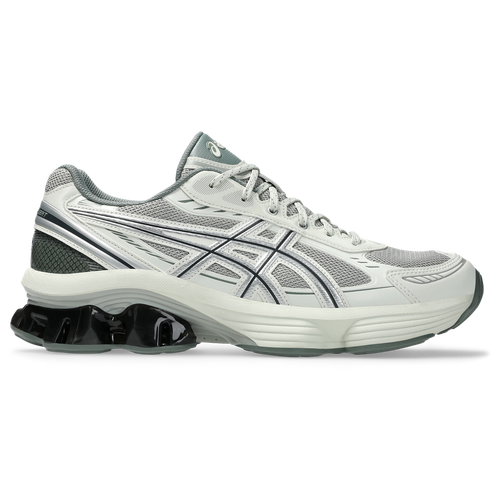
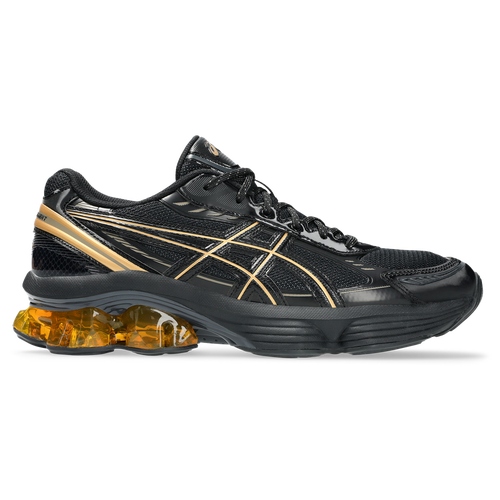
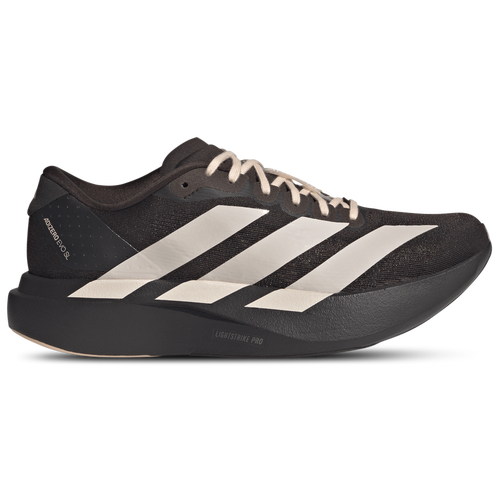
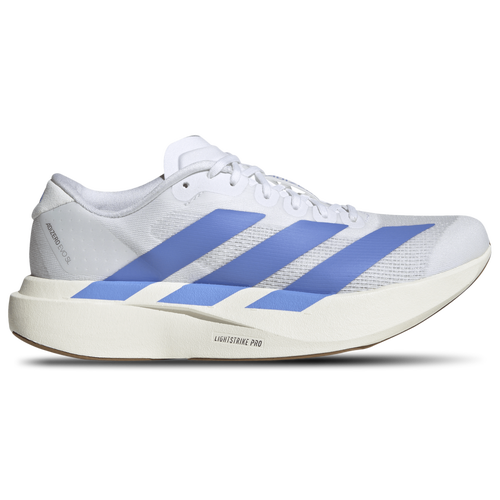
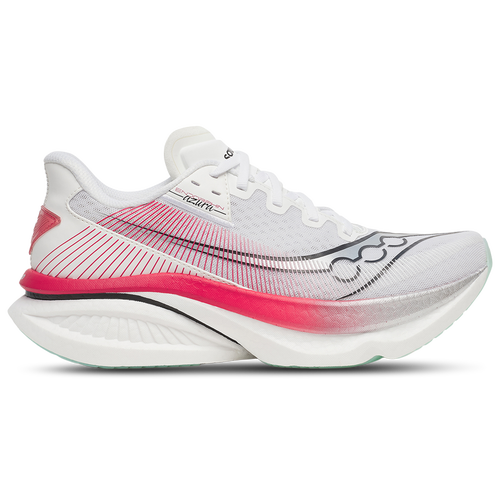
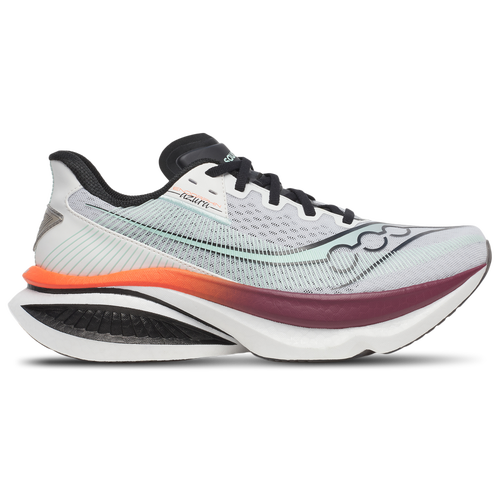
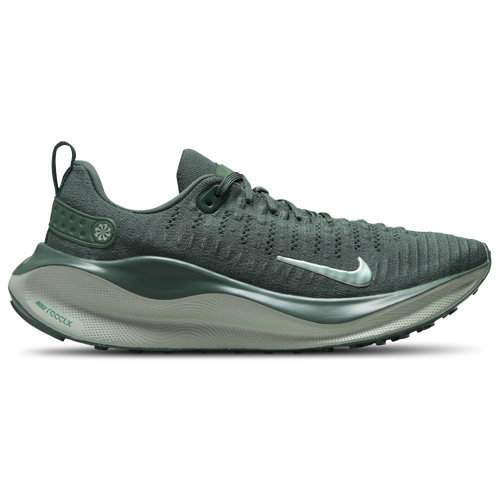
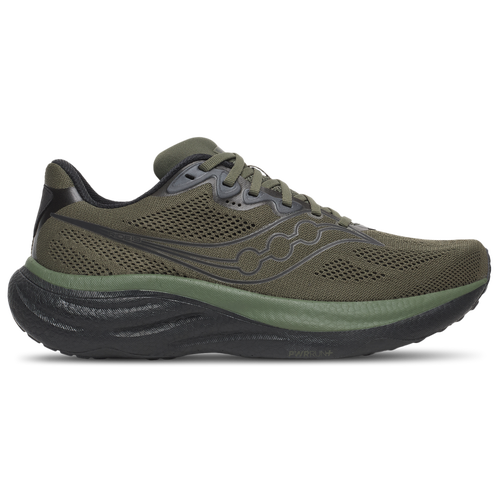
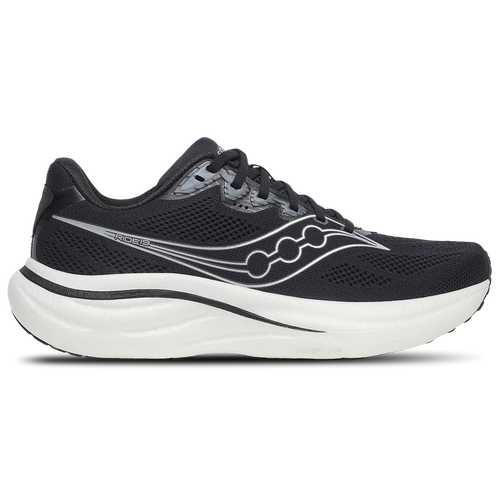
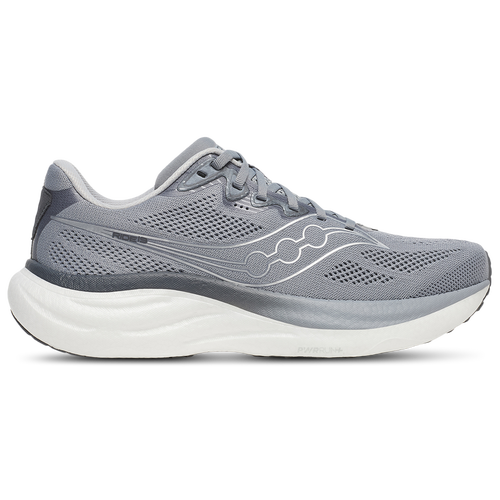
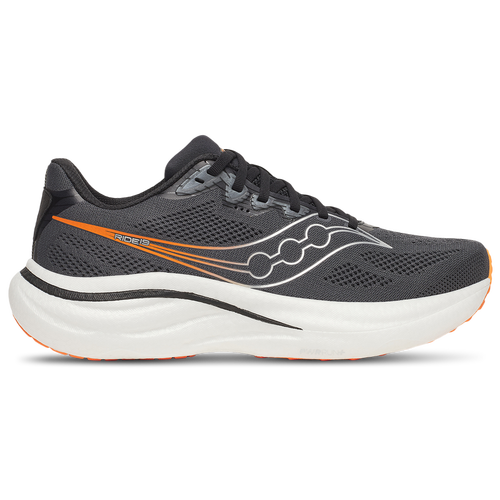
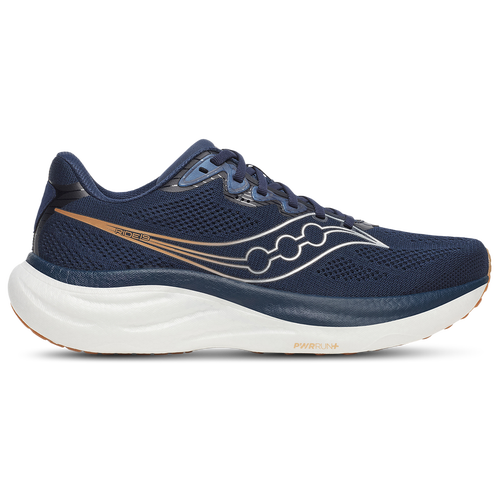
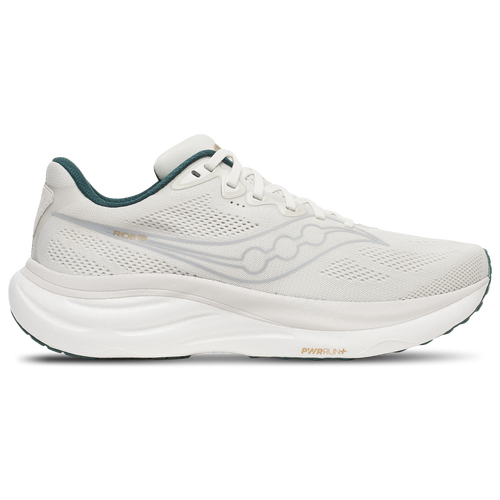
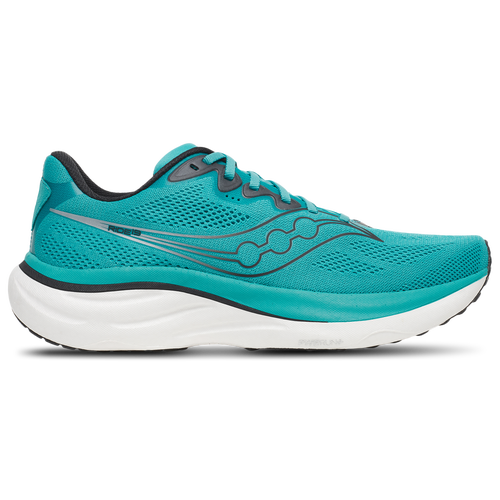
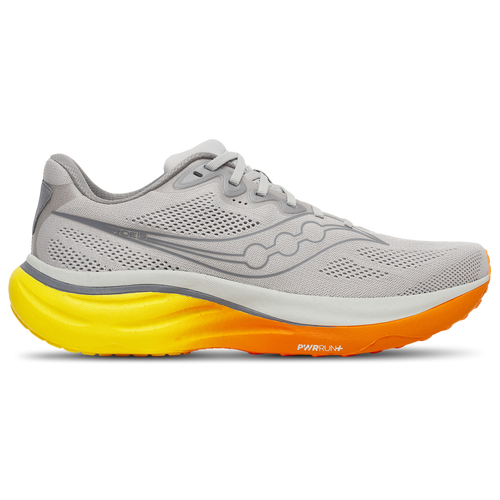
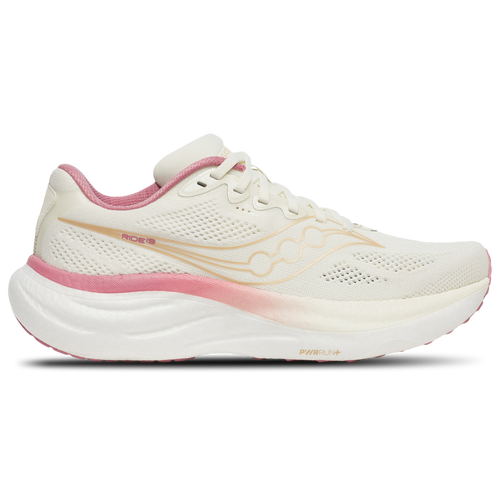
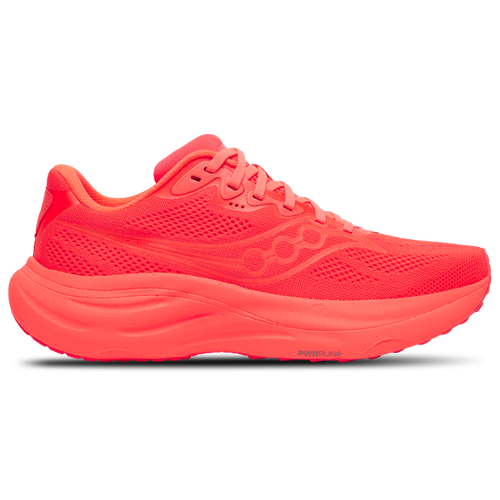
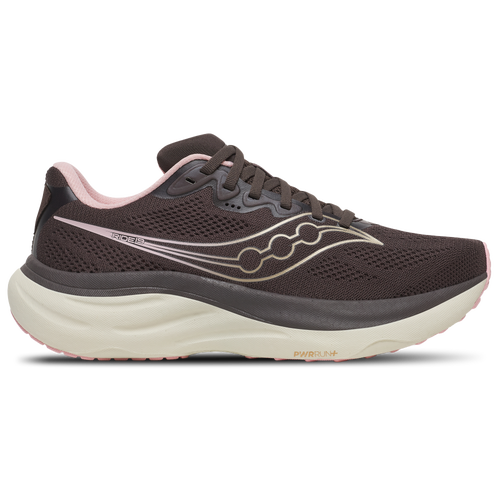
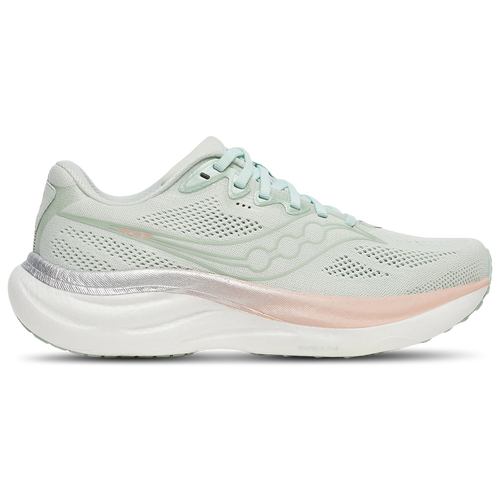
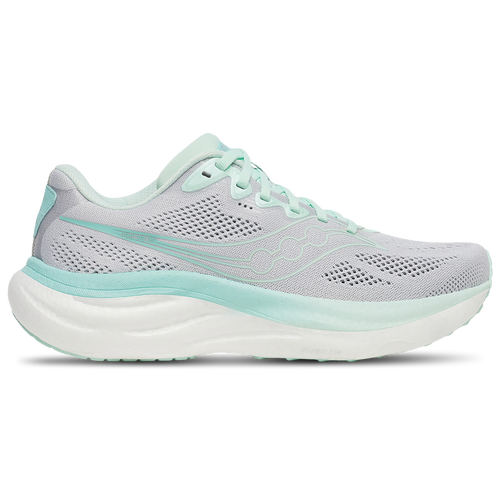
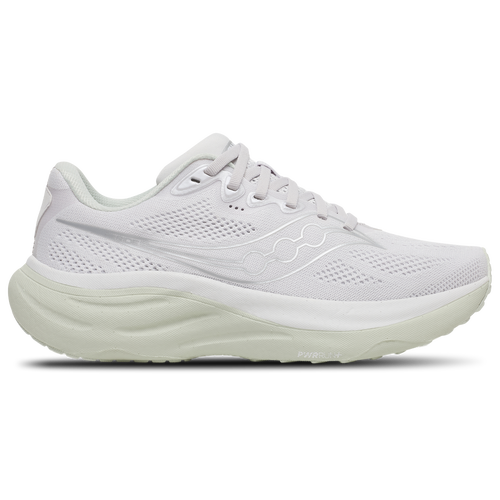
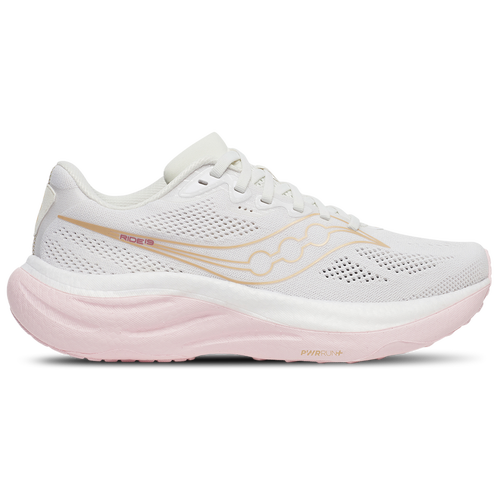
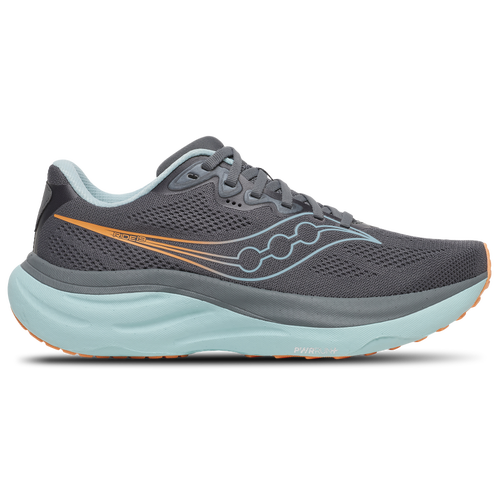
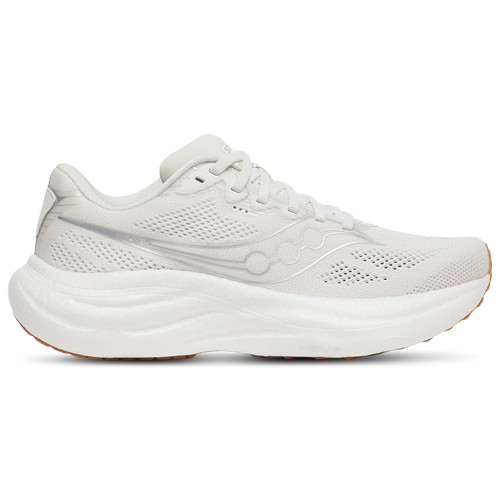
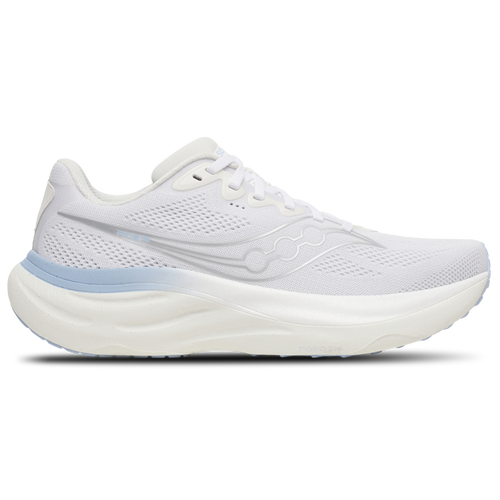
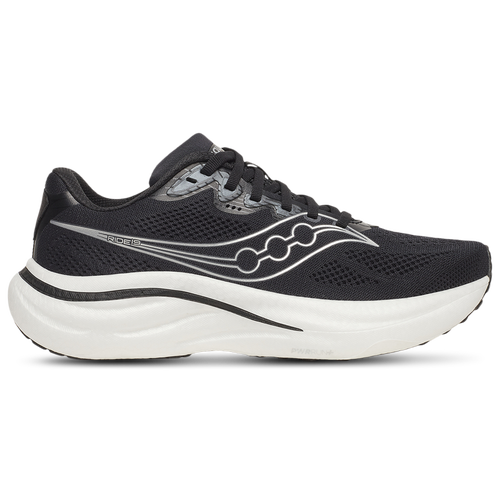
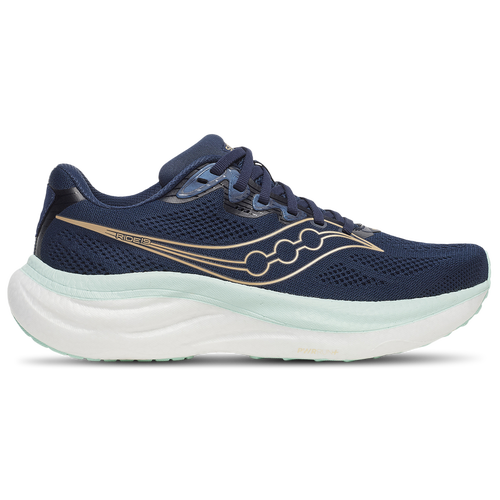
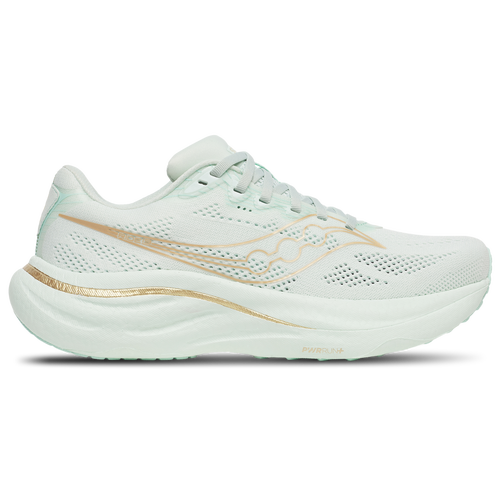
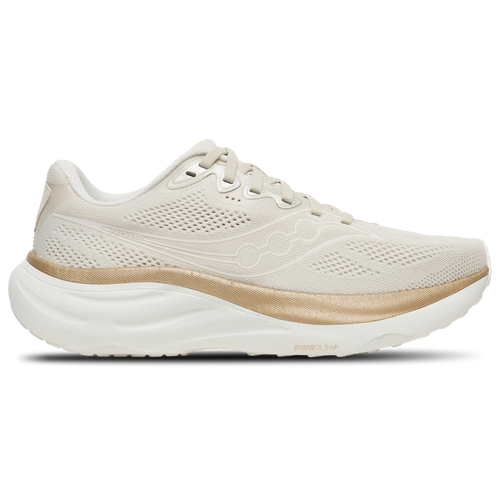
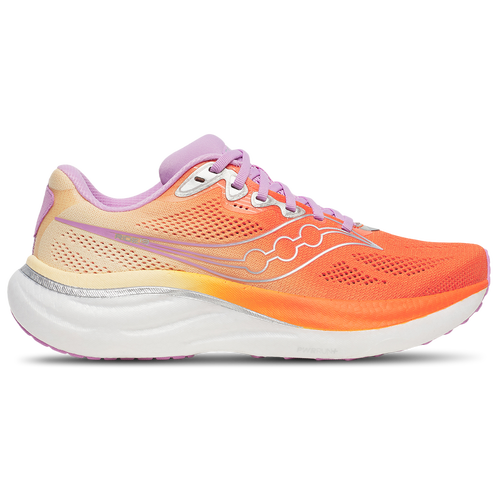
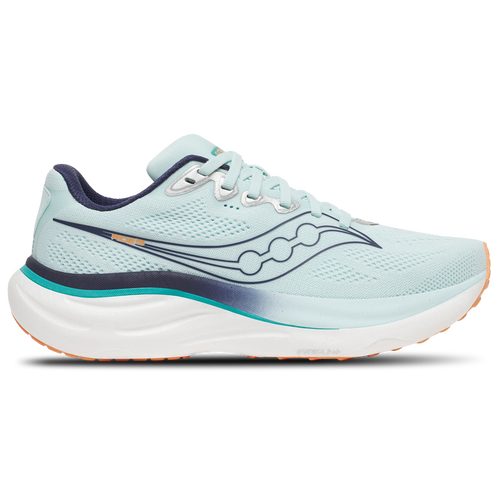
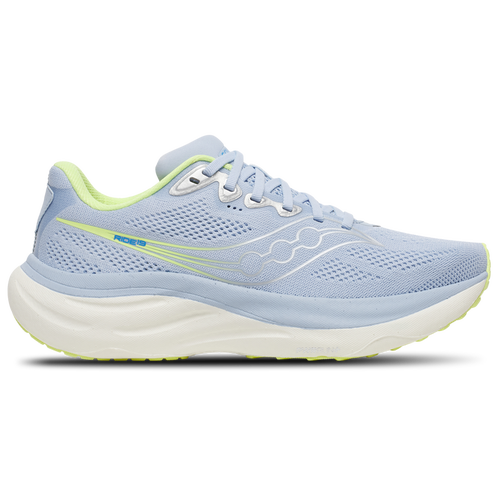
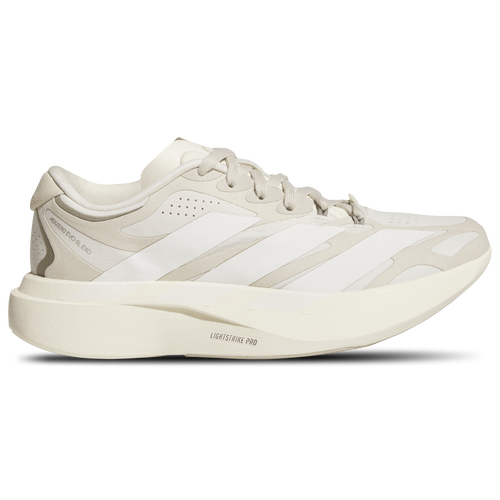
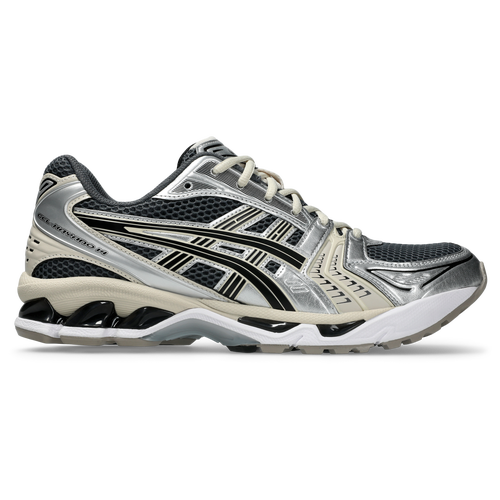
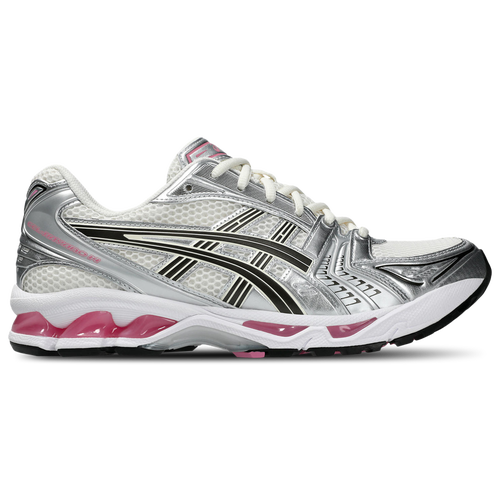
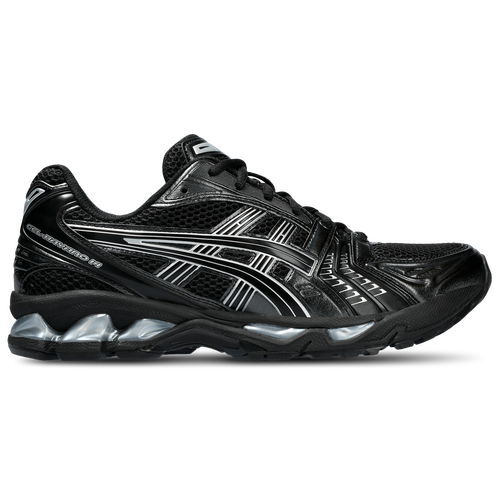
Elevate your running experience with our collection of endurance running shoes, designed for long-lasting comfort and support. These shoes feature advanced cushioning technology to absorb impact, ensuring a smooth ride mile after mile. Lightweight materials enhance breathability, keeping your feet cool during intense workouts, while durable outsoles provide excellent traction on various surfaces.
Whether you're training for a marathon or enjoying a casual jog, our endurance running shoes offer the perfect blend of stability and flexibility. With a variety of styles and fits available, you can find the ideal pair to match your running needs. Step into your next adventure with confidence and comfort, knowing that your footwear is built for performance.