
Speed Training Running Shoes
Showing 322 results
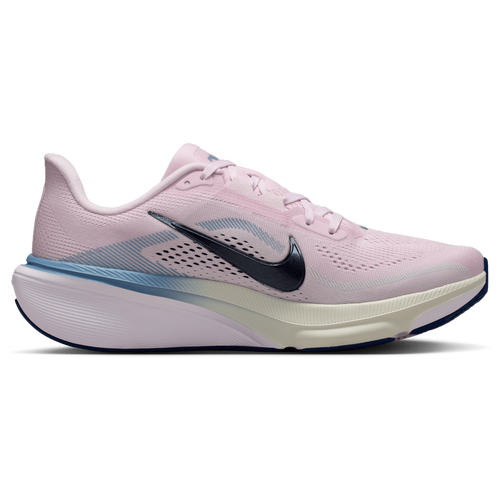
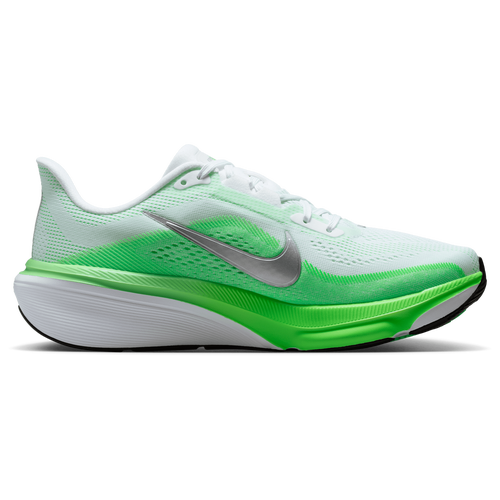
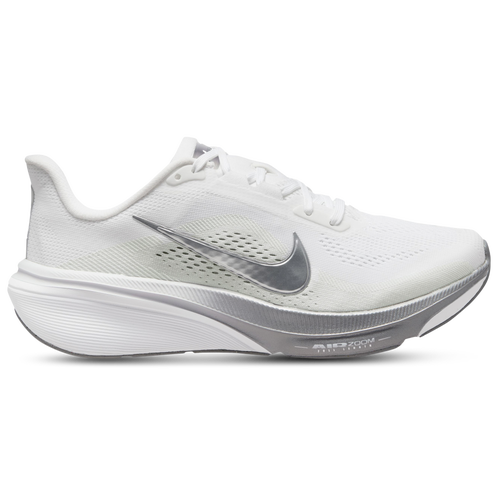
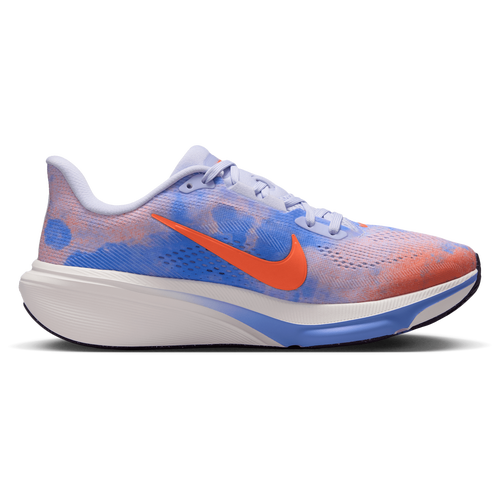
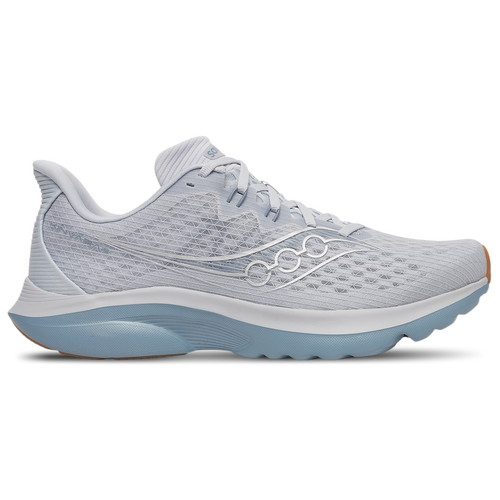
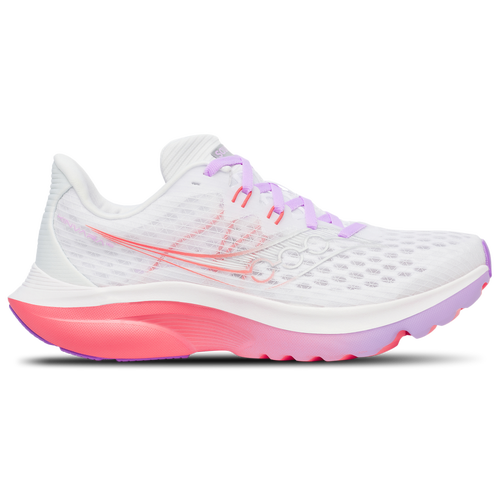
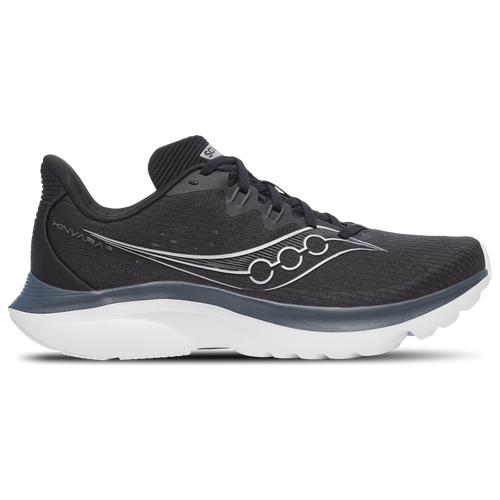
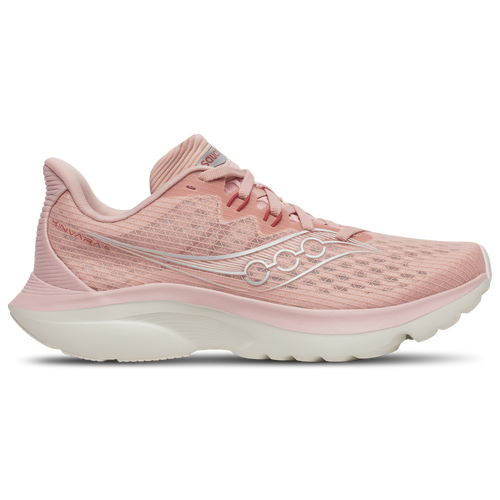
Our Speed Training Running Shoes sold out quickly! Explore similar styles now!
Search Results
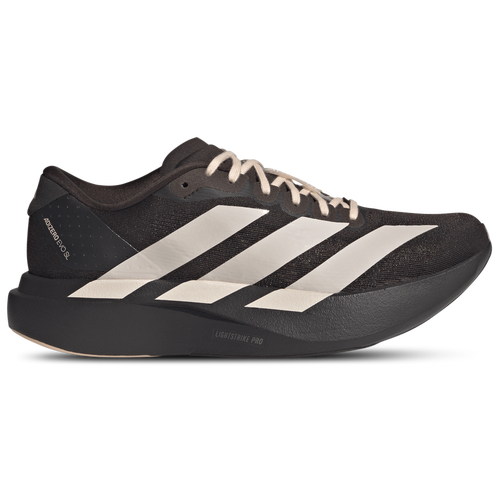
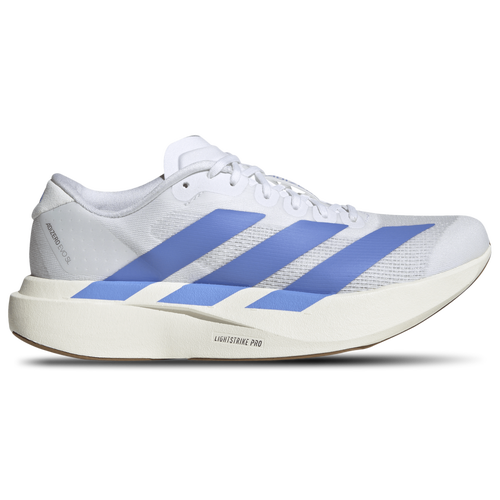
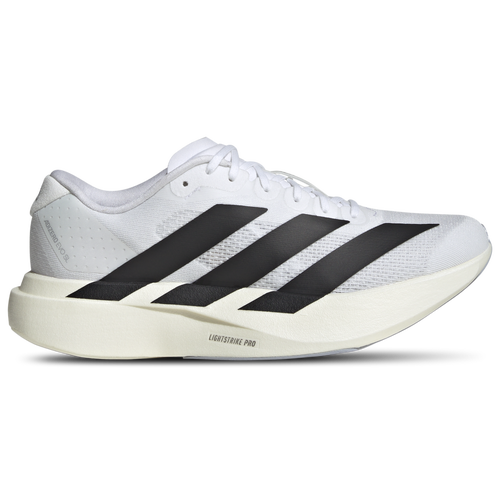
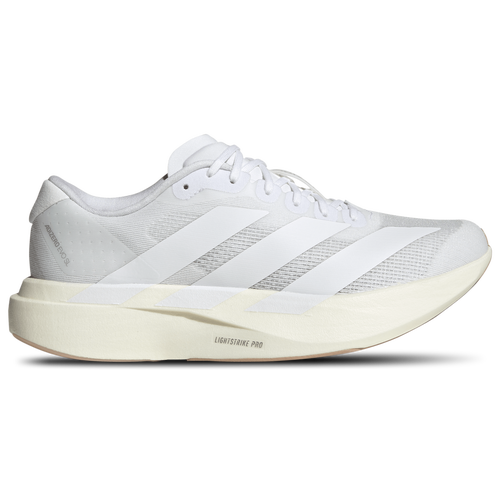
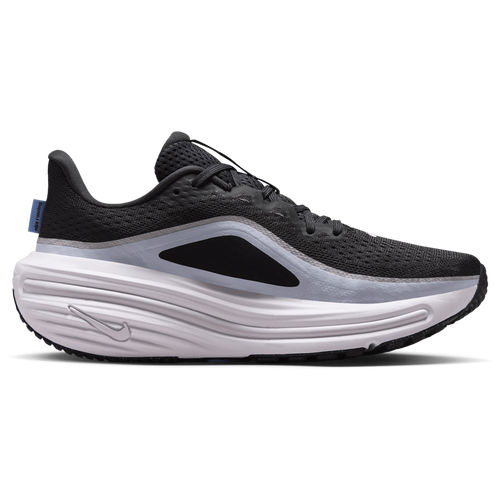
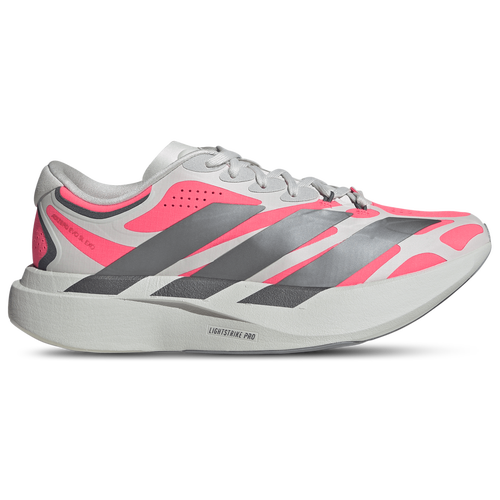
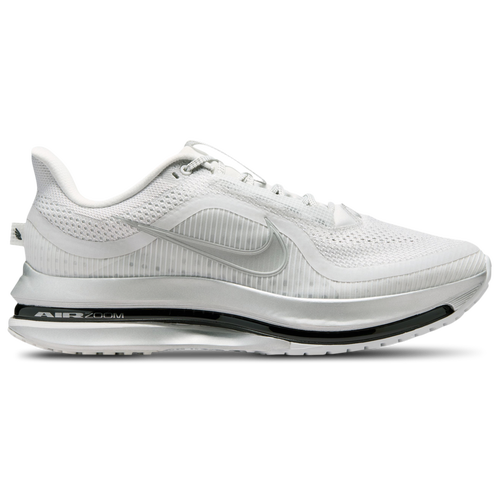
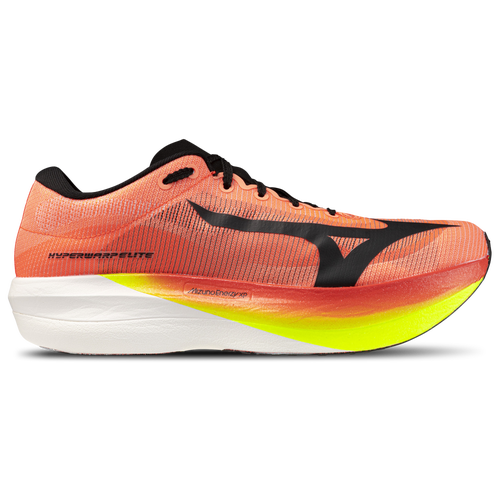
On this page...
- What features should I look for in speed training running shoes?
- Are speed training running shoes suitable for long-distance running?
- How do I determine the right size for speed training running shoes?
- What materials are commonly used in speed training running shoes?
- Are speed training running shoes good for sprinting?
- How often should I replace my speed training running shoes?
- Can I use speed training running shoes for other types of workouts?
- What is the difference between speed training running shoes and regular running shoes?
- Are speed training running shoes suitable for all foot types?
- When were speed training running shoes first introduced?
- How do I care for my speed training running shoes?
- What are the benefits of using speed training running shoes?
- Are there specific designs for speed training running shoes for men and women?
Frequently Asked Questions For Speed Training Running Shoes
When selecting speed training running shoes, look for lightweight materials that provide breathability and flexibility. A responsive cushioning system is essential for energy return, while a secure fit helps enhance stability during quick movements. Additionally, consider shoes with a durable outsole for traction on various surfaces.
Speed training running shoes are primarily designed for short, fast workouts and may not provide the same level of cushioning and support as long-distance running shoes. While they can be used for shorter runs, it's best to choose shoes specifically designed for long distances if you plan to run for extended periods.
To find the right size for speed training running shoes, measure your foot length and compare it to the sizing chart provided by the retailer. It's important to try on shoes in the afternoon when your feet are slightly swollen for a more accurate fit. Ensure there is enough space in the toe box and that the heel fits snugly without slipping.
Speed training running shoes often feature lightweight mesh or synthetic uppers for breathability and comfort. The midsoles typically utilize responsive foam materials that provide cushioning and energy return, while the outsoles are made from durable rubber or specialized compounds for enhanced grip and traction.
Yes, speed training running shoes are designed to support quick movements and explosive speed, making them suitable for sprinting. Their lightweight construction and responsive cushioning help improve acceleration and overall performance during short, intense workouts.
It's generally recommended to replace speed training running shoes every 300 to 500 miles, depending on your running style and the surfaces you train on. Signs that it's time for a replacement include decreased cushioning, visible wear on the outsole, or discomfort during runs.
Speed training running shoes can be versatile and used for various workouts, including interval training, agility drills, and even some gym sessions. However, for activities that require more stability or support, such as weightlifting, consider using shoes specifically designed for those purposes.
Speed training running shoes are typically lighter and more responsive than regular running shoes, which often prioritize cushioning and support for longer distances. The design of speed training shoes focuses on enhancing agility and speed, making them ideal for short, fast workouts rather than endurance runs.
Speed training running shoes can accommodate various foot types, but it's essential to choose a model that matches your specific needs. Those with flat feet may benefit from shoes with added stability features, while individuals with high arches might prefer options with more cushioning and flexibility.
Speed training running shoes have evolved over the years, with their origins tracing back to the development of specialized footwear for track athletes. As running gained popularity, brands began creating shoes specifically designed for speed training, focusing on lightweight materials and performance-enhancing features.
To care for speed training running shoes, clean them regularly by removing dirt and debris with a soft brush or cloth. Avoid machine washing, as it can damage the materials. Instead, spot clean with mild soap and water, and allow them to air dry away from direct sunlight to maintain their shape and performance.
Using speed training running shoes can enhance your performance by providing a lightweight and responsive feel that promotes faster movements. These shoes are designed to improve agility and speed, making them ideal for interval training and sprint workouts. Additionally, they can help develop your running form and efficiency over time.
Yes, speed training running shoes are often designed with gender-specific features to accommodate differences in foot shape and biomechanics. Men's and women's models may vary in fit, cushioning, and support, ensuring that each shoe provides optimal performance and comfort for the respective user.
About Speed Training Running Shoes
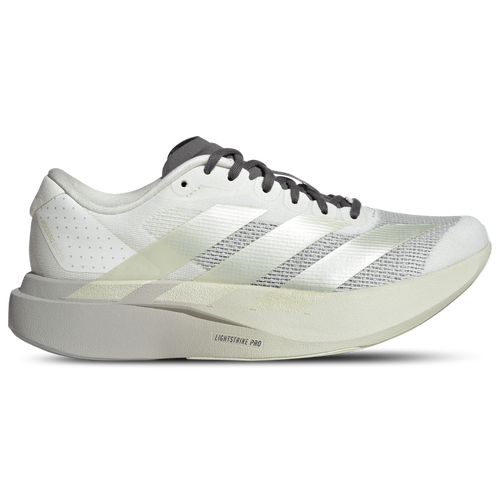
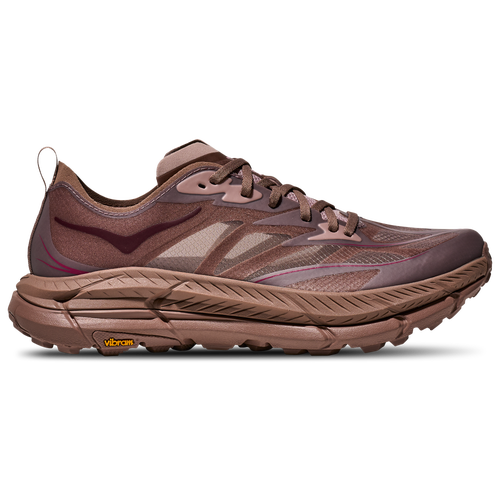
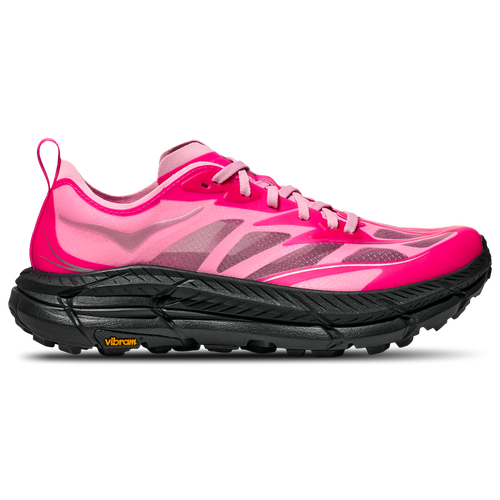
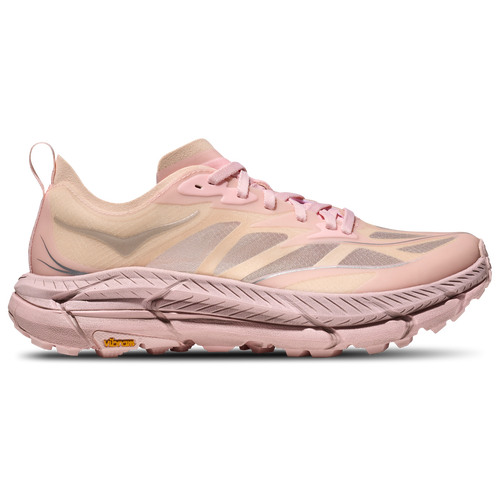
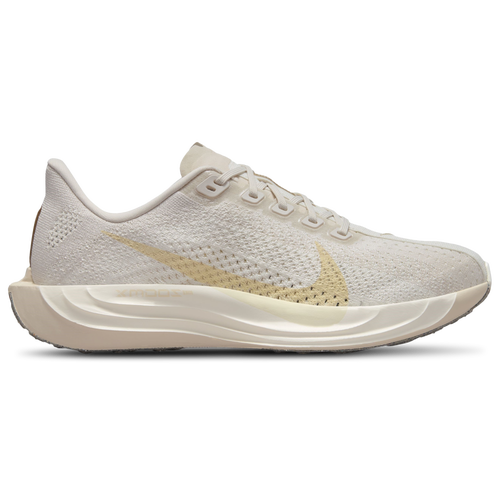
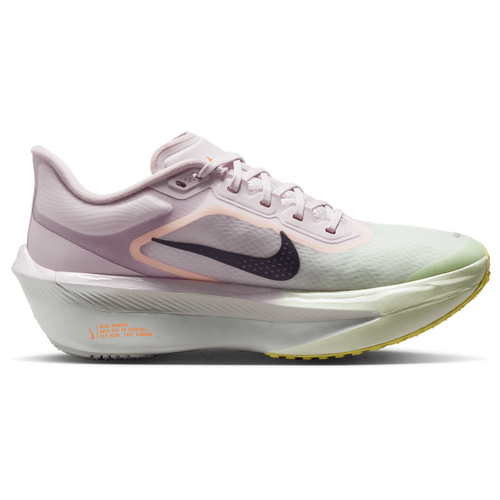
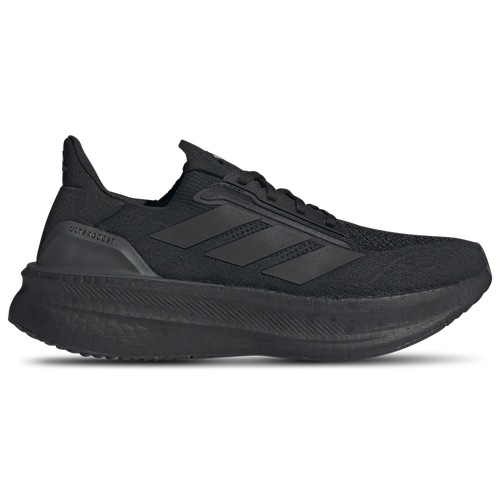
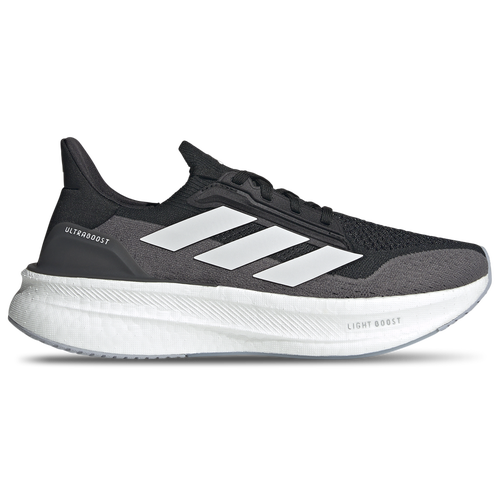
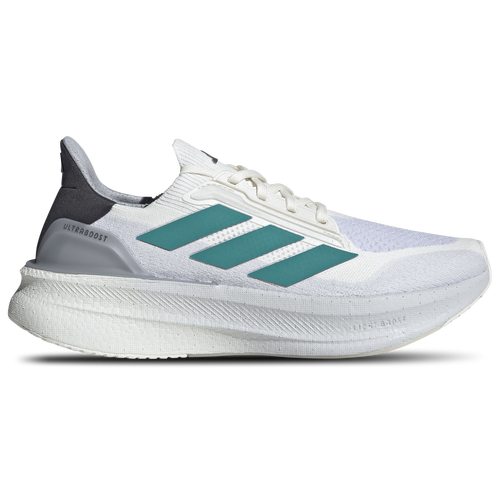
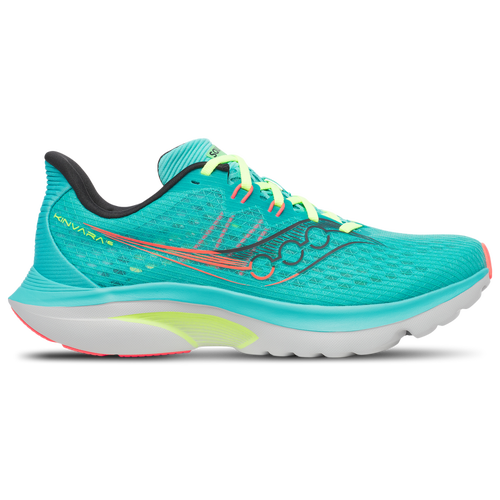
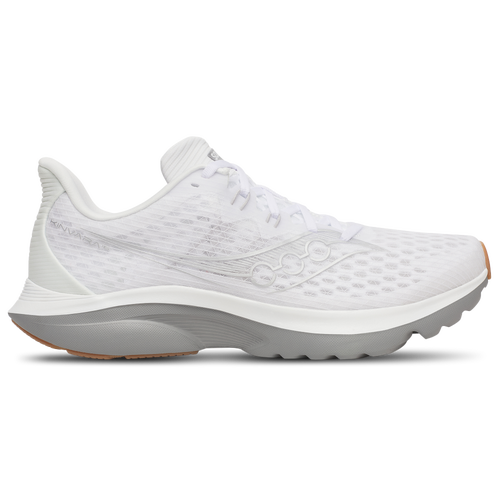
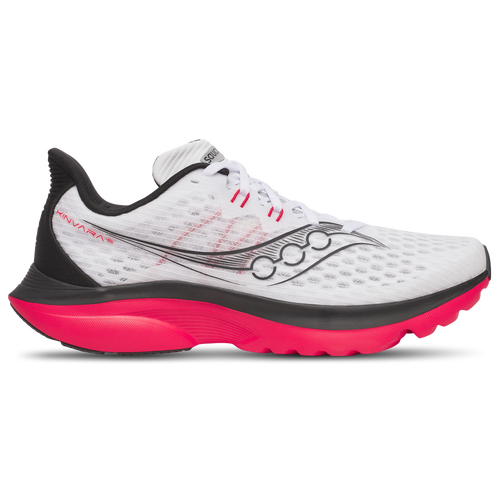
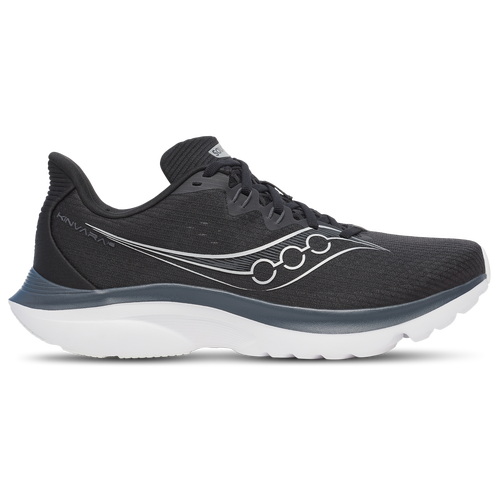
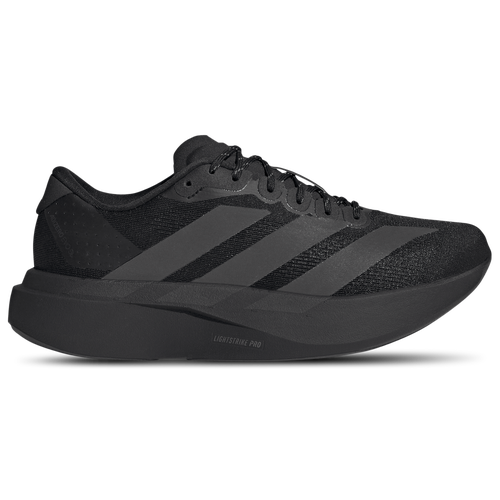
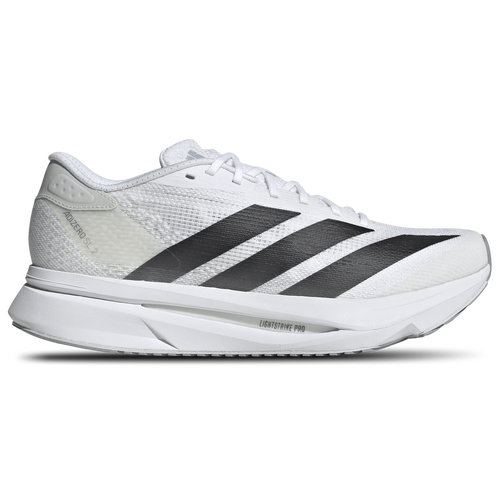
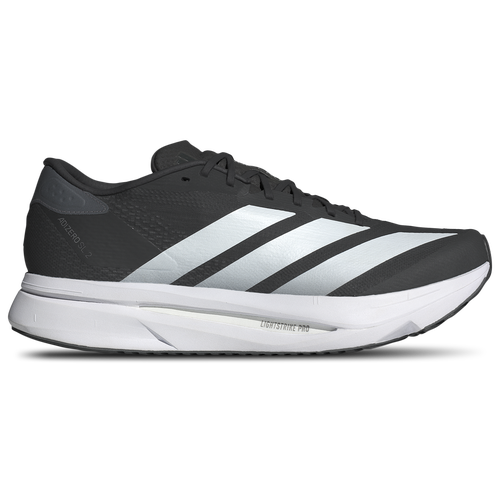
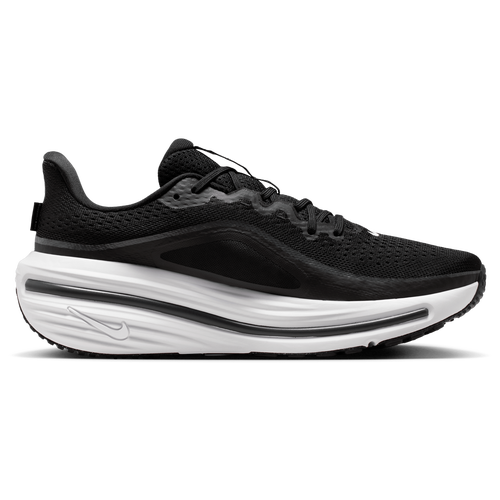
Elevate your performance with our collection of speed training running shoes, designed for athletes who demand agility and responsiveness. These shoes feature lightweight materials and advanced cushioning systems that provide optimal support while allowing for quick transitions. Experience enhanced traction and stability, ensuring you stay grounded during intense workouts and sprints.
Our selection focuses on breathability and comfort, making them ideal for speed training sessions. With a variety of styles and fits, you can find the perfect pair to match your training needs. Whether you're hitting the track or the pavement, our speed training running shoes will help you achieve your personal best.