
Walking Training Shoes
Showing 126 results
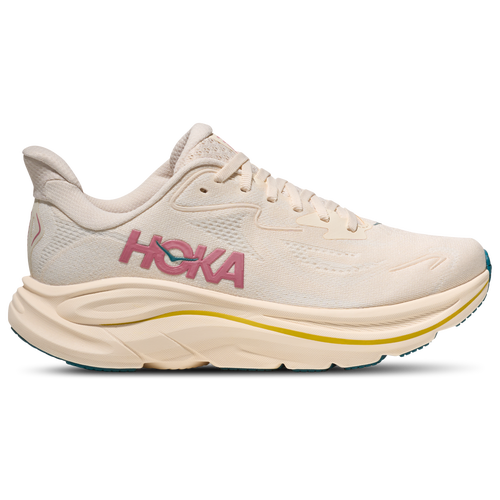
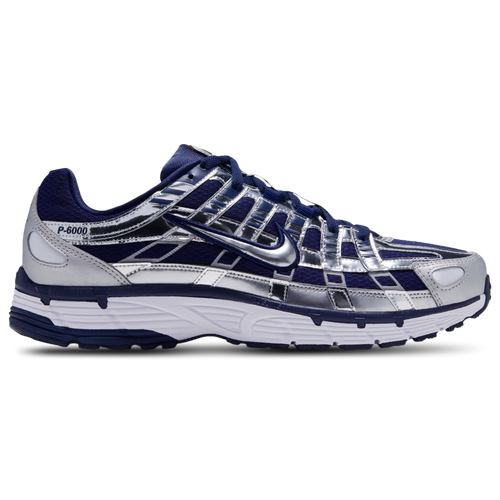
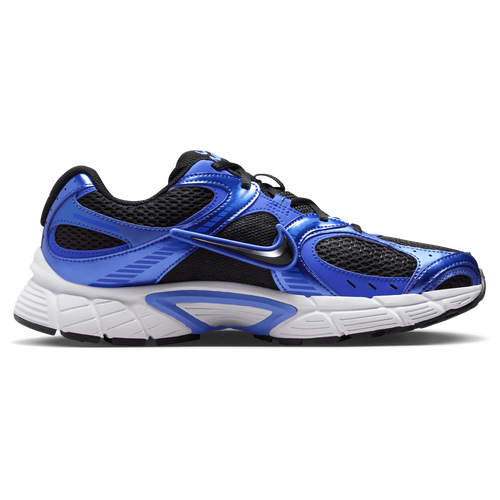
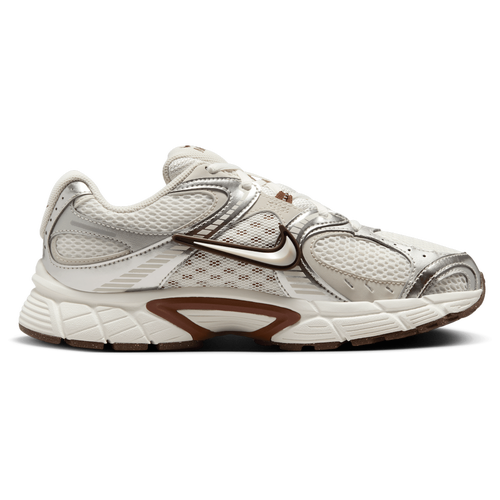
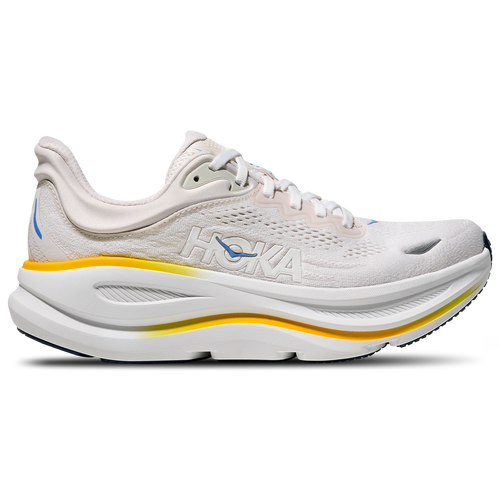
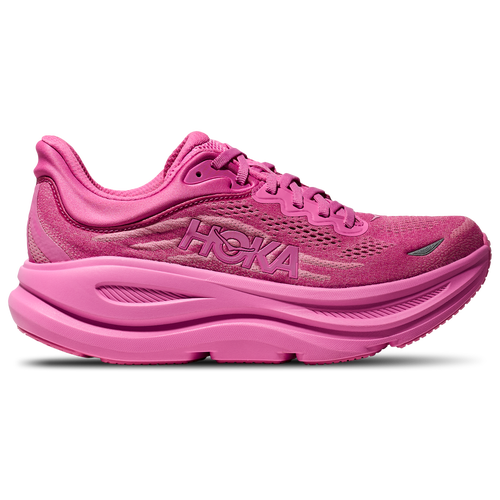
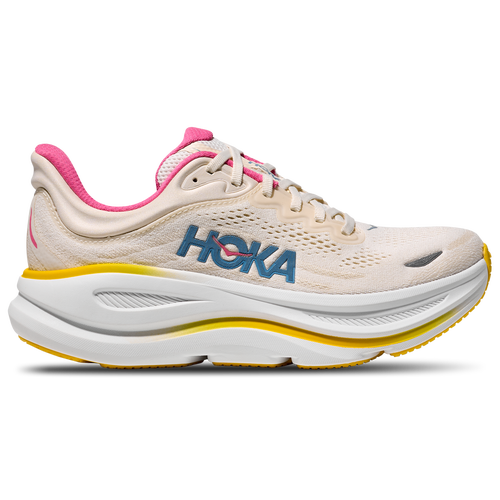
Our Walking Training Shoes sold out quickly! Explore similar styles now!
Search Results
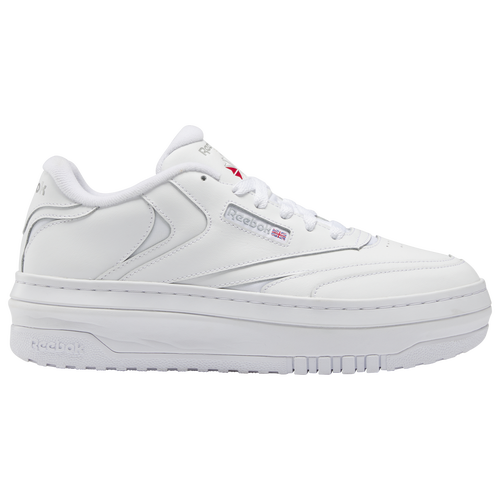
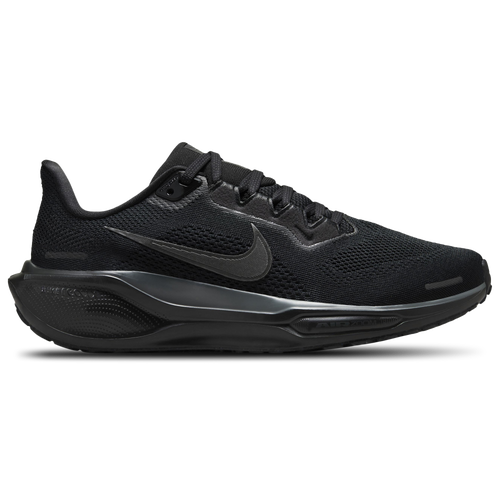
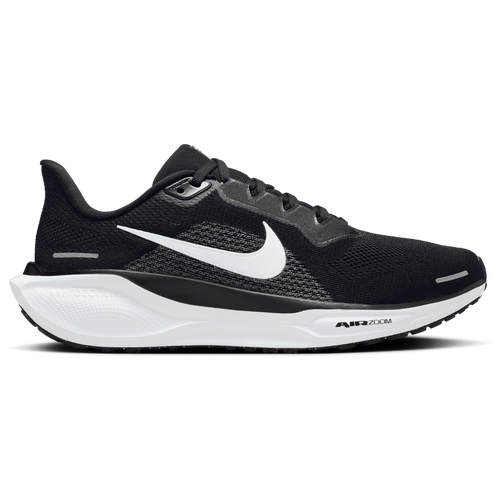
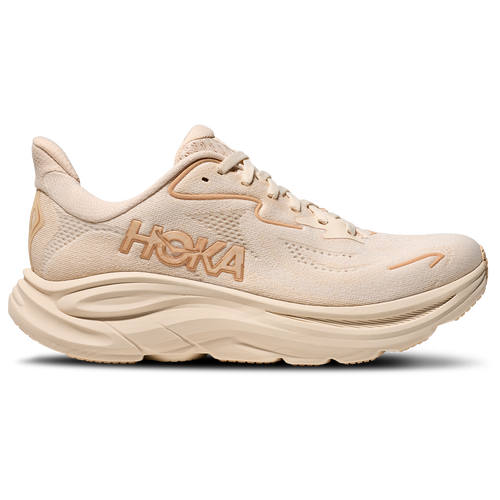

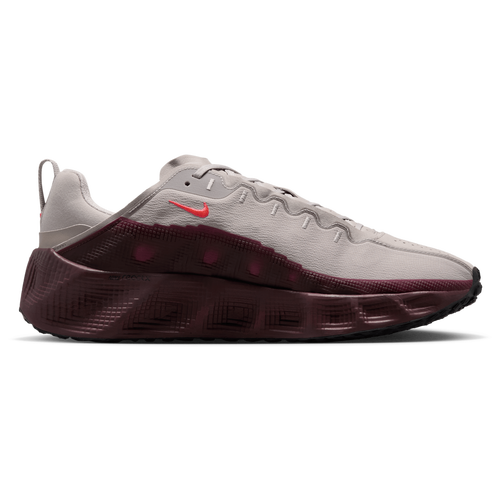
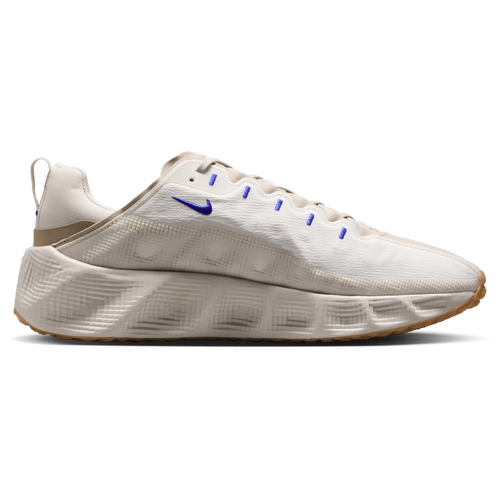
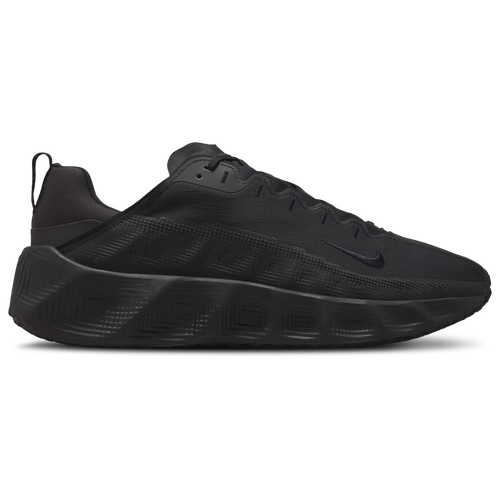
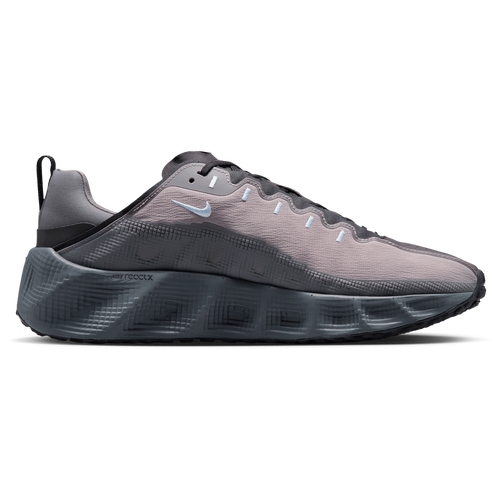
On this page...
- What are walking training shoes designed for?
- Are walking training shoes suitable for running?
- How do I choose the right size for walking training shoes?
- What materials are commonly used in walking training shoes?
- Are walking training shoes good for flat feet?
- Can walking training shoes be worn for everyday use?
- How often should I replace my walking training shoes?
- Are walking training shoes waterproof?
- What is the difference between walking shoes and cross-training shoes?
- How do I clean my walking training shoes?
- Are there specific features to look for in walking training shoes for wide feet?
- When were walking training shoes first introduced?
- Can I use walking training shoes for hiking?
- Do walking training shoes provide good arch support?
Frequently Asked Questions For Walking Training Shoes
Walking training shoes are specifically designed to provide comfort, support, and stability for individuals who engage in walking as a form of exercise. They typically feature cushioning to absorb impact, a flexible sole for natural movement, and a lightweight construction to enhance performance during walks.
While walking training shoes are optimized for walking, they may not provide the necessary support and cushioning required for running. Running shoes are designed with different features to accommodate the higher impact and forward motion associated with running, so it’s best to use shoes specifically made for each activity.
To choose the right size for walking training shoes, it’s important to measure your feet and refer to the brand's sizing chart. Make sure to try on shoes at the end of the day when your feet are slightly swollen, and ensure there is enough room in the toe box for your toes to move comfortably.
Walking training shoes are typically made from a combination of breathable mesh, synthetic materials, and rubber soles. These materials provide durability, flexibility, and ventilation, ensuring that your feet stay comfortable and dry during walks.
Yes, many walking training shoes are designed with arch support and stability features that can benefit individuals with flat feet. It’s advisable to look for shoes that offer additional cushioning and support to help alleviate discomfort and enhance your walking experience.
Walking training shoes can certainly be worn for everyday use, as they are designed for comfort and support. Their lightweight nature and cushioning make them suitable for casual outings, errands, or even standing for extended periods.
It is generally recommended to replace walking training shoes every 300 to 500 miles, depending on your walking frequency and the shoe's wear. Signs that it’s time for a replacement include decreased cushioning, visible wear on the outsole, and discomfort during walks.
Many walking training shoes are not inherently waterproof, but some models come with water-resistant features or materials. If you plan to walk in wet conditions, look for shoes specifically labeled as water-resistant or waterproof to keep your feet dry.
Walking shoes are specifically designed for forward motion and provide cushioning and support for walking, while cross-training shoes offer versatility for various activities, including gym workouts and aerobics. Cross-training shoes typically have a flatter sole and more lateral support to accommodate different movements.
To clean your walking training shoes, remove the laces and insoles, and gently brush off any dirt with a soft brush. You can use a mixture of mild soap and water to wipe down the exterior, and then air dry them away from direct sunlight to maintain their shape and materials.
When looking for walking training shoes for wide feet, seek out models that offer a wide fit option or those specifically designed for wider foot shapes. Features such as a roomy toe box, adjustable lacing systems, and flexible uppers can also enhance comfort and fit.
Walking training shoes have evolved significantly over the years, with their origins tracing back to the late 20th century when brands began to focus on specialized footwear for walking. The design and technology have advanced to improve comfort, support, and performance for walkers.
While walking training shoes can be used for light hiking on well-maintained trails, they may not provide the necessary traction and support for more rugged terrains. For hiking, it is advisable to choose shoes specifically designed for that purpose, which typically feature sturdier soles and enhanced ankle support.
Many walking training shoes are designed with built-in arch support to enhance comfort and stability during walks. It’s important to look for models that cater to your specific arch type, whether low, medium, or high, to ensure optimal support and prevent discomfort.
About Walking Training Shoes
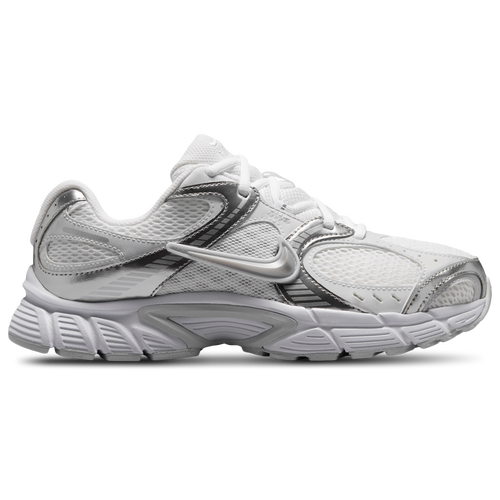
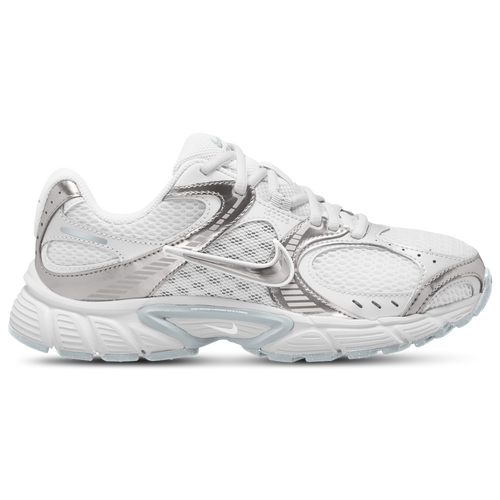
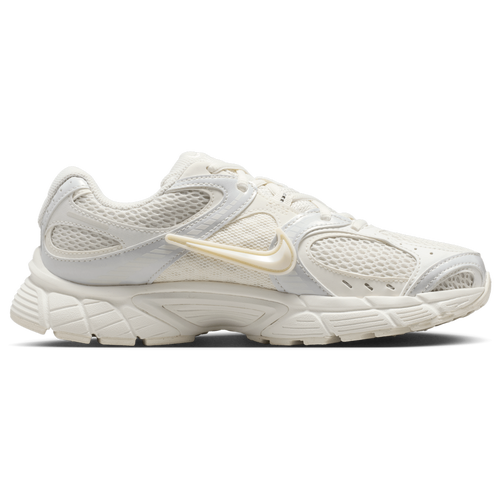
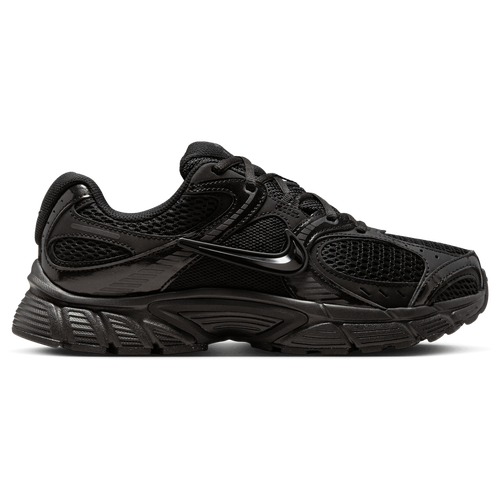
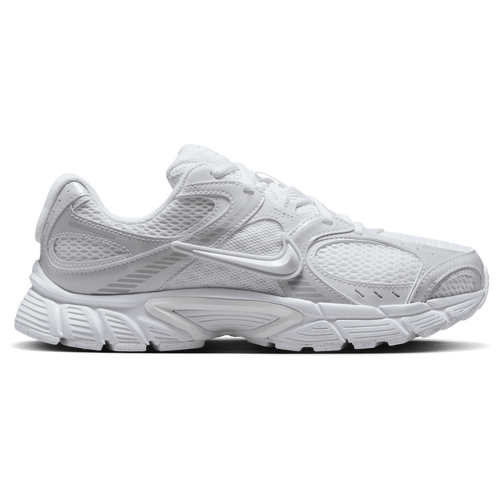
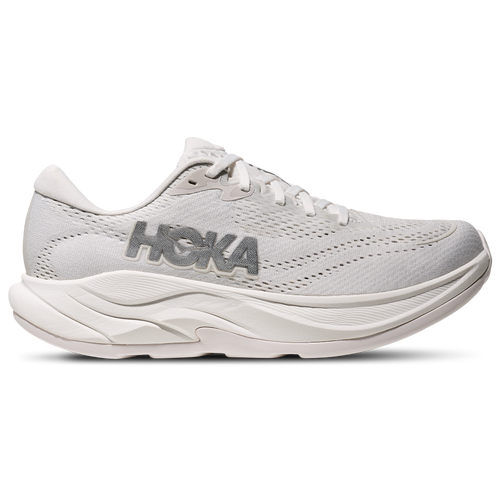
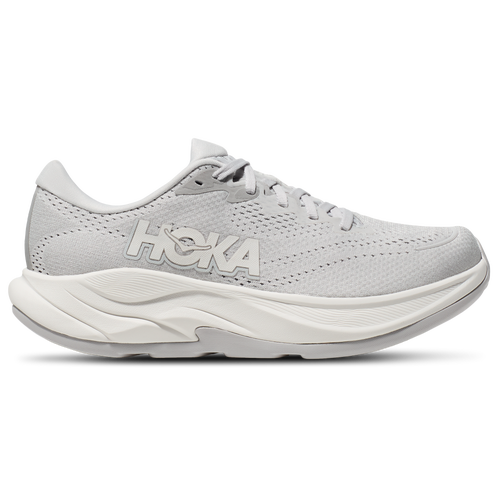
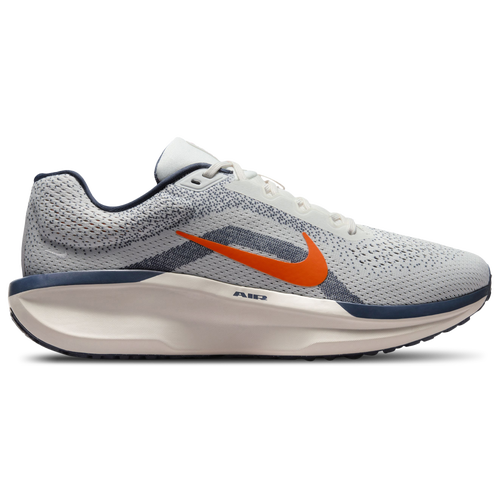
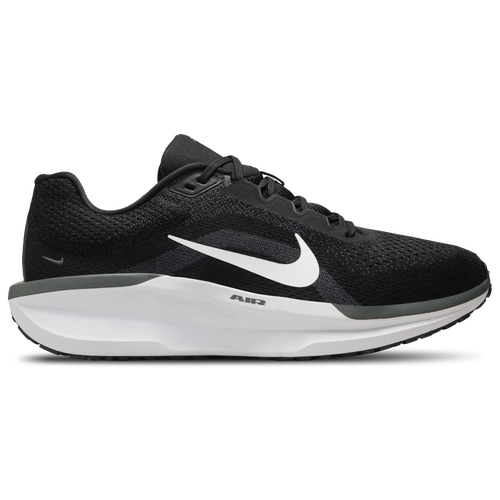
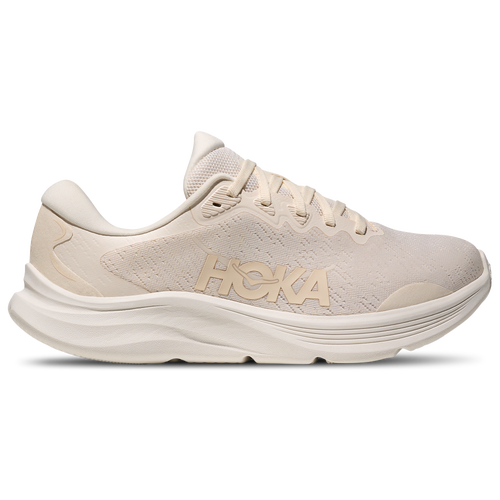
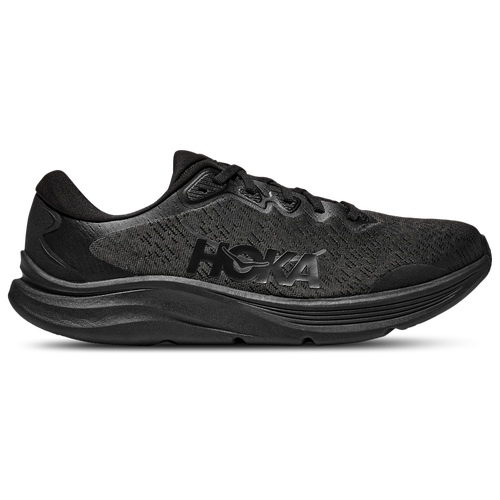
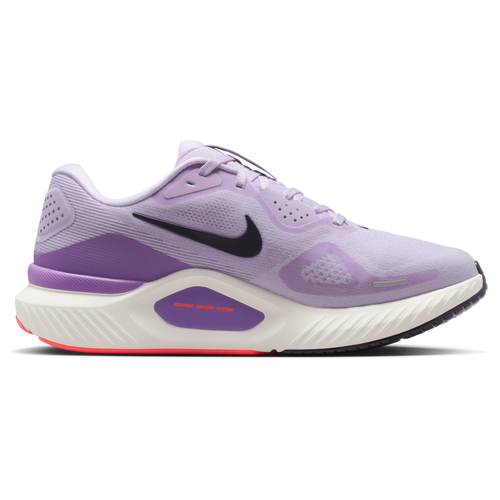
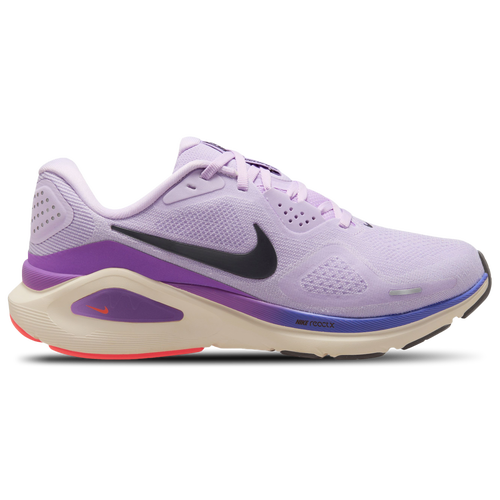
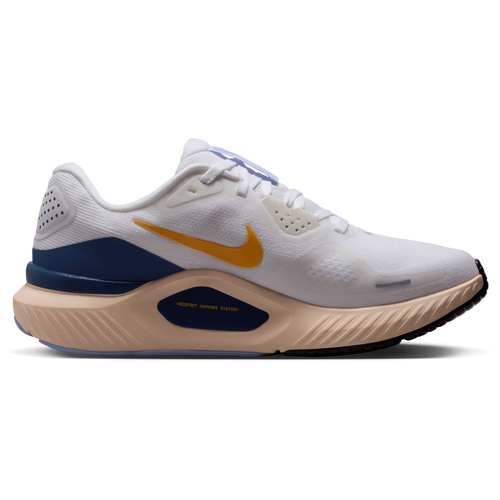
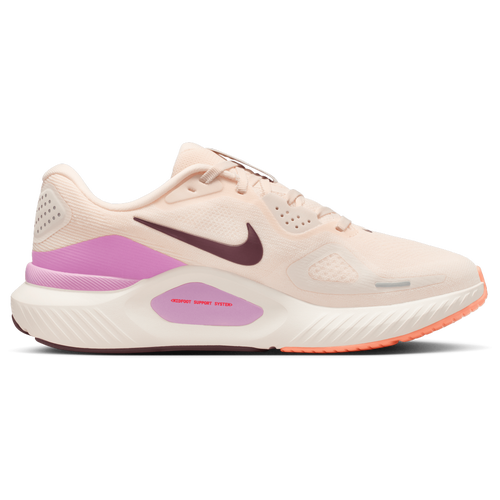
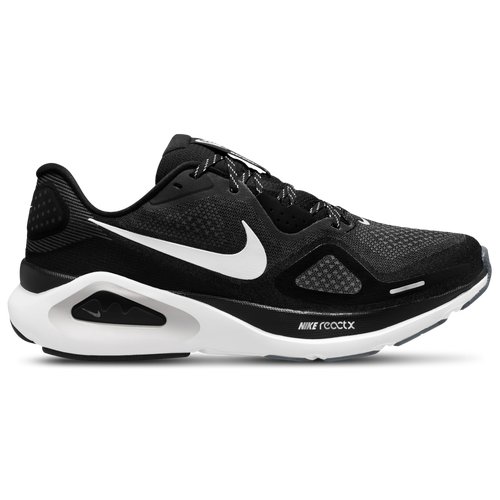
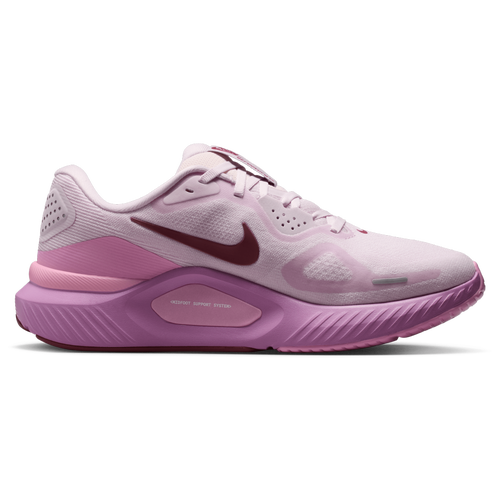
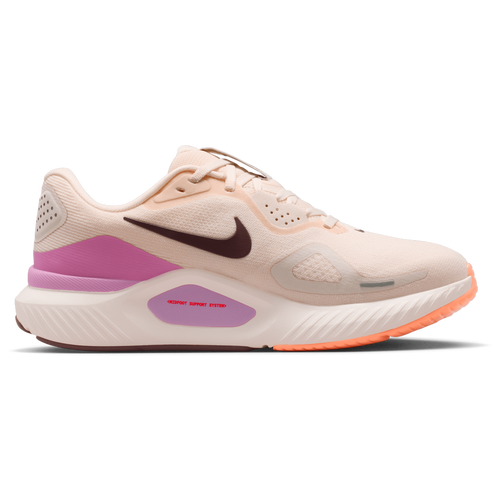
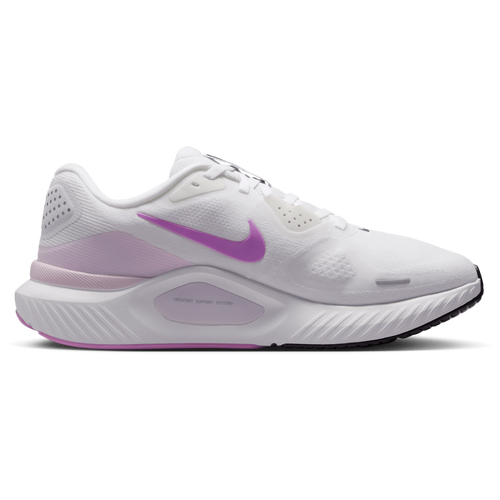
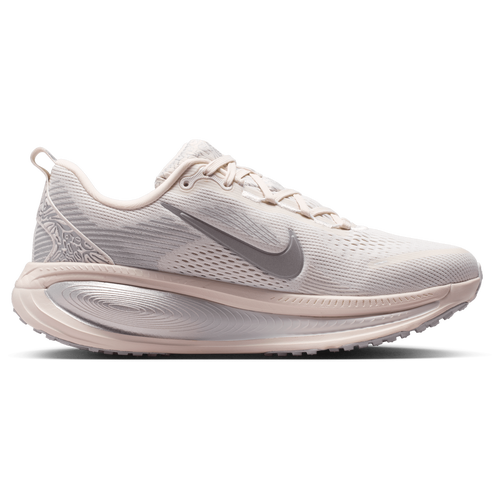
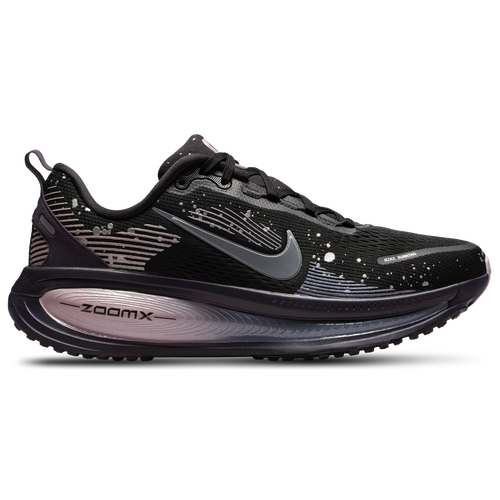
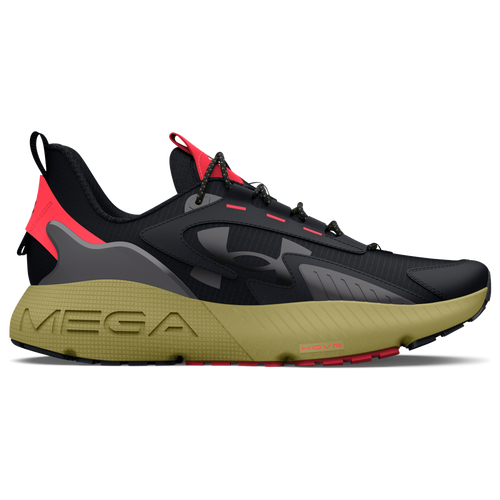
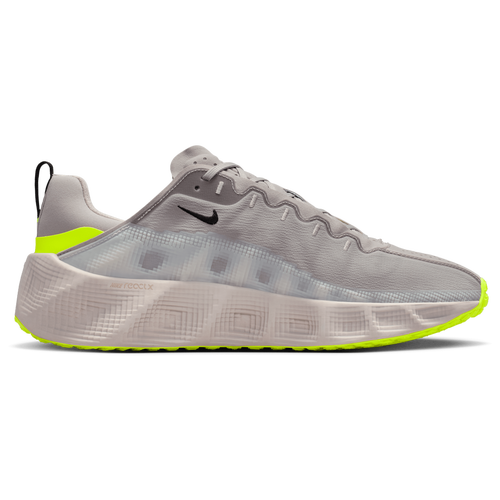
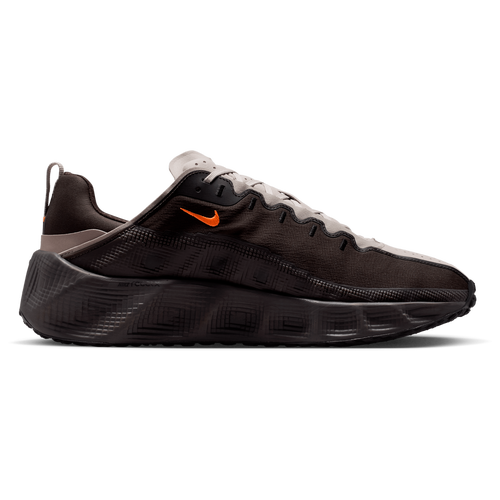
Step into comfort and performance with our collection of walking training shoes, designed for those who prioritize both style and functionality. These shoes feature lightweight materials and breathable designs, ensuring your feet stay cool and comfortable during any activity. With cushioned insoles and supportive midsoles, they provide the perfect balance of comfort and stability for your walking routine.
Whether you're hitting the pavement for a brisk walk or training for a fitness goal, our walking training shoes offer excellent traction and durability. The flexible outsoles allow for natural movement, making each step feel effortless. Elevate your walking experience with footwear that combines innovative technology and sleek design, perfect for every fitness enthusiast.