
Running And Lifting Shoes
Showing 24 results
Our Running And Lifting Shoes sold out quickly! Explore similar styles now!
Search Results
On this page...
- What are running and lifting shoes designed for?
- Are running and lifting shoes suitable for cross-training?
- How do I choose the right size for running and lifting shoes?
- What materials are commonly used in running and lifting shoes?
- Are running and lifting shoes true to size?
- Can I use running shoes for lifting weights?
- How much cushioning do running and lifting shoes have?
- When should I replace my running and lifting shoes?
- Are there specific features to look for in lifting shoes?
- Can I wear running shoes for everyday activities?
- What is the difference between neutral and stability running shoes?
- Are there specific running and lifting shoes for women?
- How do I clean my running and lifting shoes?
Frequently Asked Questions For Running And Lifting Shoes
Running and lifting shoes are specifically engineered to provide the necessary support and stability for different types of physical activities. Running shoes focus on cushioning and shock absorption for forward motion, while lifting shoes are designed with a flat sole and added support to enhance stability during weightlifting exercises.
While running and lifting shoes serve distinct purposes, some models are designed to accommodate cross-training activities. These versatile shoes often feature a balance of cushioning and stability, making them suitable for various workouts, including running, lifting, and agility drills.
To choose the right size for running and lifting shoes, it is essential to measure your foot accurately and refer to the sizing chart provided. Ensure there is a thumb's width of space between your longest toe and the front of the shoe, allowing for comfort during movement.
Running and lifting shoes are typically made from a combination of breathable mesh, synthetic materials, and rubber soles. The upper part often features lightweight and flexible materials for breathability, while the sole is crafted for durability and traction on various surfaces.
Most running and lifting shoes are designed to fit true to size, but this can vary by model and brand. It is advisable to try on shoes in-store or check the specific sizing recommendations for each model to ensure a proper fit.
While you can use running shoes for lifting weights, they may not provide the stability and support needed for optimal performance. Lifting shoes are designed with a flat sole and a firmer structure to help maintain balance and proper form during weightlifting exercises.
The amount of cushioning in running and lifting shoes varies by model and intended use. Running shoes typically have more cushioning to absorb impact during runs, while lifting shoes have minimal cushioning to promote stability and ground contact during lifts.
It is generally recommended to replace running and lifting shoes every 300 to 500 miles for running shoes and after significant wear for lifting shoes. Signs of wear include a loss of cushioning, visible damage, or decreased performance during workouts.
When selecting lifting shoes, look for features such as a flat, non-compressive sole, a secure fit, and a raised heel for improved squat mechanics. Additionally, consider shoes with a durable upper material for added support during heavy lifts.
Yes, running shoes can be worn for everyday activities due to their comfort and lightweight design. They provide good support for casual walking and daily errands, making them a versatile option for various occasions.
Neutral running shoes are designed for runners with a neutral gait, providing cushioning without extra support. Stability running shoes, on the other hand, offer additional support to help control overpronation, making them suitable for runners who need extra stability during their stride.
Yes, there are running and lifting shoes specifically designed for women, taking into account differences in foot shape and biomechanics. These shoes often feature a narrower fit and additional cushioning tailored to women's needs for optimal performance and comfort.
To clean running and lifting shoes, remove the laces and insoles, then use a soft brush or cloth to remove dirt and debris. For deeper cleaning, use mild soap and water, avoiding harsh chemicals, and allow the shoes to air dry away from direct sunlight.
About Running and Lifting Shoes
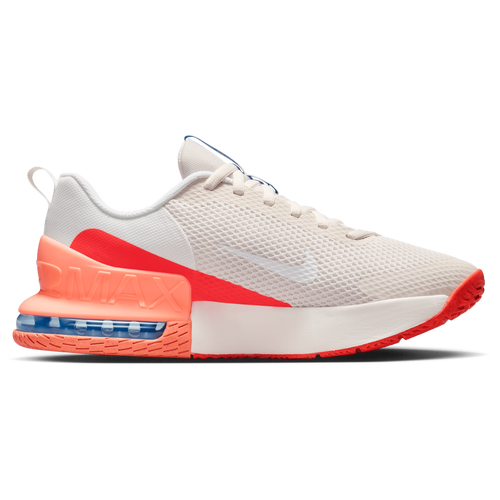
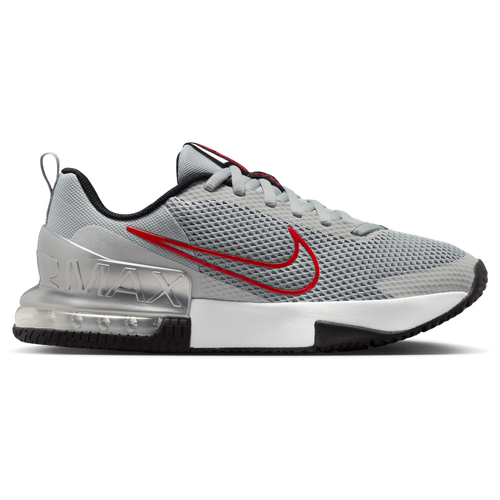
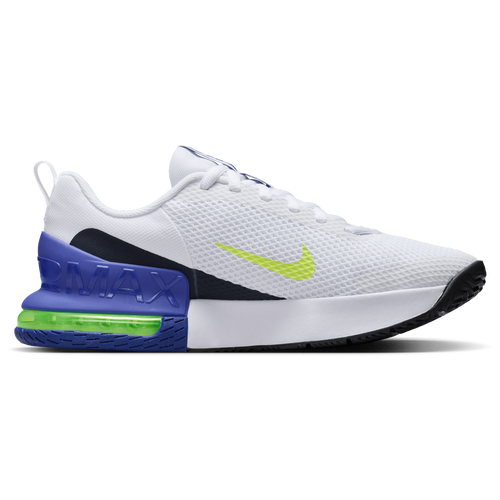
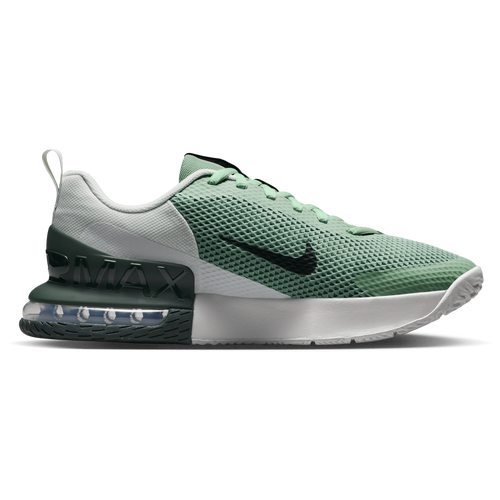
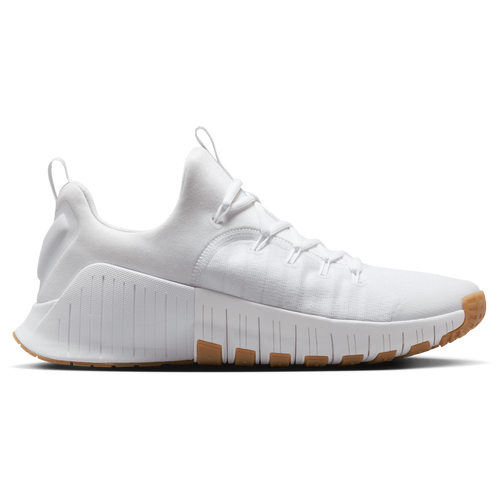
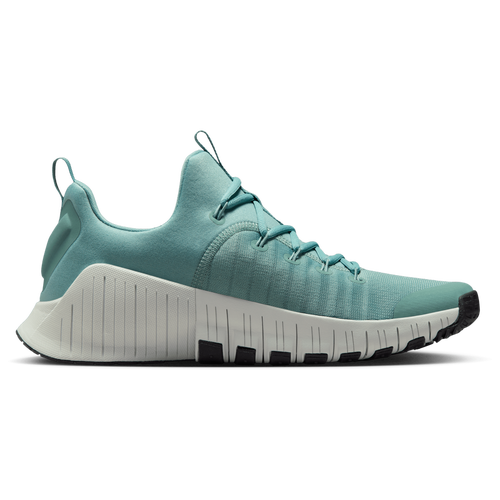
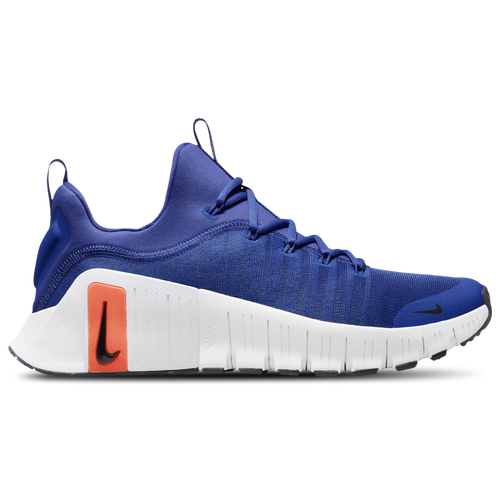
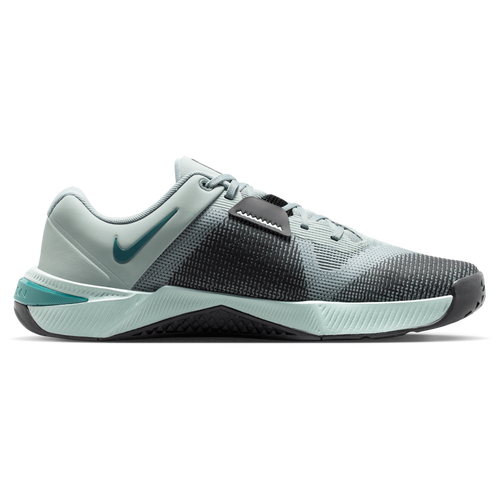
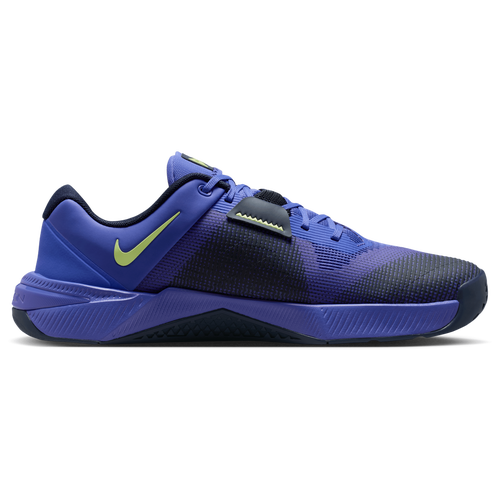
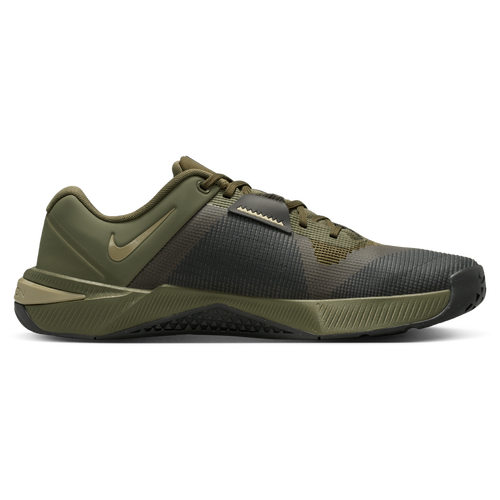
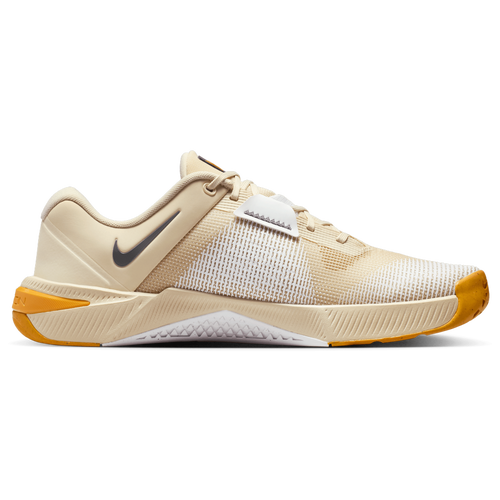
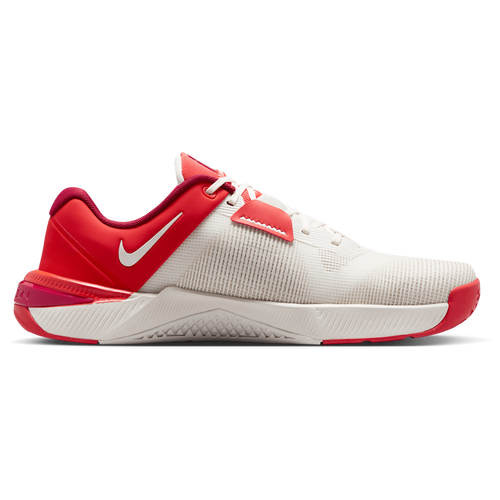
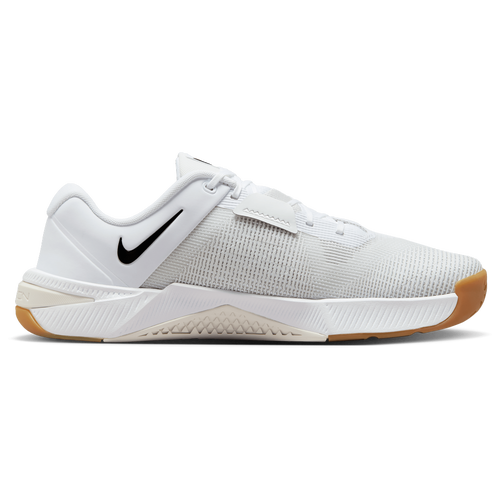
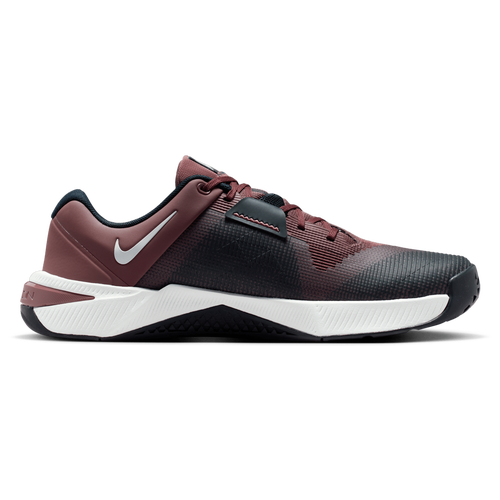
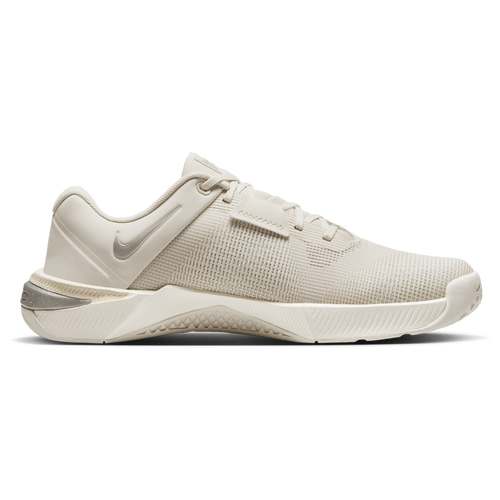
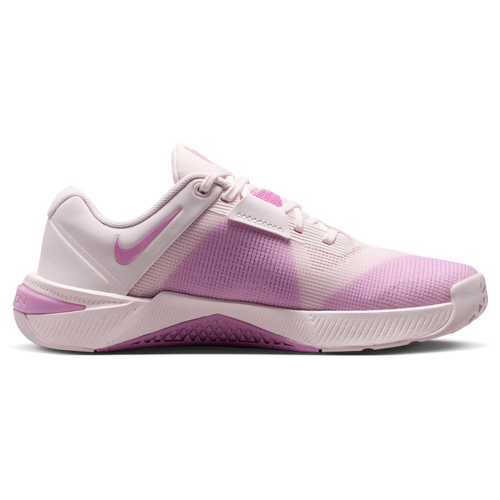
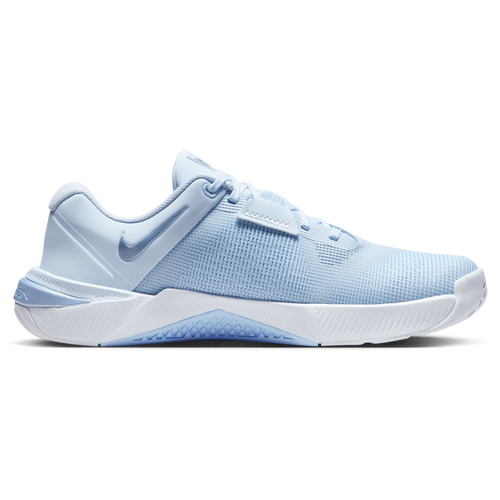
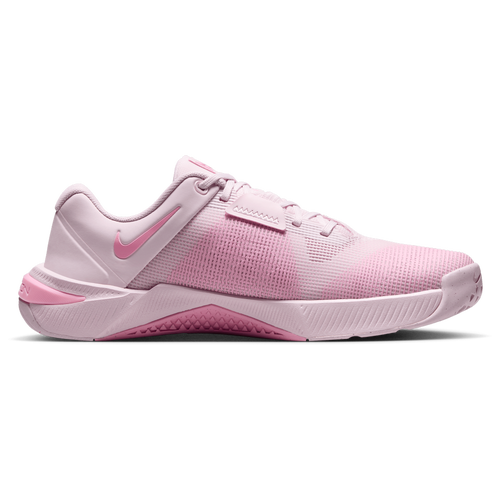
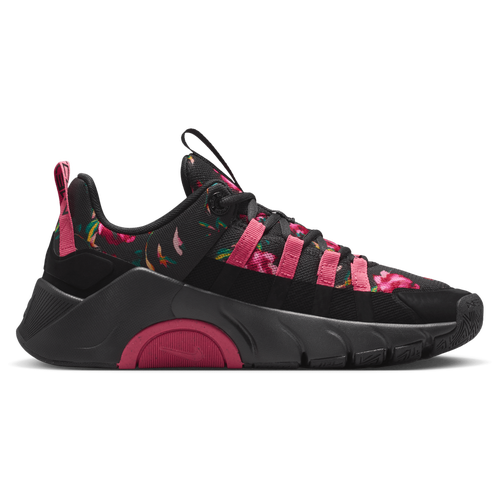
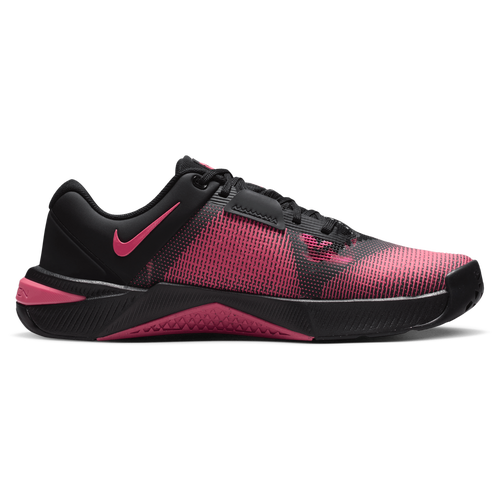
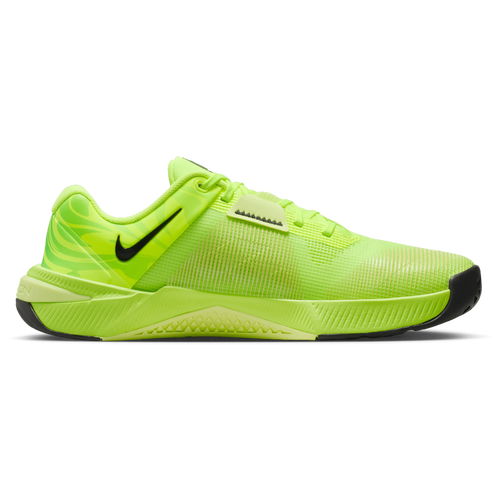
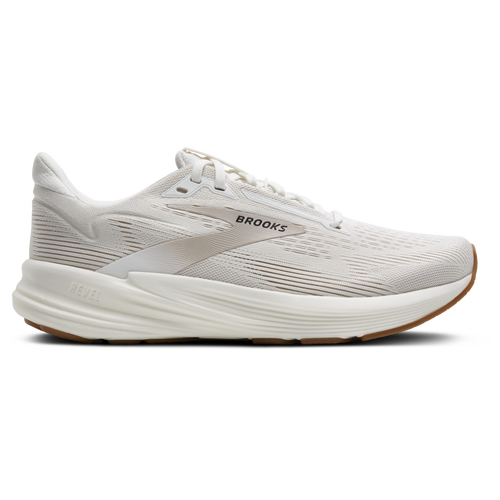
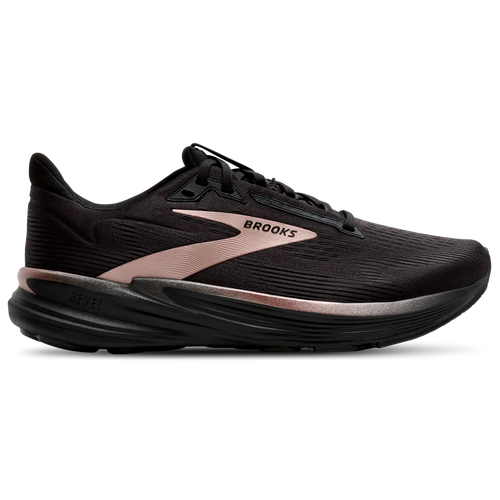
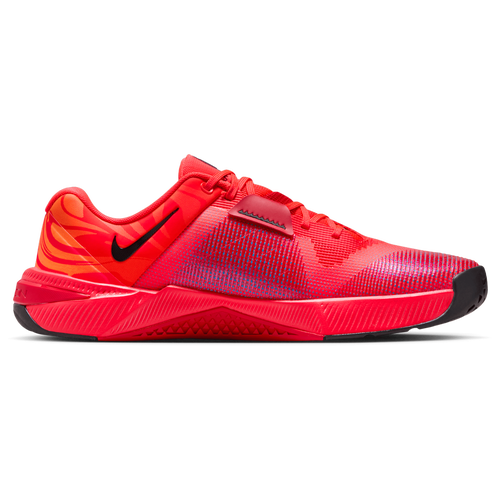
Elevate your performance with our collection of running and lifting shoes, designed to support your every move. These versatile shoes offer the perfect blend of cushioning and stability, ensuring comfort during your runs and strength training sessions. Engineered for durability, they provide the traction and support you need to conquer any workout.
Whether you're hitting the pavement or the gym, our selection caters to all fitness enthusiasts. Enjoy lightweight designs that promote agility while maintaining the necessary support for lifting. With innovative features tailored for both running and strength training, you can seamlessly transition between workouts and achieve your fitness goals.