
Synthetic Running Shoes
Showing 16 results
Our Synthetic Running Shoes sold out quickly! Explore similar styles now!
Search Results
On this page...
- What are synthetic running shoes made of?
- Are synthetic running shoes suitable for long-distance running?
- How do synthetic running shoes compare to traditional leather running shoes?
- Do synthetic running shoes provide good arch support?
- Are synthetic running shoes waterproof?
- How do I clean my synthetic running shoes?
- What is the lifespan of synthetic running shoes?
- Are synthetic running shoes good for trail running?
- Can synthetic running shoes be used for everyday wear?
- How do I choose the right size for synthetic running shoes?
- Are synthetic running shoes breathable?
- What features should I look for in synthetic running shoes?
- When were synthetic running shoes first introduced?
- Are synthetic running shoes suitable for people with flat feet?
Frequently Asked Questions For Synthetic Running Shoes
Synthetic running shoes are typically constructed from materials such as nylon, polyester, and other man-made fibers. These materials are chosen for their lightweight properties, durability, and ability to wick moisture away from the foot, enhancing comfort during runs.
Yes, synthetic running shoes are designed to provide support and cushioning, making them suitable for long-distance running. Their lightweight nature and breathable materials help reduce fatigue and keep your feet comfortable over extended periods.
Synthetic running shoes generally offer better breathability and moisture management compared to traditional leather shoes. They are also lighter, which can enhance performance, while leather shoes may provide a more classic look and feel but can be heavier and less breathable.
Many synthetic running shoes come with built-in arch support, designed to cater to various foot types and running styles. It’s important to choose a model that matches your specific arch needs for optimal comfort and performance.
While many synthetic running shoes are designed to be water-resistant, not all are fully waterproof. Some models may feature water-repellent coatings or membranes, making them suitable for light rain or wet conditions, but for heavy downpours, specialized waterproof shoes are recommended.
To clean synthetic running shoes, remove the laces and insoles, then use a damp cloth or sponge with mild soap to wipe down the exterior. Avoid submerging them in water and let them air dry away from direct sunlight to maintain their shape and materials.
The lifespan of synthetic running shoes typically ranges from 300 to 500 miles, depending on factors like running style, terrain, and shoe care. Regularly inspecting the shoes for signs of wear can help determine when it's time for a replacement.
Yes, many synthetic running shoes are designed specifically for trail running, featuring rugged outsoles for traction and reinforced uppers for durability. They provide the necessary support and protection needed for uneven terrains.
Absolutely, synthetic running shoes can be worn for everyday activities due to their comfort and stylish designs. They offer excellent cushioning and support, making them a great choice for casual outings or daily errands.
To choose the right size for synthetic running shoes, it’s best to measure your feet and refer to the sizing chart provided by the retailer. Additionally, trying on shoes in the afternoon when your feet are slightly swollen can help ensure a proper fit for running.
Yes, synthetic running shoes are often designed with breathable mesh panels that promote airflow, keeping your feet cool and dry during runs. This breathability is essential for comfort, especially in warmer weather.
When selecting synthetic running shoes, consider features such as cushioning, arch support, breathability, and the type of outsole for traction. Additionally, look for a secure fit and lightweight materials to enhance your running experience.
Synthetic running shoes began to gain popularity in the late 20th century as advancements in material technology allowed for lighter, more durable options. Over the years, they have evolved significantly, becoming a staple in the running community.
Yes, there are synthetic running shoes specifically designed for individuals with flat feet, offering additional support and stability. It’s important to look for models that provide adequate arch support and cushioning to accommodate flat foot mechanics.
About Synthetic Running Shoes
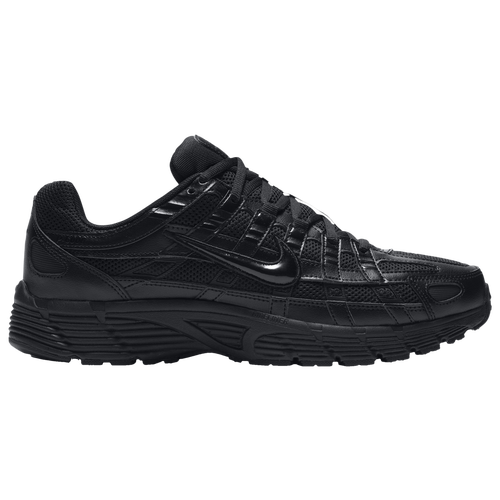
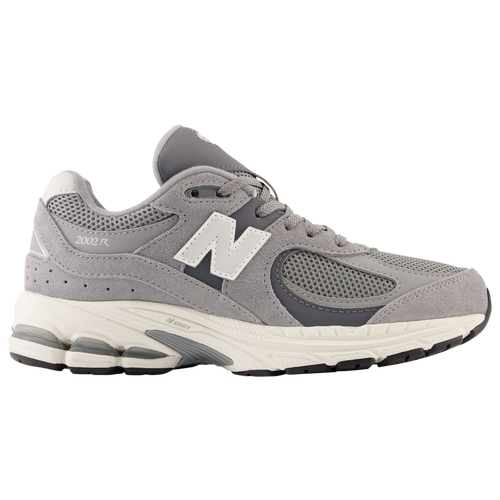
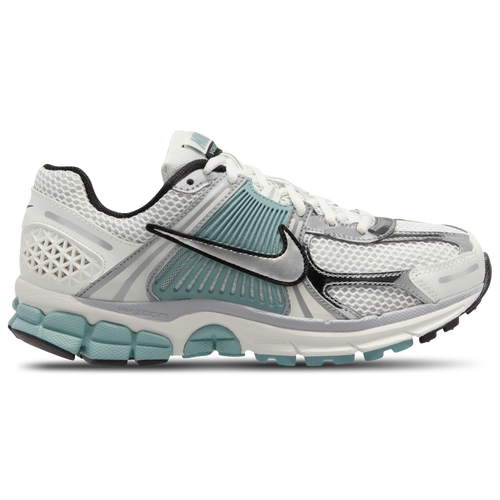
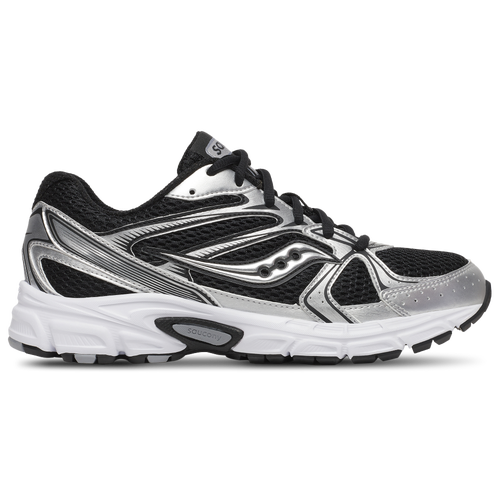
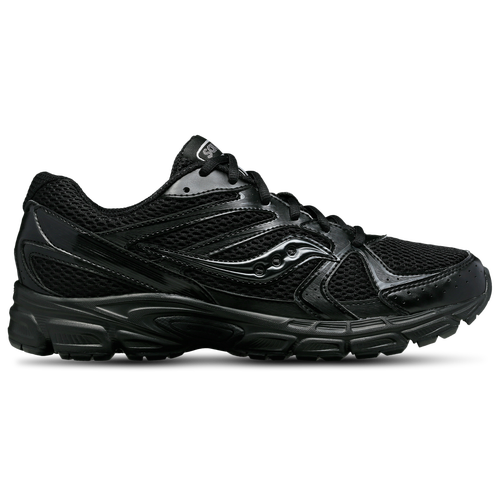
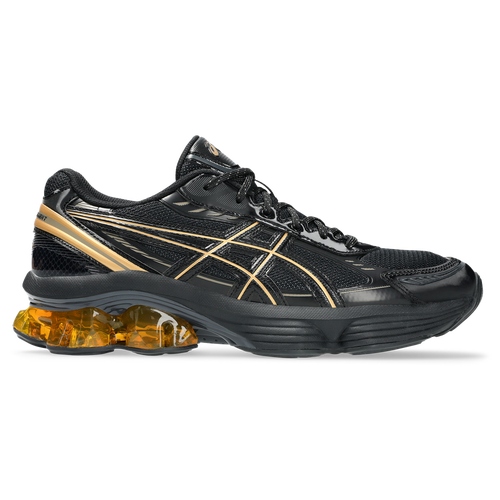
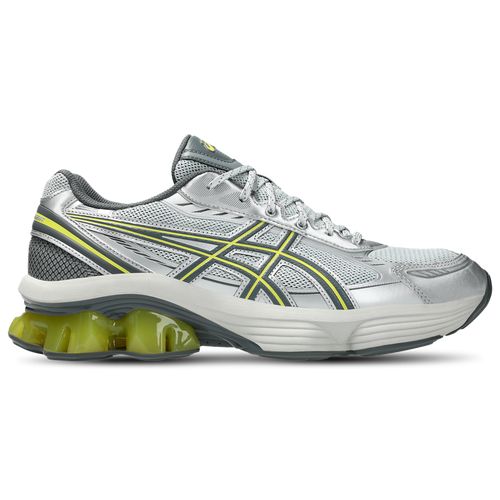
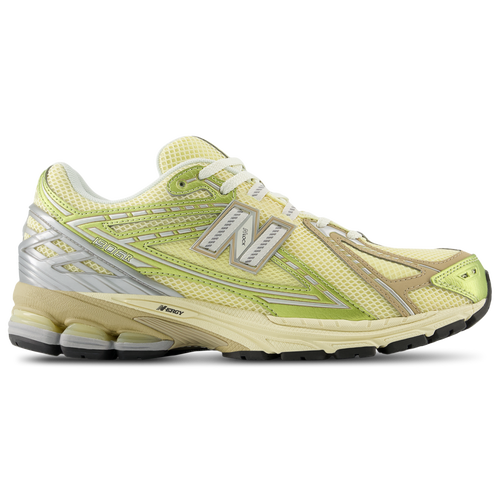
Discover the perfect blend of comfort and performance with our collection of synthetic running shoes. Designed for runners of all levels, these shoes feature lightweight materials that provide excellent breathability and support. The cushioned soles ensure a smooth ride, making every step feel effortless, whether you're hitting the pavement or tackling trails.
Our synthetic running shoes are engineered for durability and flexibility, adapting to your foot's natural movement. With a variety of styles and colors, you can find the ideal pair that matches your personal flair while enhancing your running experience. Elevate your performance and enjoy every mile with footwear designed to keep you going strong.