
Supportive Running Shoes
Showing 15 results
Our Supportive Running Shoes sold out quickly! Explore similar styles now!
Search Results
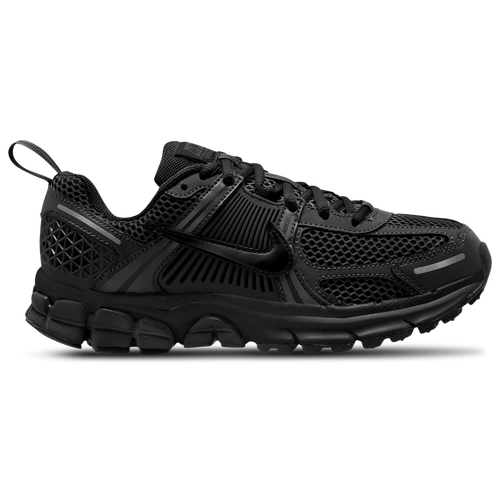
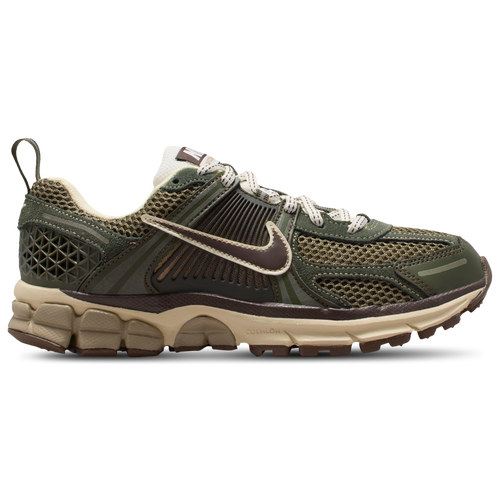
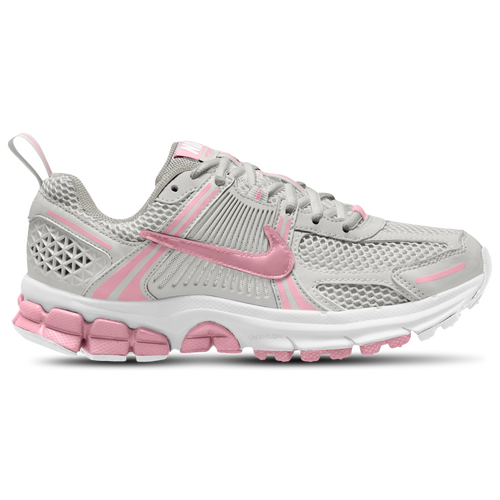
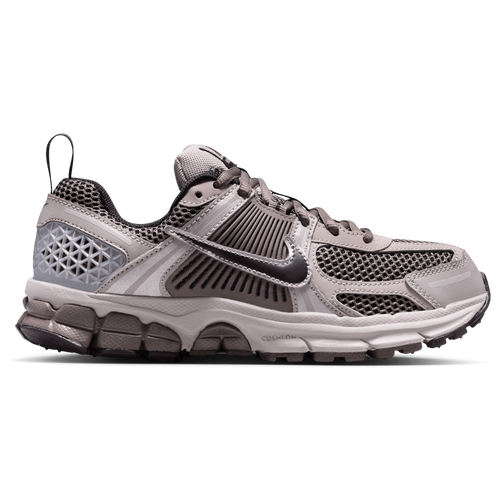
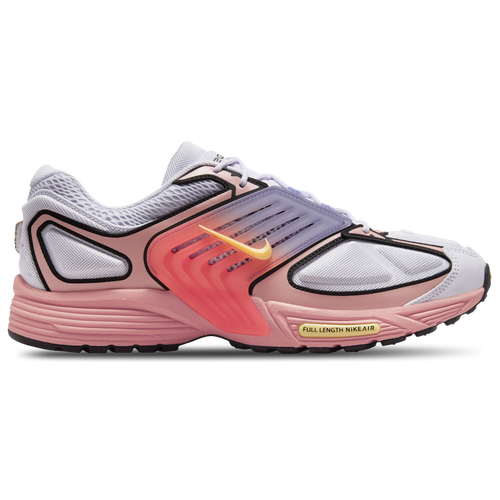
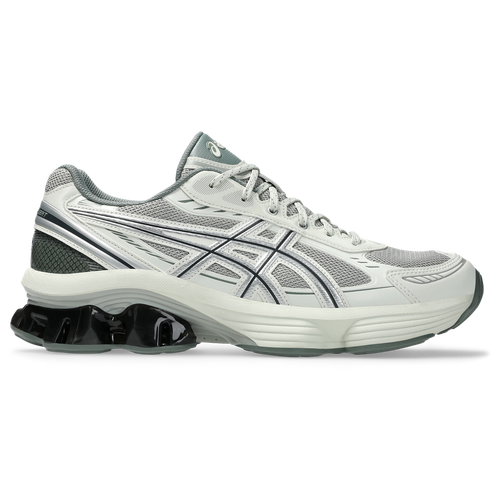
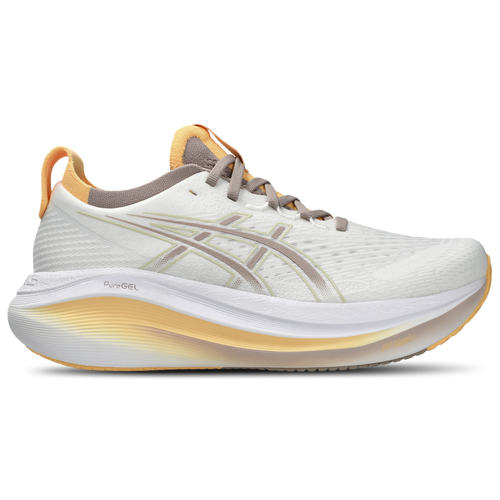
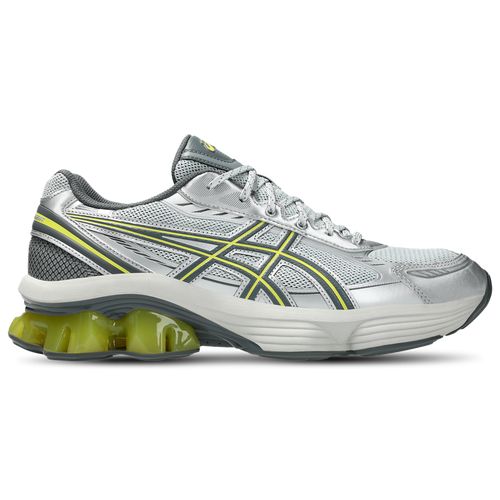
On this page...
- What are supportive running shoes?
- How do I know if I need supportive running shoes?
- Are supportive running shoes suitable for all types of runners?
- What features should I look for in supportive running shoes?
- Are supportive running shoes heavier than neutral running shoes?
- Can supportive running shoes help with common running injuries?
- How do I choose the right size for supportive running shoes?
- Are supportive running shoes good for walking as well?
- What materials are commonly used in supportive running shoes?
- How often should I replace my supportive running shoes?
- Can I use supportive running shoes for trail running?
- What is the difference between stability shoes and motion control shoes?
- Are there supportive running shoes designed for wide feet?
- How do I break in supportive running shoes?
Frequently Asked Questions For Supportive Running Shoes
Supportive running shoes are designed to provide stability and cushioning for runners, helping to reduce the risk of injury. They typically feature features like arch support, a structured midsole, and a secure fit to accommodate various foot types and running styles.
If you experience overpronation, flat feet, or require additional stability during your runs, supportive running shoes may be beneficial. It's advisable to consult with a specialist at a running store or a podiatrist to assess your foot type and gait for the best fit.
Supportive running shoes are particularly beneficial for runners who need extra stability due to specific foot mechanics or those who run on uneven surfaces. However, neutral runners may prefer shoes with less support, so it's important to choose a shoe that matches your running style.
Look for features such as a firm midsole, arch support, and a structured heel counter. Additionally, consider the shoe's cushioning, breathability, and weight to ensure it meets your comfort and performance needs.
Supportive running shoes can be slightly heavier than neutral shoes due to the additional materials used for stability and support. However, advancements in technology have led to lighter supportive options that still provide the necessary features without compromising comfort.
Yes, supportive running shoes can help alleviate issues such as plantar fasciitis, shin splints, and knee pain by providing the necessary support and cushioning. Proper footwear can play a significant role in preventing injuries and promoting a more comfortable running experience.
When selecting supportive running shoes, ensure there is about a thumb's width of space between your longest toe and the front of the shoe. It's also important to try them on with the socks you plan to wear while running and walk or jog around the store to check for comfort and fit.
Yes, supportive running shoes can be excellent for walking, especially for individuals who require extra stability and cushioning. The features that make them suitable for running also provide comfort and support for walking long distances.
Supportive running shoes are typically made from a combination of breathable mesh, synthetic overlays, and cushioned midsoles, often featuring materials like EVA or polyurethane. These materials work together to provide comfort, durability, and support during runs.
It's generally recommended to replace supportive running shoes every 300 to 500 miles, depending on your running style and the shoe's wear. Signs of wear, such as decreased cushioning or visible damage, indicate it's time for a new pair to maintain optimal support and performance.
While supportive running shoes can be used for trail running, it's important to choose a model specifically designed for off-road conditions. Trail running shoes typically have enhanced traction, a rugged outsole, and additional protection to handle uneven terrain effectively.
Stability shoes offer moderate support for runners who overpronate, providing a balance of cushioning and stability. Motion control shoes, on the other hand, are designed for severe overpronators and offer maximum support and structure to prevent excessive foot movement during runs.
Yes, many brands offer supportive running shoes in wide widths to accommodate runners with broader feet. It's essential to look for models specifically labeled as "wide" to ensure the best fit and comfort during your runs.
To break in supportive running shoes, start by wearing them for short periods during daily activities before taking them on longer runs. Gradually increase the duration and intensity of your runs to allow the materials to conform to your feet while ensuring comfort and support.
About Supportive Running Shoes
Discover the perfect blend of comfort and stability with our collection of supportive running shoes. Designed to provide optimal cushioning and arch support, these shoes help reduce fatigue and enhance your running experience. Whether you're a seasoned marathoner or a casual jogger, our selection ensures you can hit the pavement with confidence and ease.
Each pair features lightweight materials and breathable designs, promoting airflow while maintaining durability. With a focus on ergonomic fit and shock absorption, our supportive running shoes are tailored to meet the needs of every runner. Elevate your performance and enjoy every stride with footwear that prioritizes your comfort and support.