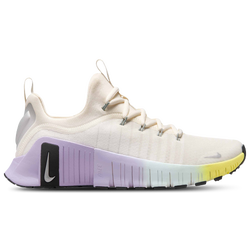
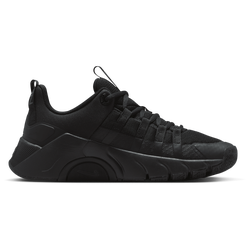
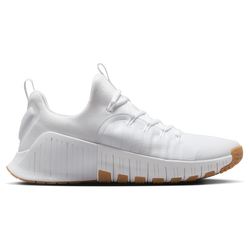
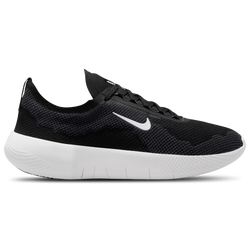
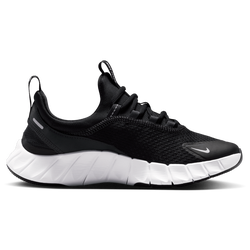
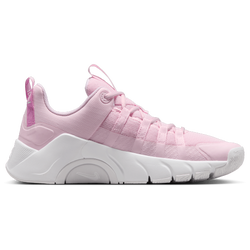
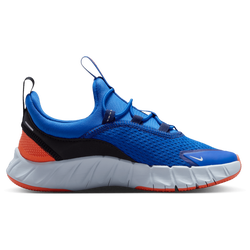
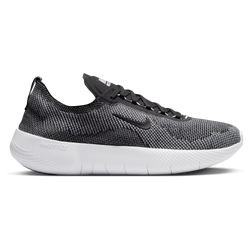
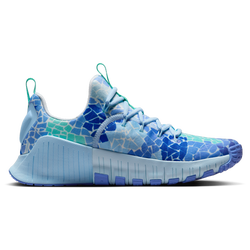
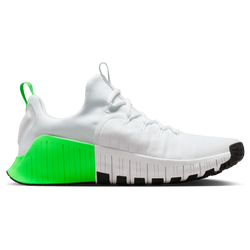
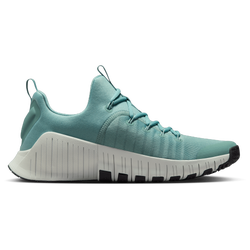
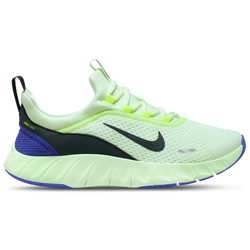
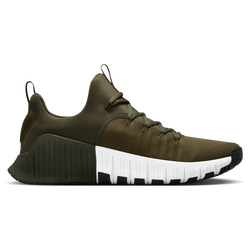
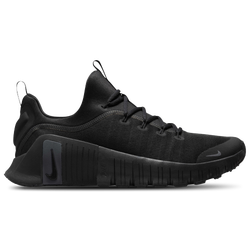
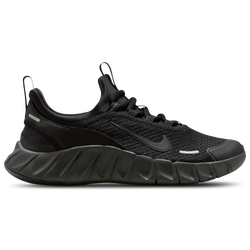
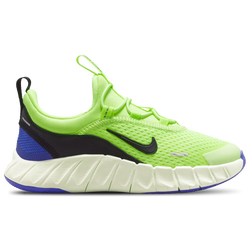
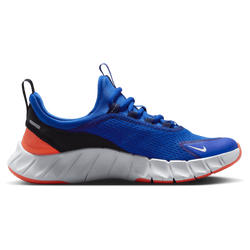
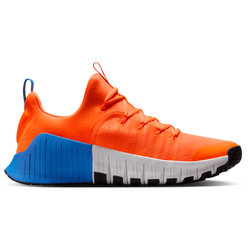
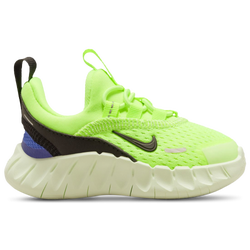
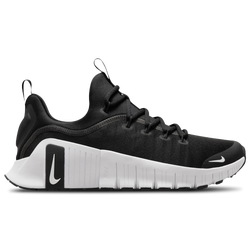
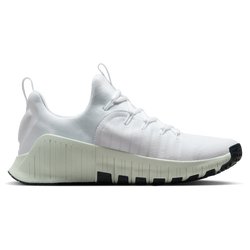
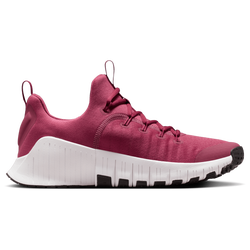
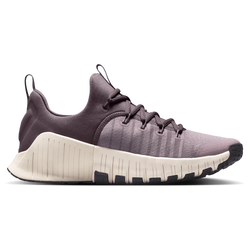
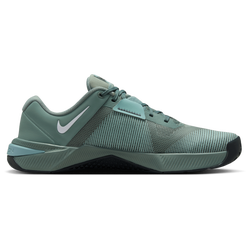
Tobie Hatfield, brother of legendary sneaker designer, Tinker Hatfield, had been seeking the formula for a shoe that was less rigid than many of the running shoes of the ’90s. Nike first created models like the Nike Air Rift and Nike Air Presto in an attempt to give the runner more natural motion, but it wasn’t until a 2001 Stanford University track practice when Nike designers discovered training barefoot led to increased performance. This led to the study of the biomechanics around this phenomenon and ultimately to the birth of the Nike Free as we know it.
The signature ribbed, flexible outsole – a fundamental piece of the Free’s motion – actually got its roots from a freezer. That’s right, the thing that keeps your food icy cold. Hatfield became inspired by the aesthetic of an ice cube tray. As you can still see today, the Nike Free features the segmented, bendy white outsole on many of its models. This outsole proved to be key in allowing for natural support of each runner’s unique stride. The Nike Free gave everyone that put on the shoe the ability to run like they were barefoot – regardless of their stride – with a natural movement never seen before.
Finding your Free
The original Nike Free 5.0 V1, released in 2004, showcased a skeleton print on the insole, symbolizing the barefoot feel of the shoe. At its release, it was announced that there would be a numbering system ranging from 0 to 10 – the lower the number representing a near barefoot feel, and the higher the number more of a traditional running shoe feel. A newer edition of the 5.0 still stocks the shelves today. Versions of the Nike Free, ranging from the Nike Free RN Flyknit to the slimmer Nike Free Flyknit 3.0, allow for an even more “free” and natural movement than ever before.
Related to Nike Free Shoes
Nike Free RN Shoes, Nike Free Trainer Shoes, Nike Free 5.0 Shoes, Nike Free 3.0 Shoes, Nike Free 4.0 Shoes, Nike Free RN Distance Shoes, Nike Free TR Shoes