
Winter Boots
Showing 20 results
Our Winter Boots sold out quickly! Explore similar styles now!
Search Results
On this page...
- What features should I look for in winter boots?
- How do I choose the right size for winter boots?
- What materials are commonly used in winter boots for insulation?
- Are there specific styles of winter boots that are better for snow or rain?
- How do winter boots differ in terms of traction and grip?
- What are the best uses for winter boots in different weather conditions?
- How can I ensure my winter boots are comfortable for all-day wear?
- What should I consider regarding the durability of winter boots?
- Are there winter boots designed specifically for outdoor activities?
- What are the differences between insulated and non-insulated winter boots?
Frequently Asked Questions For Winter Boots
When selecting winter boots, consider features such as insulation for warmth, waterproof materials to keep your feet dry, and a sturdy outsole for traction on slippery surfaces. Look for a comfortable fit that allows for layering with thick socks, as well as a design that provides adequate ankle support. Additionally, features like adjustable closures can enhance fit and ease of wear, making them suitable for various winter activities.
Choosing the right size for winter boots involves considering both fit and insulation. It's important to measure your feet and refer to the sizing chart provided by the brand, as sizes can vary. Additionally, when trying on boots, wear the type of socks you plan to use in colder weather to ensure a comfortable fit. Make sure there is enough room to wiggle your toes while still providing support around the ankle.
Common materials used for insulation in winter boots include synthetic fibers, such as polyester and nylon, which provide warmth while remaining lightweight. Additionally, natural materials like wool and down are often utilized for their excellent thermal properties. Some boots may also feature specialized insulation technologies designed to retain heat and wick moisture away from the foot, enhancing comfort in cold conditions.
Yes, certain styles of winter boots are designed to perform better in snow or rain. Boots with waterproof materials and sealed seams are ideal for wet conditions, helping to keep your feet dry. Insulated options are beneficial for snowy environments, providing warmth while maintaining traction on slippery surfaces. Look for features like rubber outsoles for grip and higher shafts to prevent snow from entering the boot.
Winter boots vary in traction and grip based on their outsole design and materials. Many feature specialized rubber compounds that enhance grip on icy or snowy surfaces, while tread patterns are often designed to channel water away and provide stability. Some boots may include additional features like lugs or grooves that improve traction on uneven terrain. Overall, the choice of winter boots can impact performance in challenging winter conditions.
Winter boots are designed to provide warmth and protection in cold and wet conditions. They are ideal for activities such as hiking in snowy terrain, walking in slushy urban environments, or simply keeping your feet dry during rain or snow. Many styles feature insulation and waterproof materials, making them suitable for both casual outings and more rugged adventures. Additionally, their sturdy construction often includes traction-enhancing soles, which help maintain grip on slippery surfaces.
To ensure your winter boots are comfortable for all-day wear, focus on selecting a pair that offers adequate cushioning and support. Look for features such as a padded collar and tongue, as well as a breathable lining to help regulate temperature. Additionally, consider the fit; boots should allow for some wiggle room in the toes while securely holding the heel in place. Finally, breaking in your boots gradually can help enhance comfort over time.
When considering the durability of winter boots, it's important to look at the materials used in their construction. High-quality leather or synthetic materials often provide better resistance to wear and tear, while waterproof features can enhance longevity in harsh weather conditions. Additionally, the type of sole and its traction can affect how well the boots withstand various terrains. Regular maintenance, such as cleaning and conditioning, can also help extend the life of your winter boots.
Yes, there are winter boots specifically designed for outdoor activities. These boots typically feature durable materials and waterproof construction to withstand harsh weather conditions. They often include insulation for warmth and rugged outsoles for traction on slippery surfaces. Many designs also prioritize comfort and support for extended wear during outdoor adventures.
Insulated winter boots are designed with materials that trap heat, providing warmth in cold conditions, making them suitable for extreme winter weather. Non-insulated winter boots, on the other hand, typically offer a lighter design and may be better for milder temperatures or active use where breathability is important. The choice between insulated and non-insulated options depends on the climate and the intended use, such as casual wear or outdoor activities.
About Winter Boots
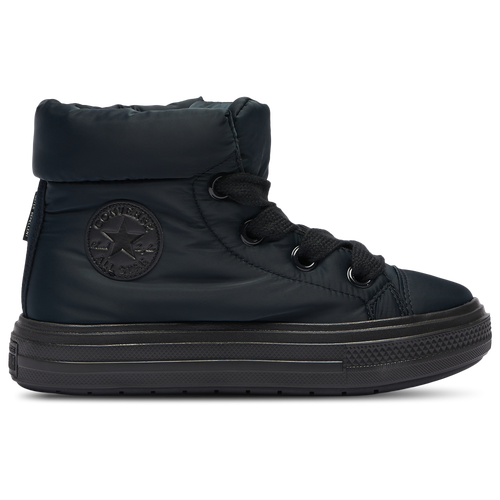
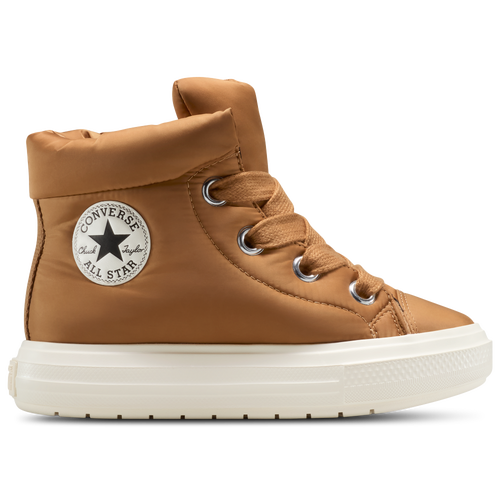
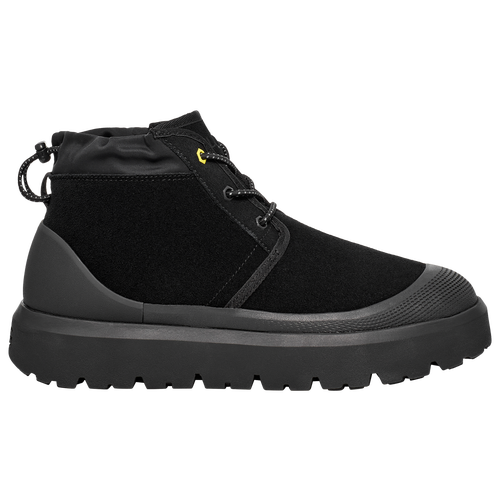
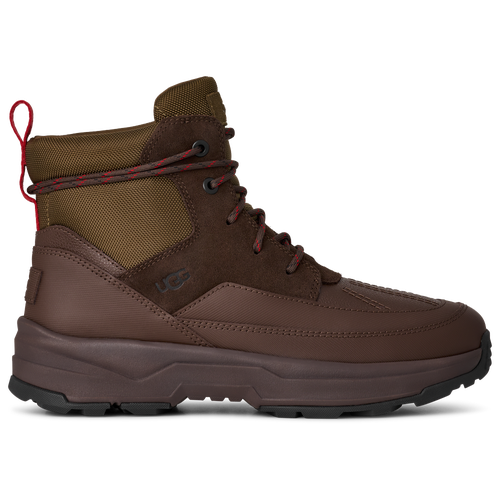
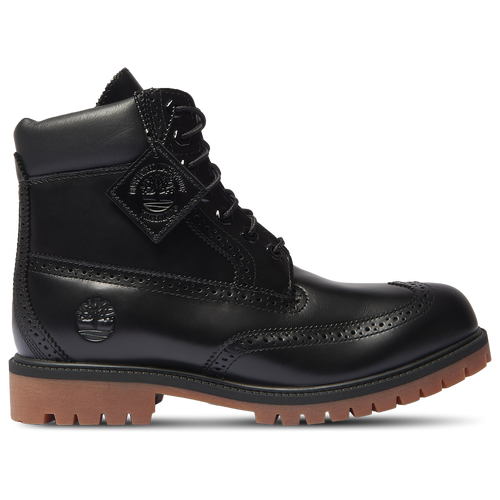
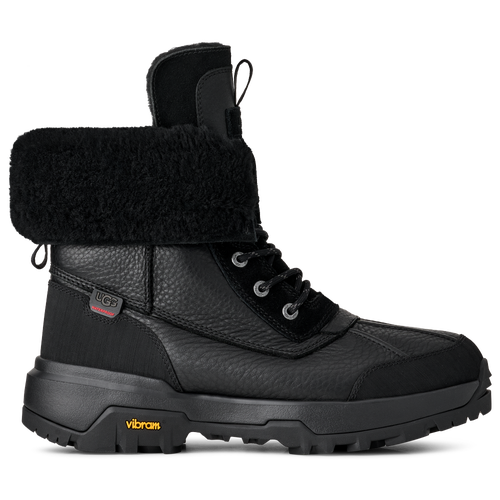
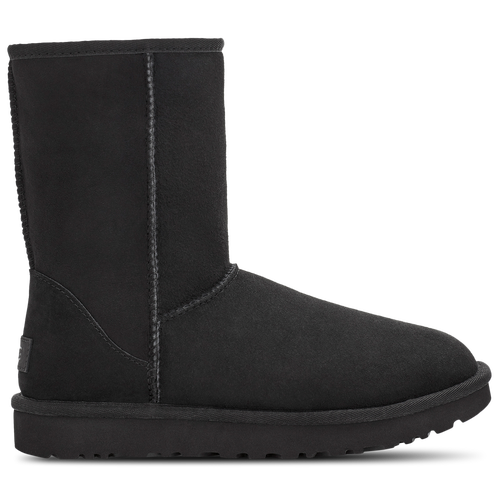
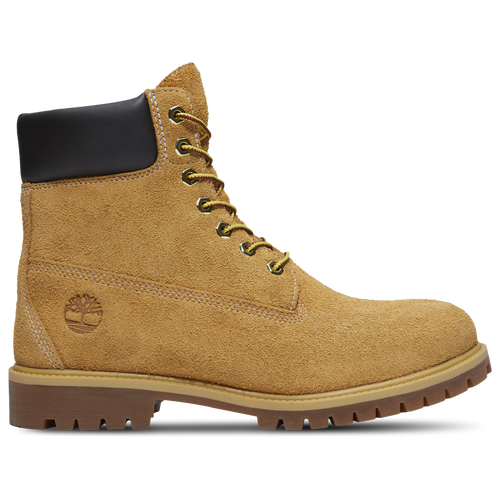
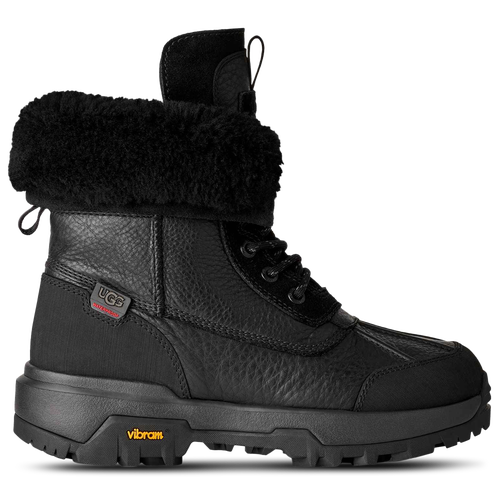
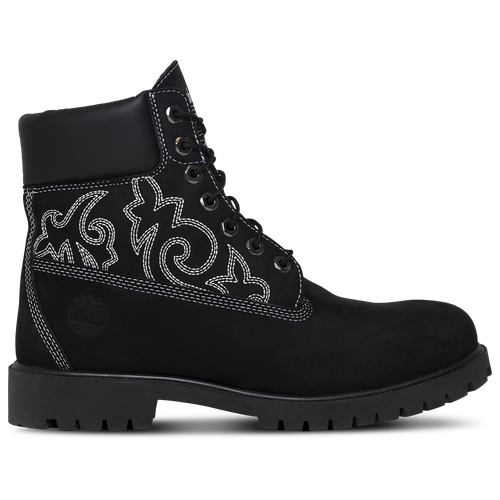
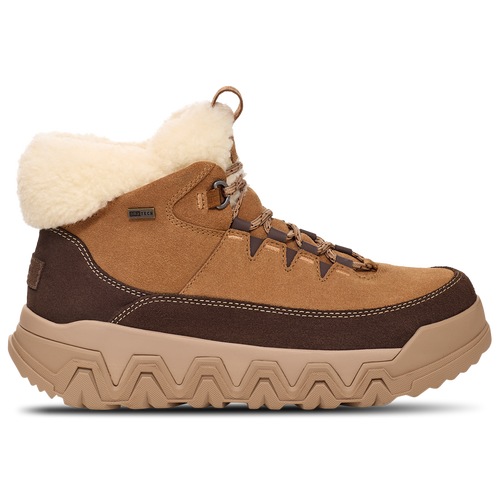
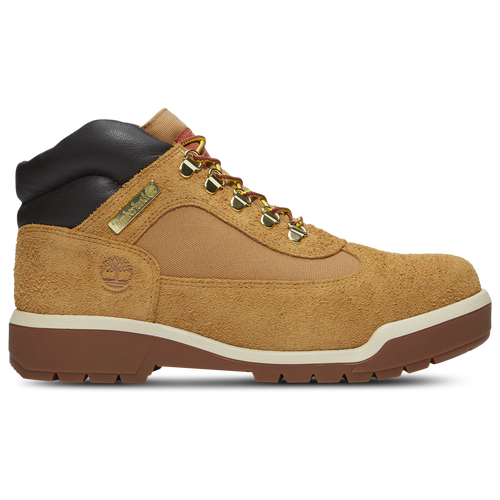
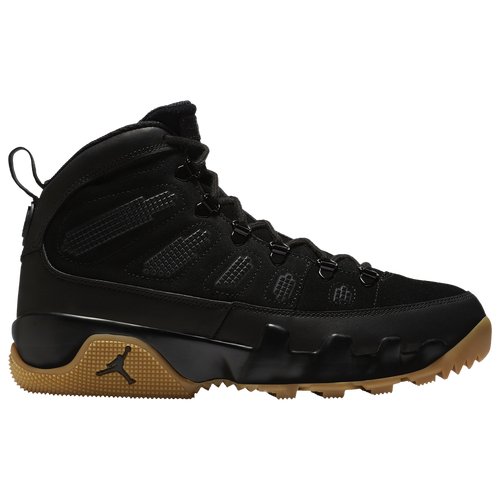
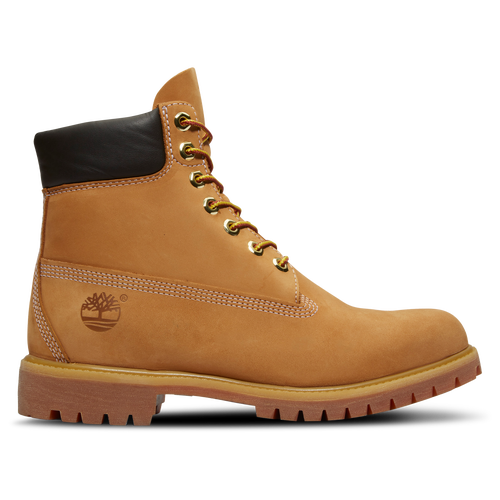
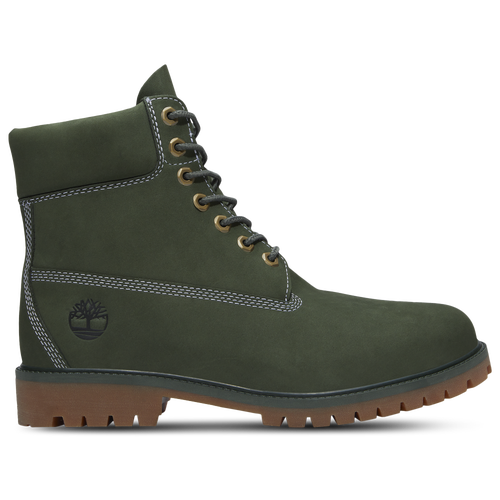
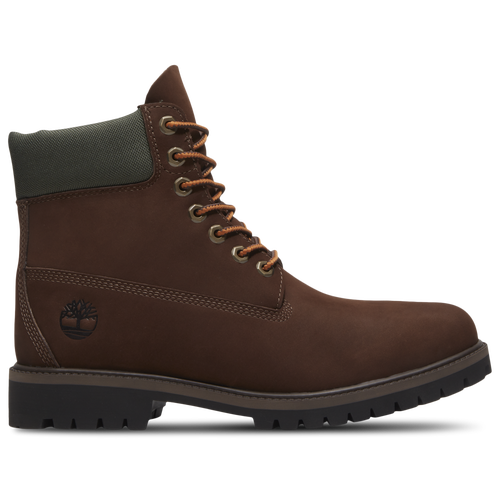
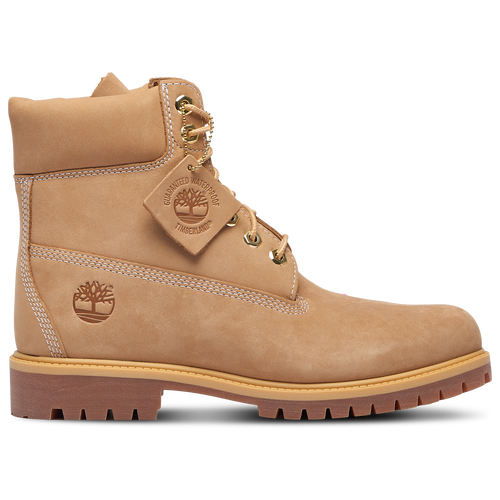
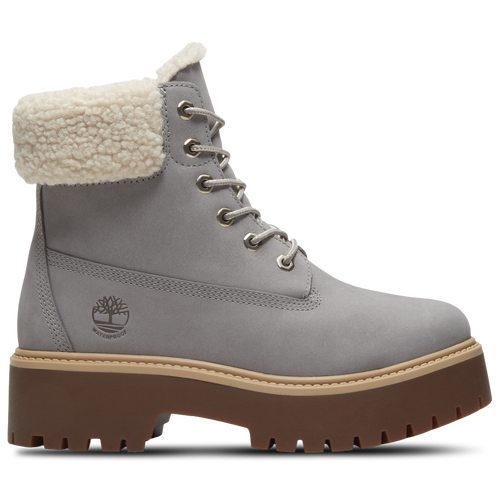
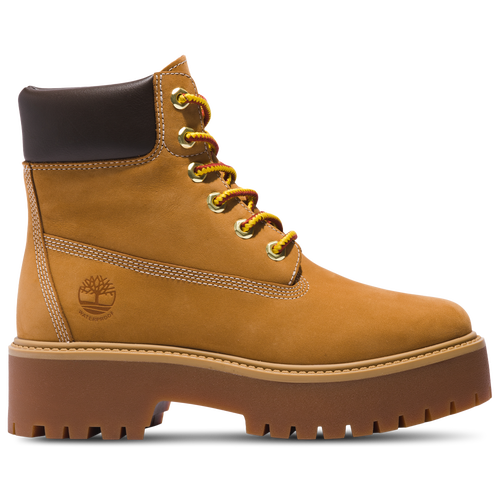
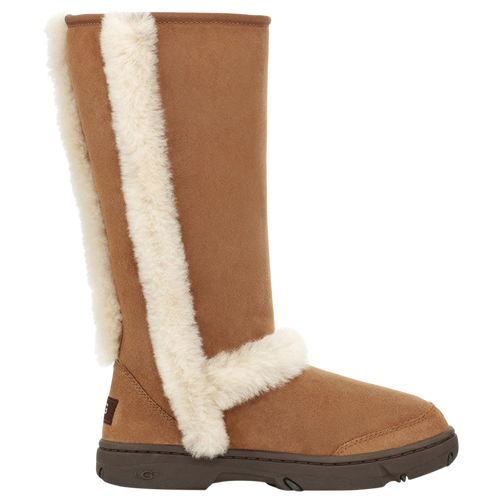
Stay warm and stylish this season with our collection of winter boots, designed to tackle the cold and wet conditions. Featuring waterproof materials and insulated linings, these boots provide the ultimate protection against snow and slush. With a variety of styles, from rugged to sleek, you can find the perfect pair to match your winter wardrobe.
Our winter boots prioritize comfort and durability, ensuring you can navigate icy sidewalks and snowy trails with ease. Equipped with sturdy outsoles for enhanced traction, these boots are perfect for both outdoor adventures and everyday wear. Embrace the chill while keeping your feet cozy and fashionable with our versatile selection of winter boots.