
Baby Training Shoes
Showing 1 - 29 of 29 results
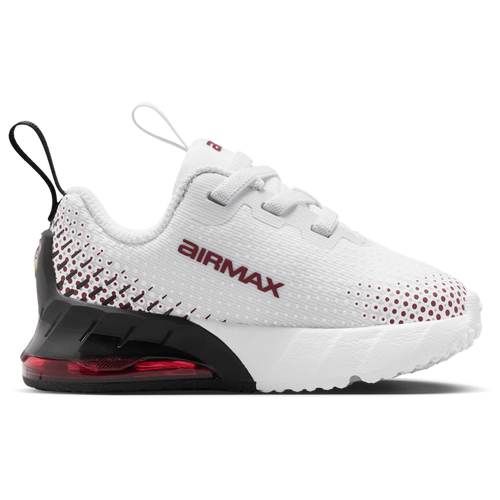
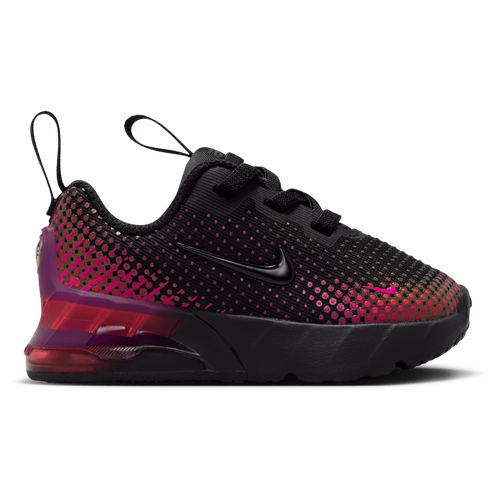
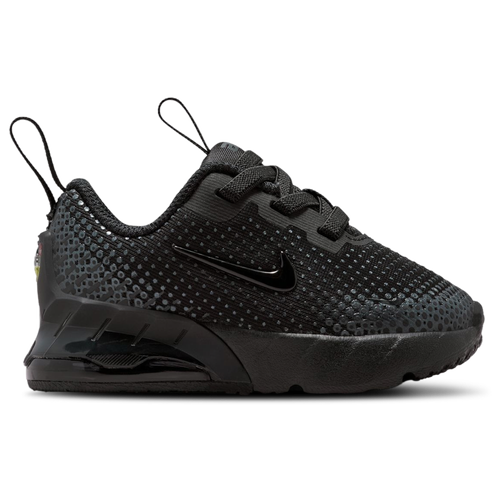
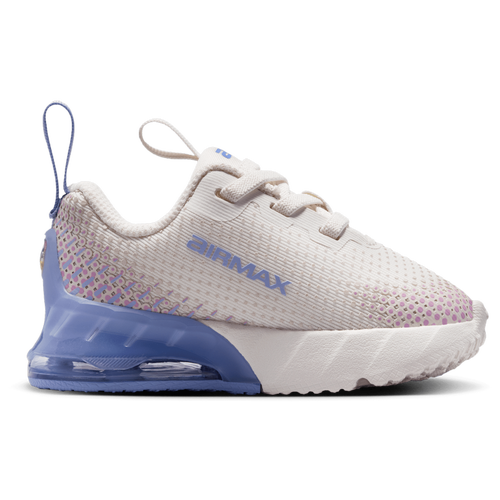
Our Baby Training Shoes sold out quickly! Explore similar styles now!
Search Results


On this page...
- What are baby training shoes?
- At what age should my child start wearing baby training shoes?
- Are baby training shoes true to size?
- What materials are commonly used in baby training shoes?
- Do baby training shoes have non-slip soles?
- How can I clean baby training shoes?
- Are baby training shoes suitable for outdoor use?
- What features should I look for in baby training shoes?
- Can baby training shoes be worn with socks?
- When should I transition my child from baby training shoes to regular shoes?
- Are baby training shoes available in different widths?
- What colors and styles are available for baby training shoes?
- How do I know if baby training shoes fit properly?
- Are there any specific safety features in baby training shoes?
Frequently Asked Questions For Baby Training Shoes
Baby training shoes are specially designed footwear that provide support and comfort for infants and toddlers who are learning to walk. They typically feature flexible soles, lightweight materials, and secure closures to help little ones gain confidence as they take their first steps.
Most children begin wearing baby training shoes around the age of 12 months, when they start to walk independently. However, it's important to consider your child's individual development and comfort when selecting the right time to introduce training shoes.
Baby training shoes generally fit true to size, but it's crucial to measure your child's feet before purchasing. Each brand may have slight variations in sizing, so checking the specific size chart can help ensure a proper fit for your little one.
Baby training shoes are often made from breathable materials such as mesh, canvas, or synthetic fabrics. These materials provide comfort and flexibility while allowing for adequate airflow to keep little feet cool and dry during active play.
Yes, many baby training shoes feature non-slip soles designed to provide traction and stability as your child learns to walk. This helps prevent slips and falls, giving both you and your child peace of mind during their walking adventures.
Cleaning baby training shoes typically involves wiping them down with a damp cloth and mild soap. For machine-washable styles, it's best to follow the care instructions provided by the manufacturer to maintain the shoes' appearance and functionality.
Many baby training shoes are designed for both indoor and outdoor use, featuring durable materials and sturdy soles. However, it's important to choose shoes that are specifically labeled for outdoor wear to ensure they can withstand various surfaces and conditions.
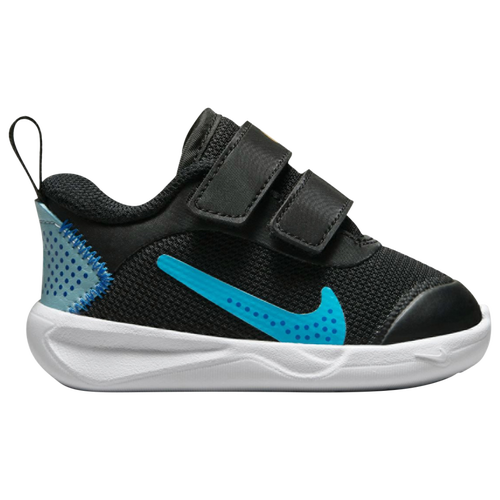
When selecting baby training shoes, look for features such as a flexible sole, cushioned insole, breathable materials, and secure closures like Velcro or elastic laces. These elements help ensure comfort and support as your child learns to walk.
Yes, baby training shoes can be worn with socks for added comfort and warmth. It's advisable to choose socks that fit well and do not bunch up, as this can help maintain a snug fit and prevent slipping inside the shoe.
Transitioning from baby training shoes to regular shoes typically occurs when your child has developed confident walking skills and has outgrown their training shoes. This usually happens around the ages of 2 to 3, but it's essential to assess your child's comfort and fit before making the switch.
Yes, some baby training shoes come in various widths to accommodate different foot shapes. It's important to check the product specifications to find the right width for your child's feet, ensuring a comfortable and secure fit.
Baby training shoes are available in a wide range of colors and styles, from bright and playful designs to more neutral tones. This variety allows you to choose a pair that matches your child's personality and wardrobe.
To ensure a proper fit, check that there is about a thumb's width of space between the end of your child's longest toe and the front of the shoe. The shoe should feel snug but not tight, allowing for some movement without excessive slipping.
Many baby training shoes include safety features such as rounded toes to prevent stubbing, reinforced heel counters for added support, and flexible soles to promote natural foot movement. These features help ensure your child's safety while they explore their surroundings.
About Baby Training Shoes
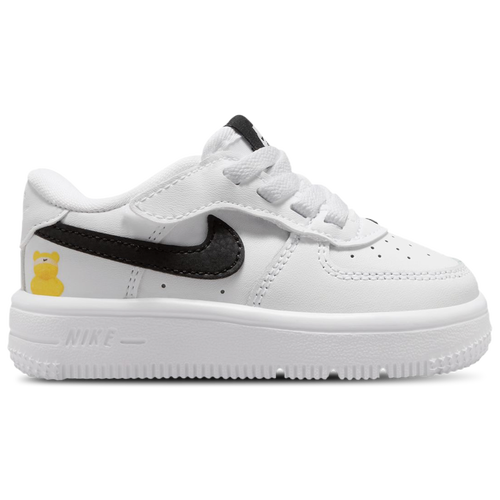
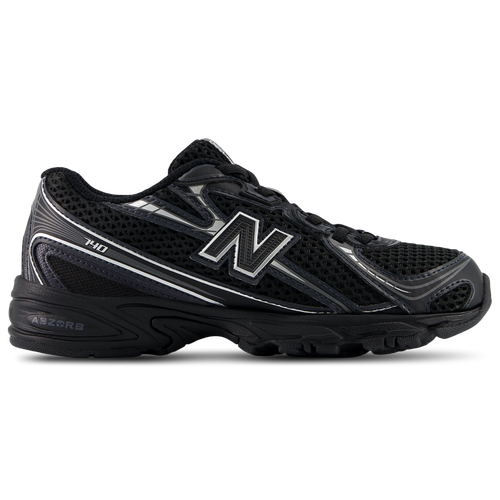
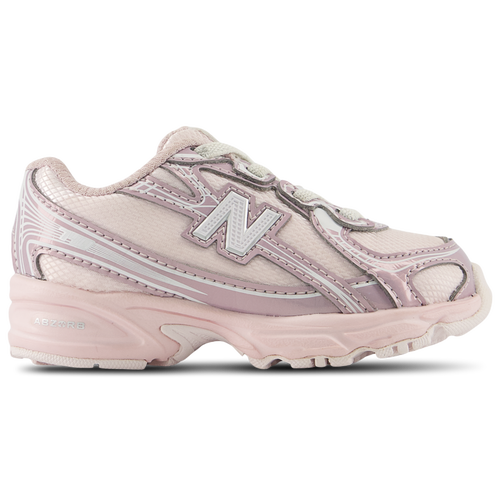
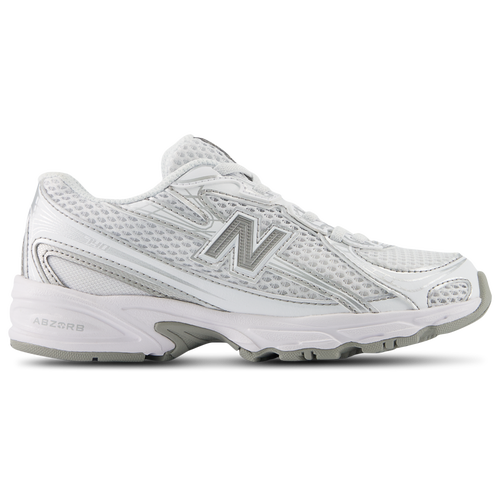
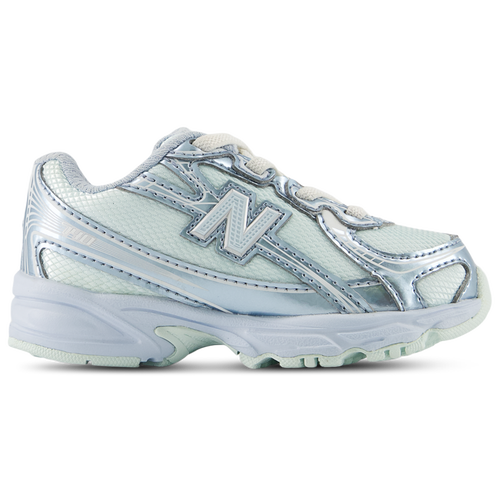
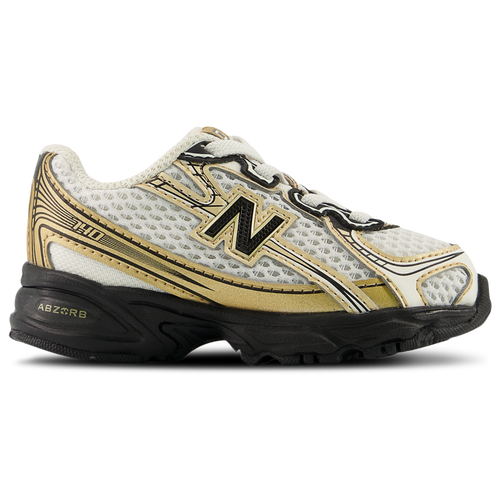
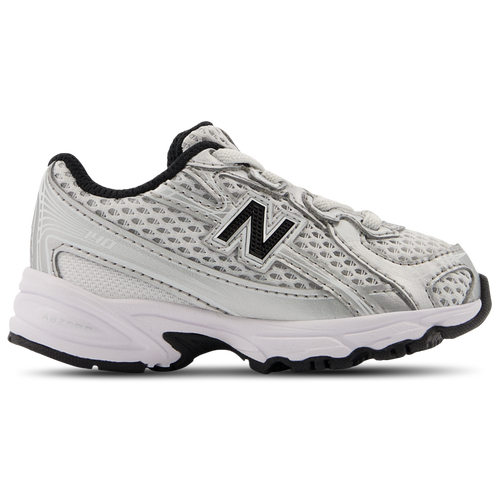
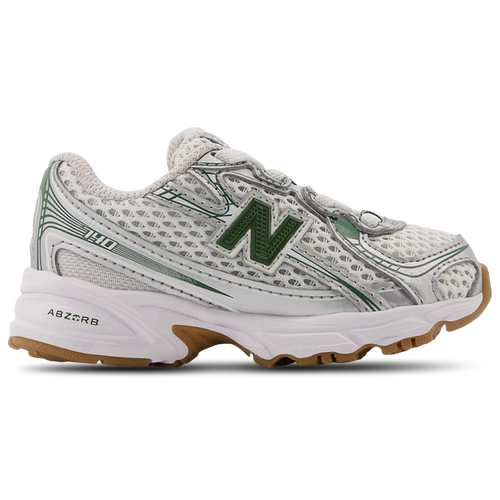
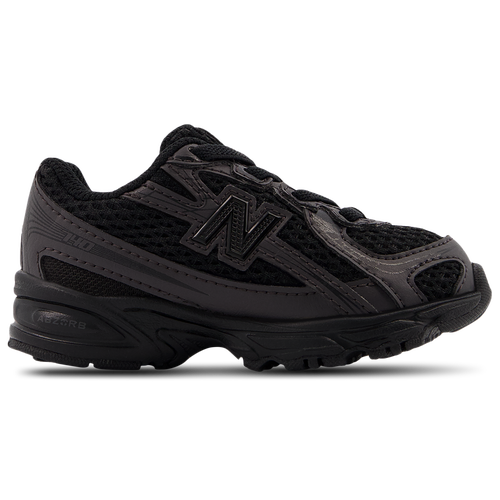
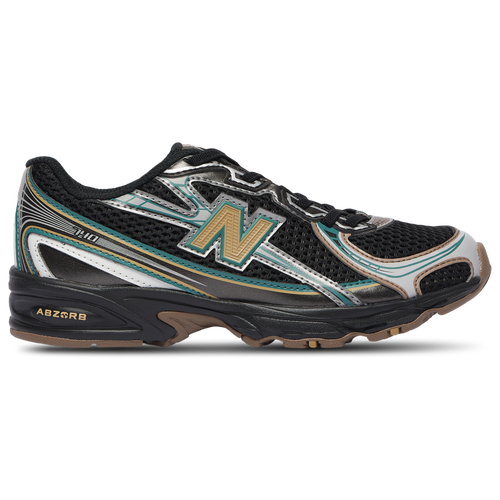
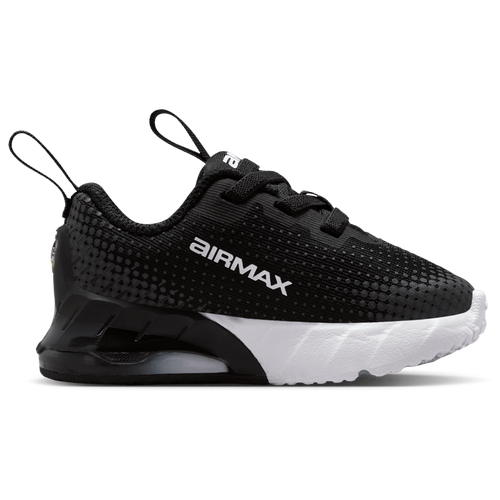
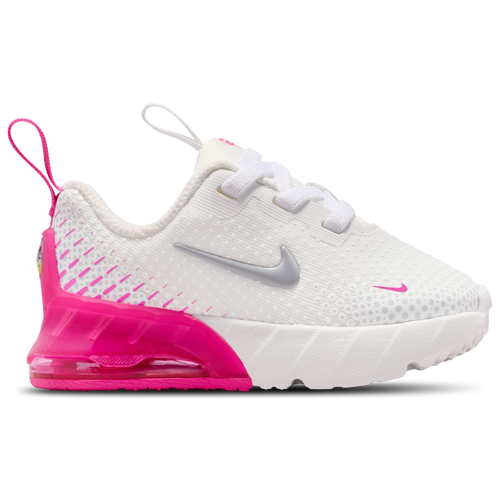
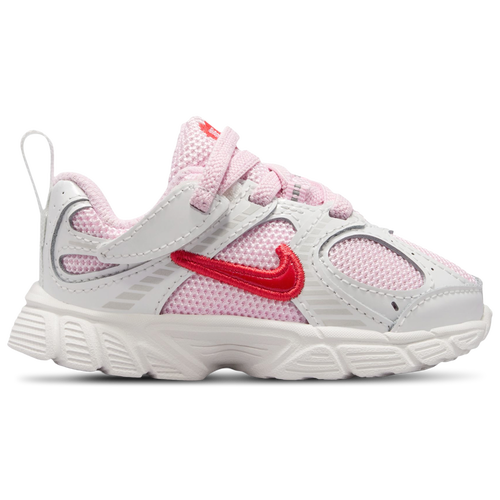
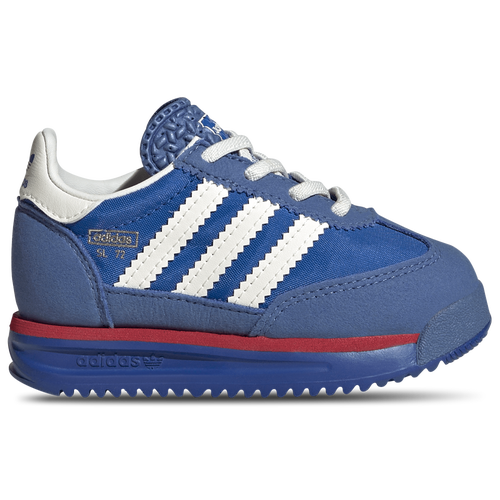
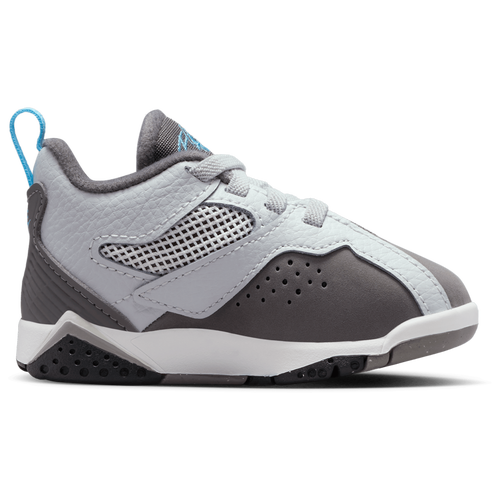
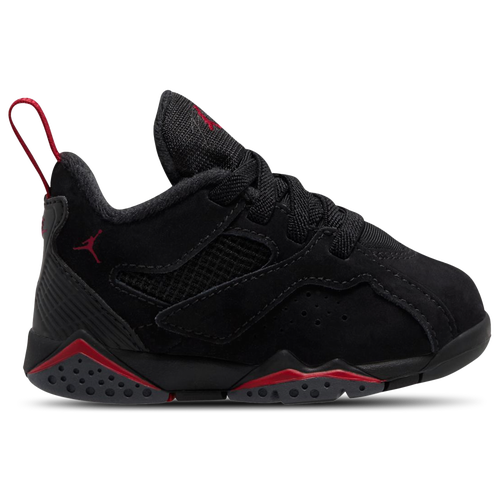
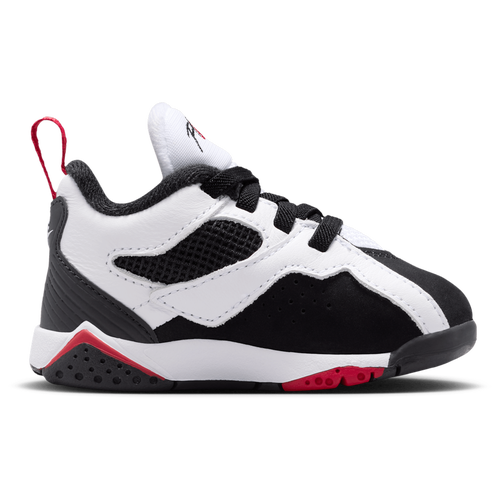
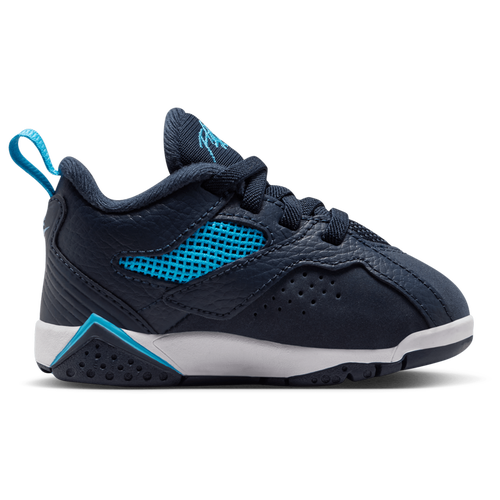
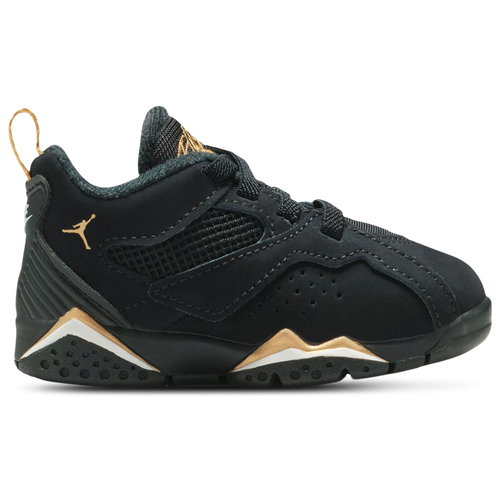
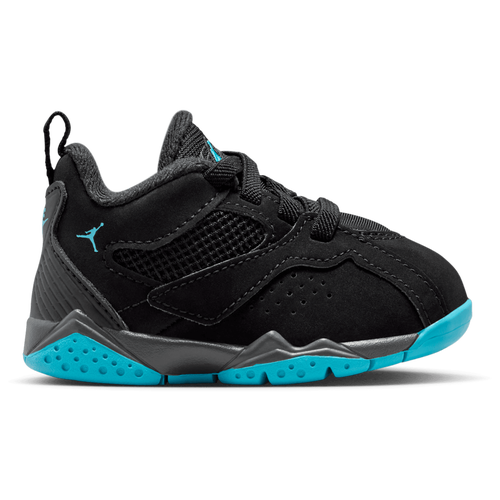
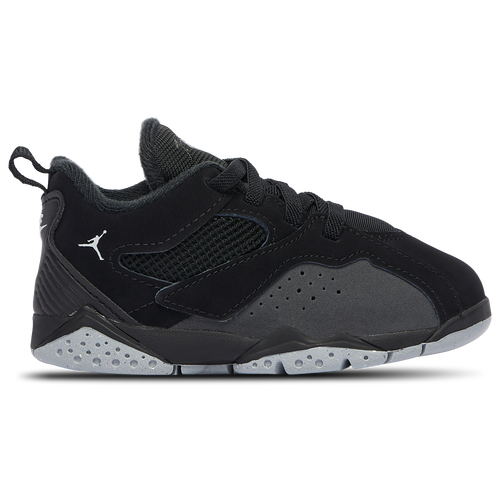
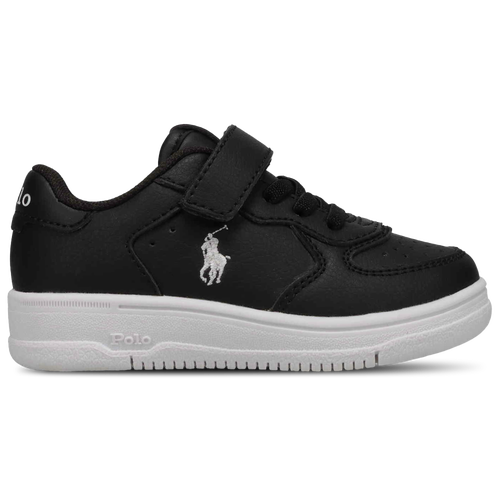
Introduce your little ones to the joy of movement with our collection of baby training shoes. Designed for comfort and support, these shoes feature lightweight materials and flexible soles that allow for natural foot movement. Perfect for first steps and playful adventures, they provide the stability needed for growing feet.
Our baby training shoes combine style and functionality, ensuring your child looks adorable while staying active. With easy-to-use closures and cushioned insoles, these shoes make it simple for parents and comfortable for little ones. Explore our selection to find the perfect pair that encourages exploration and play!