
Physical Education Shoes
Showing 1 - 6 of 6 results
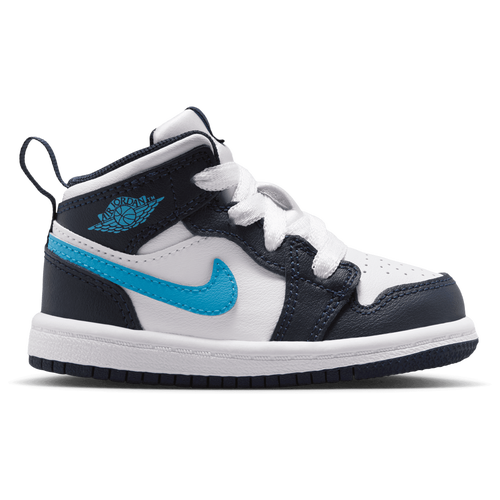
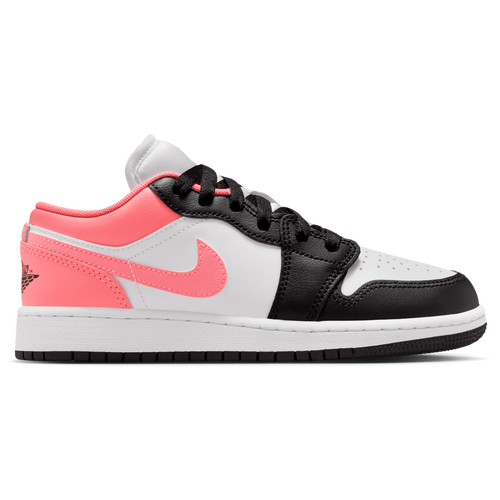
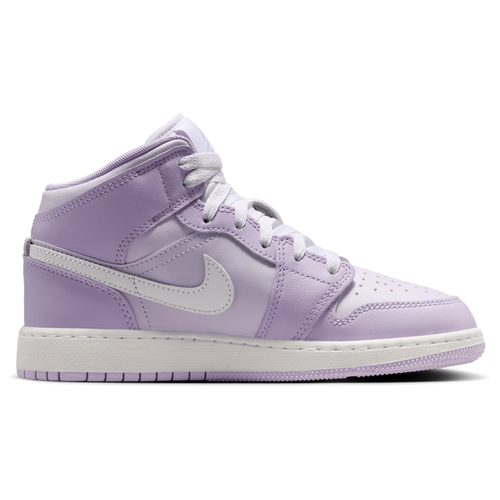
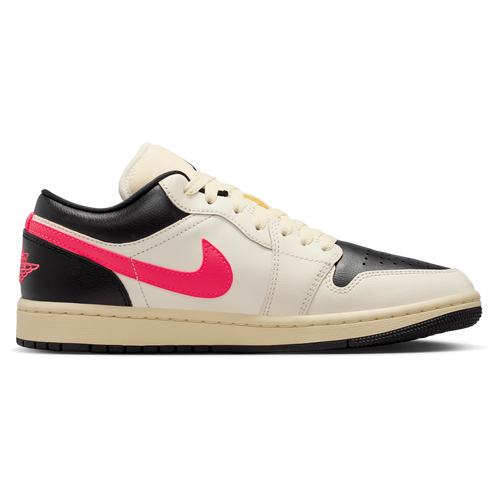
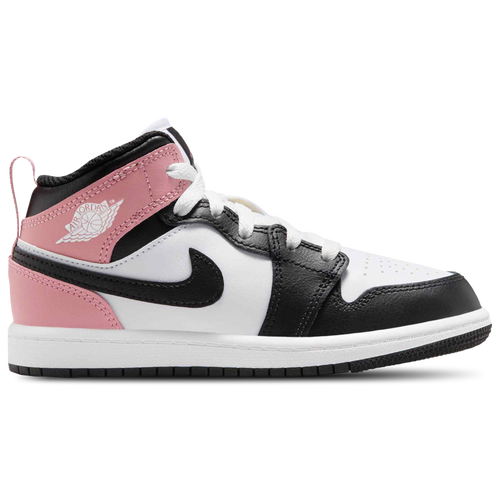
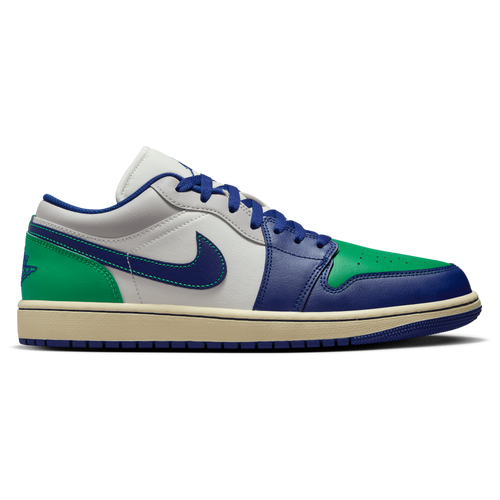
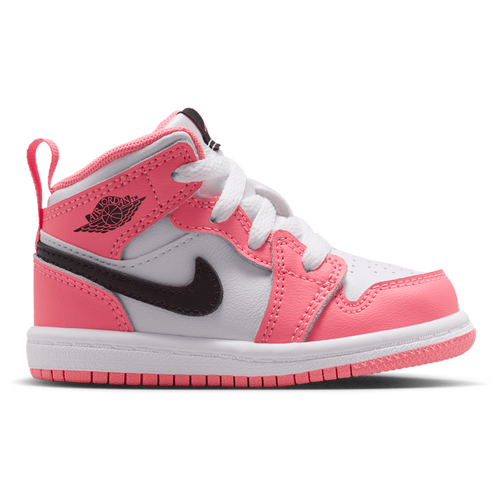
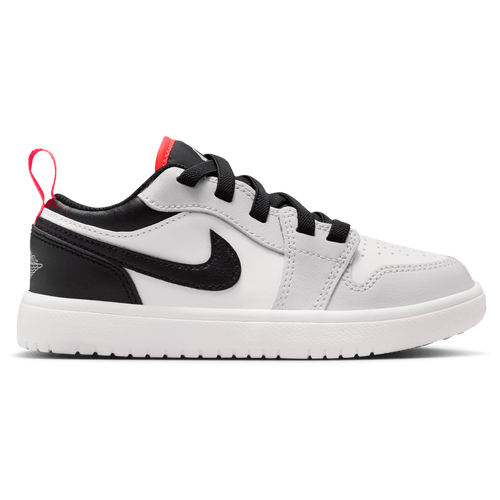
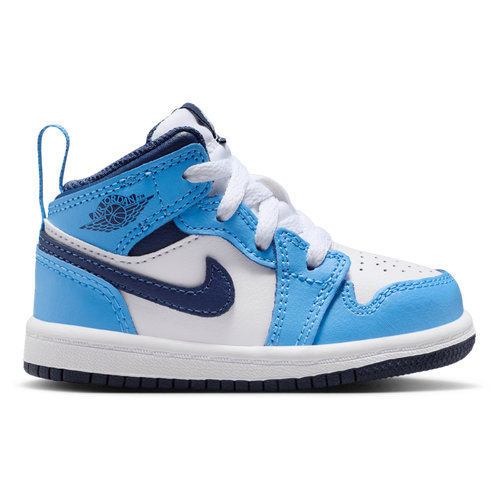
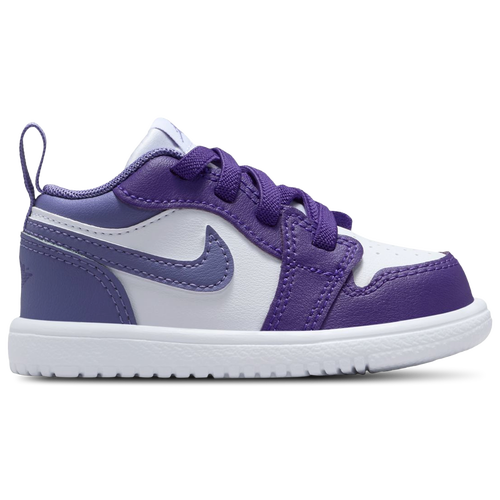
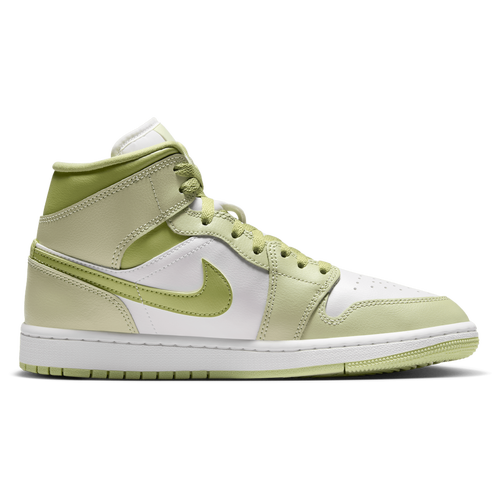
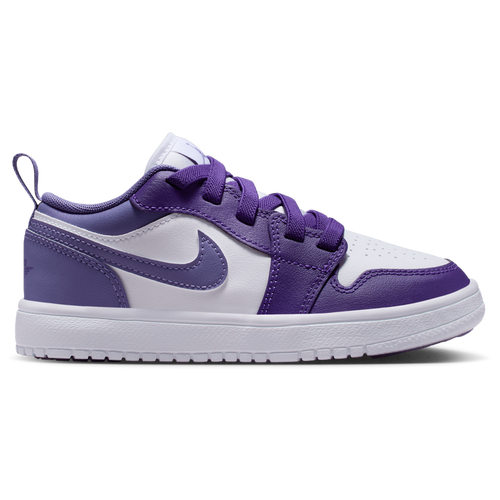
Our Physical Education Shoes sold out quickly! Explore similar styles now!
Search Results
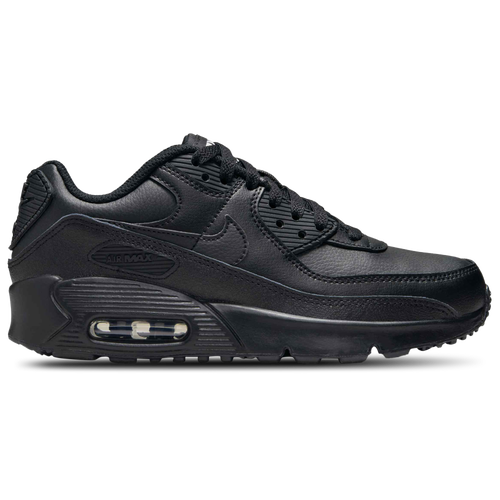
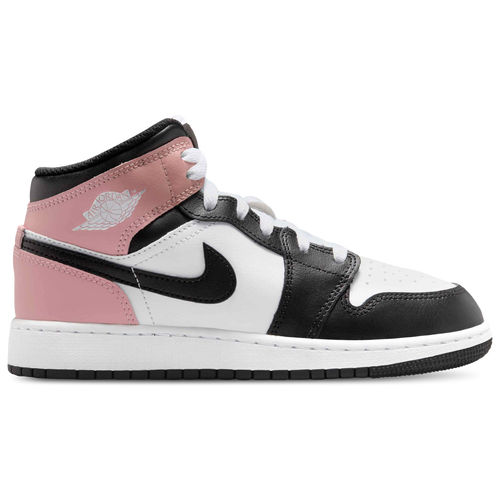
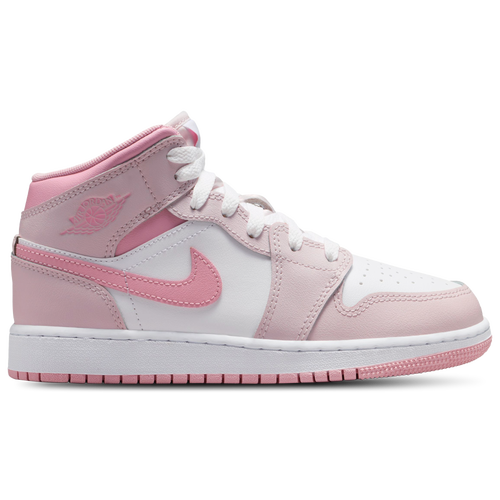
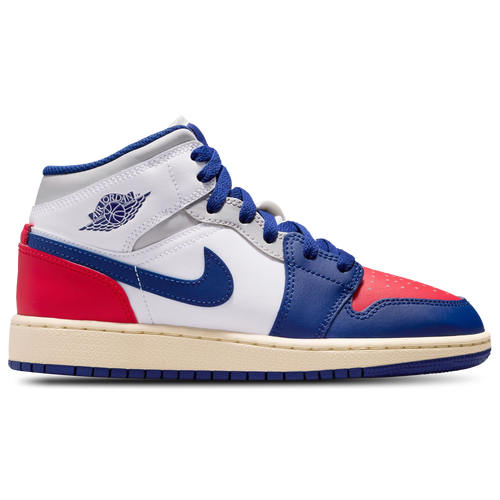
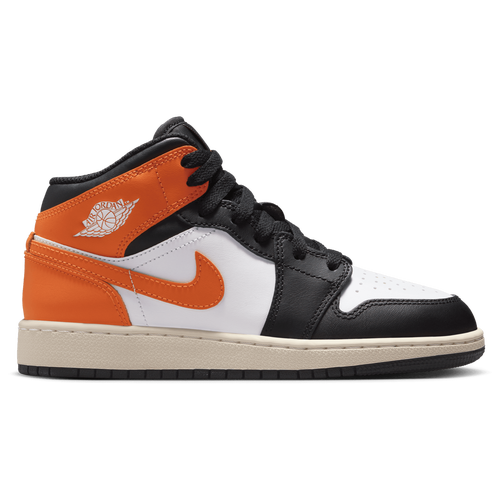
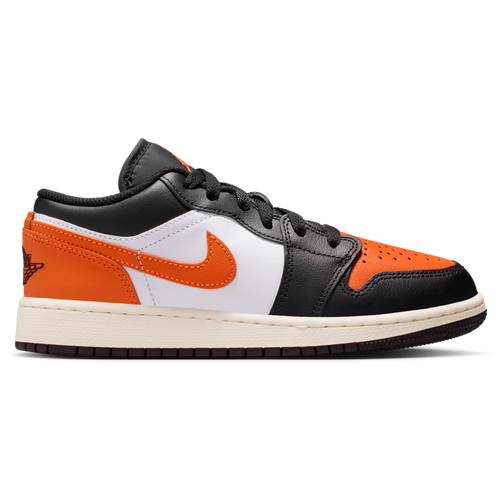
You May Also Like
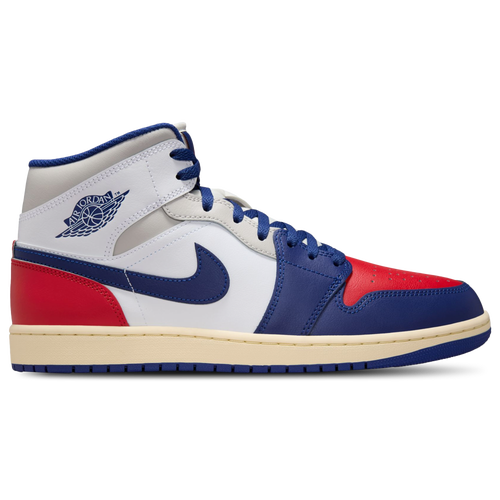
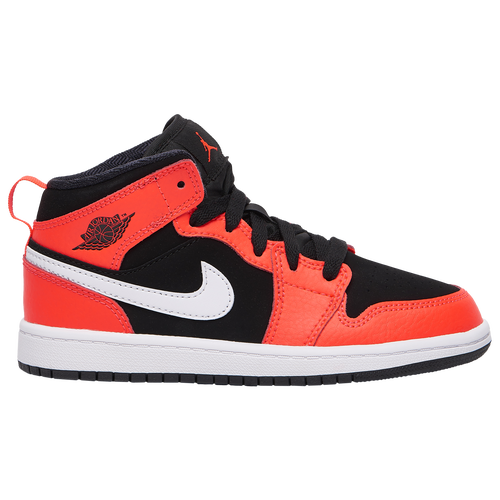
On this page...
- What are physical education shoes designed for?
- Are physical education shoes suitable for running?
- What features should I look for in physical education shoes?
- How do I determine the right size for physical education shoes?
- Can I wear physical education shoes for everyday activities?
- Are physical education shoes made for specific sports?
- How do I clean my physical education shoes?
- What materials are commonly used in physical education shoes?
- Are physical education shoes suitable for flat feet?
- When should I replace my physical education shoes?
- Do physical education shoes provide good ankle support?
- Can physical education shoes help prevent injuries?
- Are there specific colors available for physical education shoes?
- What is the difference between physical education shoes and regular sneakers?
Frequently Asked Questions For Physical Education Shoes
Physical education shoes are specifically designed to provide support, comfort, and stability during various physical activities. They often feature cushioning to absorb impact and a flexible sole to allow for natural movement during sports and exercises.
Yes, many physical education shoes are suitable for running, as they offer adequate cushioning and support. However, it's important to choose a shoe that matches your specific running style and foot type for optimal performance.
When selecting physical education shoes, look for features such as breathable materials, good arch support, and a non-slip outsole for traction. Additionally, consider shoes with reinforced toe caps for durability during high-impact activities.
To find the right size for physical education shoes, measure your foot length and width, and refer to the sizing chart provided by the retailer. It's also advisable to try on shoes at the end of the day when your feet are slightly swollen for a more accurate fit.
Yes, physical education shoes can be worn for everyday activities, especially if you prioritize comfort and support. Their design makes them suitable for casual wear, light walking, and running errands.
While physical education shoes are versatile, some models are designed with specific sports in mind, offering features tailored to activities like basketball, soccer, or tennis. It's beneficial to choose shoes that align with the primary activities you will be engaging in.
To clean physical education shoes, remove any loose dirt and debris with a soft brush. Use a damp cloth with mild soap to wipe down the surfaces, and allow them to air dry away from direct sunlight to maintain their shape and materials.
Physical education shoes are typically made from a combination of synthetic materials, mesh, and rubber. These materials provide breathability, flexibility, and durability, ensuring that the shoes can withstand the rigors of physical activity.
Yes, there are physical education shoes specifically designed for individuals with flat feet. Look for shoes that offer extra arch support and stability to help accommodate flat foot conditions and enhance comfort during physical activities.
It's recommended to replace physical education shoes every 300 to 500 miles of use, or when you notice signs of wear such as reduced cushioning, uneven tread, or discomfort while wearing them. Regularly assessing the condition of your shoes can help prevent injuries.
Many physical education shoes offer varying levels of ankle support, depending on their design. High-top models typically provide more ankle support, while low-top shoes allow for greater freedom of movement. Choose based on your activity needs and personal preference.
Yes, wearing the right physical education shoes can help prevent injuries by providing proper support, cushioning, and stability. Selecting shoes that fit well and are designed for your specific activities can reduce the risk of common injuries associated with physical exertion.
Physical education shoes come in a wide range of colors and styles to suit personal preferences. From classic black and white to vibrant hues and patterns, you can find options that match your style while providing the functionality you need for physical activities.
The main difference between physical education shoes and regular sneakers lies in their design and functionality. Physical education shoes are engineered to provide enhanced support, cushioning, and durability for various sports and activities, while regular sneakers may prioritize style over performance.
About Physical Education Shoes
Elevate your performance with our selection of physical education shoes, designed for active lifestyles and rigorous activities. These shoes provide the perfect blend of comfort, support, and durability, ensuring you stay focused on your game. With lightweight materials and responsive cushioning, they are ideal for everything from gym classes to outdoor sports.
Our physical education shoes feature non-slip outsoles for enhanced traction and stability, allowing you to move confidently on various surfaces. Whether you're running, jumping, or engaging in team sports, these shoes are crafted to keep your feet comfortable and protected. Gear up and get ready to excel in every physical education class with footwear that meets your needs.