
Rough Terrain Boots
Showing 3 results
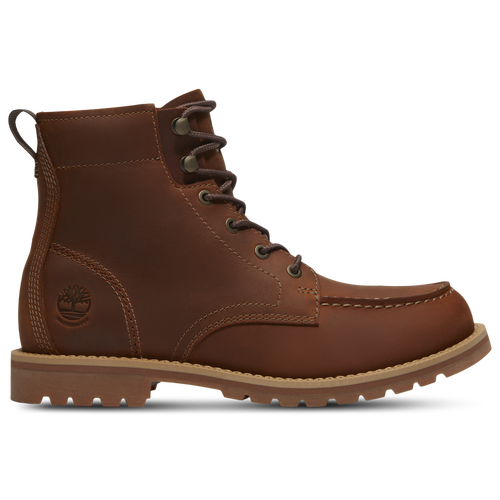
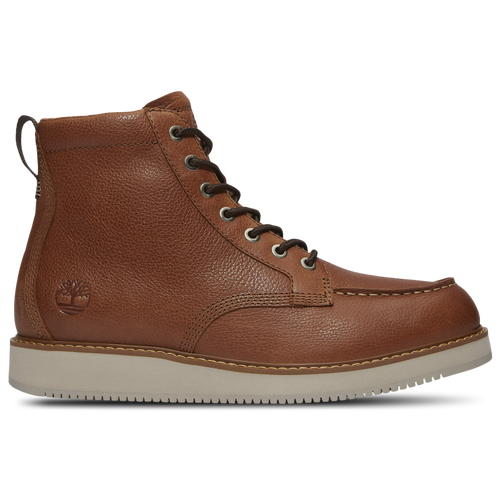
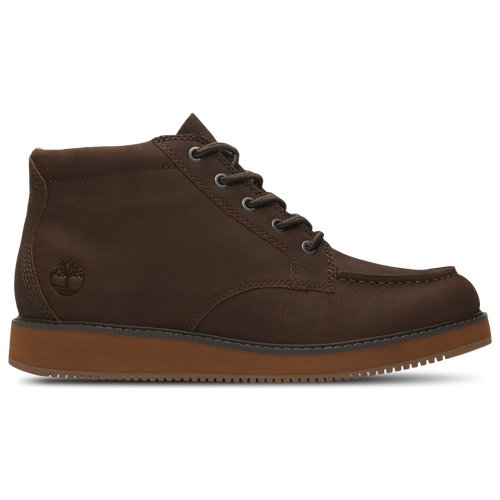
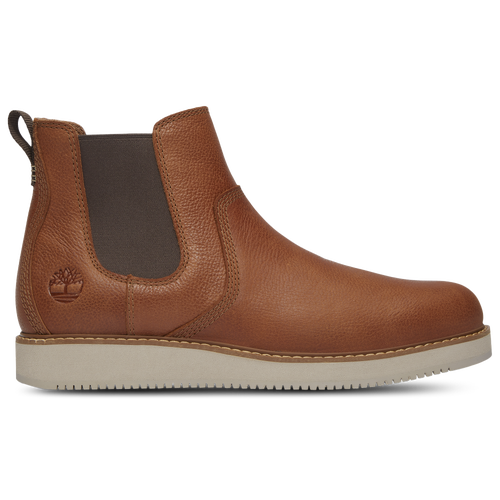
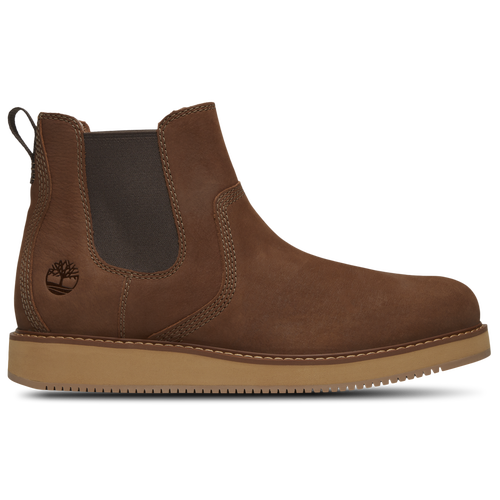
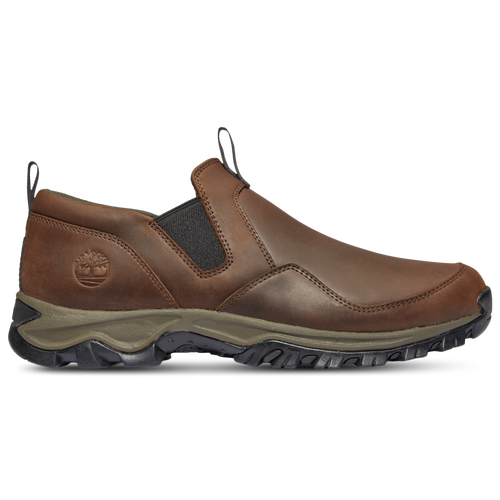
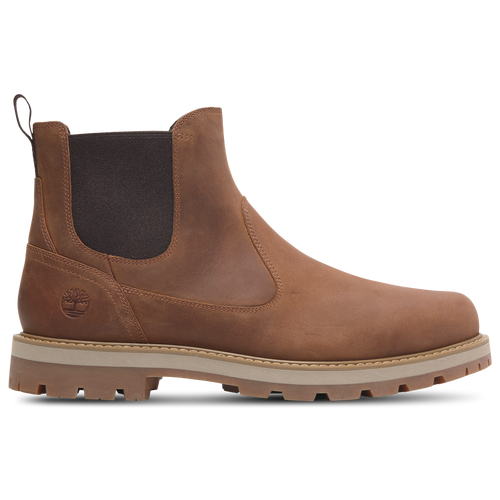
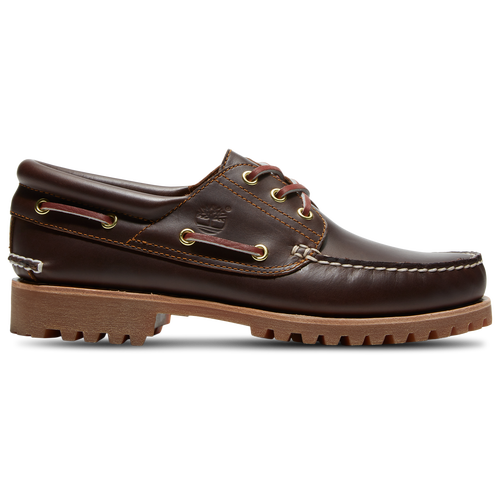
Our Rough Terrain Boots sold out quickly! Explore similar styles now!
Search Results
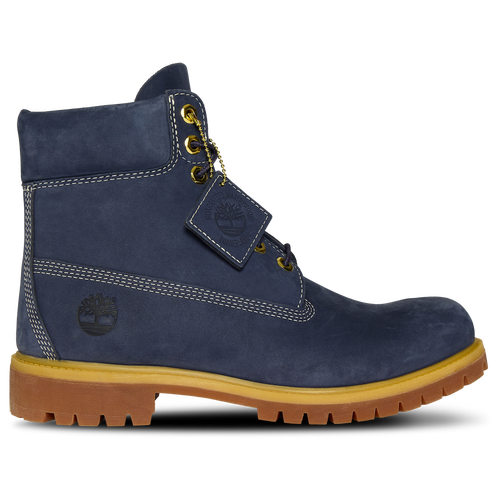
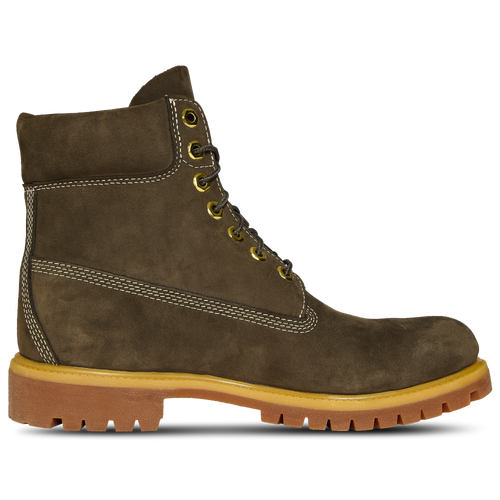
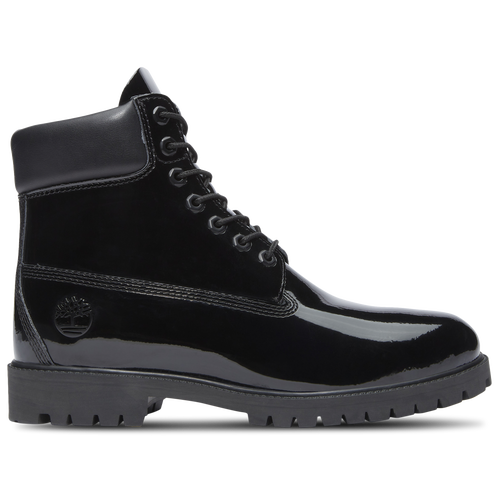
You May Also Like
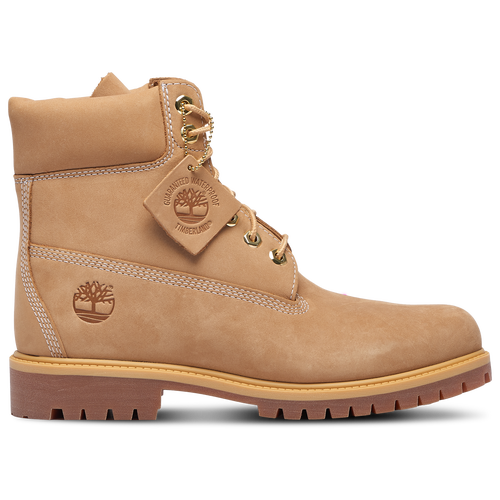

On this page...
- What are rough terrain boots designed for?
- Are rough terrain boots waterproof?
- What materials are commonly used in rough terrain boots?
- How do I choose the right size for rough terrain boots?
- Are rough terrain boots suitable for hiking?
- Do rough terrain boots require a break-in period?
- What features should I look for in rough terrain boots?
- Can rough terrain boots be used in winter conditions?
- How do I clean and maintain my rough terrain boots?
- Are rough terrain boots heavy?
- What is the difference between mid-cut and high-cut rough terrain boots?
- Can I wear rough terrain boots for everyday use?
- Are rough terrain boots breathable?
- When were rough terrain boots first introduced?
Frequently Asked Questions For Rough Terrain Boots
Rough terrain boots are specifically designed to provide support, stability, and protection while navigating challenging outdoor environments. They typically feature rugged outsoles for traction, reinforced toe caps for protection, and waterproof materials to keep your feet dry in wet conditions.
Many rough terrain boots are constructed with waterproof materials or feature waterproof membranes to keep your feet dry in wet conditions. It's important to check the product specifications to confirm if a specific pair offers waterproof capabilities.
Rough terrain boots are often made from durable materials such as leather, synthetic fabrics, and rubber. These materials are chosen for their ability to withstand harsh conditions, provide breathability, and offer comfort during extended wear.
To choose the right size for rough terrain boots, it's recommended to measure your foot length and width and refer to the sizing chart provided by the retailer. Additionally, consider trying on boots with the socks you plan to wear for optimal fit and comfort.
Yes, rough terrain boots are well-suited for hiking, especially in rugged and uneven landscapes. Their supportive design, traction-enhancing outsoles, and protective features help ensure a safe and comfortable hiking experience.
Many rough terrain boots may require a break-in period to achieve optimal comfort. Initially, they may feel stiff, but wearing them for short periods can help soften the materials and mold them to your feet over time.
When selecting rough terrain boots, look for features such as a durable outsole for traction, ankle support for stability, waterproofing for wet conditions, and cushioning for comfort. Additionally, consider weight and breathability based on your intended use.
Some rough terrain boots are designed with insulation and waterproofing, making them suitable for winter conditions. However, it's essential to check the product specifications to ensure they provide adequate warmth and traction on snow and ice.
To clean rough terrain boots, remove dirt and debris with a soft brush or cloth, and use mild soap and water for deeper cleaning. Allow them to air dry away from direct heat sources, and apply a suitable waterproofing treatment periodically to maintain their protective qualities.
The weight of rough terrain boots can vary depending on the materials and construction. While some models prioritize durability and support, others may focus on lightweight design for agility. It's advisable to check the product details for specific weight information.
Mid-cut rough terrain boots provide a balance of ankle support and mobility, making them suitable for a variety of activities. High-cut boots offer additional ankle protection and stability, which can be beneficial in more rugged terrains or when carrying heavy loads.
Yes, rough terrain boots can be worn for everyday use, especially if you enjoy outdoor activities or need durable footwear for various conditions. Their comfort and support make them a practical choice for casual wear as well.
Many rough terrain boots are designed with breathable materials or ventilation features to help regulate temperature and moisture. This is particularly important for maintaining comfort during extended wear in warm conditions.
Rough terrain boots have evolved over the years, with their origins tracing back to the need for durable footwear in outdoor and military applications. While specific models may have different release dates, the concept of rugged boots has been around for decades, adapting to modern technologies and materials.
About Rough Terrain Boots
Conquer the outdoors with our rugged selection of rough terrain boots, designed for durability and comfort. Built to withstand challenging conditions, these boots feature waterproof materials and sturdy construction, ensuring your feet stay dry and protected. With excellent traction and support, they are perfect for hiking, trekking, or any adventure that demands reliable footwear.
Our rough terrain boots combine functionality with style, making them ideal for both outdoor enthusiasts and casual wear. Enjoy features like cushioned insoles and reinforced toe caps for added comfort and protection. Whether you're navigating rocky trails or exploring the wilderness, these boots will provide the stability and performance you need to tackle any terrain with confidence.