
Pronation And Running Shoes
Showing 1 - 13 of 13 results
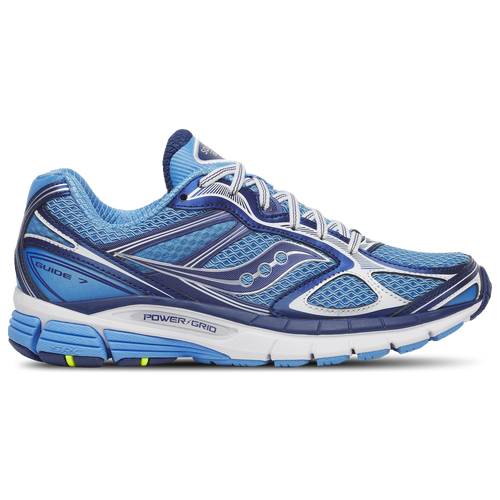
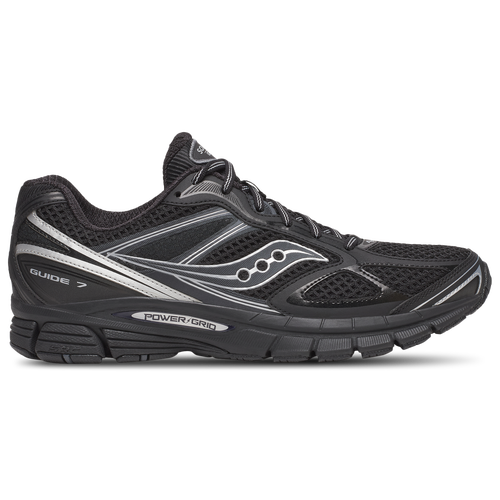
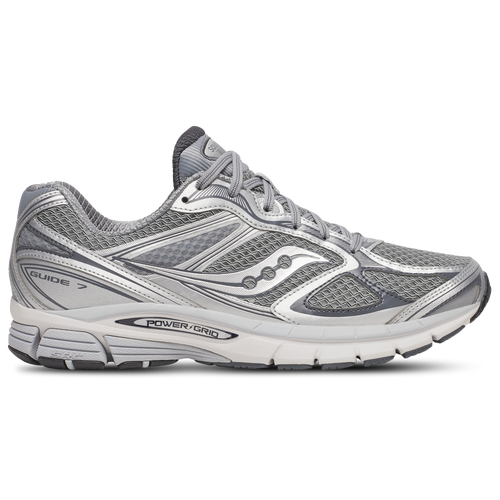
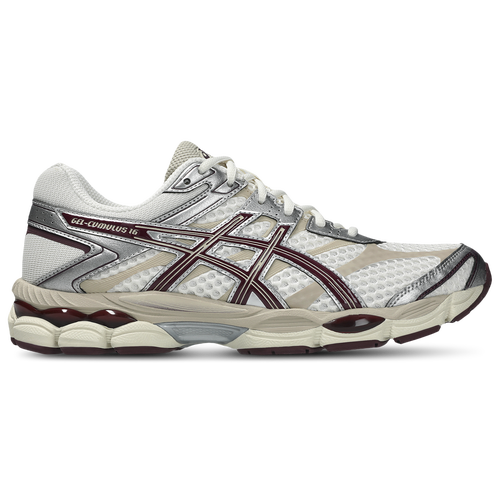
Our Pronation And Running Shoes sold out quickly! Explore similar styles now!
Search Results
On this page...
- What is pronation in running?
- How can I determine my pronation type?
- What are the different types of pronation?
- What features should I look for in shoes for overpronation?
- Are there specific shoes for underpronation?
- Can I wear neutral shoes if I overpronate?
- How do I know if my running shoes are the right fit for my pronation?
- What is the importance of arch support in running shoes?
- How often should I replace my running shoes?
- Are there running shoes designed specifically for flat feet?
- What materials are commonly used in running shoes?
- When should I consider custom orthotics for my running shoes?
- How do I break in new running shoes?
Frequently Asked Questions For Pronation And Running Shoes
Pronation refers to the natural inward roll of the foot that occurs during running or walking. It helps to absorb shock and distribute impact forces across the foot. Understanding your pronation type can help you choose the right running shoes for optimal support and comfort.
You can determine your pronation type by observing your foot's movement while running or walking. A common method is the wet foot test, where you wet your foot and step on a flat surface to see the imprint it leaves. Alternatively, visiting a specialty running store for a gait analysis can provide more detailed insights.
There are three main types of pronation: neutral, overpronation, and underpronation (or supination). Neutral pronation is when the foot rolls inward slightly, overpronation is when the foot rolls excessively inward, and underpronation is when the foot rolls outward. Each type requires specific shoe features for optimal support.
Shoes designed for overpronation typically offer additional stability and support, including features like a firmer midsole, medial posts, and a wider base. These elements help control excessive inward rolling and provide better alignment during your run.
Yes, shoes for underpronation are designed with extra cushioning and flexibility to help absorb impact and promote a natural foot motion. Look for shoes with a softer midsole and a curved shape to encourage proper foot movement.
While neutral shoes may provide comfort, they do not offer the necessary support for overpronation. It is generally recommended to choose stability or motion control shoes that cater to your specific pronation type to prevent injury and enhance performance.
The right fit for your pronation type will feel comfortable and supportive without causing discomfort or pain. You should be able to run without feeling excessive pressure on any part of your foot, and your heel should stay securely in place without slipping.
Arch support is crucial in running shoes as it helps maintain proper foot alignment and reduces the risk of injury. It provides stability, especially for runners with flat feet or high arches, ensuring that the foot functions efficiently during each stride.
Running shoes should typically be replaced every 300 to 500 miles, depending on your running style and the shoe's construction. Signs that it's time for a replacement include decreased cushioning, visible wear on the outsole, and discomfort during runs.
Yes, there are running shoes specifically designed for flat feet, which often feature enhanced arch support and stability. These shoes help to control overpronation and provide the necessary support to keep your feet aligned during your runs.
Running shoes are typically made from a combination of synthetic mesh, rubber, and foam materials. The upper is often constructed from breathable mesh for ventilation, while the midsole uses foam for cushioning and shock absorption, and the outsole is made from durable rubber for traction.
Custom orthotics may be beneficial if you experience persistent discomfort or pain while running, or if you have specific foot conditions that require additional support. Consulting with a healthcare professional can help determine if custom orthotics are right for you.
To break in new running shoes, start by wearing them for short periods during walks or light runs. Gradually increase the duration and intensity of your runs over a week or two to allow the shoes to conform to your feet and ensure a comfortable fit.
About Pronation and Running Shoes
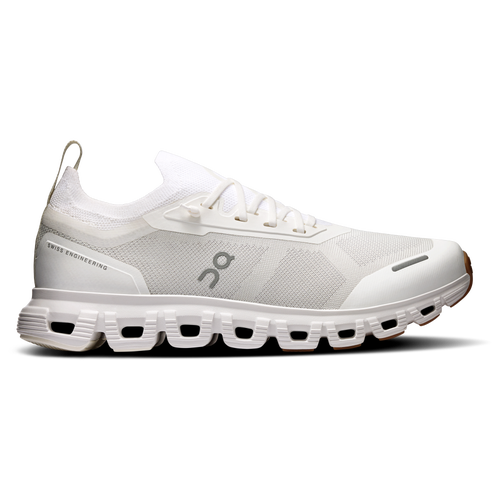
Finding the right running shoes is essential for optimal performance and comfort, especially for those with specific pronation needs. Our collection of pronation and running shoes offers superior support and cushioning, designed to enhance your running experience. Whether you overpronate, underpronate, or have a neutral gait, these shoes provide the stability and responsiveness you need to conquer every mile.
Crafted with advanced materials and innovative technology, these shoes ensure a perfect fit and maximum durability. Enjoy features like breathable uppers, shock-absorbing midsoles, and traction-enhancing outsoles that work together to keep you comfortable and secure on any terrain. Elevate your running game with footwear that adapts to your unique stride and helps you achieve your fitness goals.