
Supportive Basketball Shoes
Showing 1 - 12 of 12 results
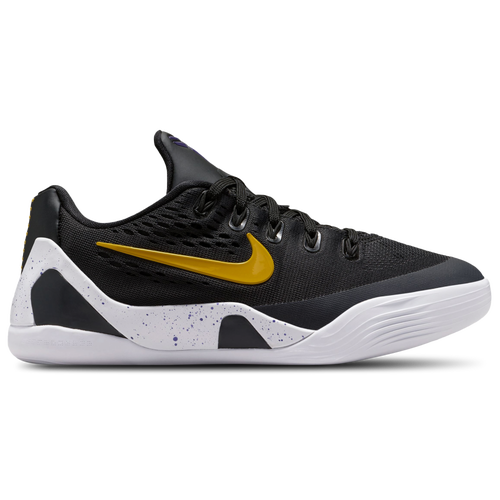
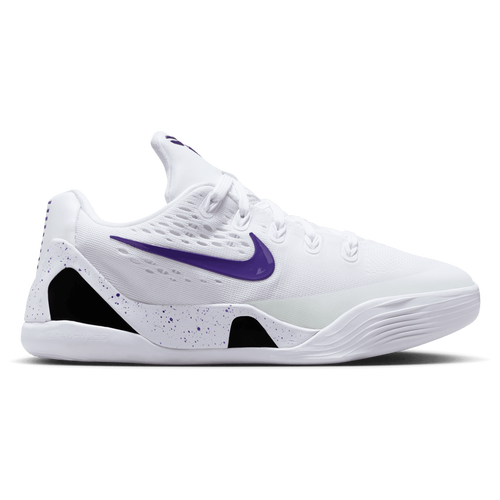
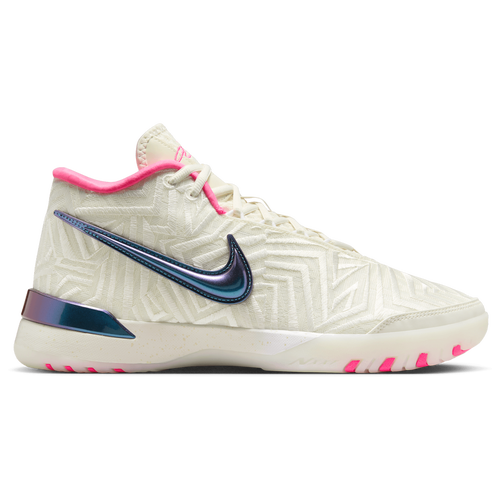
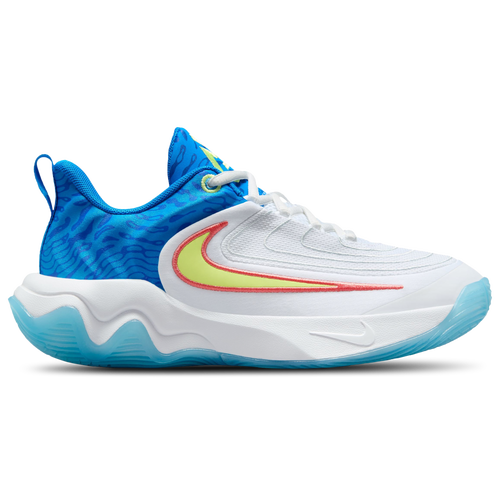
Our Supportive Basketball Shoes sold out quickly! Explore similar styles now!
Search Results
On this page...
- What features should I look for in supportive basketball shoes?
- Are supportive basketball shoes suitable for players with flat feet?
- How do I determine the right size for supportive basketball shoes?
- What materials are commonly used in supportive basketball shoes?
- Are high-top supportive basketball shoes better than low-top versions?
- Can supportive basketball shoes help prevent injuries?
- When were supportive basketball shoes first introduced?
- How do I clean my supportive basketball shoes?
- Are there supportive basketball shoes designed specifically for women?
- What is the average price range for supportive basketball shoes?
- How often should I replace my supportive basketball shoes?
- Can I use supportive basketball shoes for other sports?
Frequently Asked Questions For Supportive Basketball Shoes
When searching for supportive basketball shoes, look for features such as a sturdy midsole for cushioning, a high-top design for ankle support, and a secure lacing system to ensure a snug fit. Additionally, consider shoes with a durable outsole for traction on the court and breathable materials to keep your feet comfortable during play.
Yes, supportive basketball shoes can be beneficial for players with flat feet. Look for models that offer arch support and stability features, which can help reduce discomfort and improve performance on the court. It's important to try on different styles to find the best fit for your specific foot shape.
To find the right size for supportive basketball shoes, measure your foot length and width, and refer to the sizing chart provided by the retailer. It's also advisable to try on shoes in-store or order multiple sizes to ensure a proper fit, as different brands may have slight variations in sizing.
Supportive basketball shoes are typically made from a combination of synthetic materials, mesh for breathability, and rubber for traction. The midsole often features foam or gel cushioning for comfort, while the upper may include overlays for added support and durability.
High-top supportive basketball shoes generally provide more ankle support compared to low-top versions, making them a popular choice for players who prioritize stability. However, low-top shoes can offer greater mobility and are often preferred by players who favor speed and agility. The best option depends on your playing style and personal preference.
Supportive basketball shoes can help reduce the risk of injuries by providing stability, cushioning, and proper alignment during play. Features such as ankle support and shock absorption can minimize the impact on joints and help maintain balance, which is crucial for preventing common basketball-related injuries.
Supportive basketball shoes have evolved significantly since their introduction in the mid-20th century. The focus on support and performance gained traction in the 1980s, leading to the development of specialized designs that prioritize player safety and comfort on the court.
To clean supportive basketball shoes, start by removing the laces and insoles. Use a soft brush or cloth to remove dirt and debris, and mix mild soap with water to gently scrub the surfaces. Rinse with a damp cloth and allow the shoes to air dry away from direct sunlight to maintain their shape and materials.
Yes, there are supportive basketball shoes designed specifically for women, taking into account the unique shape and fit of women's feet. These models often feature narrower widths and specific cushioning tailored to enhance comfort and performance for female players.
The average price range for supportive basketball shoes typically falls between $70 and $200, depending on the brand, technology, and materials used. Higher-end models may offer advanced features such as enhanced cushioning, lightweight construction, and superior traction.
It is recommended to replace supportive basketball shoes every 300 to 500 miles of use, or approximately every 6 to 12 months, depending on how frequently you play. Signs that it's time for a replacement include decreased cushioning, visible wear on the outsole, and discomfort during play.
While supportive basketball shoes are designed primarily for basketball, they can be suitable for other sports that require lateral movement and support, such as volleyball or racquet sports. However, for activities with different demands, it may be beneficial to choose footwear specifically designed for those sports to ensure optimal performance and comfort.
About Supportive Basketball Shoes
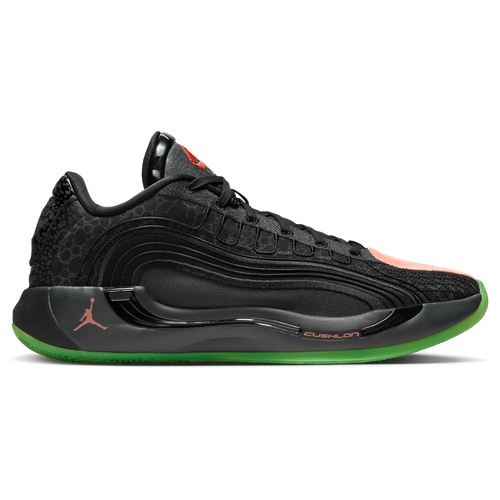
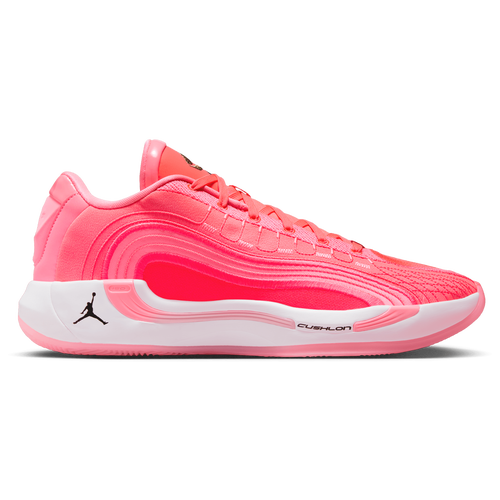
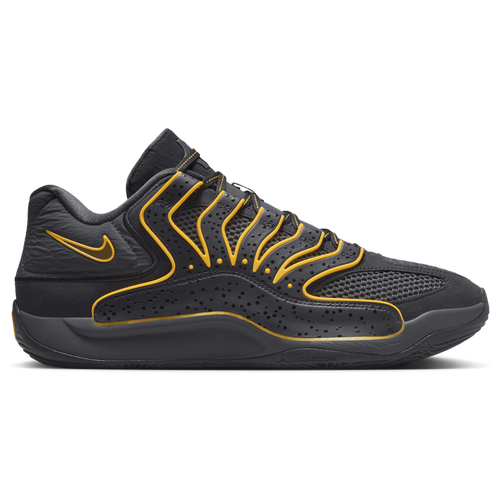
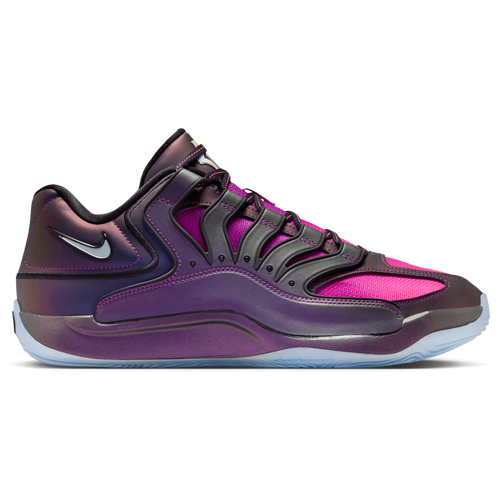
Elevate your game with our collection of supportive basketball shoes designed for optimal performance on the court. Engineered with advanced cushioning and stability features, these shoes provide the comfort and support you need to make quick cuts and explosive jumps. Whether you're a beginner or a seasoned player, our selection ensures you stay agile and confident during every play.
Each pair is crafted with durable materials to withstand the rigors of the game while offering a secure fit. Enjoy enhanced traction and responsiveness, allowing you to focus on your skills without worrying about your footwear. Step up your game with supportive basketball shoes that combine style and functionality, perfect for players of all levels.