
Good Snow Shoes
Showing 1 - 14 of 14 results
Our Good Snow Shoes sold out quickly! Explore similar styles now!
Search Results
On this page...
- What features should I look for in good snow shoes?
- Are good snow shoes suitable for hiking?
- How do I determine the right size for snow shoes?
- Can good snow shoes be used for walking on ice?
- What materials are typically used in good snow shoes?
- How do I maintain my snow shoes?
- Are good snow shoes heavy or lightweight?
- What is the difference between snow shoes and winter boots?
- How do I know if my snow shoes are suitable for deep snow?
- When is the best time to use snow shoes?
- Can I use snow shoes on flat terrain?
- Are good snow shoes adjustable for different foot sizes?
- What type of traction do good snow shoes provide?
Frequently Asked Questions For Good Snow Shoes
When selecting good snow shoes, consider features such as insulation, waterproofing, and traction. Insulation helps keep your feet warm in cold conditions, while waterproof materials prevent moisture from seeping in. Additionally, a good outsole with deep lugs provides excellent grip on slippery or uneven terrain.
Yes, good snow shoes are designed for hiking in snowy conditions. They provide the necessary support and traction to navigate through snow-covered trails. Look for models that are lightweight and offer a comfortable fit to enhance your hiking experience.
To find the right size for snow shoes, refer to the sizing chart provided by the manufacturer. It's important to consider both your shoe size and the type of socks you plan to wear. A snug fit is essential, but ensure there is enough room for movement and comfort.
While good snow shoes are primarily designed for snow, some models can provide traction on icy surfaces. However, it's advisable to use additional traction devices or ice cleats for enhanced grip on ice. Always assess the conditions before venturing out.
Good snow shoes are often made from durable materials such as nylon or synthetic fabrics for the upper, combined with rubber or EVA for the sole. These materials are chosen for their ability to withstand harsh weather conditions while providing comfort and support.
To maintain your snow shoes, clean them after each use to remove dirt and salt buildup. Store them in a cool, dry place away from direct sunlight. Regularly check for any signs of wear and tear, and ensure that straps and buckles are functioning properly.
The weight of good snow shoes can vary depending on the materials and design. Generally, lightweight models are preferred for ease of movement, especially during long hikes. However, some heavier models may offer additional insulation and durability for extreme conditions.
Snow shoes are designed to help you walk on top of deep snow, distributing your weight to prevent sinking. Winter boots, on the other hand, are made for warmth and protection in cold weather but do not provide the same flotation in deep snow. Both serve different purposes depending on your winter activities.
Good snow shoes designed for deep snow typically have a wider frame and larger surface area to provide better flotation. Check the specifications for features like a larger surface area and a design that allows for easy maneuverability in soft, powdery snow.
The best time to use snow shoes is during winter months when snow accumulation is significant. They are ideal for hiking, trekking, or exploring snowy trails when the snow is deep enough to warrant their use, typically when there is at least 6 inches of snow on the ground.
Yes, snow shoes can be used on flat terrain, making them versatile for various winter activities. They provide stability and traction, allowing you to walk comfortably over snow-covered ground. However, they are particularly beneficial in areas with deeper snow.
Many good snow shoes come with adjustable bindings that can accommodate various foot sizes. This feature ensures a secure fit, enhancing comfort and performance during use. Always check the specifications to confirm the adjustability of the model you are considering.
Good snow shoes typically feature aggressive traction patterns on their outsoles, designed to grip snow and ice effectively. Look for deep lugs and a rubber compound that enhances grip, ensuring stability and safety on slippery surfaces.
About Good Snow Shoes
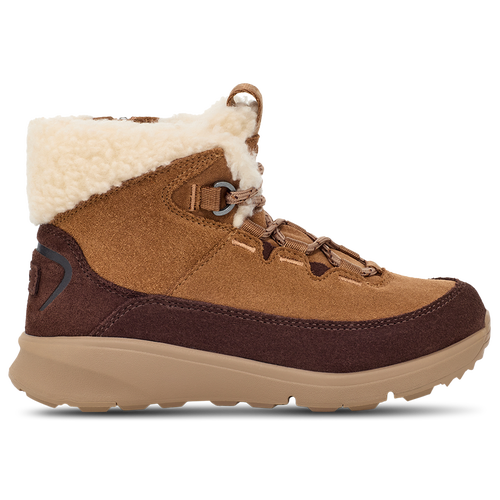
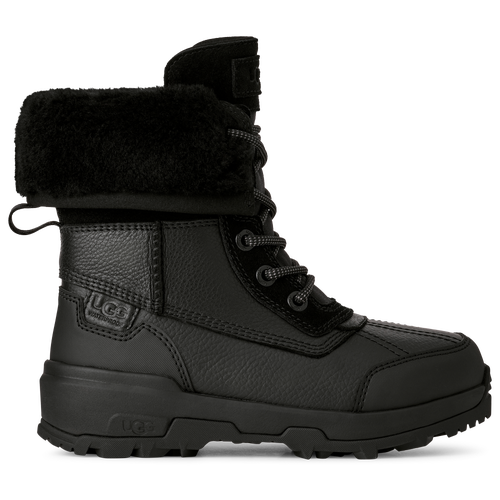
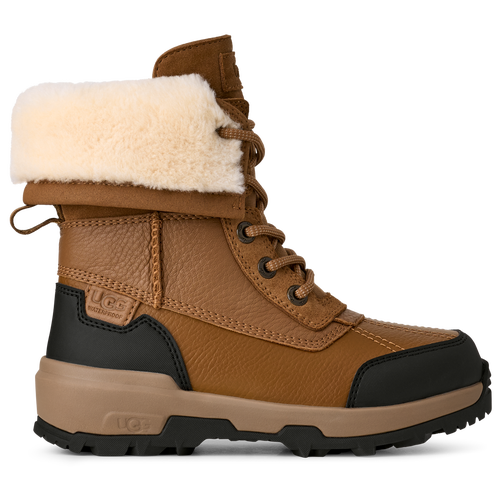
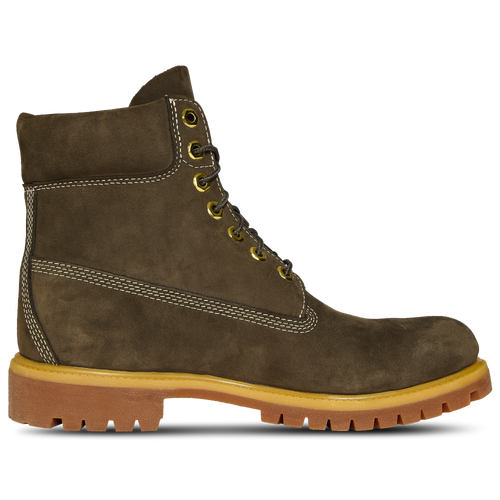
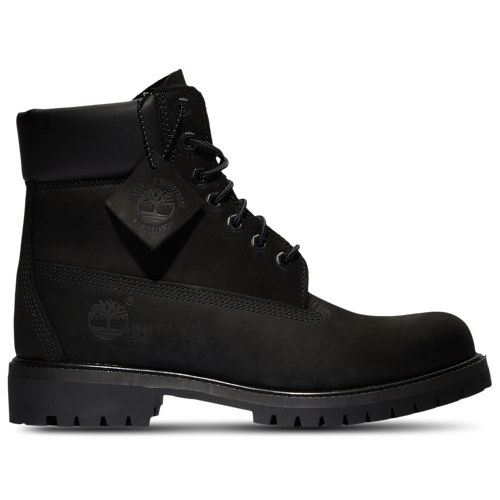
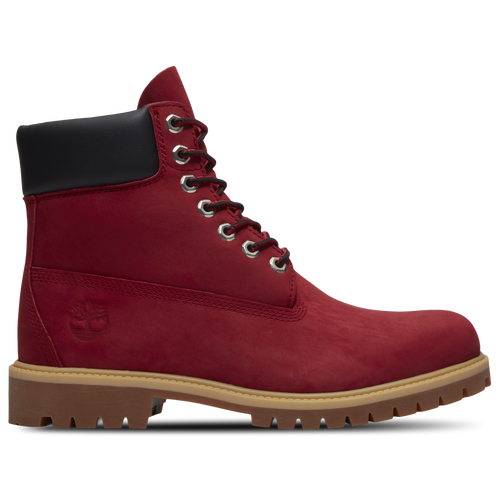
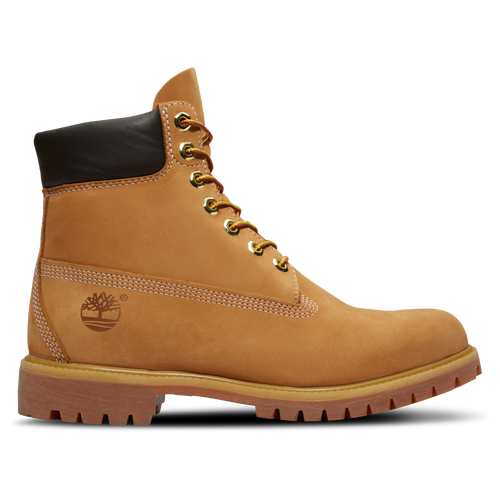
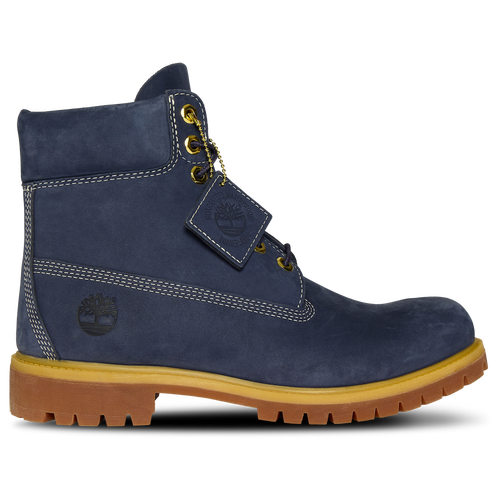
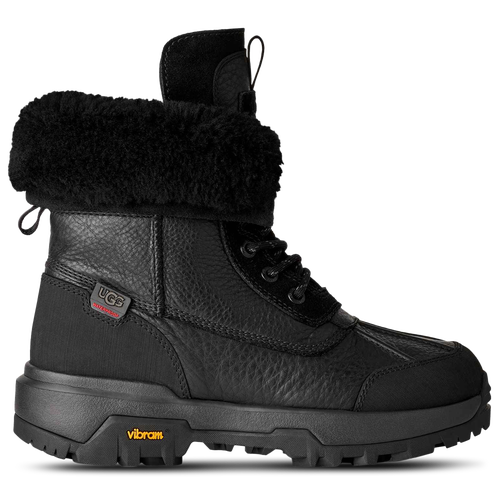
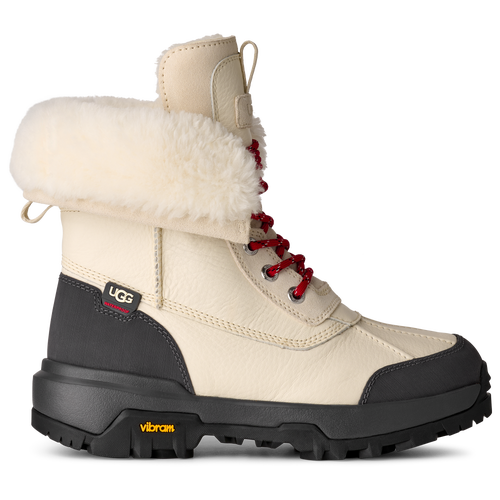
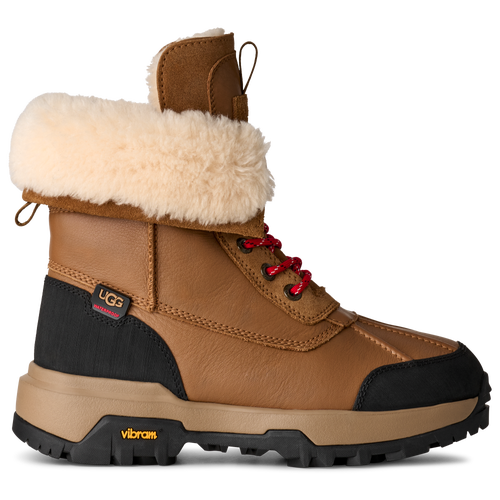
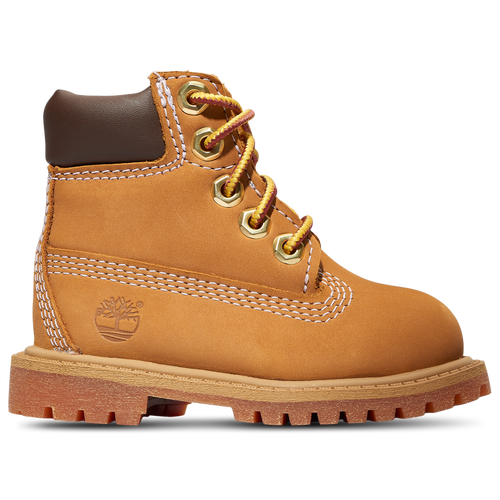
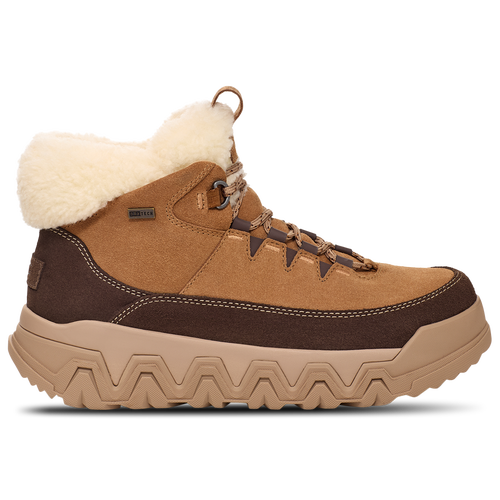
When winter hits, having the right snow shoes is essential for staying warm and dry. Our collection features footwear designed to provide superior insulation and waterproof protection, ensuring your feet remain cozy in the coldest conditions. With durable materials and rugged outsoles, these snow shoes offer excellent traction on slippery surfaces, making them perfect for any winter adventure.
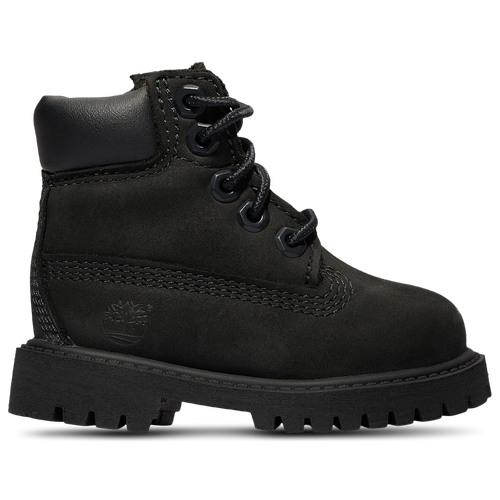
Comfort and style go hand in hand with our selection of good snow shoes. Whether you're trekking through snow-covered trails or navigating city streets, these shoes are built for all-day wear. Enjoy features like cushioned insoles and adjustable fits, allowing you to find the perfect pair that meets your winter needs while keeping you fashionable and functional.