
Long Run Stability Shoes
Showing 6 results
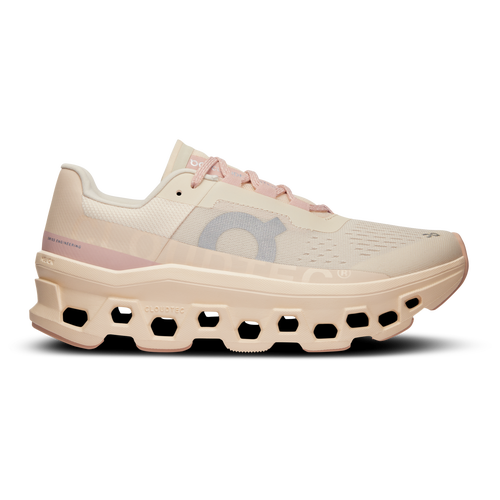
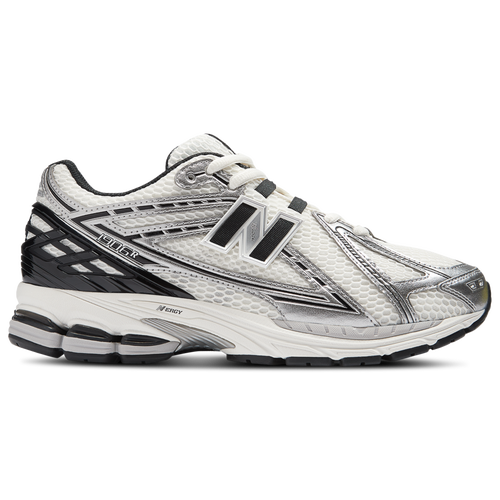
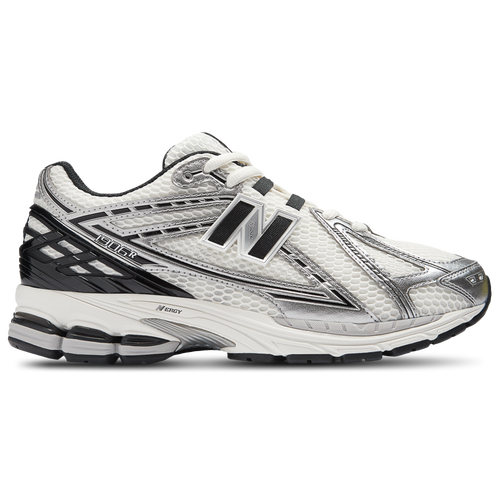
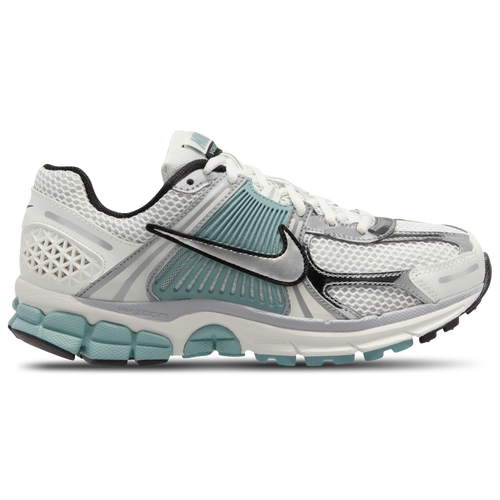
Our Long Run Stability Shoes sold out quickly! Explore similar styles now!
Search Results
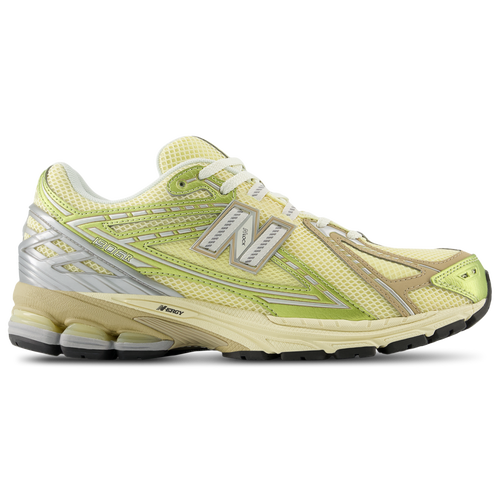
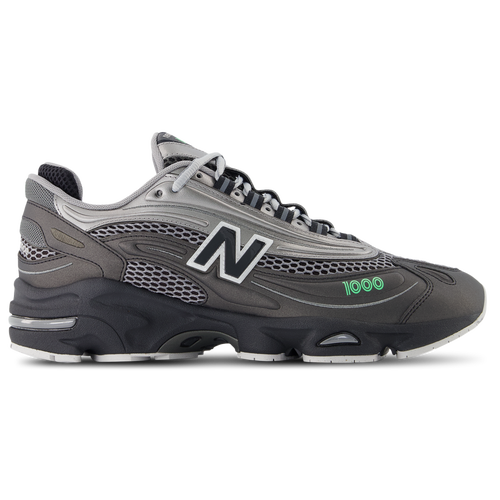
You May Also Like
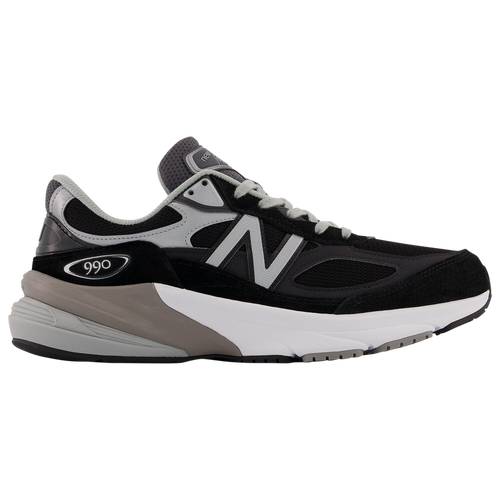
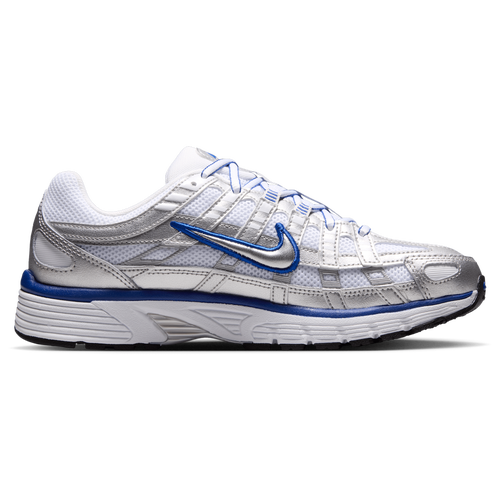
On this page...
- What features should I look for in long run stability shoes?
- Are long run stability shoes suitable for overpronators?
- How do I determine my size for long run stability shoes?
- What materials are commonly used in long run stability shoes?
- How often should I replace my long run stability shoes?
- Can long run stability shoes be used for other types of workouts?
- Are long run stability shoes heavier than neutral running shoes?
- What is the difference between stability shoes and motion control shoes?
- Are long run stability shoes good for flat feet?
- How do I break in my new long run stability shoes?
- What types of surfaces are long run stability shoes best suited for?
- Can I use long run stability shoes for trail running?
- What is the lifespan of long run stability shoes?
Frequently Asked Questions For Long Run Stability Shoes
When selecting long run stability shoes, look for features such as a supportive midsole that provides cushioning and stability, a structured upper for a secure fit, and a durable outsole for traction. Additionally, consider shoes with a wider toe box to allow for natural foot movement during long distances.
Yes, long run stability shoes are specifically designed to support overpronators by providing additional arch support and stability features. These shoes help to control excessive inward rolling of the foot, making them ideal for runners who need extra support during their long runs.
To determine your size for long run stability shoes, it is best to measure your feet while standing, as they may expand slightly. Try on shoes in the afternoon or evening when your feet are at their largest, and ensure there is about a thumb's width of space between your longest toe and the front of the shoe for comfort during runs.
Long run stability shoes typically feature a combination of breathable mesh uppers for ventilation, lightweight foam midsoles for cushioning, and rubber outsoles for durability and traction. Some models may also include additional materials for enhanced support and stability.
It is generally recommended to replace long run stability shoes every 300 to 500 miles, depending on your running style and the surfaces you run on. Signs that it’s time for a replacement include decreased cushioning, visible wear on the outsole, or discomfort during runs.
While long run stability shoes are designed primarily for running, they can also be suitable for other types of workouts such as walking, gym sessions, or cross-training. However, if you engage in activities that require specific footwear, it may be beneficial to have dedicated shoes for those workouts.
Long run stability shoes can be slightly heavier than neutral running shoes due to the added support and structure they provide. However, advancements in materials and design have led to many stability shoes being lightweight while still offering the necessary support for long-distance running.
Stability shoes are designed to provide support for mild to moderate overpronators, offering a balance of cushioning and stability. Motion control shoes, on the other hand, are intended for severe overpronators and typically feature a firmer midsole and additional support to limit excessive foot motion.
Yes, long run stability shoes can be beneficial for individuals with flat feet, as they often provide the necessary arch support and stability to help maintain proper alignment during runs. It is important to choose a model that specifically caters to your foot type for optimal comfort and performance.
To break in your new long run stability shoes, start by wearing them for short walks or light runs to allow the materials to adjust to your feet. Gradually increase the duration and intensity of your runs over a couple of weeks to ensure a comfortable fit without causing discomfort or blisters.
Long run stability shoes are versatile and can be used on various surfaces, including pavement, trails, and tracks. However, they are particularly effective on road surfaces where their cushioning and stability features can help absorb impact and provide support during long distances.
While long run stability shoes are primarily designed for road running, some models may be suitable for light trail running if they have a durable outsole and adequate grip. For more technical trails, it is advisable to choose shoes specifically designed for trail running to ensure optimal performance and safety.
The lifespan of long run stability shoes can vary based on factors such as running style, weight, and terrain. On average, these shoes last between 300 to 500 miles, but it's important to monitor their condition and replace them when you notice a decline in performance or comfort.
About Long Run Stability Shoes
Discover the perfect blend of comfort and support with our collection of long run stability shoes. Designed for runners seeking reliable performance, these shoes feature advanced cushioning and stability technologies to help you tackle those miles with confidence. Enjoy a secure fit that adapts to your foot's natural movement, ensuring a smooth and comfortable running experience.
Our long run stability shoes are crafted to provide optimal support for overpronators and those needing extra stability. With durable materials and responsive designs, these shoes are built to withstand the rigors of long-distance running while maintaining breathability and comfort. Elevate your running game and enjoy every step with footwear that prioritizes your performance and well-being.