
Motion Control Shoes for Overpronation
Showing 1 - 13 of 13 results
Our Motion Control Shoes for Overpronation sold out quickly! Explore similar styles now!
Search Results
On this page...
- What are motion control shoes for overpronation?
- How do I know if I need motion control shoes?
- Are motion control shoes suitable for all types of runners?
- What features should I look for in motion control shoes?
- Can motion control shoes help prevent injuries?
- How do motion control shoes differ from stability shoes?
- Are motion control shoes heavy?
- How often should I replace my motion control shoes?
- Can I use motion control shoes for walking?
- What is the best way to break in motion control shoes?
- Are there specific brands known for their motion control shoes?
- How do I choose the right size for motion control shoes?
Frequently Asked Questions For Motion Control Shoes for Overpronation
Motion control shoes are specifically designed to provide stability and support for individuals who overpronate, which means their feet roll inward excessively while walking or running. These shoes typically feature a firmer midsole and added support around the arch to help correct the foot's alignment and promote a more natural gait.
If you frequently experience discomfort or pain in your feet, ankles, or knees while walking or running, you may benefit from motion control shoes. Additionally, if you notice that your shoes wear out unevenly, particularly on the inner side, it may indicate overpronation and the need for more supportive footwear.
Motion control shoes are best suited for runners who overpronate or have flat feet. However, if you have a neutral gait or supinate (roll outward), you may require a different type of shoe that offers cushioning and flexibility rather than motion control features.
When selecting motion control shoes, look for a firm midsole, a supportive heel counter, and a structured upper that helps keep your foot in place. Additionally, consider shoes with a wider toe box for comfort and breathability, as well as a durable outsole for traction.
Yes, motion control shoes can help reduce the risk of injuries associated with overpronation by providing the necessary support and stability. By promoting proper foot alignment and reducing excessive inward rolling, these shoes can alleviate stress on joints and muscles, potentially preventing common running injuries.
While both motion control and stability shoes are designed to provide support, motion control shoes offer a higher level of firmness and structure for severe overpronators. Stability shoes, on the other hand, provide moderate support for mild to moderate overpronation, making them more versatile for a wider range of runners.
Motion control shoes can be slightly heavier than neutral or minimalist shoes due to the additional materials used for support and stability. However, advancements in technology have led to lighter options that still provide the necessary features for overpronators without compromising comfort.
It is generally recommended to replace motion control shoes every 300 to 500 miles, depending on your running style and the terrain you cover. Regularly inspecting the shoes for signs of wear, such as flattened cushioning or uneven tread, can also help determine when it's time for a new pair.
Yes, motion control shoes can be an excellent choice for walking, especially for individuals who overpronate. The added support and stability can enhance comfort during long walks and help prevent foot fatigue and discomfort.
To break in motion control shoes, start by wearing them for short periods during low-impact activities, such as walking or light jogging. Gradually increase the duration and intensity of use over a week or two to allow your feet to adjust to the shoe's structure and support.
While there are many brands that offer motion control shoes, it's essential to focus on the features and fit that work best for your foot type and running style. Trying on different options and consulting with a footwear specialist can help you find the right pair tailored to your needs.
To choose the right size for motion control shoes, measure your feet in the afternoon when they are slightly swollen for the most accurate fit. Ensure there is enough room in the toe box, and consider trying on shoes with the socks you plan to wear during activities for the best fit.
About Motion Control Shoes for Overpronation
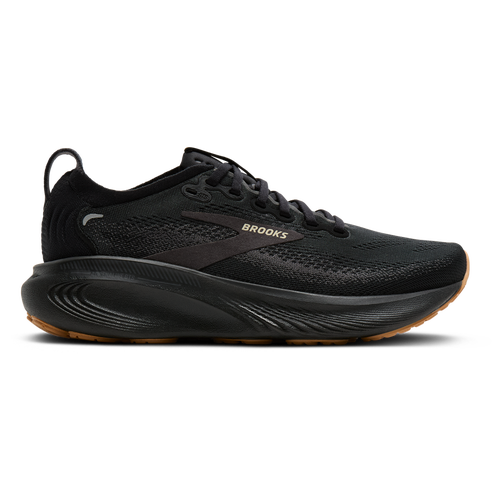
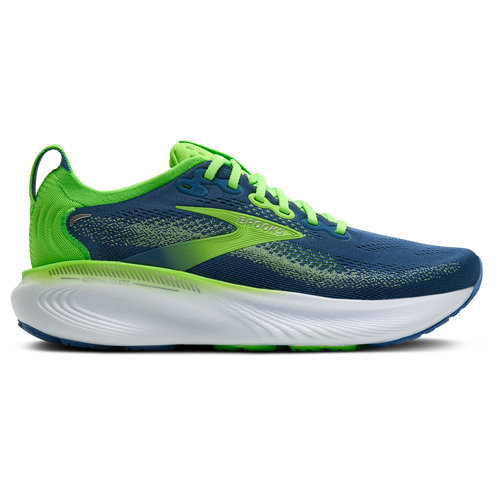
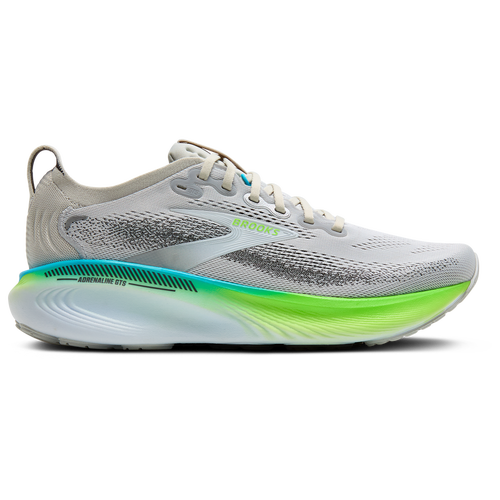
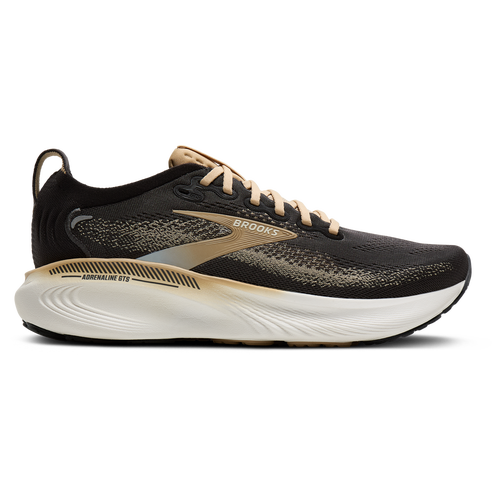
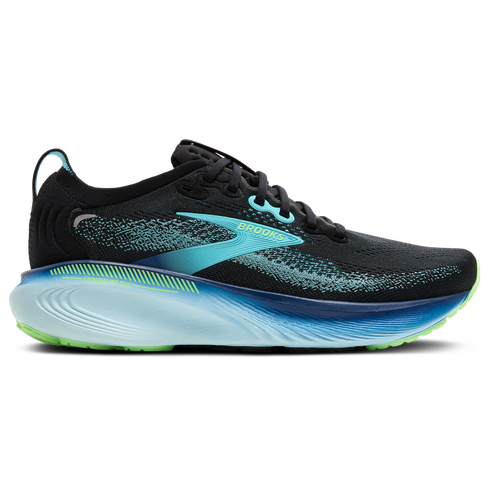
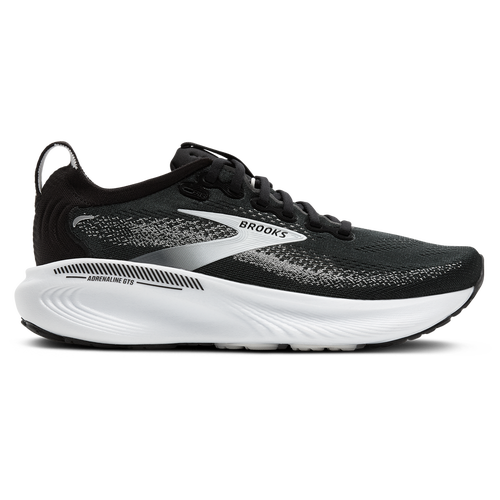
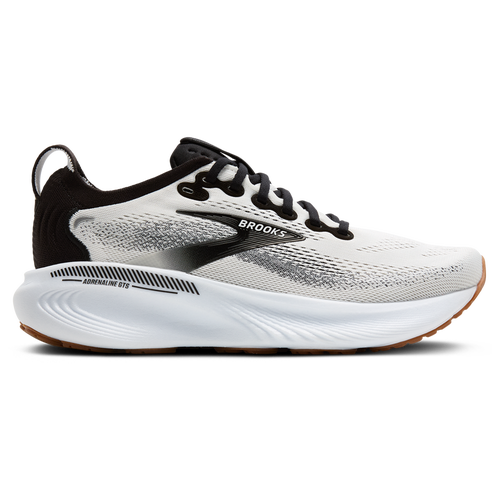
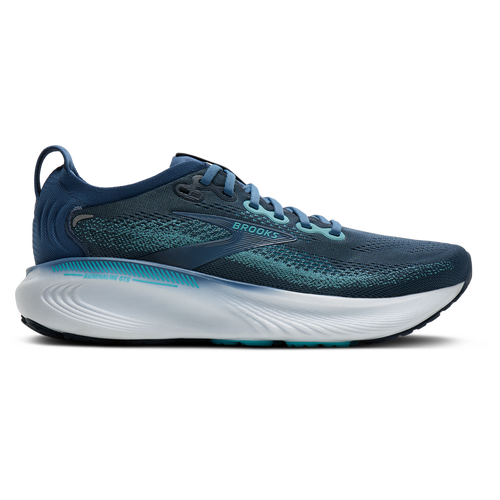
Discover the perfect solution for runners dealing with overpronation with our selection of motion control shoes. Designed to provide maximum stability and support, these shoes help correct your stride while reducing the risk of injury. With features like reinforced cushioning and structured midsoles, they offer the ideal blend of comfort and performance for every step.
Our motion control shoes are engineered to enhance your running experience, ensuring a secure fit and optimal arch support. Whether you're training for a marathon or enjoying a casual jog, these shoes will keep you feeling balanced and energized. Step confidently into your next run with footwear that prioritizes your unique needs.