
Natural Movement Running Shoes
Showing 63 results
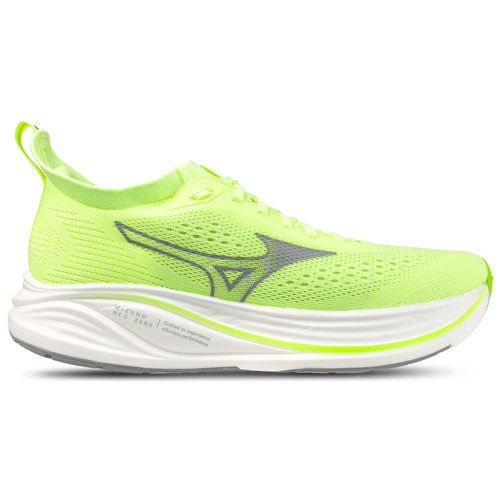
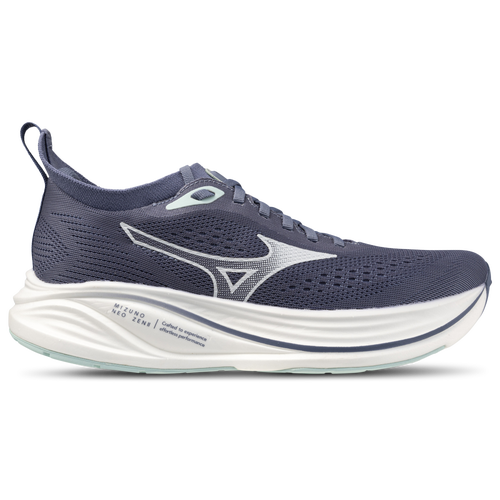
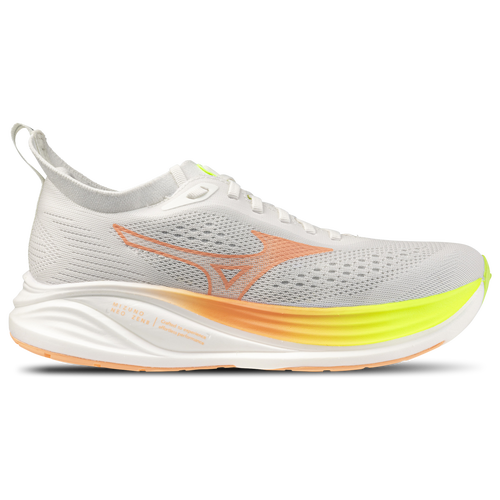
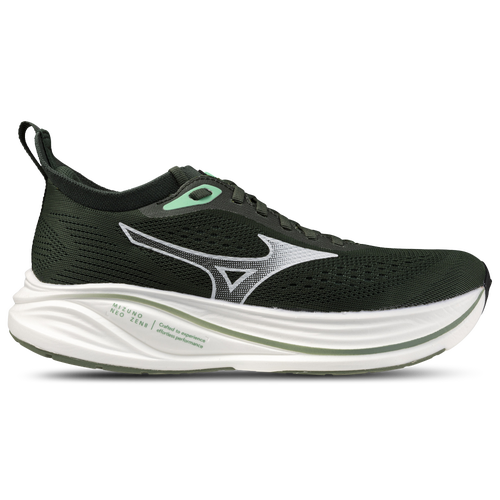
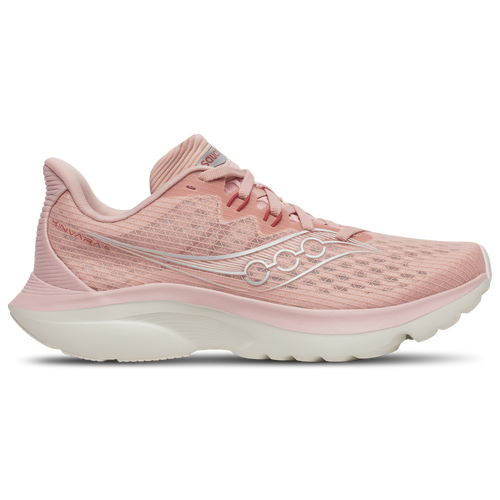
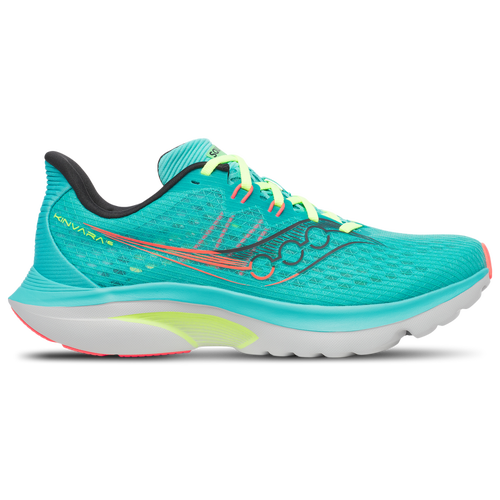
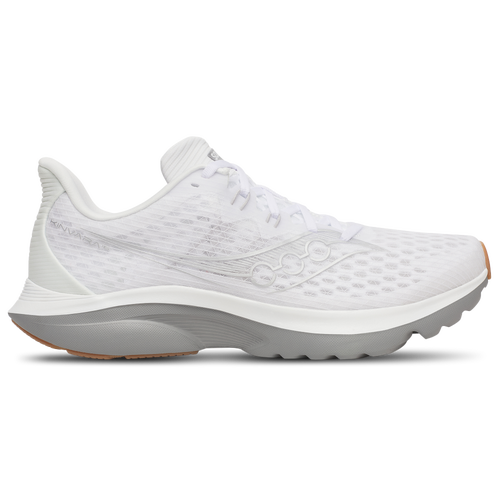
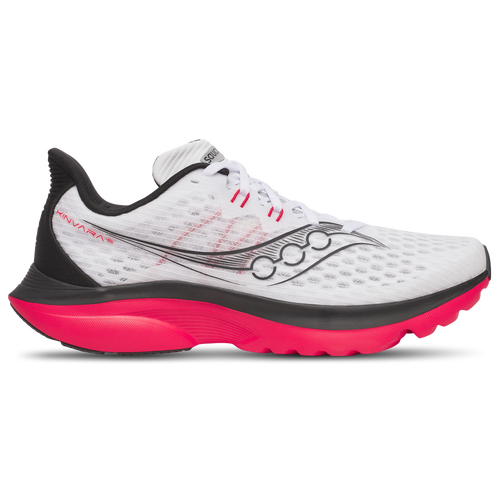
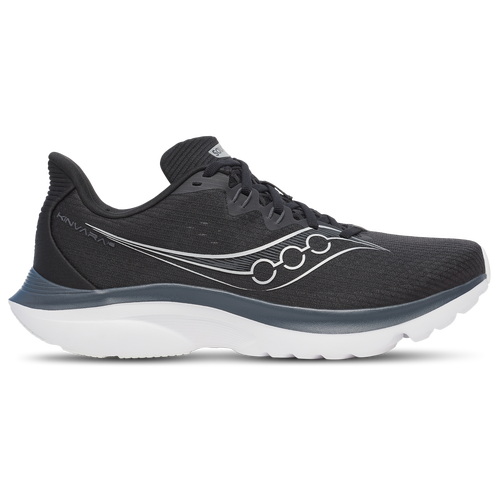
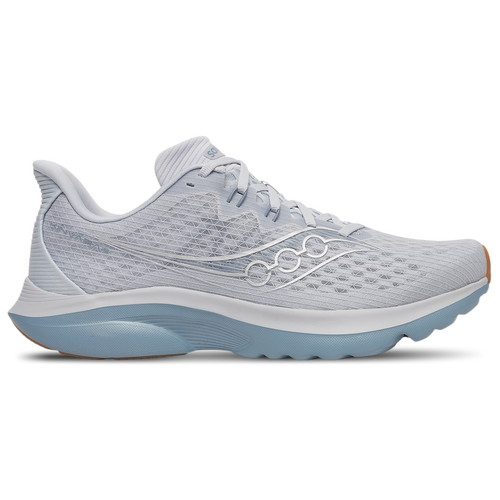
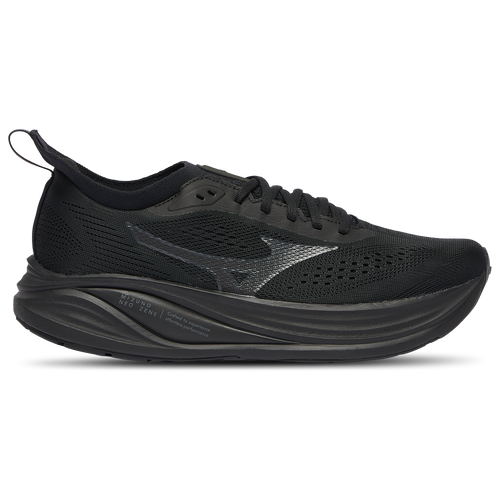
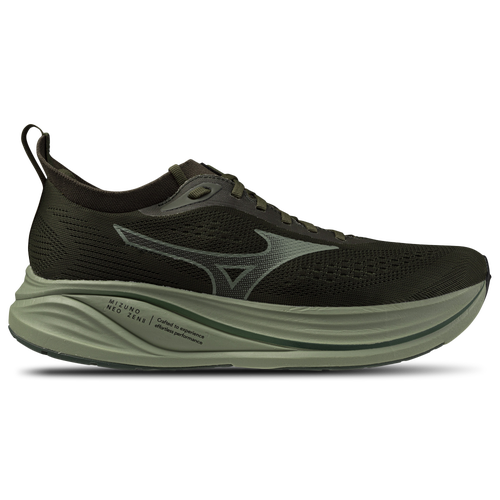
Our Natural Movement Running Shoes sold out quickly! Explore similar styles now!
Search Results

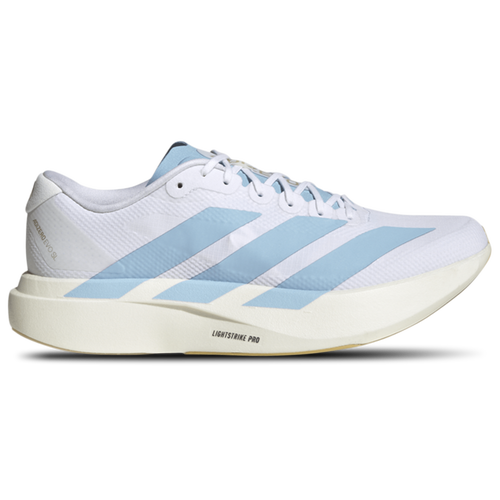
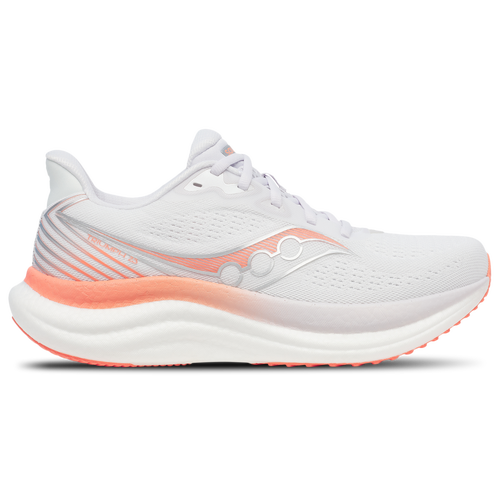
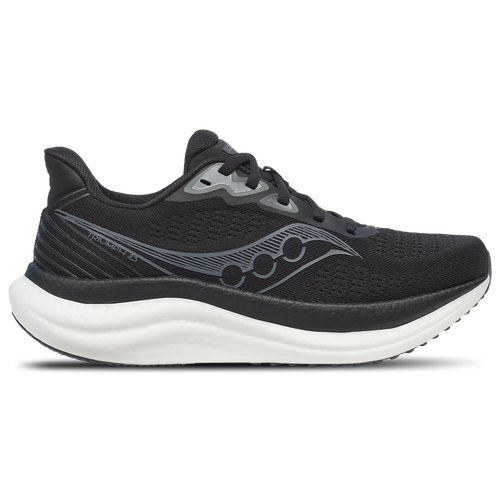
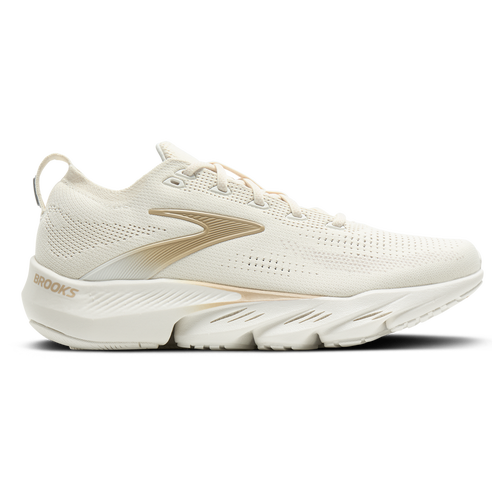
On this page...
- What are natural movement running shoes?
- How do natural movement running shoes differ from traditional running shoes?
- Are natural movement running shoes suitable for all types of runners?
- What materials are commonly used in natural movement running shoes?
- Are natural movement running shoes good for trail running?
- How should I choose the right size for natural movement running shoes?
- Can natural movement running shoes help reduce the risk of injury?
- What is the heel-to-toe drop in natural movement running shoes?
- How do I break in natural movement running shoes?
- Are natural movement running shoes suitable for long-distance running?
- What kind of cushioning do natural movement running shoes have?
- When were natural movement running shoes first introduced?
- Are there specific care instructions for natural movement running shoes?
Frequently Asked Questions For Natural Movement Running Shoes
Natural movement running shoes are designed to promote a more natural running style by allowing the foot to move freely and flexibly. They typically feature a lightweight construction, minimal cushioning, and a low heel-to-toe drop, which encourages a more efficient stride and better ground contact.
Unlike traditional running shoes, which often have significant cushioning and support, natural movement running shoes focus on a minimalist design that enhances the foot's natural biomechanics. This design helps to strengthen foot muscles and improve overall running form by encouraging a midfoot or forefoot strike.
Natural movement running shoes are generally best suited for runners who have a good level of foot strength and experience with minimalist footwear. Beginners or those with specific foot issues may need to transition gradually to avoid injury. It's important to consider individual running styles and preferences when choosing footwear.
Natural movement running shoes often utilize lightweight and breathable materials such as mesh for the upper, along with flexible rubber or foam for the outsole. These materials help to provide comfort, flexibility, and durability while maintaining a natural feel during runs.
Many natural movement running shoes are designed for versatility and can be suitable for trail running, provided they have adequate traction and durability. Look for models that feature rugged outsoles and reinforced uppers to handle uneven terrain while still promoting a natural running experience.
When selecting natural movement running shoes, it's essential to ensure a snug fit without being too tight. Many brands recommend trying on shoes with the socks you plan to wear while running and ensuring there is enough room in the toe box for natural movement of the toes.
Natural movement running shoes can potentially reduce the risk of injury by promoting a more natural running gait and strengthening foot muscles. However, transitioning to minimalist footwear should be done gradually to allow the body to adapt and avoid overuse injuries.
The heel-to-toe drop in natural movement running shoes is typically low, often ranging from 0mm to 4mm. This low drop encourages a more natural foot position and promotes a midfoot or forefoot strike, which can enhance running efficiency and comfort.
To break in natural movement running shoes, it is advisable to start by wearing them for short periods during walks or light runs. Gradually increase the duration and intensity of your runs over a few weeks to allow your feet to adapt to the shoes' minimalist design.
Natural movement running shoes can be suitable for long-distance running, especially for those accustomed to minimalist footwear. However, it's important to listen to your body and ensure that you have built up the necessary foot strength and endurance before tackling longer distances.
Natural movement running shoes typically feature minimal cushioning to allow for better ground feel and foot flexibility. This design encourages the foot to engage more naturally with the running surface, which can enhance proprioception and overall running efficiency.
Natural movement running shoes began gaining popularity in the early 2000s as part of the minimalist running movement. They were developed in response to a growing interest in more natural running techniques and the benefits of allowing the foot to move more freely.
To care for natural movement running shoes, it's best to clean them with a damp cloth and mild soap to remove dirt and debris. Avoid machine washing or drying, as this can damage the materials and affect the shoe's performance. Allow them to air dry naturally away from direct heat sources.
About Natural Movement Running Shoes
Experience the freedom of movement with our collection of natural movement running shoes, designed to enhance your running experience. These shoes prioritize flexibility and comfort, allowing your feet to move naturally while providing essential support. Lightweight materials and breathable designs ensure that you stay comfortable mile after mile, making them perfect for both casual joggers and serious runners.
Our selection features shoes that promote a more natural stride, encouraging proper foot mechanics and reducing the risk of injury. With responsive cushioning and a minimalist feel, these running shoes are ideal for those seeking a closer connection to the ground. Elevate your running game and enjoy a more intuitive experience with our natural movement running shoes.