
Racing Shoes For Men
Showing 1 - 26 of 26 results
Our Racing Shoes For Men sold out quickly! Explore similar styles now!
Search Results
On this page...
- What features should I look for in racing shoes for men?
- Are racing shoes for men suitable for everyday training?
- How do I determine the right size for racing shoes for men?
- What is the weight range of racing shoes for men?
- Are racing shoes for men designed for specific types of races?
- What materials are commonly used in racing shoes for men?
- How often should I replace my racing shoes for men?
- Can I use racing shoes for men on different surfaces?
- What is the difference between racing flats and spikes for men?
- Are racing shoes for men waterproof?
- How do I break in my racing shoes for men?
- What is the typical lifespan of racing shoes for men?
- Are there racing shoes for men with wide or narrow fits?
Frequently Asked Questions For Racing Shoes For Men
When selecting racing shoes for men, consider features such as lightweight construction, responsive cushioning, and a snug fit. Look for breathable materials to enhance comfort during long runs and a durable outsole for traction on various surfaces. Additionally, a streamlined design can help reduce drag and improve speed.
Racing shoes are primarily designed for speed and performance during races, which means they may not provide the same level of cushioning and support as traditional training shoes. While they can be used for shorter training sessions, it's advisable to use them sparingly to avoid discomfort and injury during longer runs.
To find the right size for racing shoes, measure your foot length and width, and refer to the sizing chart provided by the retailer. It's important to try on shoes in the afternoon when your feet are slightly swollen for a more accurate fit. Ensure there is enough room in the toe box for comfort during races.
Racing shoes for men typically weigh between 6 to 10 ounces, depending on the model and size. Lighter shoes are designed for speed and performance, while slightly heavier options may offer more cushioning and support. Choosing the right weight depends on your personal preference and racing style.
Yes, racing shoes can be designed for various types of races, including road races, track events, and trail running. Each type of shoe may feature specific attributes, such as enhanced grip for trail shoes or a more aerodynamic design for track racing. Selecting the right shoe for your race type can improve performance.
Racing shoes for men are often made from lightweight synthetic materials, mesh uppers for breathability, and responsive foam for cushioning. The outsoles may feature rubber or carbon rubber for durability and traction. These materials work together to provide a balance of comfort, speed, and support.
It's generally recommended to replace racing shoes after 300 to 500 miles of use, depending on your running style and the shoe's construction. Regularly inspecting the shoes for signs of wear, such as worn-out soles or reduced cushioning, can help determine when it's time for a new pair.
Racing shoes are typically designed for specific surfaces, such as road or track. While some models may perform well on multiple surfaces, it's best to choose shoes specifically designed for the terrain you'll be racing on to ensure optimal performance and safety.
Racing flats are lightweight shoes designed for road racing and track events, offering minimal cushioning and a low profile. Spikes, on the other hand, feature metal or plastic spikes on the outsole for enhanced grip on track surfaces. The choice between the two depends on the type of race and personal preference.
Most racing shoes are not waterproof, as they prioritize breathability and lightweight construction. However, some models may feature water-resistant materials to help keep your feet dry in light rain. If you often run in wet conditions, consider looking for specific models designed for water resistance.
To break in racing shoes, start by wearing them for short distances during your training runs. Gradually increase the distance over several sessions to allow the materials to conform to your feet. This process helps ensure comfort and reduces the risk of blisters or discomfort during races.
The lifespan of racing shoes can vary based on usage, but they typically last between 300 to 500 miles. Factors such as running style, terrain, and shoe construction can influence durability. Regularly monitoring the condition of your shoes will help determine when it's time to replace them.
Yes, many brands offer racing shoes in various widths, including wide and narrow options. It's essential to find a shoe that fits your foot shape properly to ensure comfort and prevent injuries. Checking the sizing guide and trying on different models can help you find the best fit for your needs.
About Racing Shoes for Men
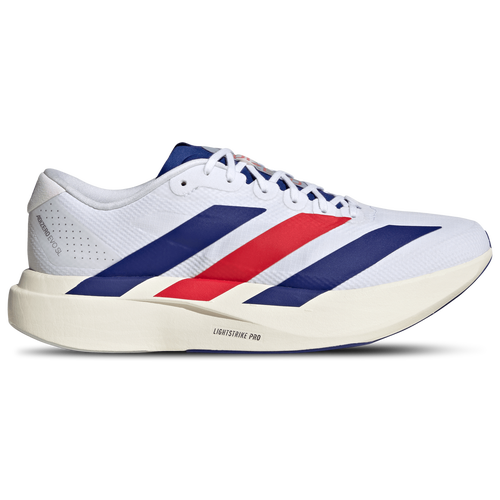
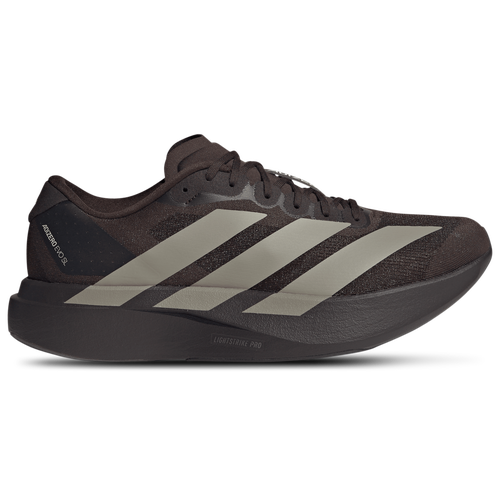
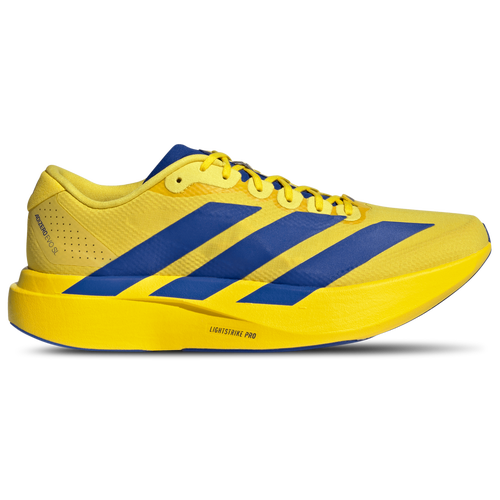
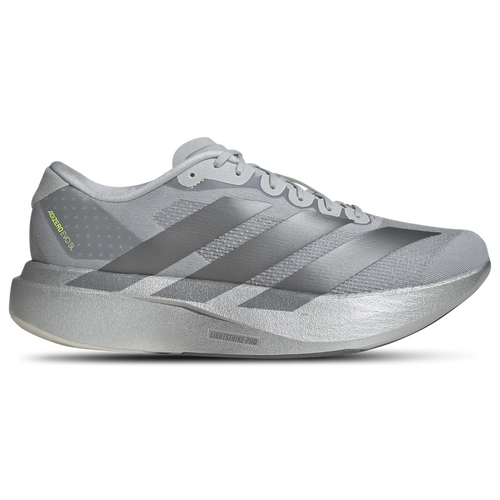
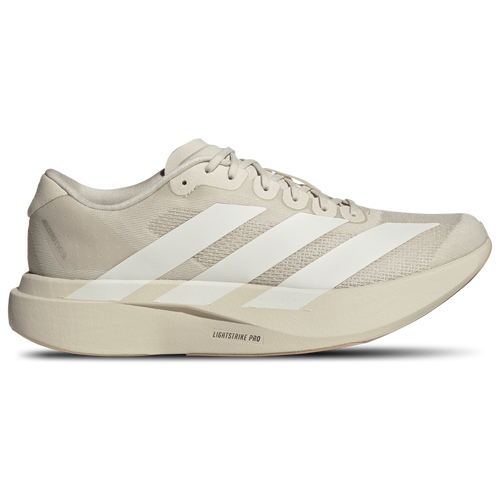
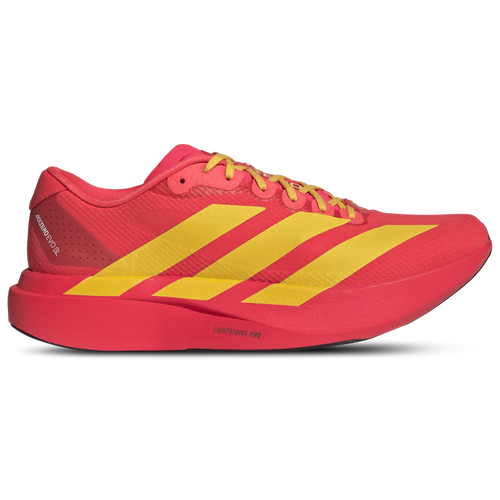
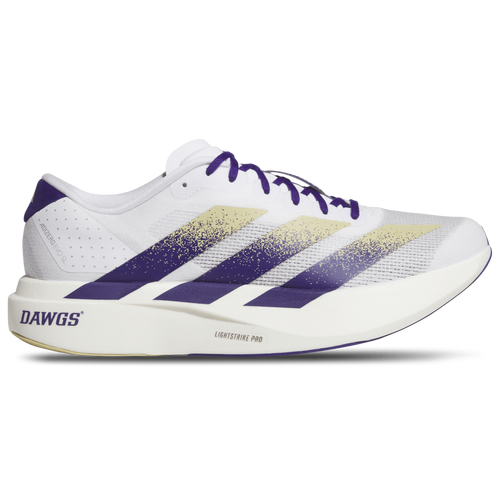
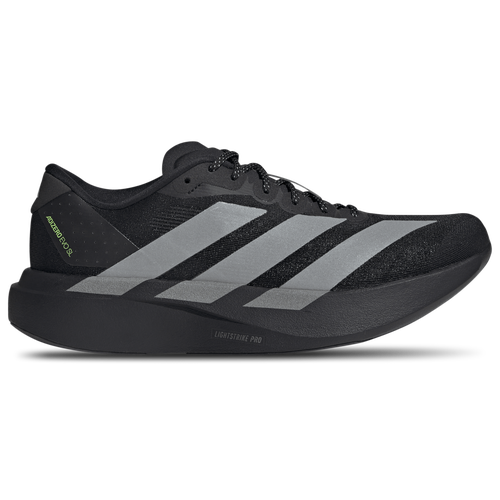
Elevate your performance with our collection of racing shoes for men, designed for speed and agility. These lightweight shoes feature advanced cushioning and responsive technology, ensuring maximum comfort during your races. With a sleek design and breathable materials, they provide the perfect blend of style and functionality, allowing you to focus on your goals.
Our racing shoes are engineered to enhance your stride, offering superior traction and stability on various surfaces. Whether you're training for a marathon or competing in a sprint, these shoes will help you achieve your personal best. Step into your next race with confidence and experience the difference that high-quality racing footwear can make.