
Road Runner Sports Trail Running Shoes
Showing 1 - 42 of 42 results
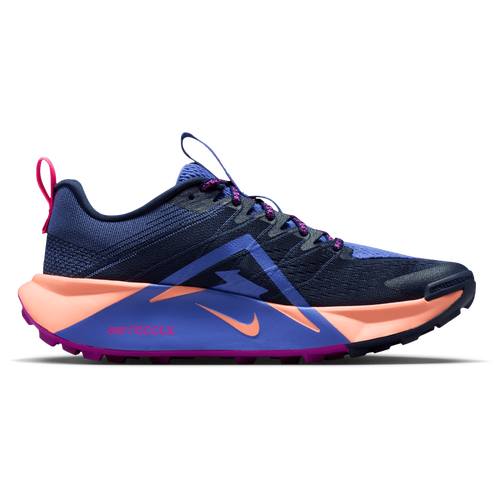
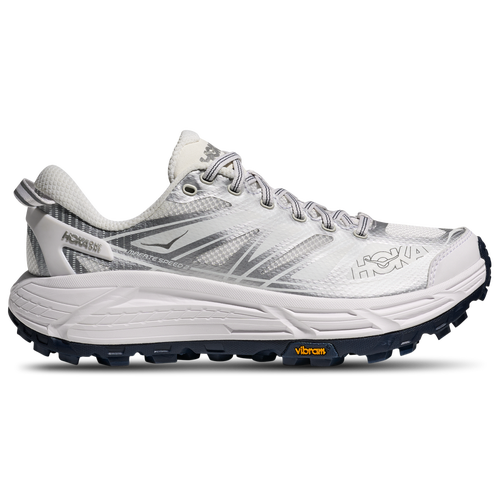
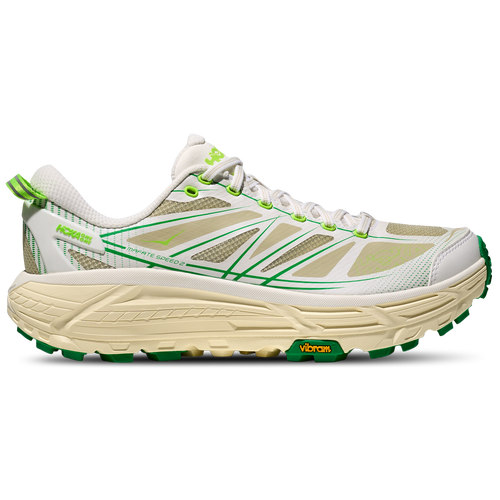
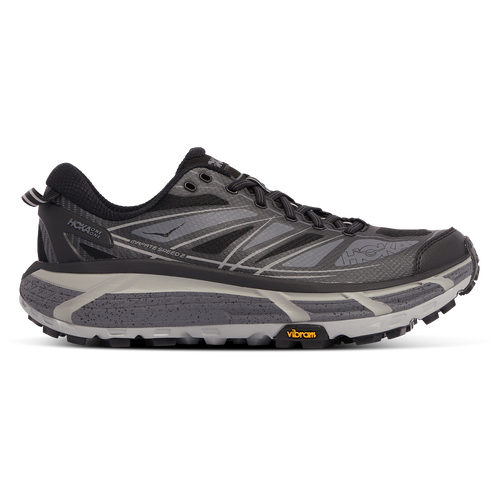
Our Road Runner Sports Trail Running Shoes sold out quickly! Explore similar styles now!
Search Results
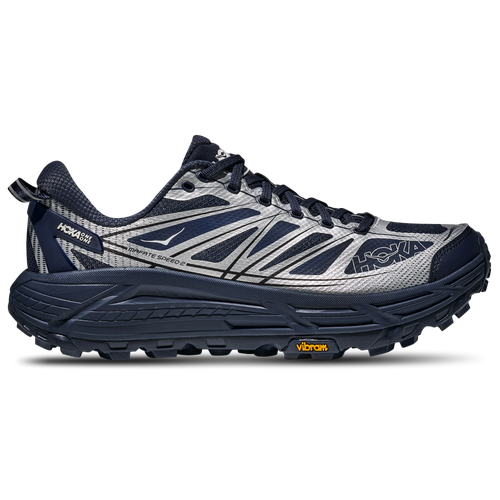
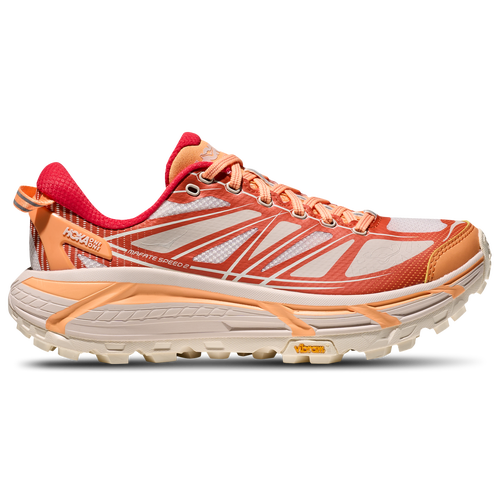
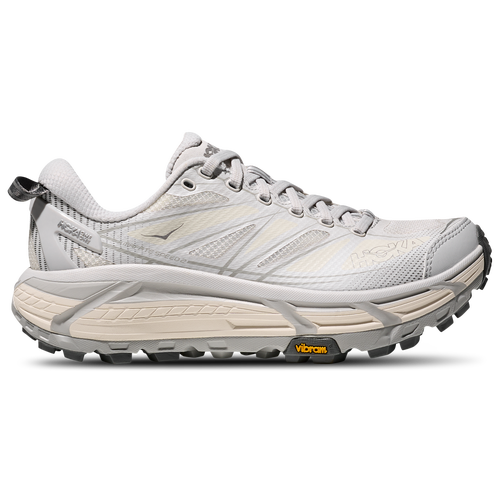
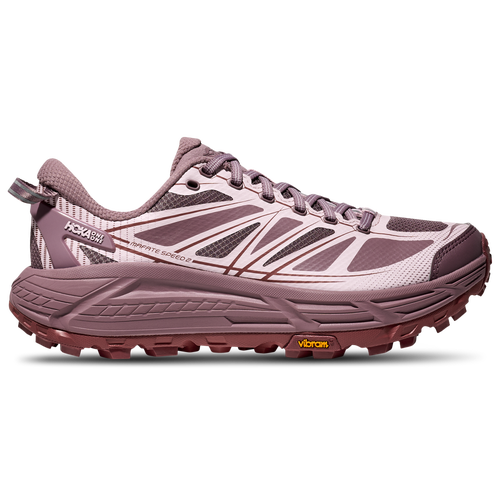
On this page...
- What features should I look for in trail running shoes?
- Are trail running shoes suitable for road running?
- How do I determine the right size for trail running shoes?
- What materials are commonly used in trail running shoes?
- How much cushioning do I need in trail running shoes?
- Are trail running shoes waterproof?
- How do I clean my trail running shoes?
- What is the lifespan of trail running shoes?
- Can I use trail running shoes for hiking?
- What types of terrain are trail running shoes designed for?
- Are there specific trail running shoes for different foot types?
- How do I break in new trail running shoes?
Frequently Asked Questions For Road Runner Sports Trail Running Shoes
When selecting trail running shoes, consider features such as traction, cushioning, and support. A good pair should have a durable outsole for grip on various terrains, adequate cushioning for comfort during long runs, and a secure fit to prevent slipping. Additionally, water-resistant materials can be beneficial for wet conditions.
While trail running shoes are designed for off-road conditions, they can be used on roads. However, they may not provide the same level of cushioning and responsiveness as road running shoes. If you frequently switch between terrains, look for hybrid options that offer versatility.
To find the right size for trail running shoes, measure your foot length and width, and refer to the sizing chart provided by the retailer. It's also advisable to try on shoes in the evening when your feet are slightly swollen, as this can help ensure a comfortable fit during long runs.
Trail running shoes are typically made from a combination of synthetic mesh, rubber, and foam materials. The mesh upper provides breathability, while rubber outsoles offer durability and traction. Foam midsoles are used for cushioning and shock absorption during runs.
The amount of cushioning you need in trail running shoes depends on your running style and the terrain. If you run on rocky or uneven surfaces, more cushioning can help absorb impact. However, if you prefer a more responsive feel, look for shoes with moderate cushioning.
Many trail running shoes come with waterproof features, such as Gore-Tex linings or water-resistant materials. These options help keep your feet dry in wet conditions. However, not all trail shoes are waterproof, so it's essential to check the product specifications if this feature is important to you.
To clean trail running shoes, remove any loose dirt and debris with a soft brush or cloth. You can then use mild soap and water to scrub the shoes, focusing on stained areas. Allow them to air dry away from direct sunlight to maintain their shape and materials.
The lifespan of trail running shoes can vary based on usage and terrain, but they typically last between 300 to 500 miles. Signs that it's time to replace them include decreased cushioning, worn-out outsoles, and discomfort during runs. Regularly inspecting your shoes can help you determine when to make a change.
Yes, trail running shoes can be suitable for hiking, especially on well-maintained trails. Their lightweight design and traction can provide comfort and stability. However, for more rugged terrain or heavy loads, consider dedicated hiking shoes for better support and protection.
Trail running shoes are specifically designed for various off-road terrains, including dirt trails, rocky paths, and muddy surfaces. They feature aggressive outsoles for enhanced grip and stability on uneven ground. This makes them ideal for running in natural environments.
Yes, trail running shoes are available for various foot types, including neutral, overpronated, and underpronated. It's important to assess your foot type and gait to find shoes that provide the right level of support and stability. Many retailers offer guidance on selecting the appropriate shoe for your needs.
To break in new trail running shoes, start by wearing them for short periods during daily activities before taking them on longer runs. Gradually increase the duration and intensity of your runs to allow the shoes to conform to your feet. This process helps prevent discomfort and blisters during your runs.
About Road Runner Sports Trail Running Shoes
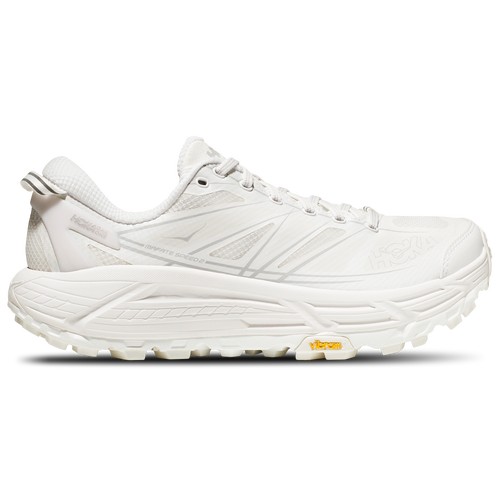
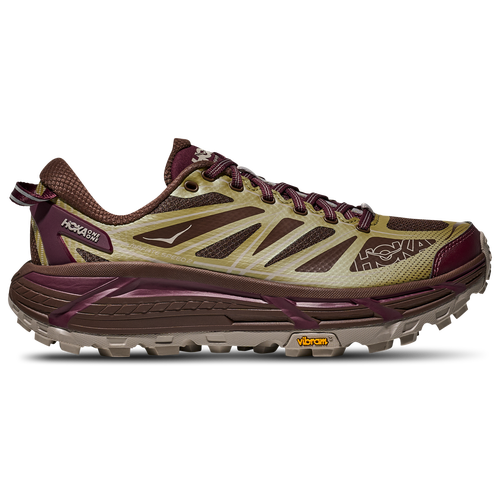
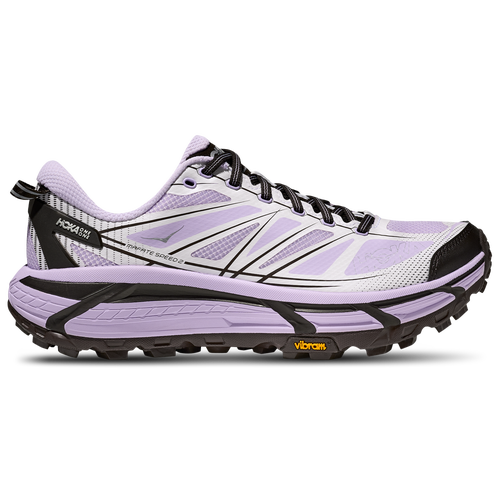
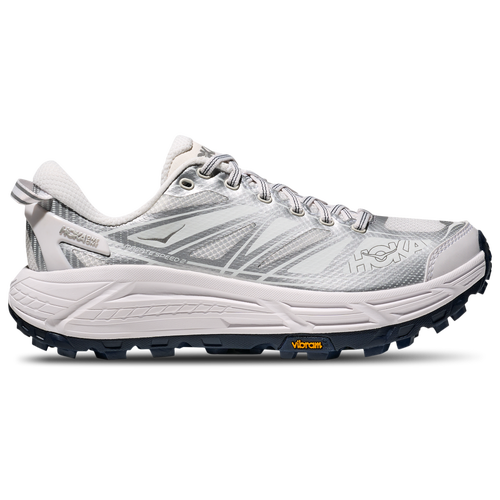
Explore the great outdoors with our collection of trail running shoes designed for performance and comfort. Engineered for rugged terrains, these shoes feature durable outsoles that provide excellent traction and stability on various surfaces. Lightweight materials ensure a responsive feel, allowing you to tackle any trail with confidence.
Our trail running shoes also prioritize breathability and cushioning, keeping your feet comfortable during long runs. With a variety of styles and fits available, you can find the perfect pair to match your running needs. Embrace your adventurous spirit and elevate your trail running experience with footwear that supports every step.