
Men's Backpacking Boots
Showing 1 - 10 of 10 results
Our Men's Backpacking Boots sold out quickly! Explore similar styles now!
Search Results
On this page...
- What features should I look for in men's backpacking boots?
- Are men's backpacking boots true to size?
- What materials are commonly used in men's backpacking boots?
- How do I maintain my men's backpacking boots?
- Are men's backpacking boots suitable for all types of terrain?
- How much ankle support do men's backpacking boots provide?
- Can I use men's backpacking boots for everyday wear?
- What is the difference between men's backpacking boots and hiking shoes?
- Are men's backpacking boots waterproof?
- When should I replace my men's backpacking boots?
- What is the average weight of men's backpacking boots?
- How should men's backpacking boots fit?
- What are the best socks to wear with men's backpacking boots?
Frequently Asked Questions For Men's Backpacking Boots
When selecting men's backpacking boots, consider features such as waterproofing, breathability, and insulation. Look for a sturdy outsole for traction on various terrains and ankle support to prevent injuries during long hikes. Additionally, a lightweight design can enhance comfort during extended wear.
Generally, men's backpacking boots tend to fit true to size, but it is advisable to try them on with the socks you plan to wear while hiking. Different brands may have slight variations in sizing, so checking the specific size guide for the boots you are interested in can help ensure a proper fit.
Men's backpacking boots are typically made from a combination of leather, synthetic materials, and rubber. Leather provides durability and water resistance, while synthetic materials often enhance breathability and reduce weight. Rubber outsoles are essential for providing grip and traction on uneven surfaces.
To maintain your men's backpacking boots, clean them regularly with a soft brush and mild soap to remove dirt and debris. Allow them to air dry away from direct heat sources, and apply a waterproofing treatment periodically to maintain their water resistance. Inspect the soles and seams for wear and tear to ensure longevity.
Yes, many men's backpacking boots are designed to handle various terrains, including rocky trails, muddy paths, and uneven surfaces. However, it is essential to choose a boot with the appropriate tread pattern and support for the specific conditions you plan to encounter.
Men's backpacking boots typically offer varying levels of ankle support, with higher-cut designs providing more stability. This support helps prevent ankle injuries during challenging hikes and uneven terrain. It's important to select a boot that feels comfortable and secure around the ankle.
While men's backpacking boots are designed for hiking and outdoor activities, many styles can also be worn for everyday use. Their rugged construction and comfortable fit make them suitable for casual outings, but consider the boot's weight and style for your daily activities.
Men's backpacking boots are typically taller and offer more ankle support compared to hiking shoes, which are generally lower-cut and lighter. Backpacking boots are designed for carrying heavier loads over longer distances, while hiking shoes are ideal for day hikes and lighter activities.
Many men's backpacking boots feature waterproof materials or treatments to keep your feet dry in wet conditions. Look for boots labeled as waterproof or those that include Gore-Tex or similar technology for optimal protection against moisture while hiking.
It is time to replace your men's backpacking boots when you notice significant wear on the soles, loss of waterproofing, or discomfort while wearing them. Regularly inspecting the boots for signs of damage and assessing their performance during hikes can help determine when a replacement is necessary.
The average weight of men's backpacking boots can vary widely, typically ranging from 2 to 4 pounds per pair. Lightweight options are available for those seeking to minimize pack weight, while more robust designs may weigh more but offer additional support and durability for challenging hikes.
Men's backpacking boots should fit snugly but comfortably, with enough room to wiggle your toes. Ensure there is no excessive heel lift, and the boots should feel secure around the midfoot and ankle. Trying them on with the socks you intend to wear can help achieve the best fit.
The best socks to wear with men's backpacking boots are typically made from moisture-wicking materials, such as merino wool or synthetic blends. These materials help keep your feet dry and comfortable, reducing the risk of blisters during long hikes. Look for socks with cushioning and support for added comfort.
About Men's Backpacking Boots
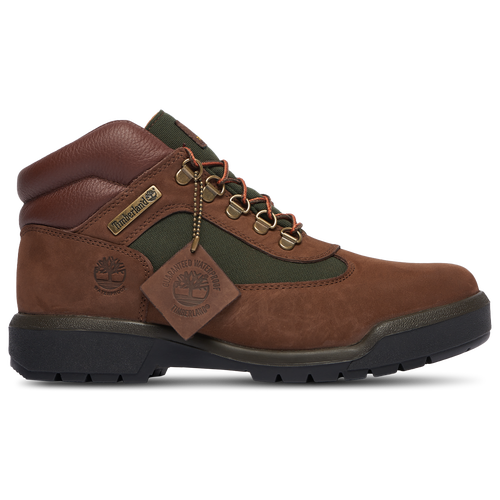
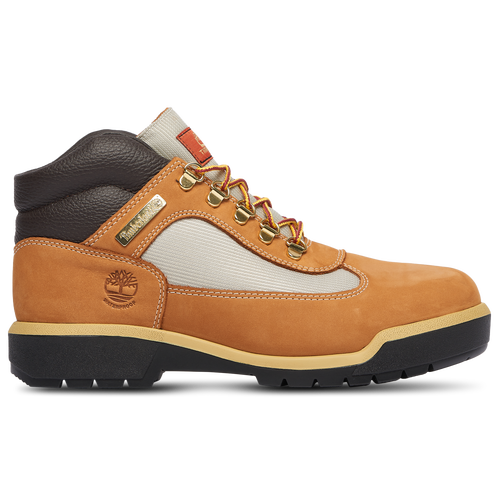
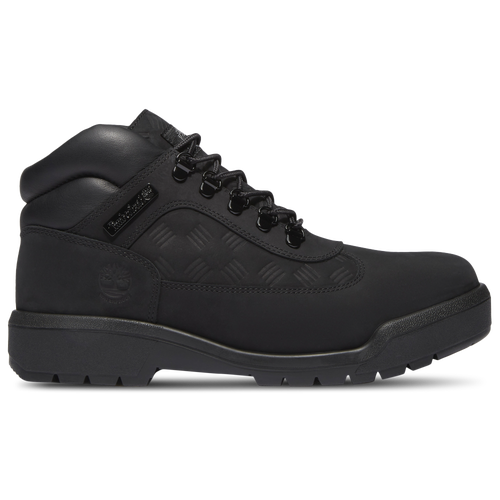
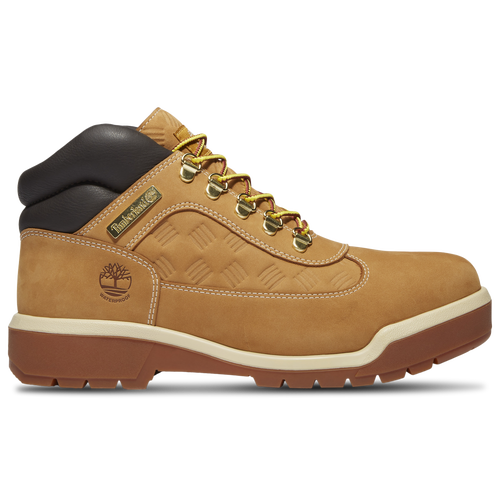
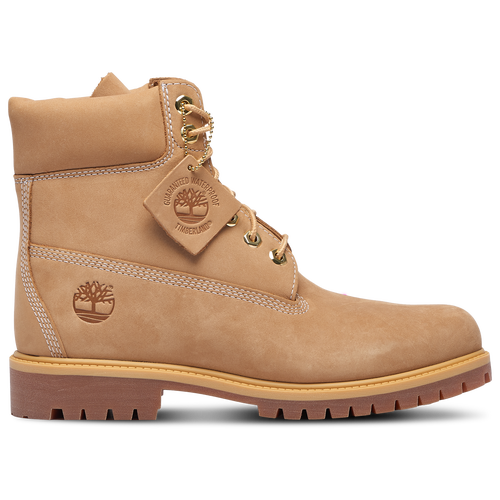
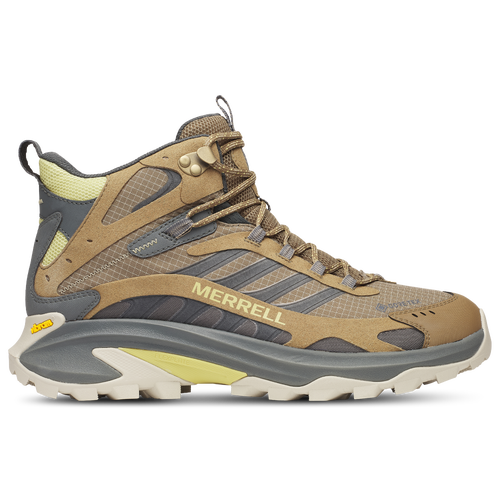
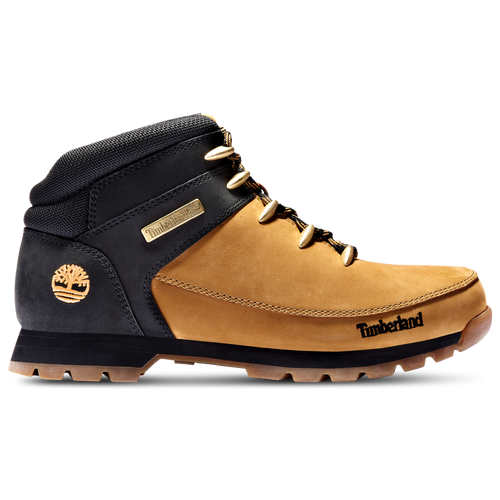
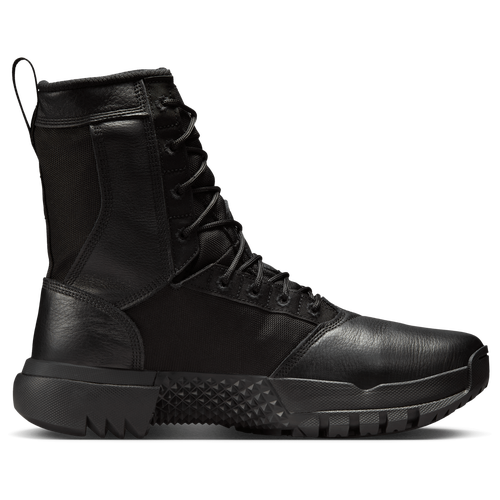
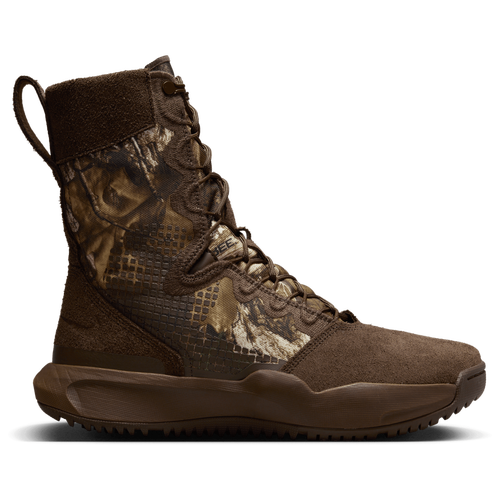
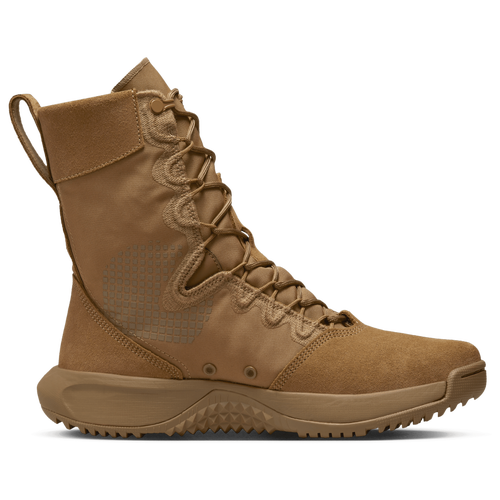
Explore the great outdoors with confidence in our collection of men's backpacking boots. Designed for durability and comfort, these boots provide excellent support for long hikes and rugged terrains. With features like waterproof materials and breathable linings, your feet will stay dry and comfortable, no matter the conditions.
Our selection includes boots with sturdy outsoles for superior traction, ensuring stability on various surfaces. Lightweight yet robust, these boots are perfect for adventurers seeking both performance and style. Gear up for your next journey with the perfect pair of men's backpacking boots that can handle any trail.