
Running Shoes For Hard Surfaces
Showing 5 results
Our Running Shoes For Hard Surfaces sold out quickly! Explore similar styles now!
Search Results
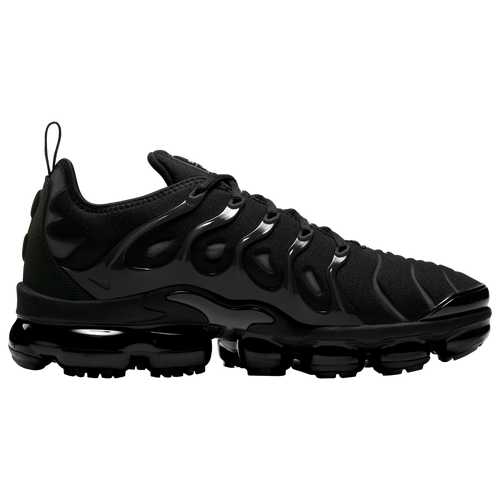
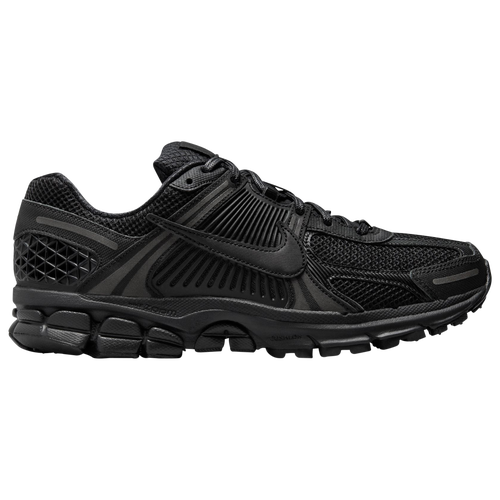
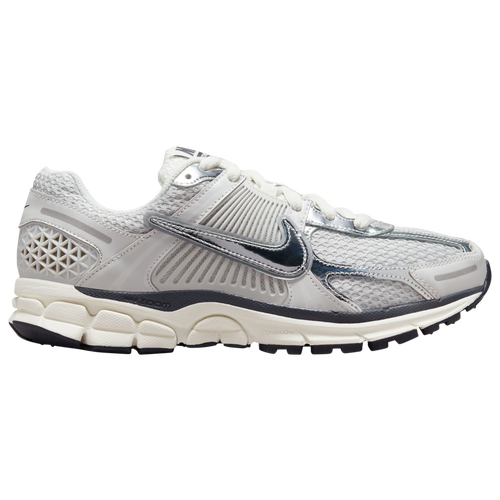
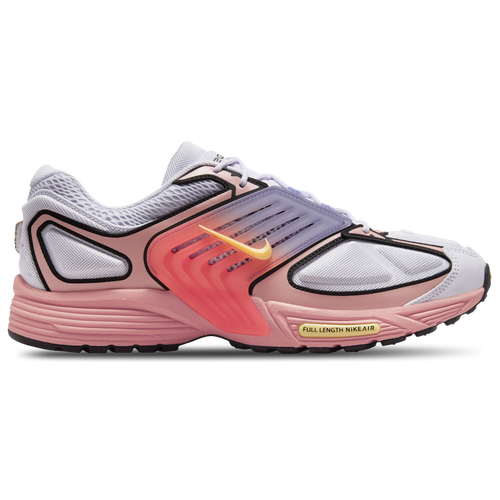
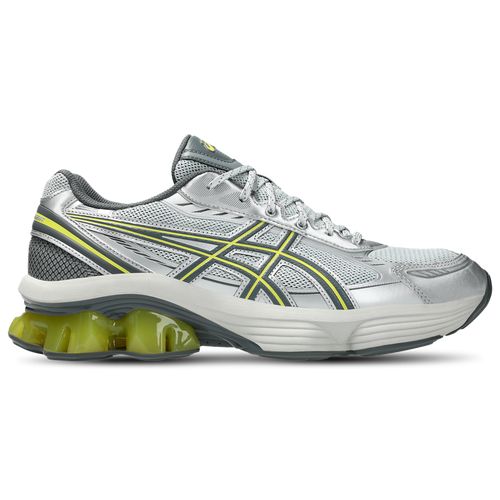
You May Also Like
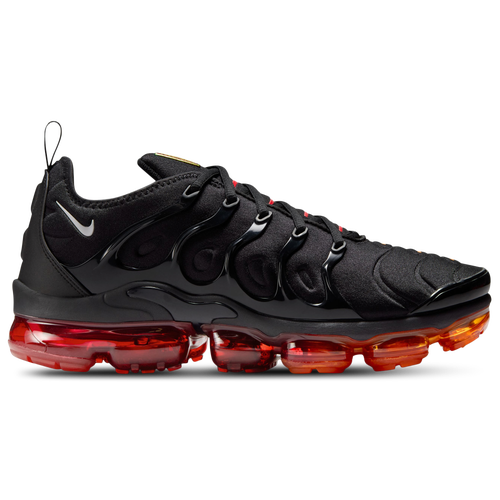
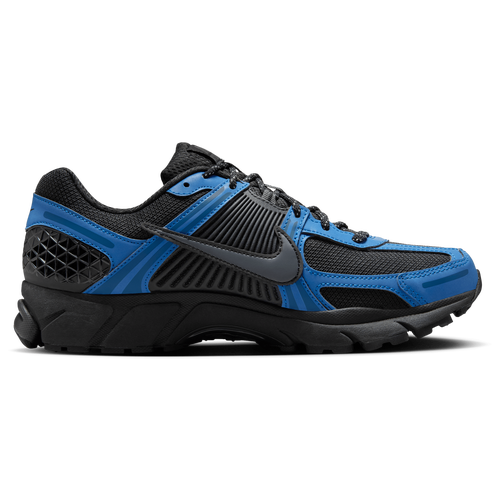
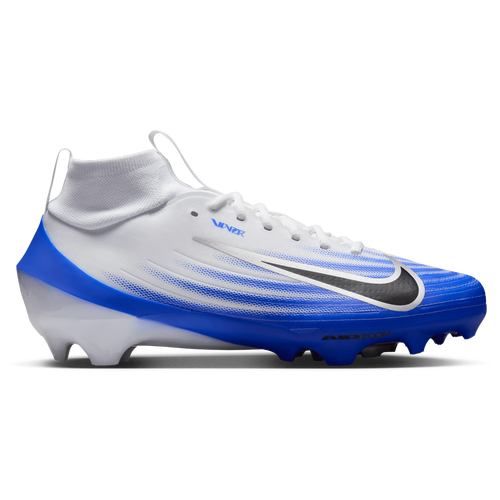
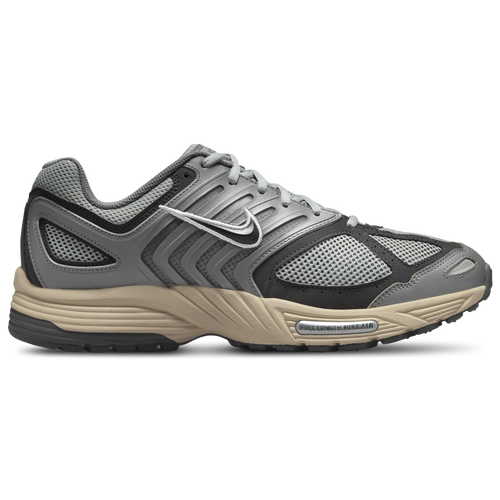
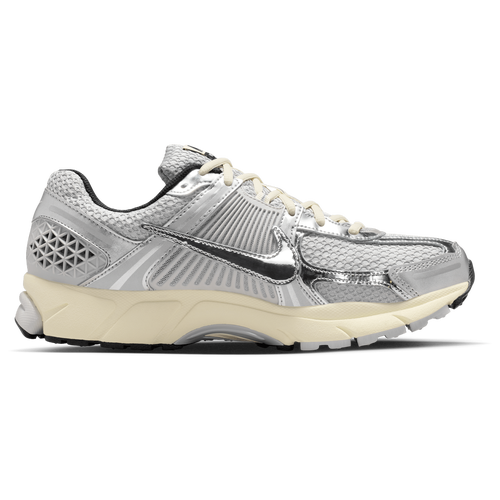
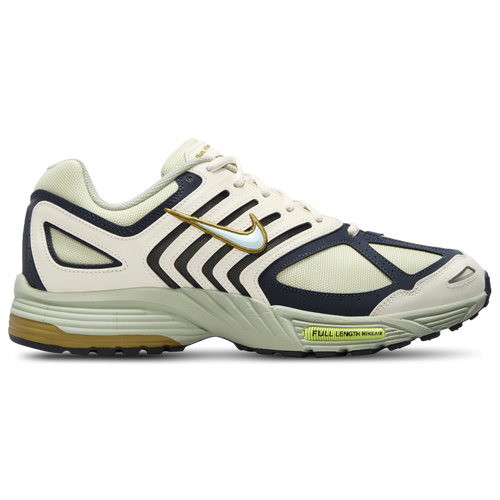
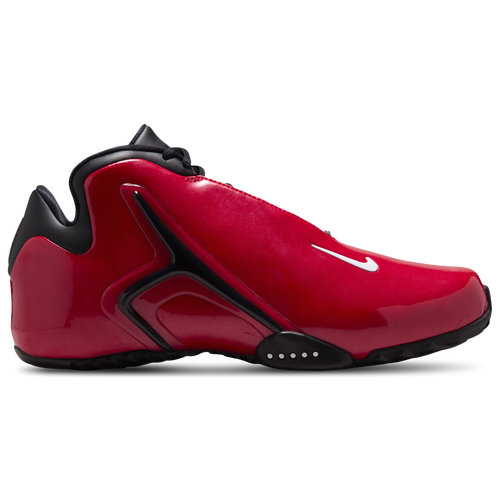
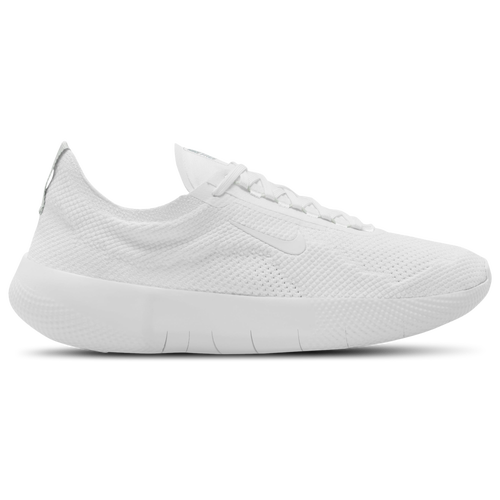
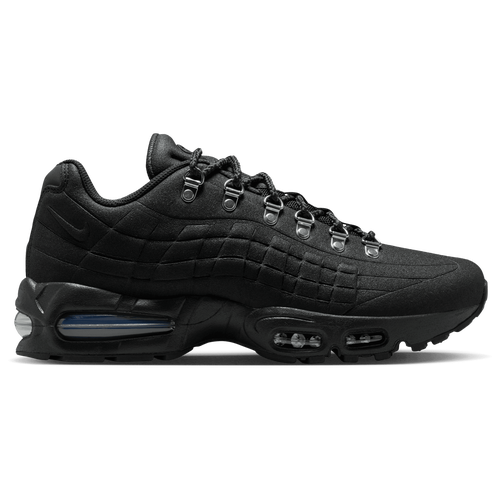
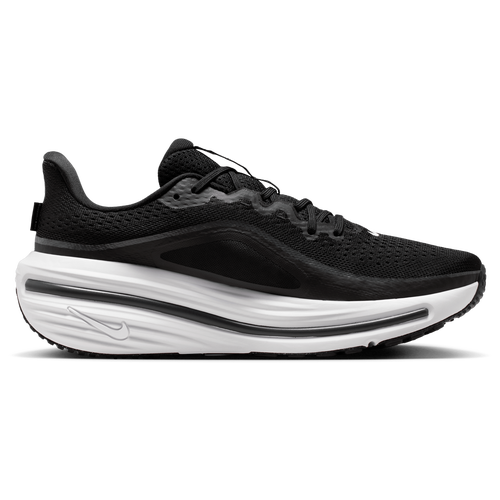
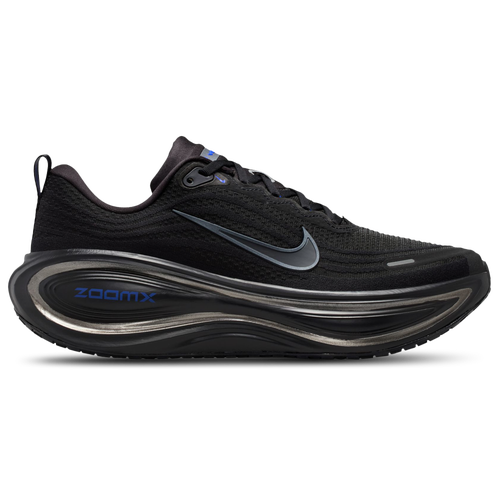
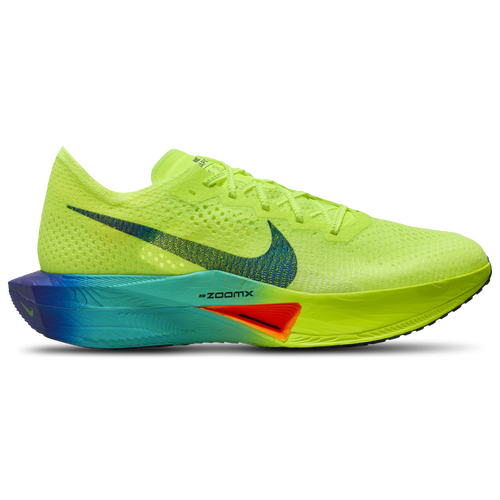
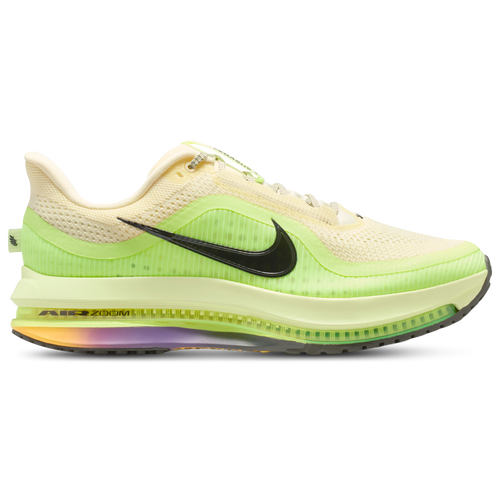
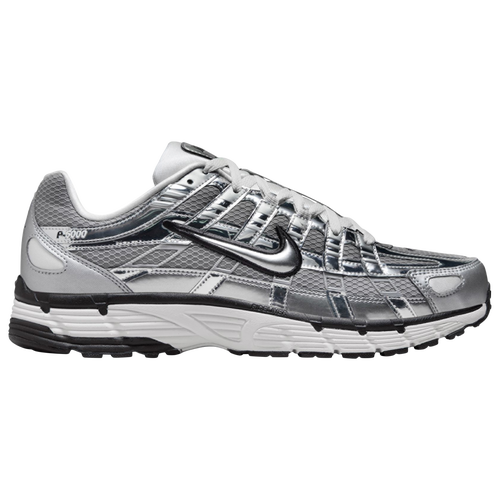
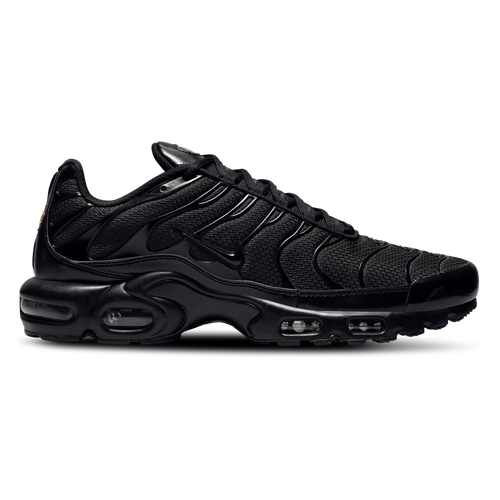
On this page...
- What features should I look for in running shoes for hard surfaces?
- Are running shoes for hard surfaces different from trail running shoes?
- How do I know if my running shoes are suitable for hard surfaces?
- Are there specific types of cushioning that are better for running on hard surfaces?
- How often should I replace my running shoes for hard surfaces?
- Can I use running shoes for hard surfaces on a treadmill?
- What type of fit should I look for in running shoes for hard surfaces?
- Are lightweight running shoes better for hard surfaces?
- How do I choose the right size for running shoes for hard surfaces?
- What materials are commonly used in running shoes for hard surfaces?
Frequently Asked Questions For Running Shoes For Hard Surfaces
When selecting running shoes for hard surfaces, prioritize cushioning, support, and durability. Look for shoes with ample midsole cushioning to absorb impact and provide comfort during runs. Additionally, a sturdy outsole with good traction will help maintain grip on hard surfaces.
Yes, running shoes for hard surfaces are specifically designed for pavement and track, focusing on cushioning and a smooth ride. In contrast, trail running shoes are built with rugged outsoles for traction on uneven terrain and often have added protection against rocks and debris.
To determine if your running shoes are suitable for hard surfaces, check for features like a cushioned midsole, a flexible design, and a smooth outsole. If the shoes feel comfortable and provide adequate support during your runs on pavement, they are likely suitable for hard surfaces.
Yes, running shoes with EVA foam or gel cushioning are often recommended for hard surfaces. These materials provide excellent shock absorption and comfort, helping to reduce the impact on your joints during runs on hard pavement.
It is generally recommended to replace running shoes for hard surfaces every 300 to 500 miles, depending on your running style and the shoe's wear. Regularly inspect the outsole for signs of wear and check the midsole for compression, as these factors can affect performance and comfort.
Yes, running shoes designed for hard surfaces can be used on a treadmill. The cushioning and support they offer will provide a comfortable experience while running indoors. However, if you primarily run on a treadmill, you may also consider shoes specifically designed for that environment.
A proper fit in running shoes for hard surfaces should allow for about a thumb's width of space between your longest toe and the front of the shoe. The shoe should feel snug around the midfoot and heel to prevent slipping, while still providing enough room for your toes to move comfortably.
Lightweight running shoes can be beneficial for hard surfaces as they often allow for quicker movements and less fatigue. However, it's essential to ensure that they still provide adequate cushioning and support to protect your feet and joints during runs.
To choose the right size for running shoes for hard surfaces, measure your feet at the end of the day when they are slightly swollen. Try on shoes with the socks you plan to wear while running, and ensure there is enough space in the toe box while still providing a secure fit around the heel and midfoot.
Running shoes for hard surfaces typically feature lightweight mesh or synthetic uppers for breathability and flexibility. The midsoles are often made from EVA foam or other cushioning materials, while the outsoles are constructed from durable rubber for traction and longevity on hard surfaces.
About Running Shoes for Hard Surfaces
Elevate your running experience with our collection of running shoes designed specifically for hard surfaces. These shoes feature advanced cushioning technology that absorbs impact, providing comfort and support for your feet during every stride. With durable outsoles engineered for traction, you can confidently tackle any pavement or track, ensuring stability and grip.
Our selection also includes lightweight designs that promote agility and breathability, keeping your feet cool during intense workouts. Whether you're training for a marathon or enjoying a casual jog, these running shoes combine performance and style, making them the perfect choice for any runner looking to enhance their performance on hard surfaces.