
Running Shoes for Low-Light Conditions
Showing 8 results
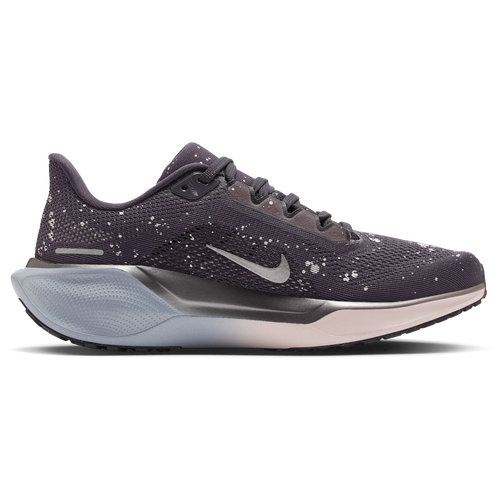
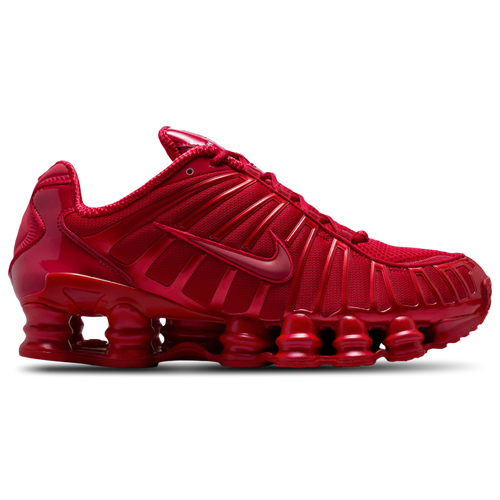
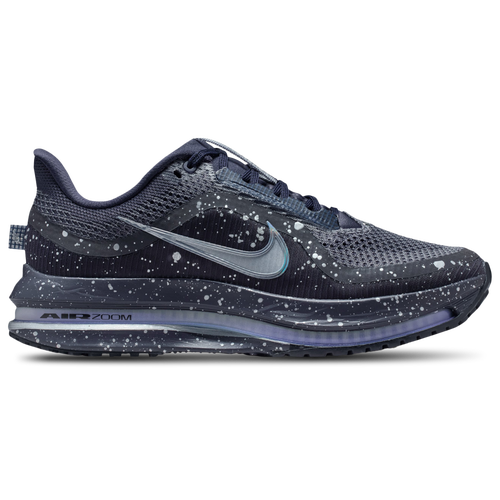
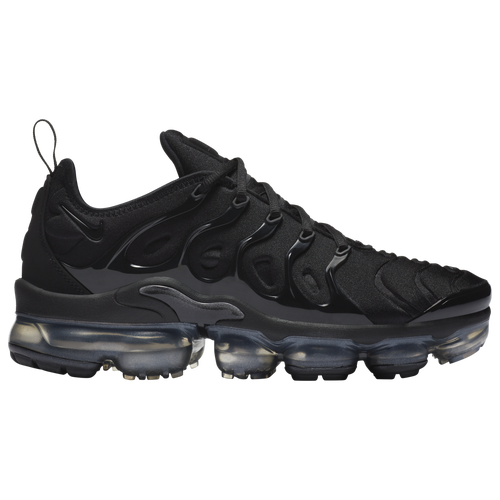
Our Running Shoes for Low-Light Conditions sold out quickly! Explore similar styles now!
Search Results
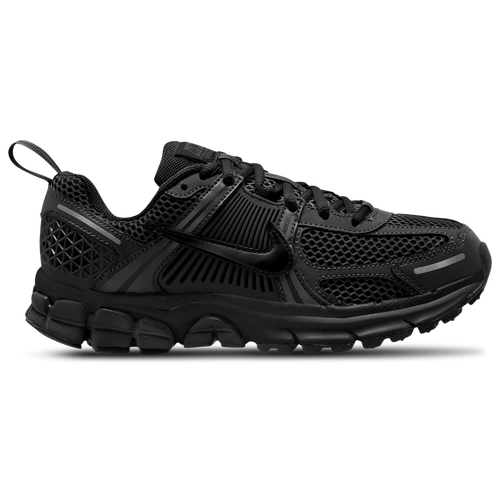
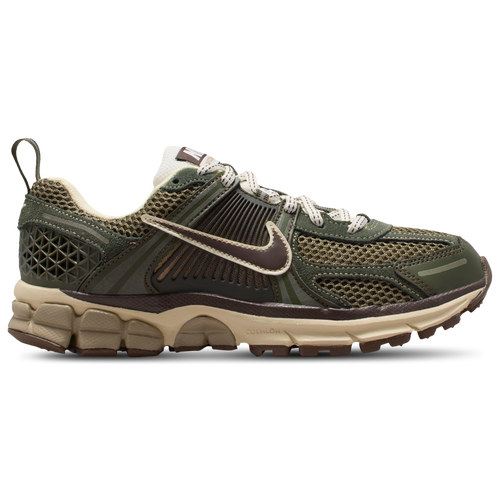
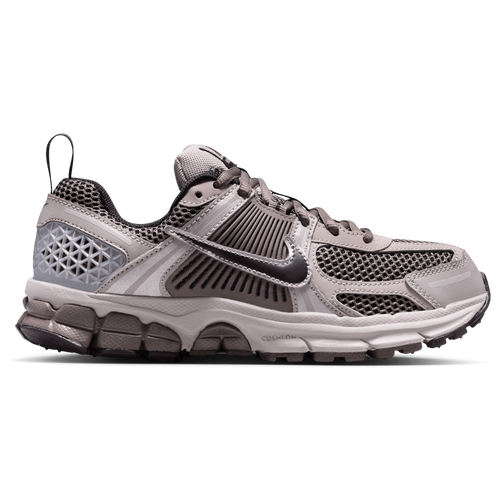
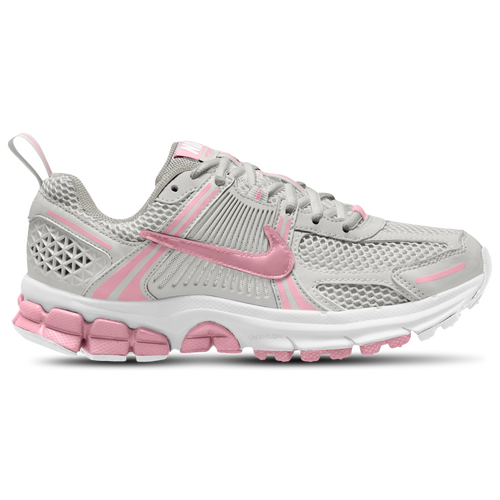
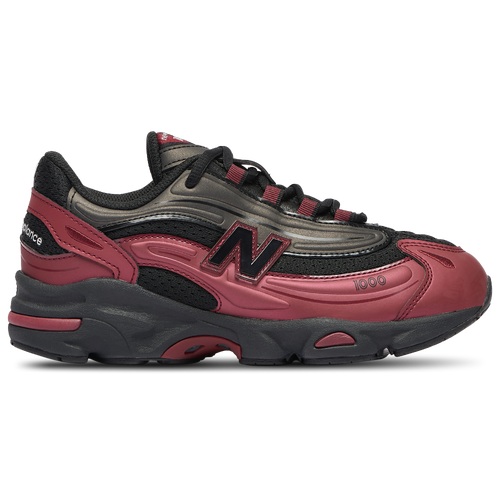
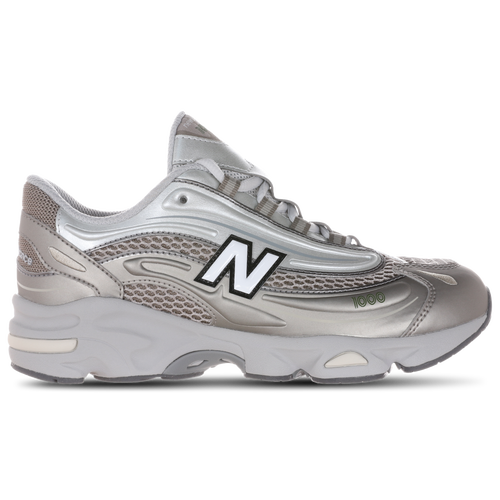
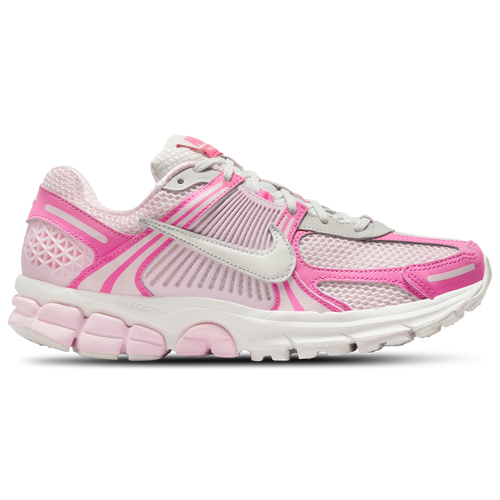
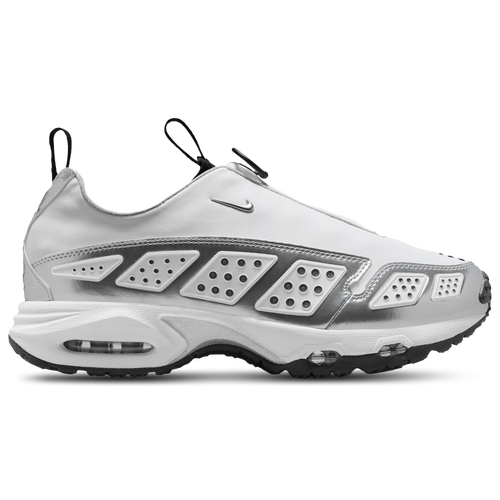
You May Also Like
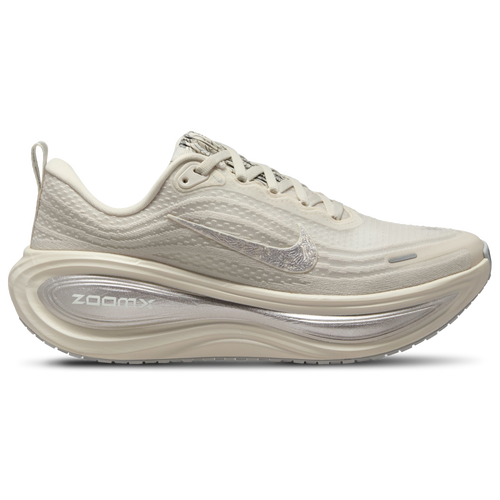
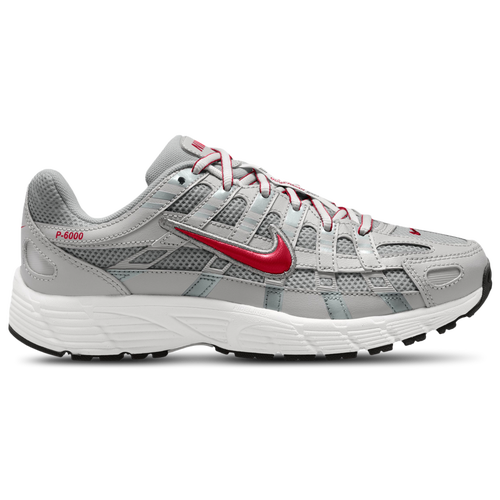
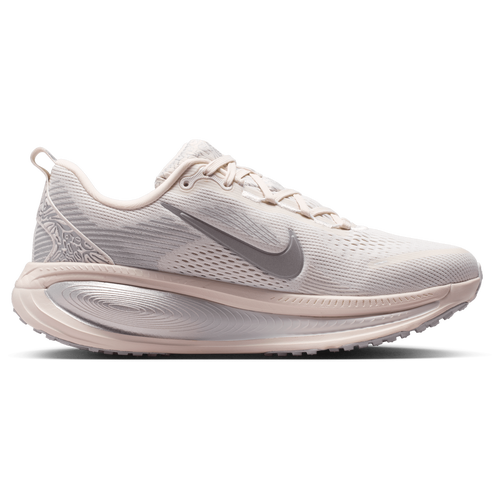
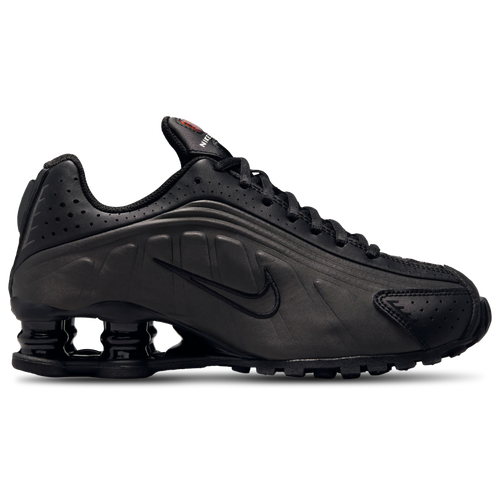
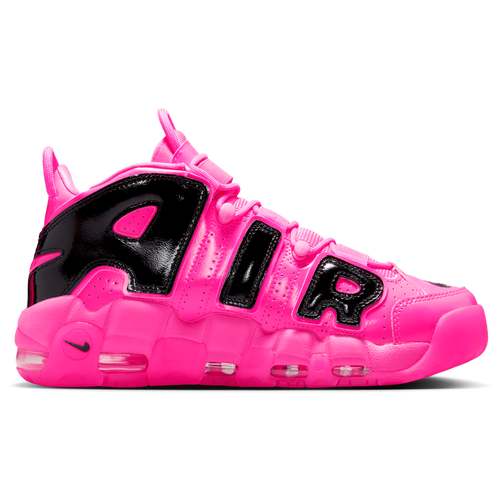
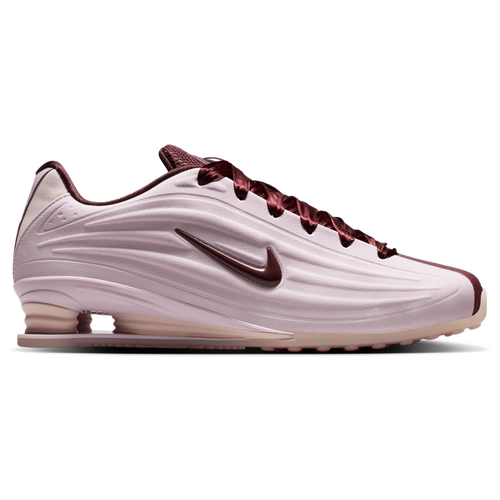
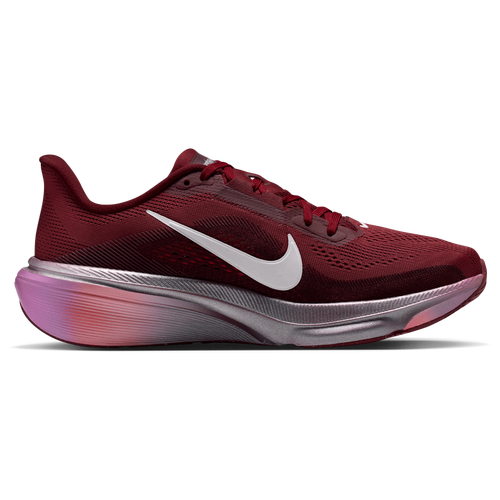
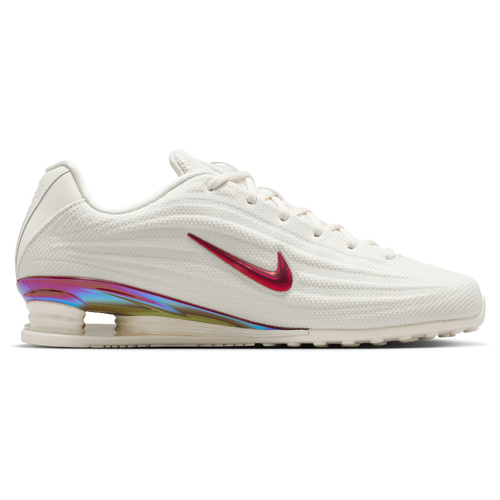
On this page...
- What features should I look for in running shoes for low-light conditions?
- Are running shoes for low-light conditions waterproof?
- How do I ensure a good fit for running shoes intended for low-light running?
- Can I use regular running shoes for low-light conditions?
- What types of soles are best for running shoes in low-light conditions?
- Are there specific colors that are better for low-light running shoes?
- How do I clean running shoes designed for low-light conditions?
- What is the average weight of running shoes for low-light conditions?
- Are there any specific technologies used in running shoes for low-light conditions?
- When should I replace my running shoes for low-light conditions?
- Can I use running shoes for low-light conditions on trails?
- What is the importance of breathability in running shoes for low-light conditions?
Frequently Asked Questions For Running Shoes for Low-Light Conditions
When selecting running shoes for low-light conditions, look for reflective materials that enhance visibility, as well as bright color options that stand out in dim environments. Additionally, consider shoes with good traction to ensure stability on various surfaces, as well as cushioning for comfort during longer runs.
Many running shoes designed for low-light conditions are not waterproof, but some models may feature water-resistant materials to help keep your feet dry in light rain. It's important to check the specifications of each shoe to determine its level of water resistance.
To ensure a proper fit for running shoes, measure your feet at the end of the day when they are slightly swollen. Try on shoes with the socks you plan to wear while running, and ensure there is about a thumb's width of space between your longest toe and the front of the shoe for comfort.
While you can use regular running shoes in low-light conditions, they may lack specific features like reflective elements or enhanced visibility. Choosing shoes specifically designed for low-light running can improve safety and comfort during your runs.
Running shoes with rubber soles that offer good grip and traction are ideal for low-light conditions. Look for outsoles with multi-directional lugs or patterns that provide stability on various terrains, which is essential for safe running in dim lighting.
Bright colors such as neon yellow, orange, or green are excellent choices for low-light running shoes, as they enhance visibility. Additionally, shoes with reflective accents can help catch light from passing vehicles or streetlights, improving safety during nighttime runs.
To clean running shoes, remove the laces and insoles, and brush off any dirt or debris with a soft brush. Use a damp cloth with mild soap to wipe the surfaces, and allow them to air dry away from direct heat sources to maintain their shape and materials.
The average weight of running shoes designed for low-light conditions typically ranges from 8 to 12 ounces per shoe, depending on the materials and design. Lighter shoes may enhance speed, while slightly heavier options may offer more cushioning and support.
Many running shoes for low-light conditions incorporate technologies such as moisture-wicking materials, breathable mesh uppers, and cushioning systems for added comfort. Reflective elements and enhanced traction patterns are also common features designed to improve safety and performance.
It is generally recommended to replace running shoes after 300 to 500 miles of use, depending on your running style and the shoe's construction. Signs that it's time for a replacement include decreased cushioning, visible wear on the outsole, or discomfort during runs.
Yes, many running shoes designed for low-light conditions can be suitable for trail running, especially those with rugged outsoles and good traction. However, ensure that the shoe provides adequate support and stability for uneven terrain to enhance safety during your runs.
Breathability is crucial in running shoes as it helps regulate temperature and moisture, keeping your feet comfortable during runs. Shoes with breathable mesh uppers allow for better airflow, reducing the risk of overheating and blisters, especially during longer runs in varying conditions.
About Running Shoes for Low-Light Conditions
Stay safe and stylish during your evening runs with our collection of running shoes designed specifically for low-light conditions. Featuring reflective elements and bright color options, these shoes enhance visibility while providing the support and comfort you need. Engineered with lightweight materials, they ensure a responsive feel, allowing you to maintain your pace even in dim environments.
Our running shoes also incorporate advanced cushioning technology to absorb impact, promoting a smooth ride on various terrains. With durable outsoles for optimal traction, you can confidently navigate your favorite paths, regardless of the lighting. Elevate your running experience and stay active, no matter the time of day, with footwear that prioritizes safety and performance.