
Structured Running Shoes
Showing 1 - 3 of 3 results
Our Structured Running Shoes sold out quickly! Explore similar styles now!
Search Results
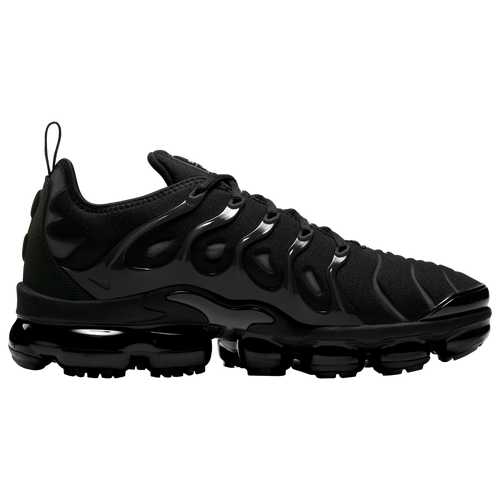
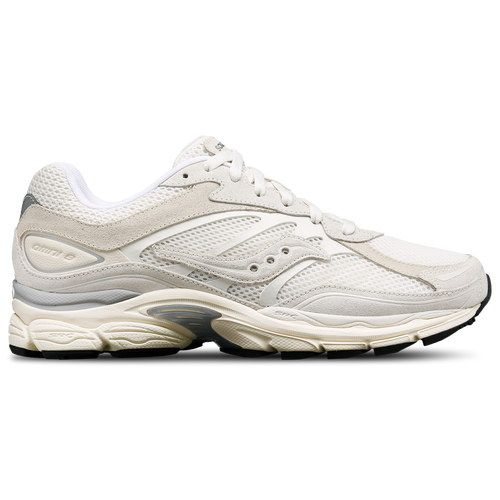
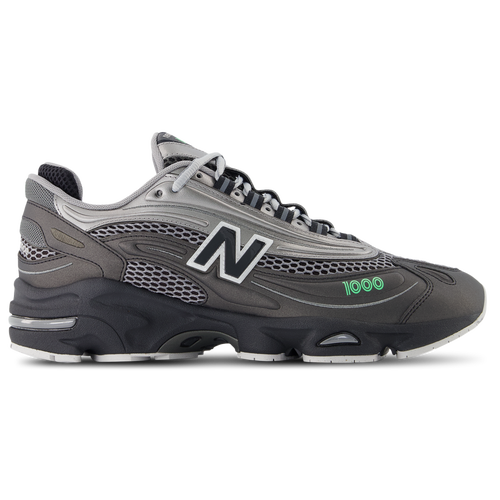
You May Also Like
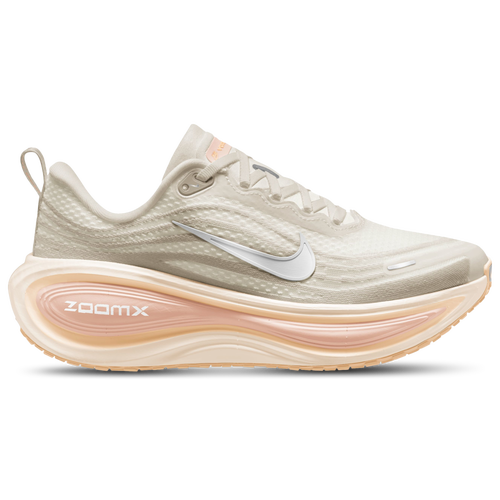
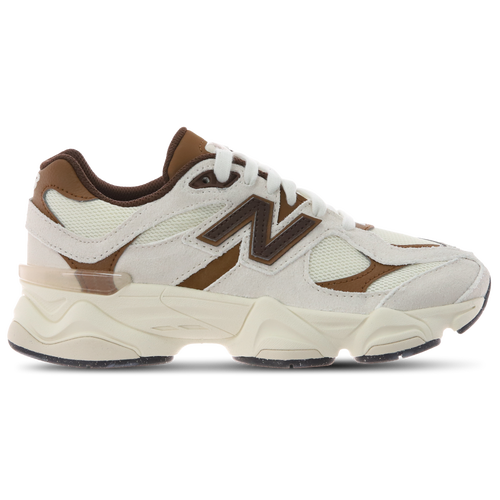
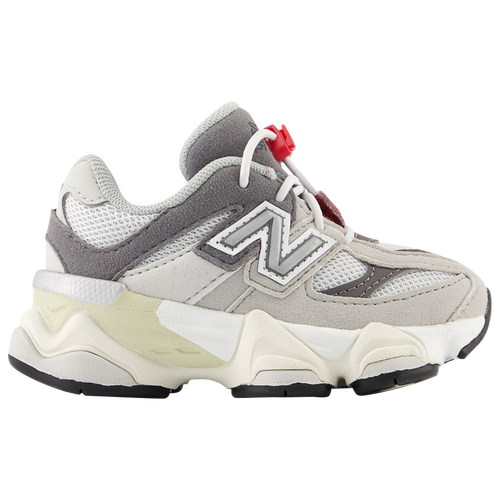
On this page...
- What are structured running shoes?
- How do I know if I need structured running shoes?
- Are structured running shoes suitable for long-distance running?
- What materials are typically used in structured running shoes?
- Do structured running shoes come in different widths?
- How should structured running shoes fit?
- Are structured running shoes heavier than neutral shoes?
- When were structured running shoes first introduced?
- Can structured running shoes be used for walking or other activities?
- How often should I replace my structured running shoes?
- Are structured running shoes good for beginners?
- What is the difference between structured and neutral running shoes?
- Can I use structured running shoes on trails?
- How do I clean my structured running shoes?
Frequently Asked Questions For Structured Running Shoes
Structured running shoes are designed to provide enhanced support and stability for runners, particularly those who overpronate or have flat feet. They typically feature a firmer midsole and additional cushioning to help maintain proper foot alignment during runs.
If you experience excessive inward rolling of your foot during your stride or have flat arches, structured running shoes may be beneficial. It's also helpful to consult with a professional at a specialty running store for a gait analysis to determine your specific needs.
Yes, structured running shoes are often recommended for long-distance running as they provide the necessary support and cushioning to help prevent injuries. Their design helps maintain comfort and stability over extended periods of running.
Structured running shoes are commonly made from breathable mesh uppers, lightweight synthetic materials, and durable rubber outsoles. These materials work together to provide comfort, support, and traction during runs.
Yes, many structured running shoes are available in various widths to accommodate different foot shapes. It's important to choose the right width to ensure a comfortable fit and optimal performance while running.
Structured running shoes should fit snugly but not too tight, allowing for about a thumb's width of space between your longest toe and the front of the shoe. The heel should feel secure without slipping, and the arch should provide adequate support without causing discomfort.
Generally, structured running shoes may be slightly heavier than neutral shoes due to the additional materials used for support and stability. However, advancements in technology have led to lighter options that still provide the necessary structure without compromising on weight.
Structured running shoes began to gain popularity in the 1980s as running became a mainstream sport. Since then, they have evolved significantly, incorporating new technologies and materials to enhance performance and comfort.
Yes, structured running shoes can be suitable for walking and other activities, especially for individuals who require extra support. However, if you primarily walk or engage in different sports, it may be beneficial to consider shoes specifically designed for those activities.
It is generally recommended to replace structured running shoes every 300 to 500 miles, depending on your running style and the surfaces you run on. Regularly checking for signs of wear, such as reduced cushioning or uneven tread, can help determine when it’s time for a new pair.
Yes, structured running shoes can be a great choice for beginners, especially those who may need extra support as they build their running routine. They help promote proper foot alignment and can reduce the risk of injury for new runners.
Structured running shoes provide additional support and stability for those who overpronate, while neutral running shoes are designed for runners with a neutral gait. The choice between the two depends on your foot mechanics and personal comfort during runs.
While structured running shoes can be used on trails, they are primarily designed for road running. For trail running, it is advisable to look for shoes specifically designed for off-road conditions, which offer better traction and protection against rugged terrain.
To clean structured running shoes, remove the laces and insoles, then use a soft brush or cloth to remove dirt and debris. You can use mild soap and water for deeper cleaning, but avoid submerging the shoes in water or using harsh chemicals, as this can damage the materials.
About Structured Running Shoes
Discover the perfect blend of support and comfort with our collection of structured running shoes. Designed for stability, these shoes feature advanced cushioning and responsive midsoles that adapt to your stride, ensuring a smooth run every time. Whether you're training for a marathon or enjoying a casual jog, these shoes provide the necessary support to keep you going.
Our structured running shoes also offer breathable materials and strategic traction, enhancing your performance on various terrains. With a focus on durability and fit, these shoes are ideal for runners seeking reliability and style. Elevate your running experience and achieve your fitness goals with footwear that prioritizes your comfort and performance.