
Mountain Climbing Footwear
Showing 1 - 18 of 18 results
Our Mountain Climbing Footwear sold out quickly! Explore similar styles now!
Search Results
On this page...
- What features should I look for in mountain climbing footwear?
- Are mountain climbing shoes different from hiking boots?
- How do I determine the right size for mountain climbing footwear?
- Can I use mountain climbing footwear for other outdoor activities?
- Are there specific materials used in mountain climbing footwear?
- What is the difference between approach shoes and climbing shoes?
- How do I care for my mountain climbing footwear?
- Are mountain climbing shoes suitable for beginners?
- What type of sole is best for mountain climbing footwear?
- How do I know if my mountain climbing footwear is too tight?
- When should I replace my mountain climbing footwear?
- Can I use mountain climbing footwear in wet conditions?
- What is the purpose of a rubber rand in climbing shoes?
- Are there specific designs for women in mountain climbing footwear?
Frequently Asked Questions For Mountain Climbing Footwear
When selecting mountain climbing footwear, look for features such as a sturdy rubber sole for excellent grip, a snug fit for better control, and waterproof materials to keep your feet dry. Additionally, consider options with ankle support to help prevent injuries during climbs.
Yes, mountain climbing shoes are designed specifically for climbing, featuring a tighter fit and a more flexible sole for better sensitivity on rock surfaces. In contrast, hiking boots typically offer more cushioning and support for long-distance trekking, making them less suitable for technical climbing.
To find the right size for mountain climbing footwear, it’s important to try on shoes with the type of socks you plan to wear while climbing. The shoes should fit snugly without causing discomfort, allowing for minimal movement of the foot inside the shoe.
While mountain climbing footwear is specifically designed for climbing, they can also be suitable for other outdoor activities like bouldering or scrambling. However, for long hikes or casual walking, hiking boots or trail shoes may provide more comfort and support.
Mountain climbing footwear is typically made from durable materials such as synthetic fabrics, leather, or a combination of both. These materials are chosen for their breathability, water resistance, and ability to withstand rugged terrain.
Approach shoes are designed for the hike to the climbing area, offering comfort and traction on varied terrain. Climbing shoes, on the other hand, are specialized for climbing, featuring a tighter fit and a stiffer sole for enhanced performance on rock faces.
To care for mountain climbing footwear, clean them regularly with a damp cloth to remove dirt and debris. Allow them to air dry naturally, and avoid exposing them to direct heat sources, which can damage the materials.
Yes, there are mountain climbing shoes designed specifically for beginners that offer comfort and ease of use. These shoes typically have a more relaxed fit and provide adequate support, making them ideal for those just starting their climbing journey.
The best type of sole for mountain climbing footwear is a rubber sole that provides excellent traction and grip on rocky surfaces. Look for soles with a sticky rubber compound, as they enhance performance on both dry and wet rock.
If your mountain climbing footwear feels painfully tight or causes numbness in your toes, it may be too tight. A properly fitting shoe should feel snug but not painful, allowing for some movement of the toes while still providing support.
It’s time to replace your mountain climbing footwear when you notice significant wear on the soles, loss of grip, or if the upper material shows signs of damage. Regular inspection after each climbing season can help ensure your footwear remains safe and effective.
Many mountain climbing footwear options are designed to be water-resistant or waterproof, making them suitable for wet conditions. However, it's important to check the specific features of the footwear to ensure they meet your needs for wet weather climbing.
The rubber rand in climbing shoes serves to provide additional support and protection to the shoe's upper, enhancing durability and performance. It also helps to improve grip on rock surfaces, allowing for better foot placement during climbs.
Yes, many brands offer mountain climbing footwear specifically designed for women, taking into account the differences in foot shape and size. These designs often feature a narrower fit in the heel and a wider toe box to enhance comfort and performance for female climbers.
About Mountain Climbing Footwear
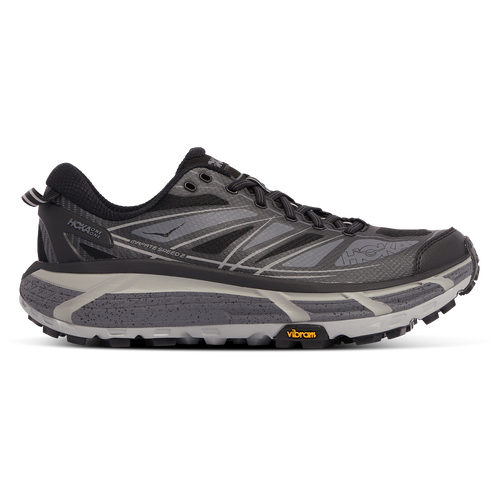
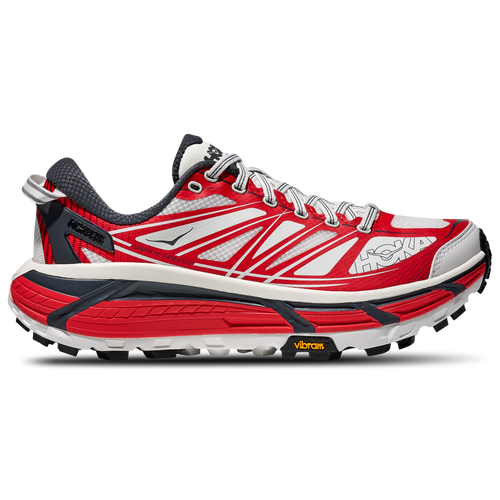
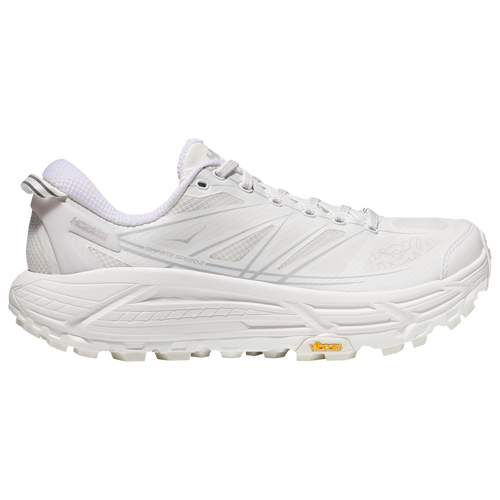
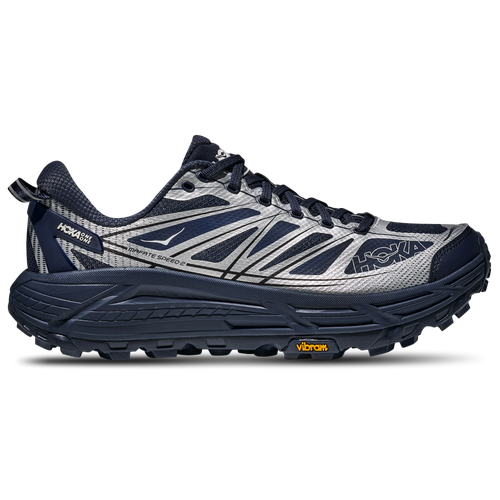
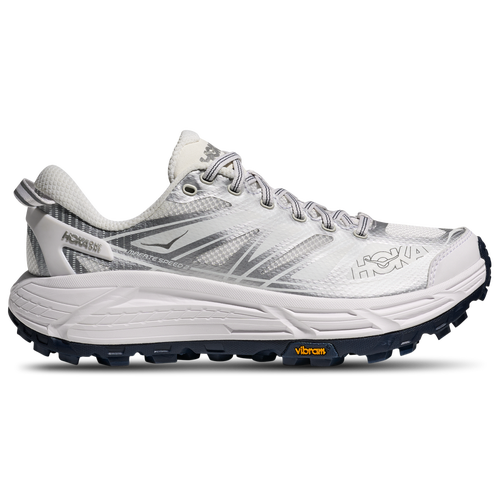
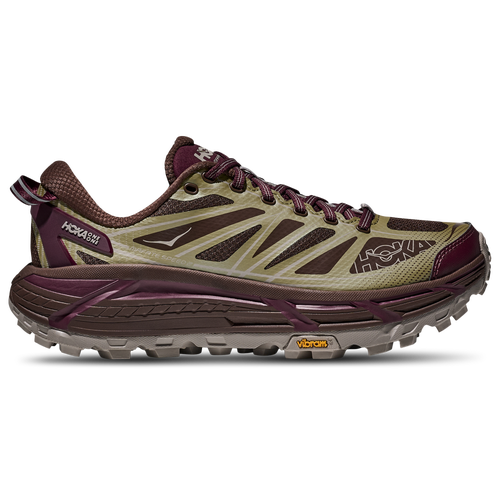
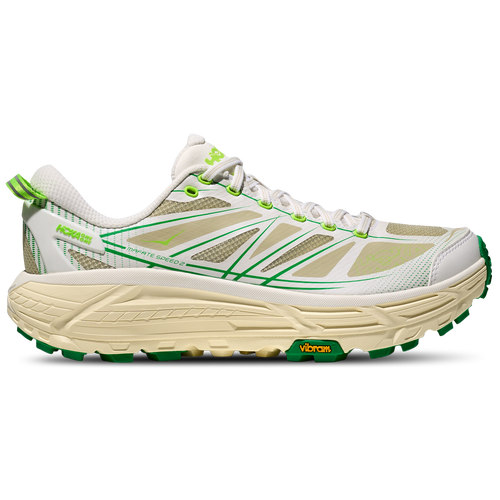
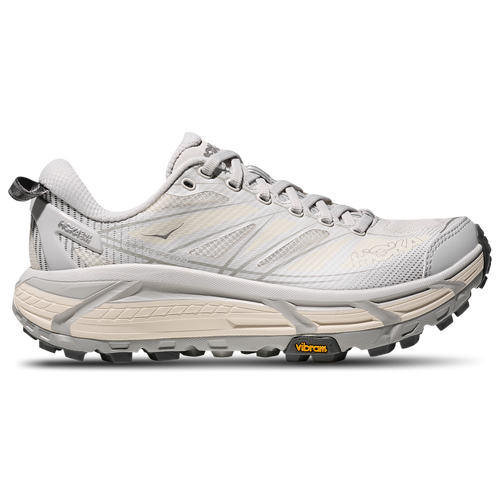
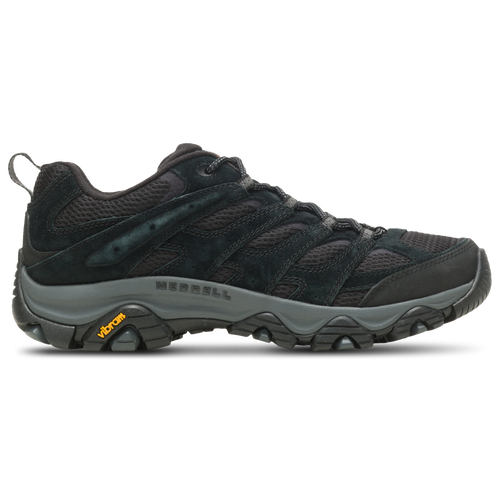
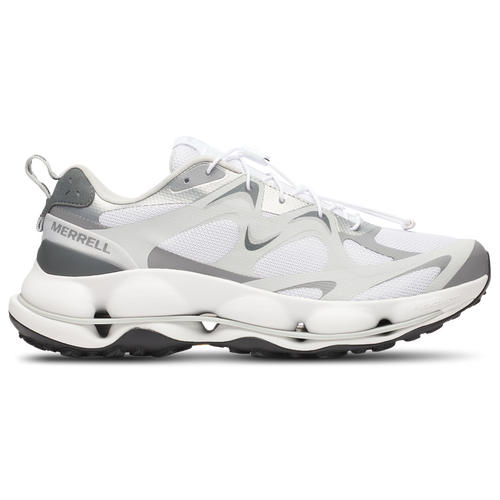
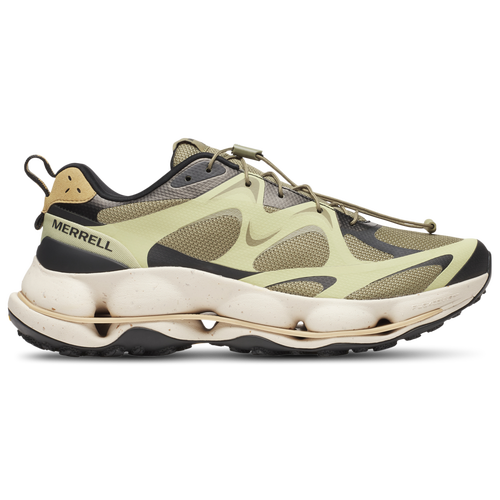
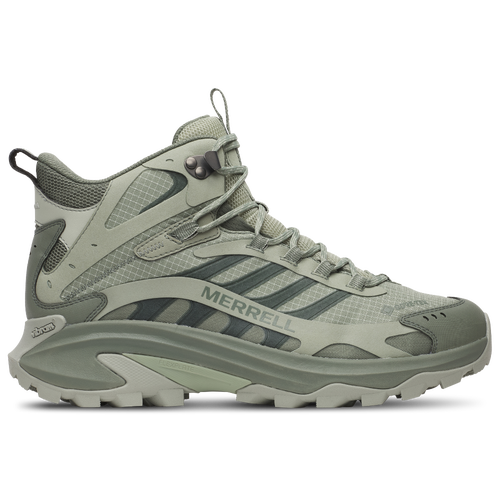
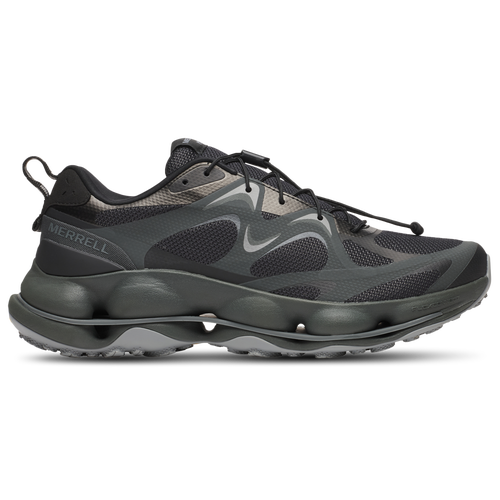
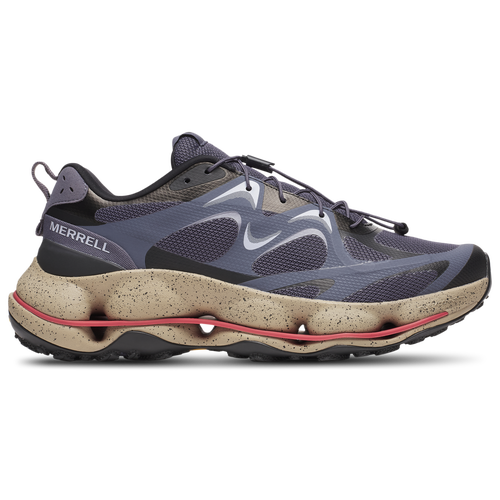
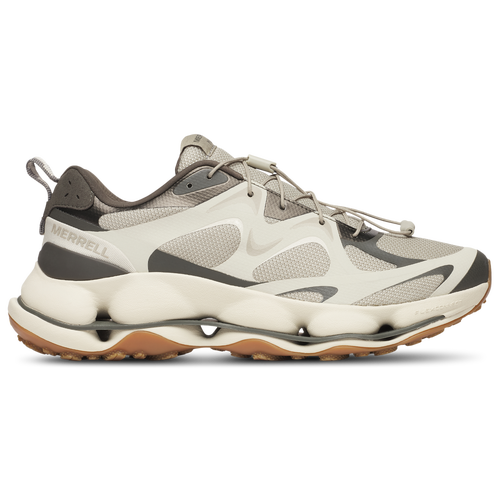
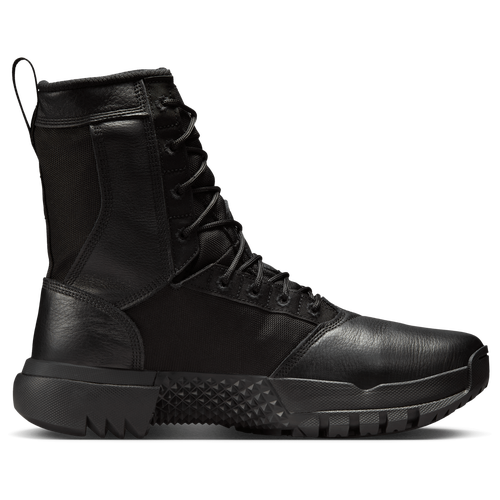
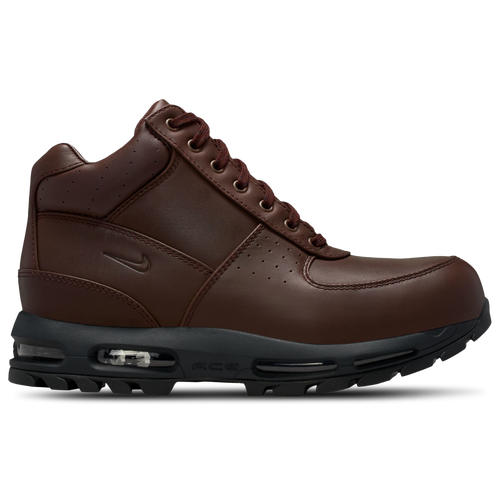
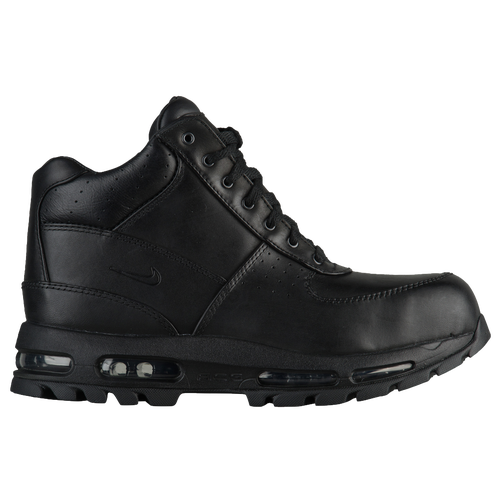
Embark on your next adventure with our premium mountain climbing footwear, designed for durability and performance on rugged terrains. These shoes feature advanced traction systems to ensure stability on slippery surfaces, while their lightweight construction provides comfort for long hikes. With breathable materials, your feet will stay cool and dry, allowing you to focus on conquering the peaks.
Our selection includes options with reinforced toe caps and cushioned insoles, offering protection and support for challenging climbs. Whether you're a seasoned climber or a weekend explorer, our mountain climbing footwear is built to withstand the elements and enhance your outdoor experience. Gear up and tackle any trail with confidence!