
Technical Running Shoes
Showing 1 - 5 of 5 results
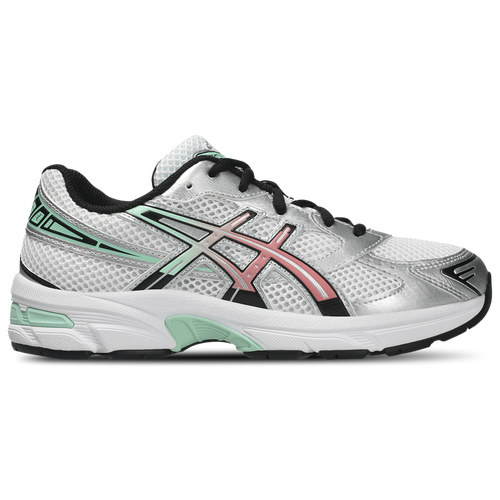
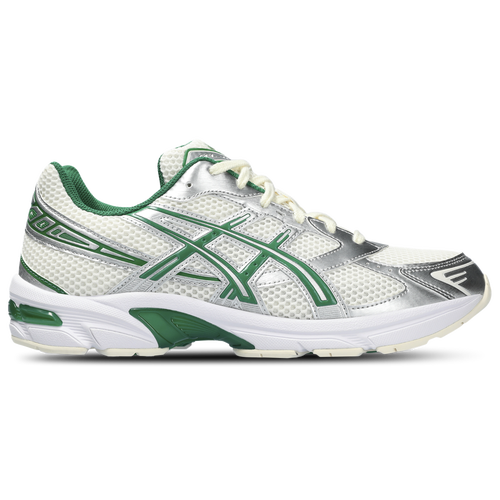
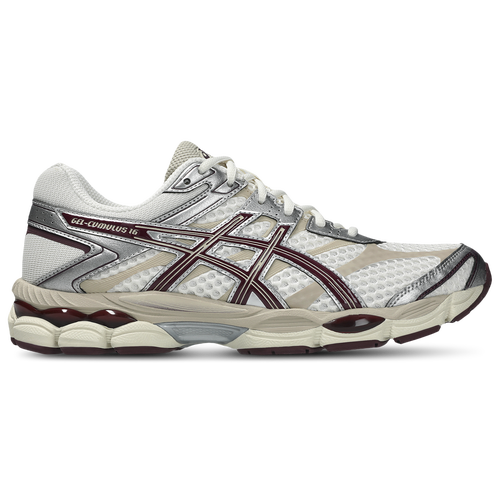
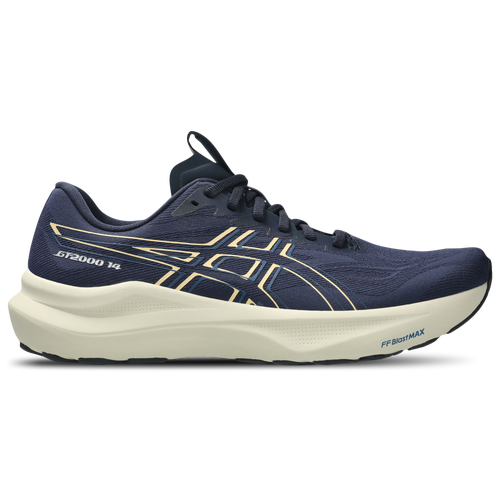
Our Technical Running Shoes sold out quickly! Explore similar styles now!
Search Results
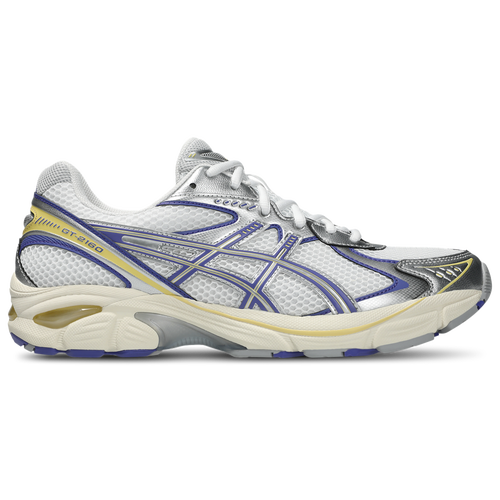
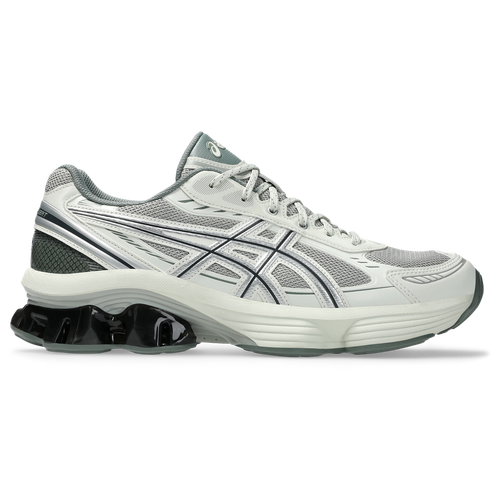
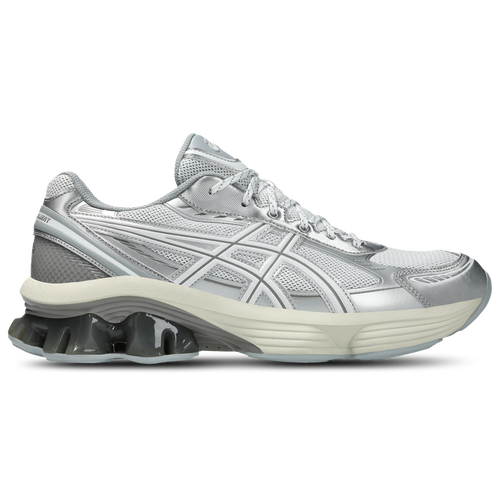
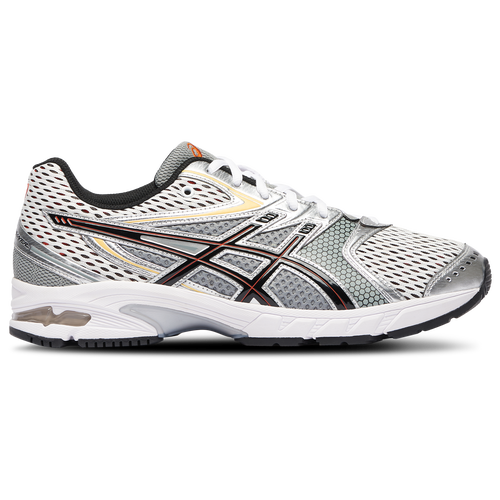
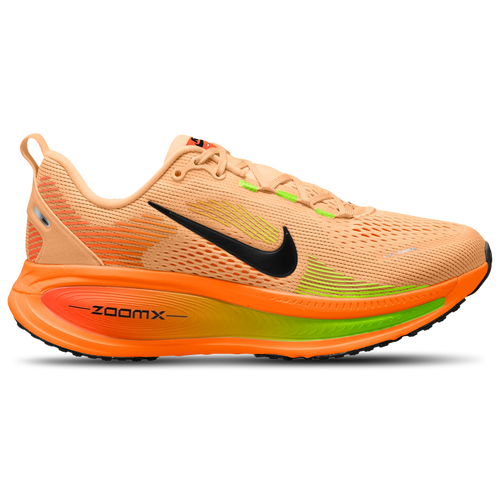
You May Also Like
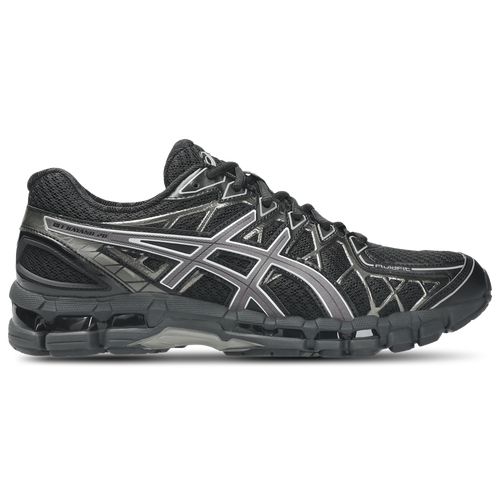
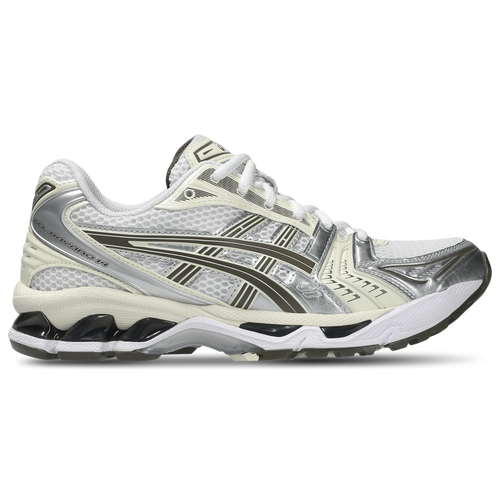
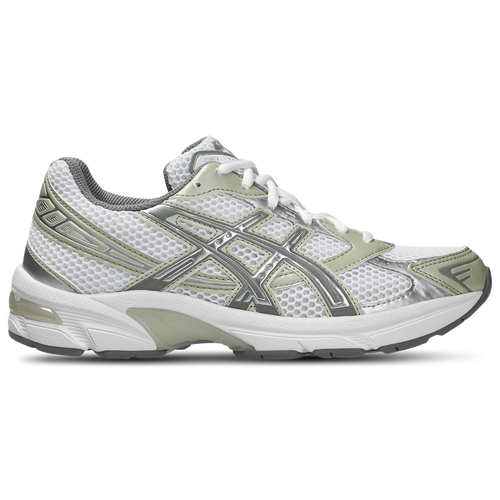
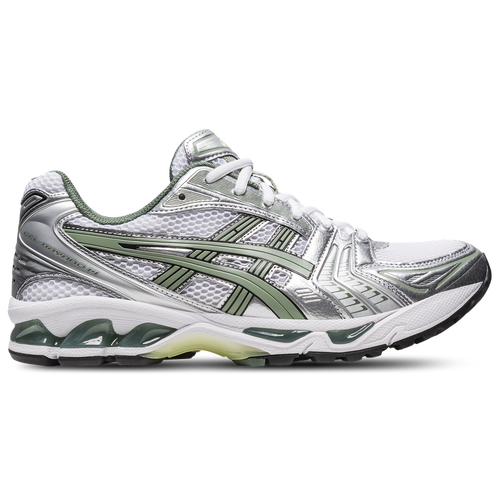
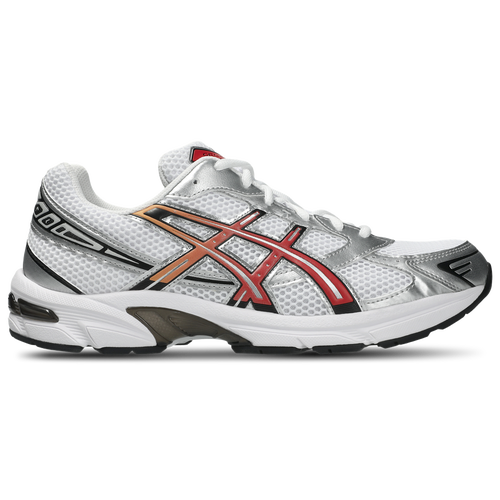
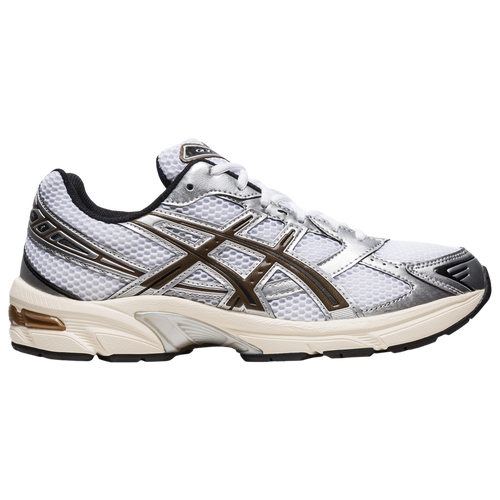
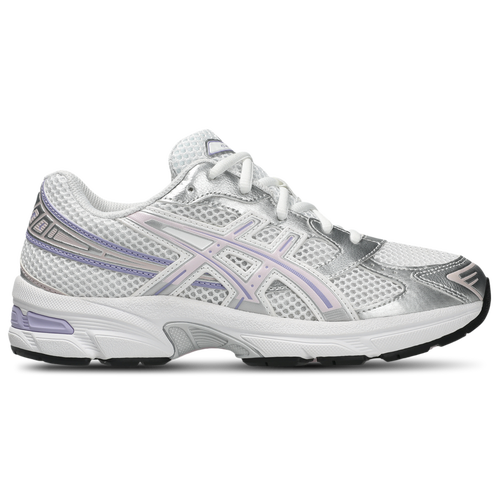
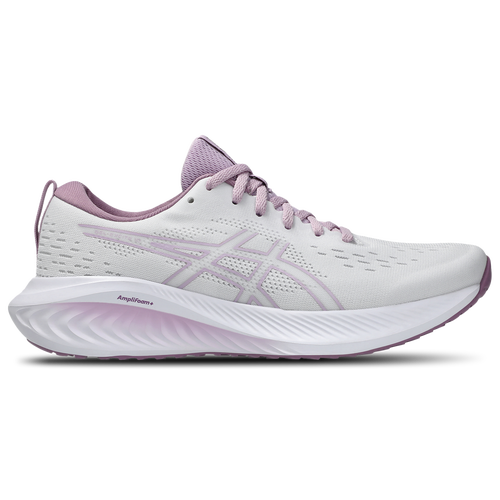
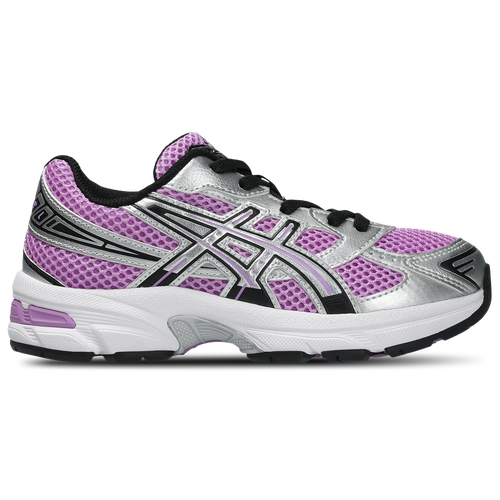
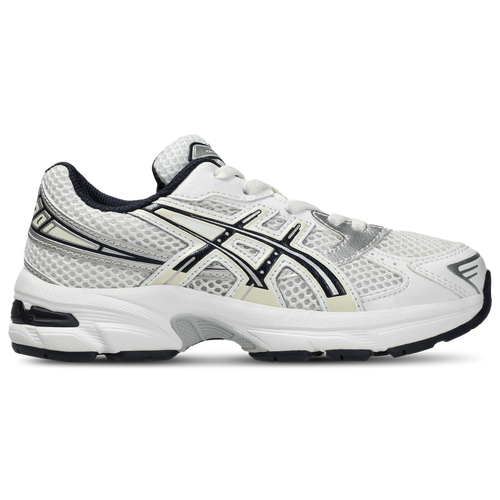
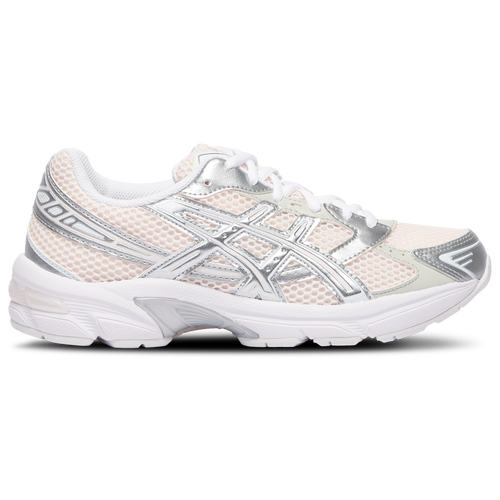

On this page...
- What are technical running shoes?
- How do I choose the right size for technical running shoes?
- Are technical running shoes suitable for all types of runners?
- What features should I look for in technical running shoes?
- Are technical running shoes good for trail running?
- Can I use technical running shoes for everyday wear?
- How often should I replace my technical running shoes?
- Are technical running shoes waterproof?
- What materials are commonly used in technical running shoes?
- Do technical running shoes provide arch support?
- What is the difference between neutral and stability technical running shoes?
- When were technical running shoes first introduced?
- Can technical running shoes help prevent injuries?
Frequently Asked Questions For Technical Running Shoes
Technical running shoes are specially designed footwear that provide enhanced support, cushioning, and stability for runners. They often feature advanced materials and technologies that cater to various running styles and terrains, ensuring optimal performance and comfort during runs.
To choose the right size for technical running shoes, it is recommended to measure your foot length and width to find the appropriate size according to the sizing chart provided. Additionally, trying on shoes in the afternoon when your feet are slightly swollen can help ensure a better fit, as your feet may expand during running.
Yes, technical running shoes are designed to accommodate a wide range of runners, from beginners to experienced athletes. They come in various styles and features, allowing you to select a pair that matches your specific running needs, such as cushioning, support, and terrain type.
When selecting technical running shoes, look for features such as cushioning systems, arch support, breathability, and traction. Additionally, consider the shoe's weight and flexibility, as these factors can significantly impact your running experience and performance.
Yes, many technical running shoes are designed specifically for trail running, offering features like rugged outsoles for better grip, reinforced toe caps for protection, and water-resistant materials. These shoes provide the stability and traction needed for uneven and challenging terrains.
While technical running shoes are primarily designed for running, they can also be comfortable for everyday wear due to their cushioning and support. However, if you plan to wear them for extended periods outside of running, consider the style and versatility to ensure they fit your daily activities.
It is generally recommended to replace technical running shoes every 300 to 500 miles, depending on your running style and the shoe's wear. Signs of wear, such as reduced cushioning, uneven tread, or discomfort while running, can also indicate that it's time for a new pair.
Some technical running shoes are designed with waterproof materials to keep your feet dry in wet conditions. However, not all models offer this feature, so it's essential to check the product specifications if you require waterproof capabilities for your running environment.
Technical running shoes are typically made from a combination of synthetic mesh, rubber, and foam materials. These materials provide breathability, durability, and cushioning, ensuring that the shoes can withstand the rigors of running while keeping your feet comfortable.
Many technical running shoes offer varying levels of arch support to cater to different foot types and running styles. It is important to choose a shoe that matches your arch type, whether you have flat feet, high arches, or a neutral arch, to enhance comfort and prevent injuries.
Neutral technical running shoes are designed for runners with a neutral gait who do not require additional support, while stability shoes provide extra support for runners who overpronate. The choice between the two depends on your running style and foot mechanics, which can impact your comfort and performance.
Technical running shoes began to emerge in the late 1970s and early 1980s as advancements in materials and design allowed for better performance and comfort. Since then, they have evolved significantly, incorporating innovative technologies to meet the needs of various runners.
Yes, technical running shoes can help reduce the risk of injuries by providing proper support, cushioning, and stability tailored to your running style. Selecting the right pair based on your foot type and running mechanics can contribute to a safer and more enjoyable running experience.
About Technical Running Shoes
Elevate your running experience with our collection of technical running shoes, designed for performance and comfort. These shoes feature advanced cushioning systems, breathable materials, and lightweight designs that provide optimal support for every stride. Whether you're training for a marathon or enjoying a casual jog, our selection ensures you stay comfortable and focused on your goals.
Engineered for durability and stability, these shoes offer excellent traction on various surfaces, making them perfect for both road and trail running. With a variety of styles and fits available, you can find the perfect pair that meets your unique running needs. Step into your next run with confidence and style in our top-quality technical running shoes.