
Athletic Cleats
Showing 1 - 48 of 62 results
Our Athletic Cleats sold out quickly! Explore similar styles now!
Search Results
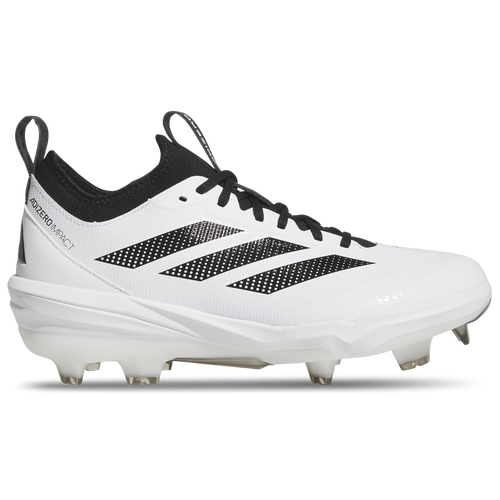
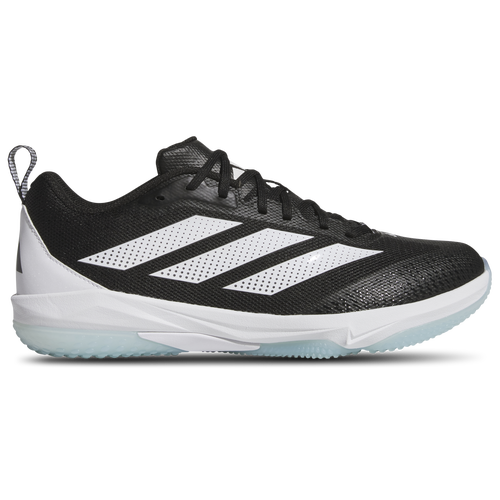
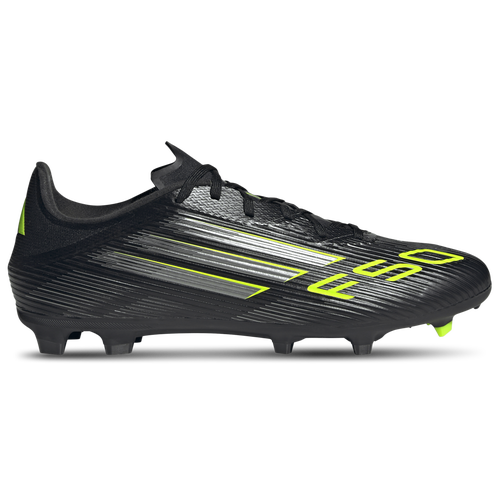
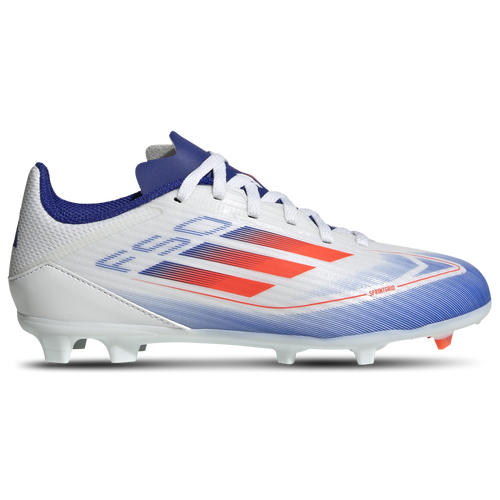
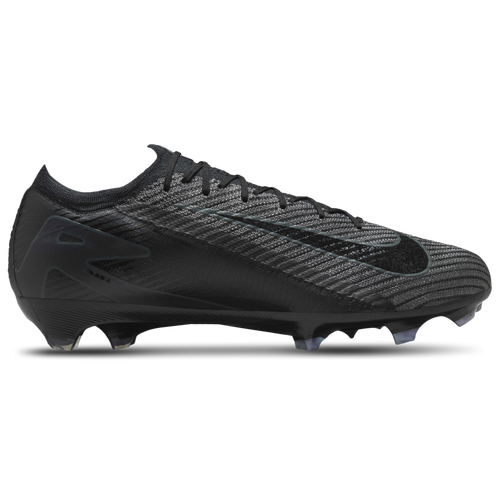
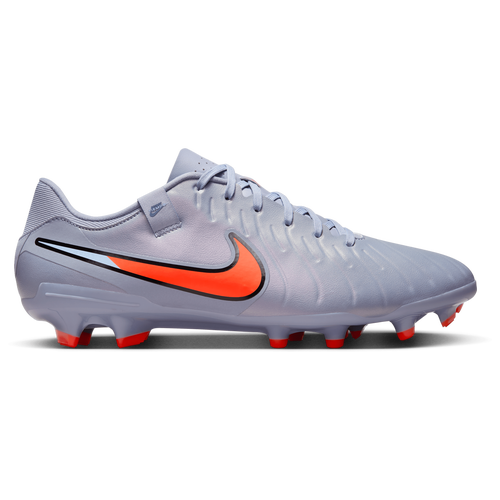
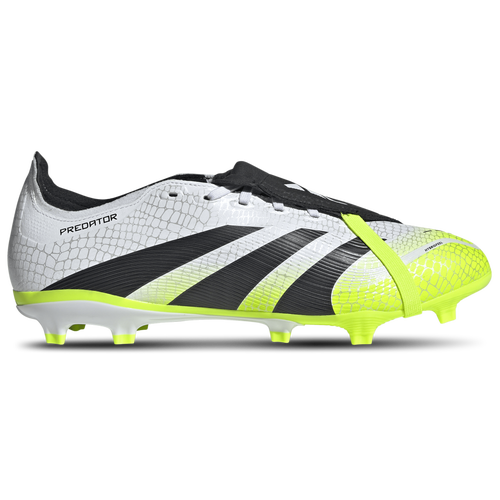
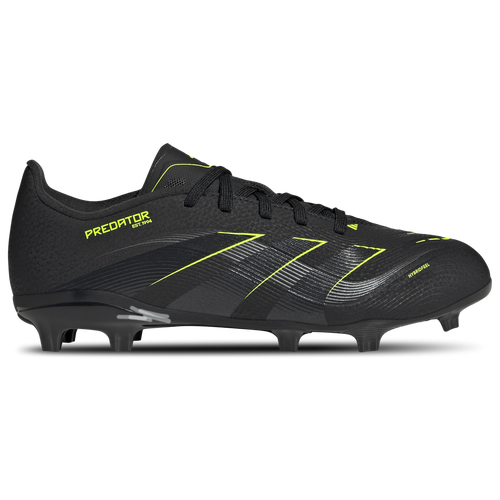



On this page...
- What are athletic cleats used for?
- How do I choose the right size for athletic cleats?
- Are athletic cleats suitable for all types of fields?
- What materials are athletic cleats typically made from?
- How do I clean my athletic cleats?
- Can I use athletic cleats for casual wear?
- Are there different types of athletic cleats for different sports?
- How do I break in new athletic cleats?
- Are athletic cleats waterproof?
- What is the difference between molded and detachable cleats?
- When were athletic cleats first introduced?
- How do I know if my athletic cleats are worn out?
- Can I use athletic cleats on turf surfaces?
Frequently Asked Questions For Athletic Cleats
Athletic cleats are designed to provide traction and stability on various playing surfaces, making them ideal for sports like soccer, football, and baseball. The specialized outsole features protruding studs or spikes that grip the ground, enhancing performance during quick movements and directional changes.
To find the right size for athletic cleats, it's essential to measure your foot length and width accurately. Many brands offer size charts that can guide you in selecting the appropriate size based on your measurements. It's also recommended to try on cleats with the socks you plan to wear during play for the best fit.
Athletic cleats are designed for specific field types, such as firm ground, soft ground, or artificial turf. Each type of cleat features a different stud configuration to optimize performance on its intended surface. It's important to select the right cleat based on the playing surface to ensure safety and effectiveness.
Athletic cleats are commonly made from a combination of synthetic materials, leather, and mesh. These materials provide durability, breathability, and support, enhancing overall comfort and performance during play. The choice of material can also affect the cleat's weight and flexibility.
To clean athletic cleats, start by removing any dirt or mud with a soft brush or cloth. For deeper cleaning, use mild soap and water, avoiding harsh chemicals that could damage the materials. Allow the cleats to air dry away from direct sunlight to maintain their shape and integrity.
While athletic cleats are primarily designed for sports, many styles feature trendy designs that can be worn casually. However, keep in mind that the specialized outsole may not provide the same comfort or support as regular sneakers for everyday use.
Yes, there are various types of athletic cleats tailored for specific sports, each designed to meet the unique demands of that sport. For example, soccer cleats have a different stud configuration compared to football cleats, which are designed for more lateral movement and stability.
Breaking in new athletic cleats involves gradually wearing them during practice or light activities to allow the materials to soften and conform to your feet. Start with shorter sessions and gradually increase the duration to avoid discomfort or blisters during competitive play.
Many athletic cleats are designed with water-resistant materials or treatments to help keep feet dry in wet conditions. However, not all cleats are fully waterproof, so it's important to check the product specifications if you need cleats for wet weather or muddy fields.
Molded cleats have fixed studs that are part of the outsole, providing a lightweight option suitable for various surfaces. Detachable cleats, on the other hand, allow you to replace worn-out studs or customize the length and type of studs based on field conditions, offering greater versatility.
Athletic cleats have a long history, with their origins dating back to the mid-19th century when they were first used in sports like soccer and rugby. Over the years, advancements in technology and materials have led to the development of specialized cleats for various sports, enhancing performance and safety.
Signs that athletic cleats may be worn out include visible wear on the outsole, reduced traction, or discomfort while wearing them. If you notice any of these signs, it may be time to consider replacing your cleats to maintain optimal performance and safety on the field.
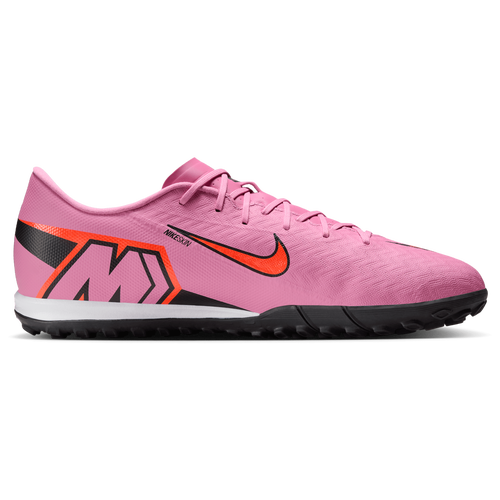
Yes, there are specific athletic cleats designed for use on turf surfaces, featuring shorter, more numerous studs that provide traction without damaging the turf. It's important to choose cleats specifically labeled for turf to ensure proper performance and longevity of both the cleats and the playing surface.
About Athletic Cleats
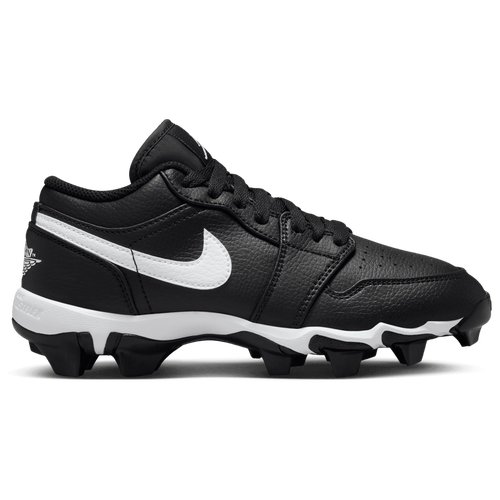
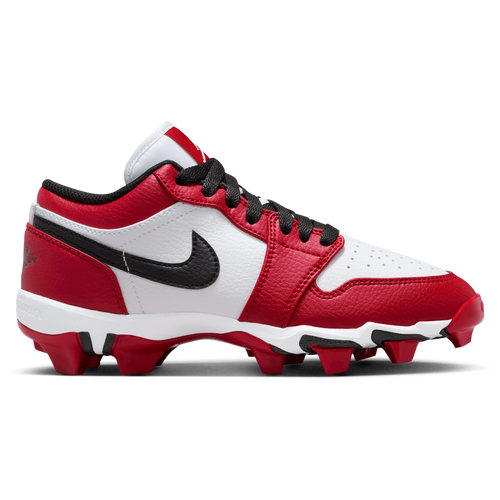
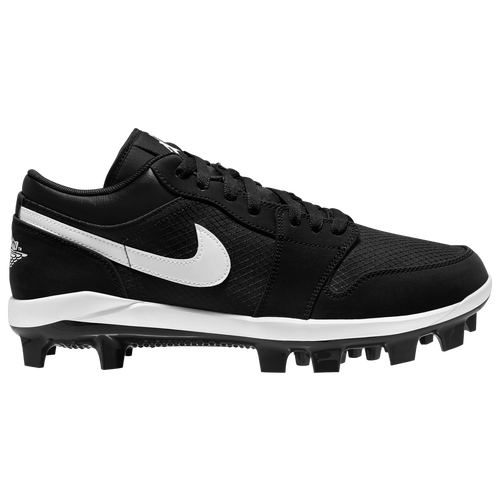
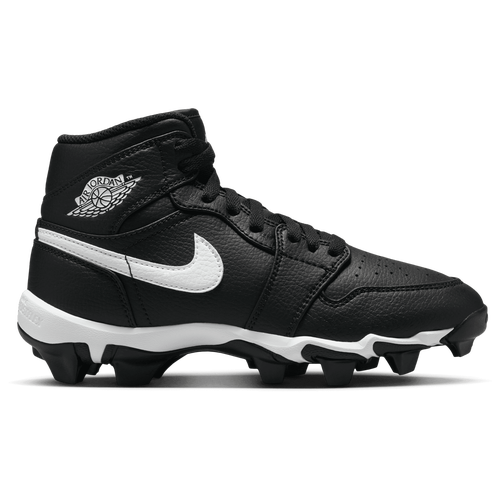
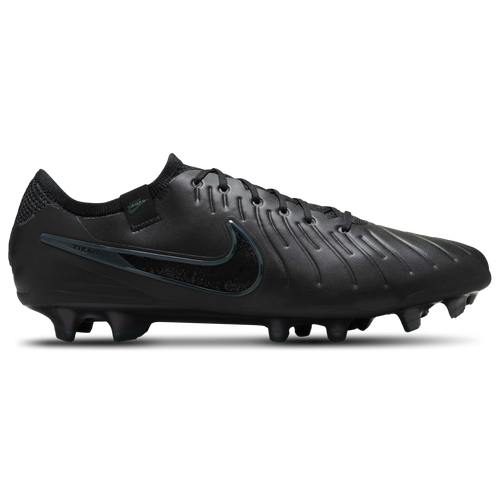
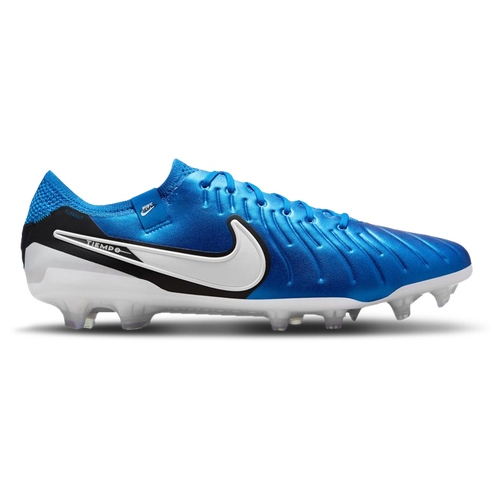
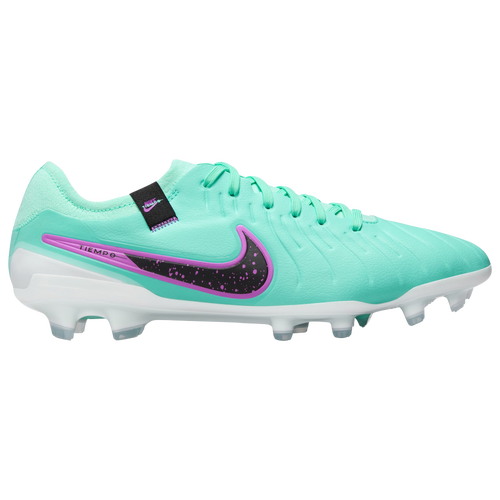
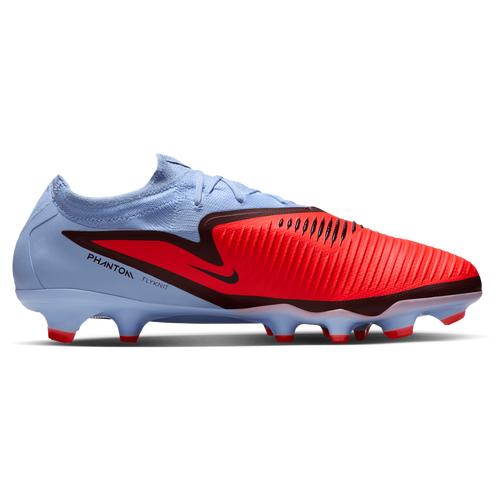
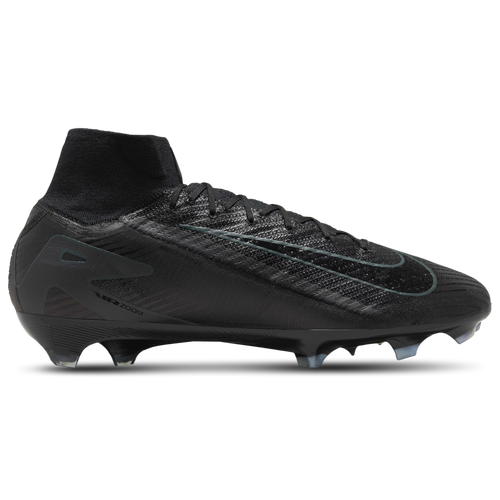
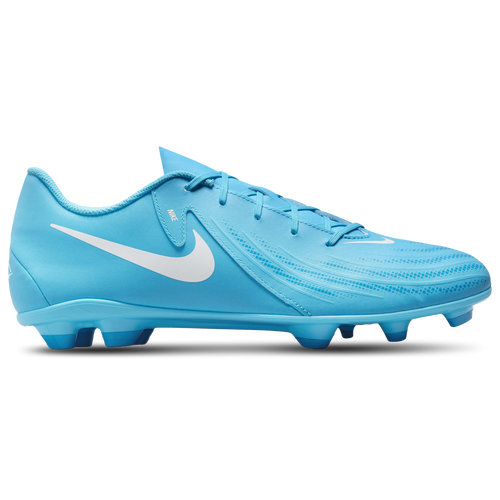
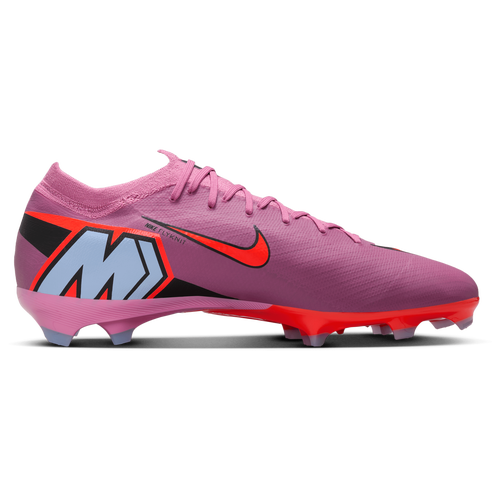
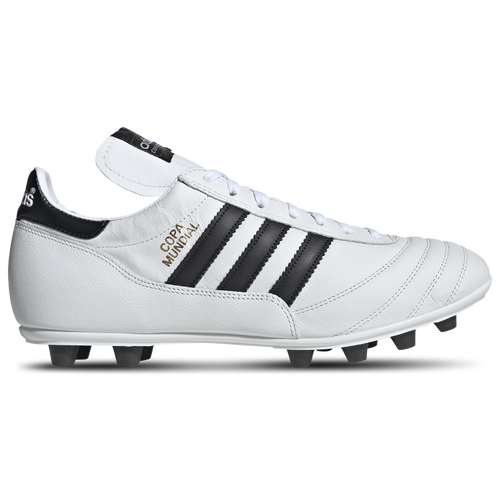
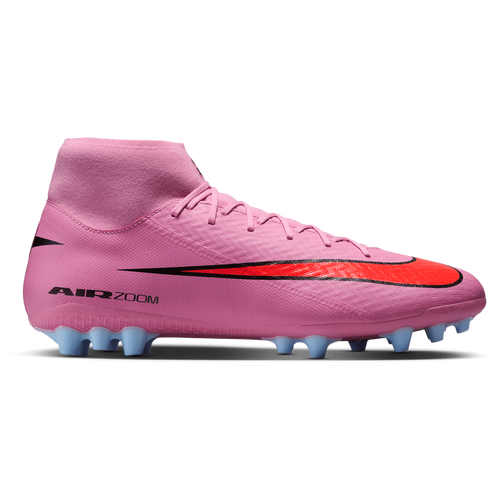
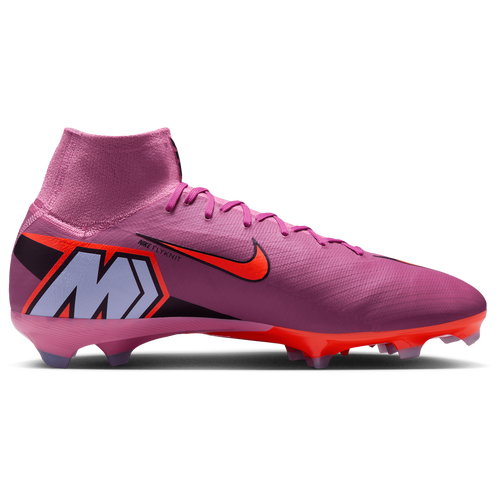
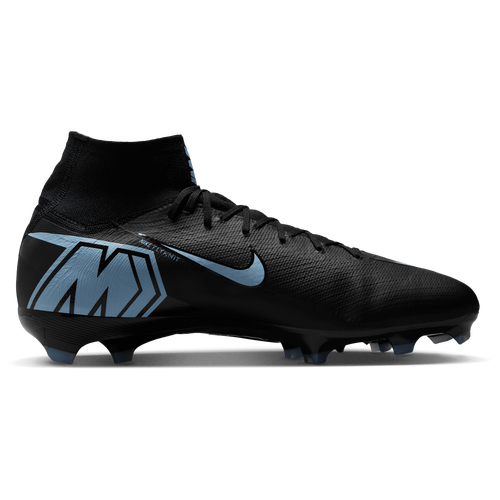
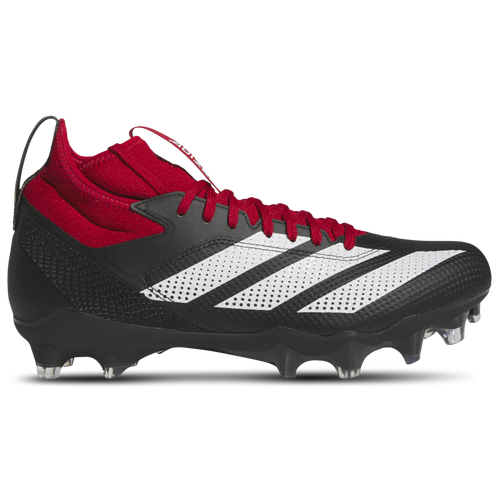
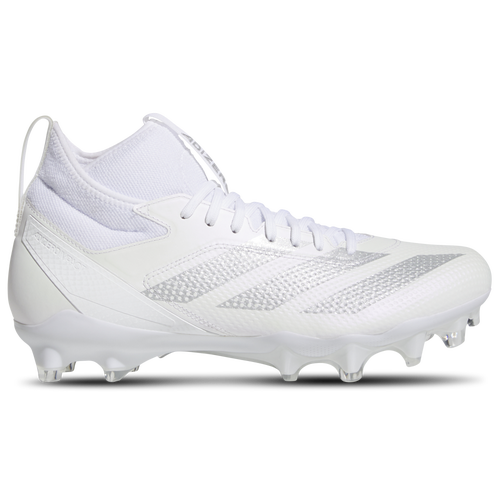
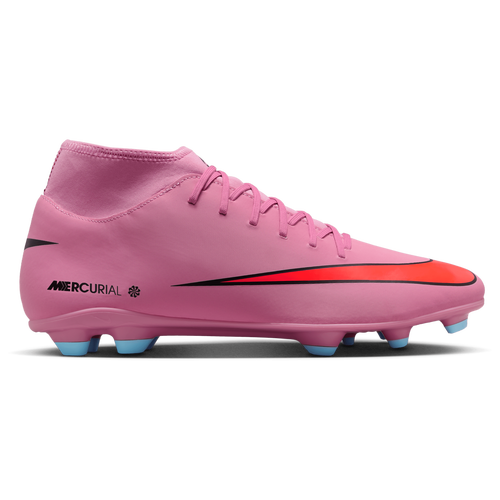
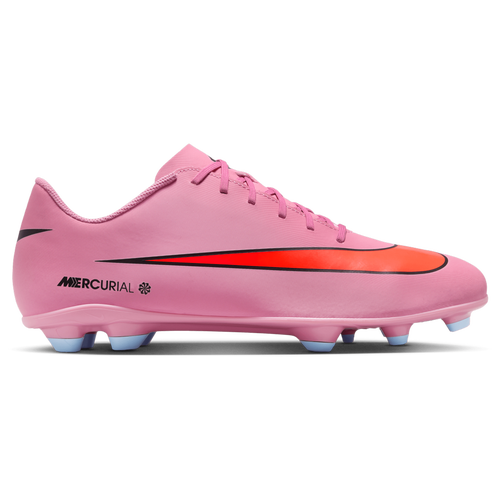
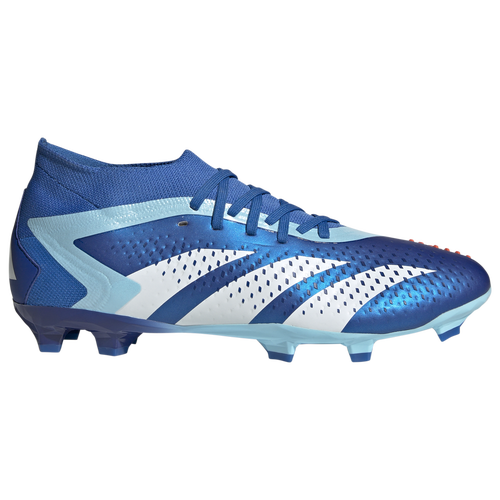
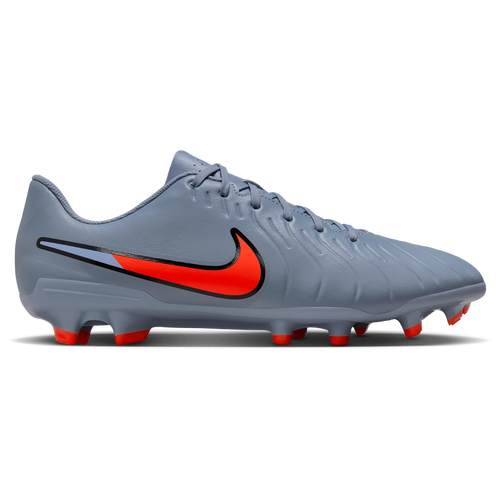
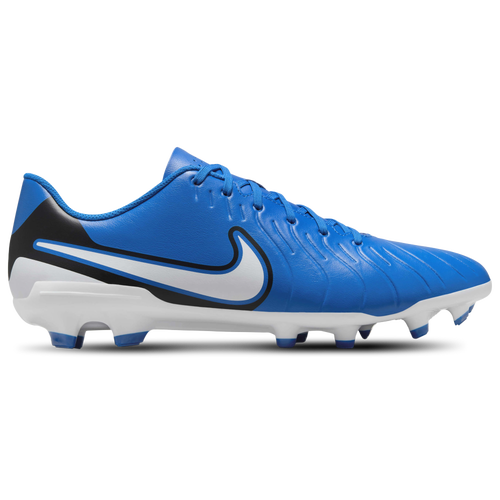
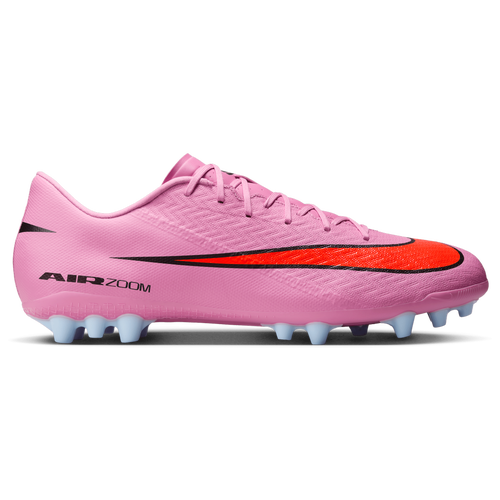
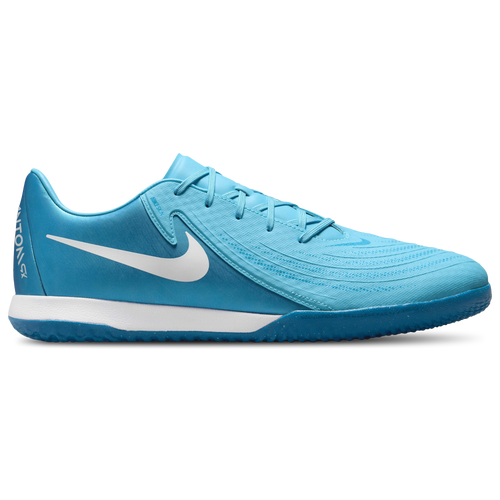
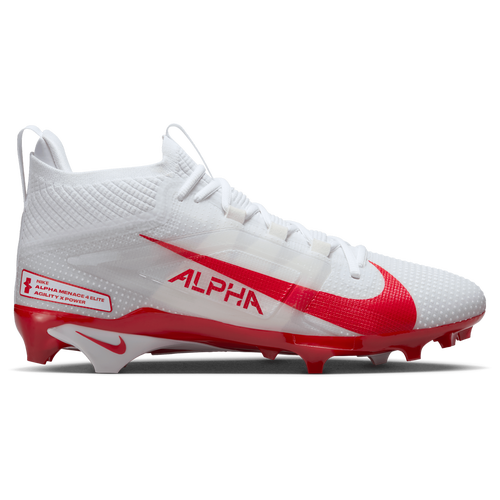
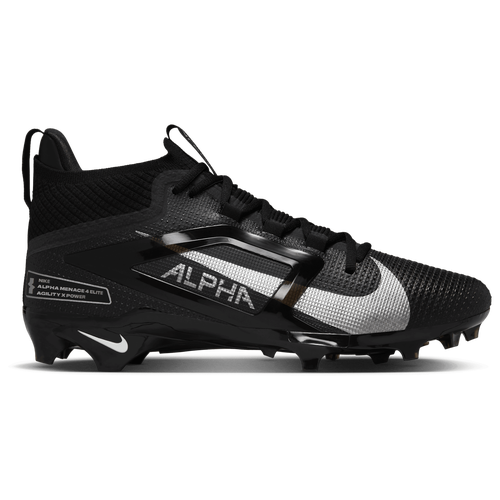
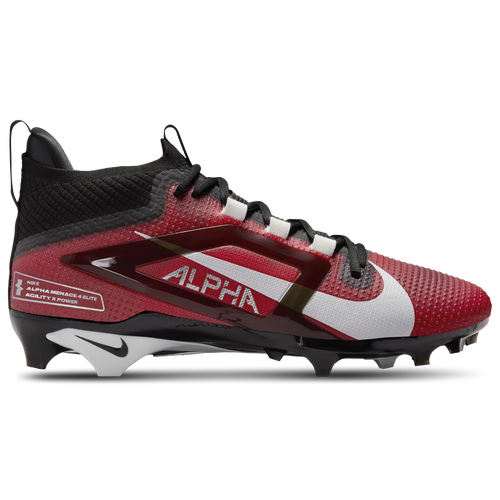
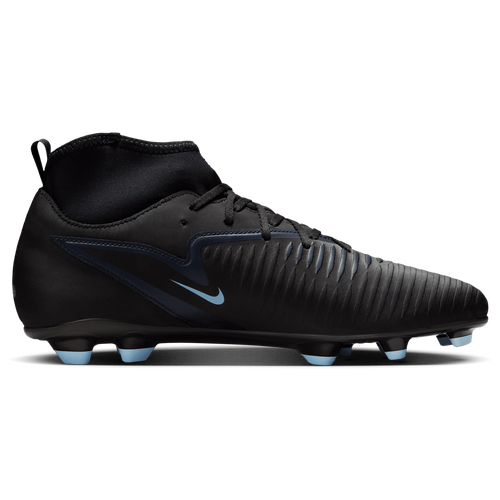
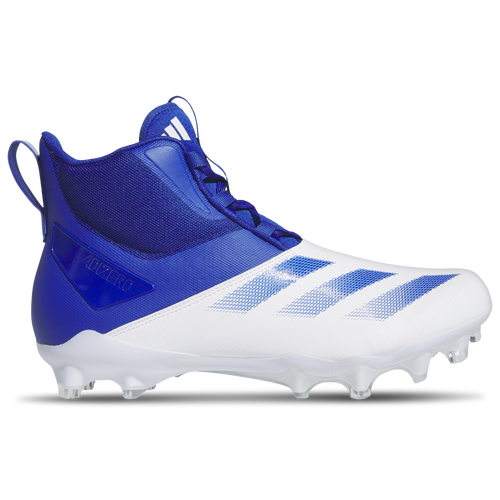
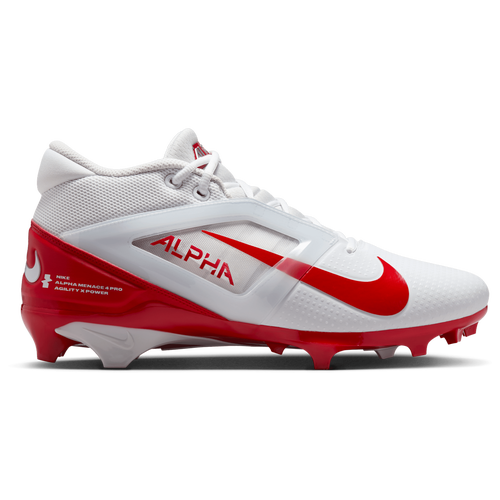
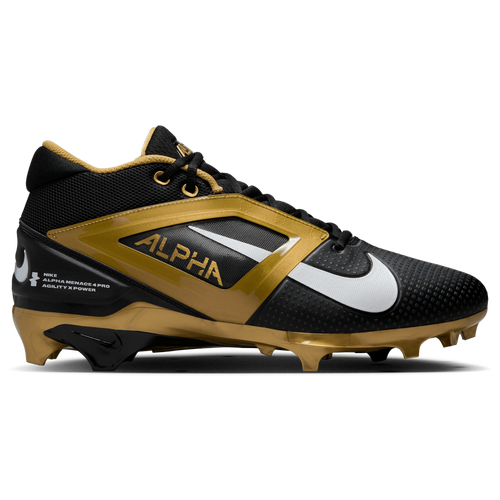
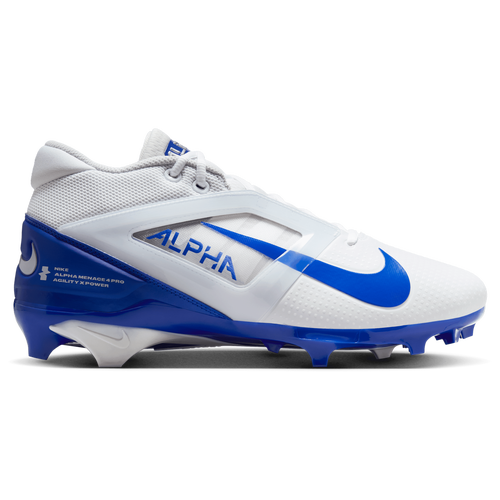
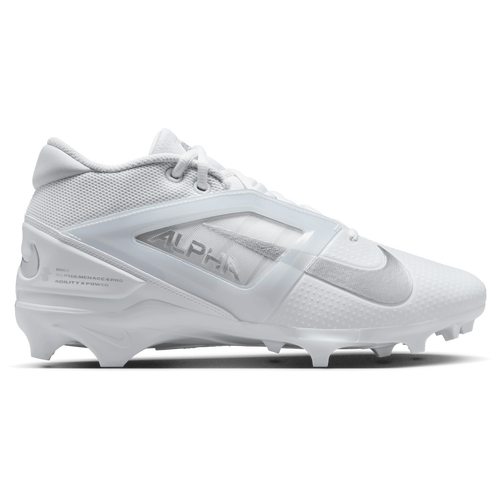
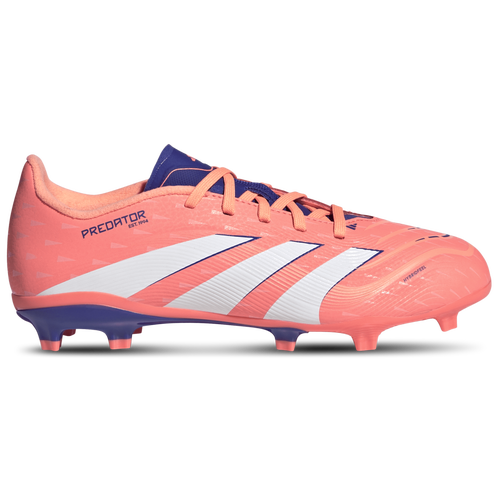
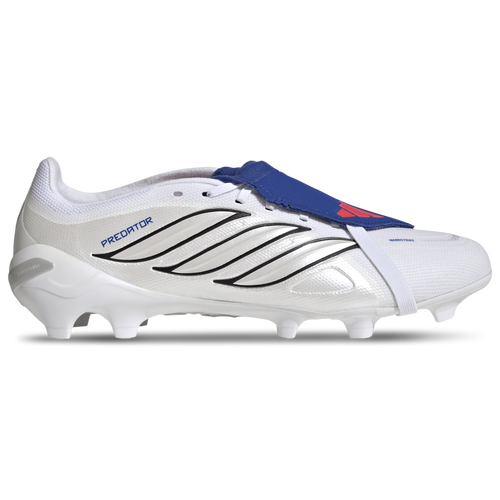
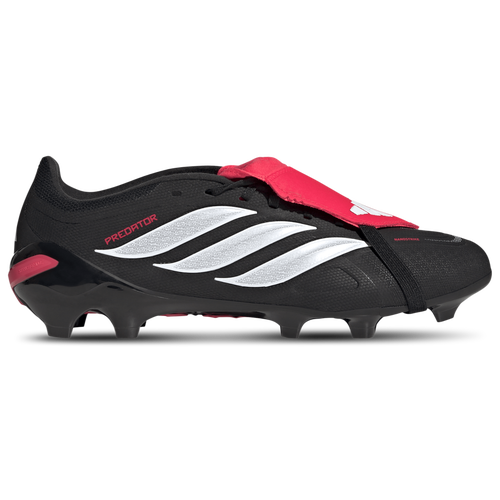
Step up your game with our premium selection of athletic cleats, designed for optimal performance on the field. Engineered for traction and stability, these cleats provide the support you need to make quick cuts and explosive movements. Whether you're playing soccer, football, or any other sport, our collection ensures you stay agile and confident during every play.
Crafted with lightweight materials and innovative technology, our athletic cleats offer a comfortable fit that adapts to your foot. With various styles and designs available, you can find the perfect pair that matches your personal flair while enhancing your performance. Elevate your athletic experience and dominate the competition with the right footwear.