
Hiking Low Shoes
Showing 1 - 16 of 16 results
Our Hiking Low Shoes sold out quickly! Explore similar styles now!
Search Results
On this page...
- What features should I look for in hiking low shoes?
- Are hiking low shoes suitable for all types of terrain?
- How do I determine the right size for hiking low shoes?
- Are hiking low shoes waterproof?
- What materials are commonly used in hiking low shoes?
- Can hiking low shoes be used for everyday wear?
- How do I clean my hiking low shoes?
- What is the difference between hiking low shoes and hiking boots?
- Are hiking low shoes good for backpacking?
- How do I break in my hiking low shoes?
- What types of lacing systems are available in hiking low shoes?
- Are there specific hiking low shoes for wide feet?
- How much cushioning do hiking low shoes typically have?
- When should I replace my hiking low shoes?
Frequently Asked Questions For Hiking Low Shoes
When selecting hiking low shoes, consider features such as waterproof materials, breathable mesh for ventilation, and a durable outsole for traction on various terrains. Additionally, look for cushioning and support to ensure comfort during long hikes.
Hiking low shoes are designed for lighter trails and well-maintained paths, making them ideal for day hikes and casual walks. However, for rugged or uneven terrain, it may be beneficial to choose shoes with more ankle support and a sturdier build.
To find the right size for hiking low shoes, measure your foot length and width, and refer to the sizing chart provided by the retailer. It's also helpful to try on shoes with the socks you plan to wear while hiking to ensure a proper fit.
Many hiking low shoes feature waterproof materials or treatments that help keep your feet dry in wet conditions. However, not all models are waterproof, so it's essential to check the product specifications if you plan to hike in rainy or muddy environments.
Hiking low shoes are typically made from a combination of synthetic materials, leather, and mesh. These materials provide durability, breathability, and flexibility, ensuring comfort and performance on the trail.
Yes, hiking low shoes can be worn for everyday activities, especially if you prefer a sporty and comfortable style. Their lightweight design and supportive features make them suitable for casual outings and light walking.
To clean hiking low shoes, remove any dirt or mud with a soft brush or cloth. For deeper cleaning, use mild soap and water, and allow them to air dry away from direct sunlight. Avoid using harsh chemicals that could damage the materials.
The primary difference between hiking low shoes and hiking boots is the height and support they provide. Hiking low shoes are designed to be lightweight and flexible, making them ideal for shorter hikes, while hiking boots offer more ankle support and protection for challenging terrains.
Hiking low shoes can be suitable for lightweight backpacking on well-maintained trails, especially if you prioritize comfort and agility. However, for longer trips with heavier loads or rough terrain, consider footwear that offers more support and stability.
To break in your hiking low shoes, wear them for short periods around the house or during light walks before hitting the trails. Gradually increasing the duration and intensity of wear will help the shoes conform to your feet and enhance comfort.
Hiking low shoes come with various lacing systems, including traditional laces, quick-lace systems, and hook-and-loop closures. Each system offers different levels of adjustability and convenience, allowing you to find a fit that suits your preferences.
Yes, many brands offer hiking low shoes in wide sizes to accommodate different foot shapes. It's important to check the product details for width options to ensure a comfortable fit for wider feet.
Hiking low shoes generally feature moderate cushioning to provide comfort and shock absorption during hikes. The level of cushioning can vary by model, so it's advisable to try on different pairs to find the right balance for your needs.
You should consider replacing your hiking low shoes when you notice significant wear on the outsole, reduced traction, or if the upper materials show signs of damage. Additionally, if you experience discomfort or lack of support while wearing them, it may be time for a new pair.
About Hiking Low Shoes
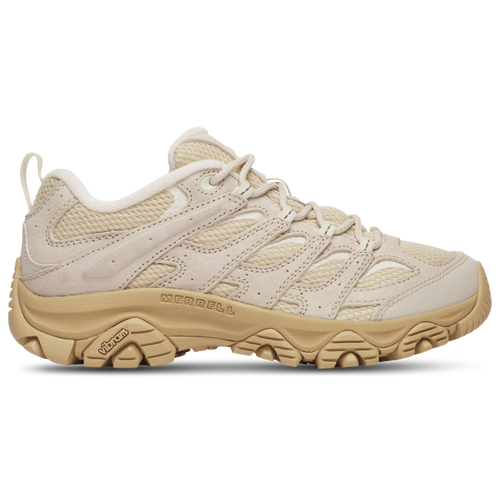
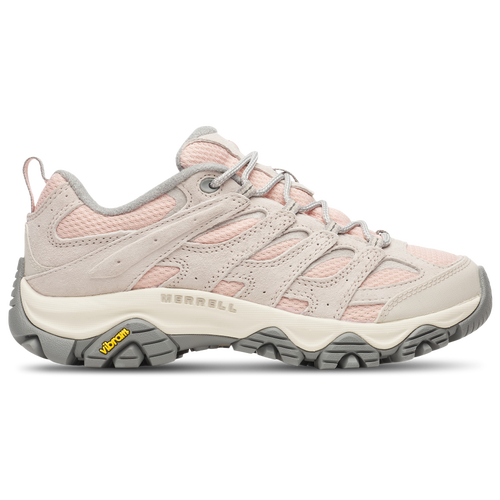
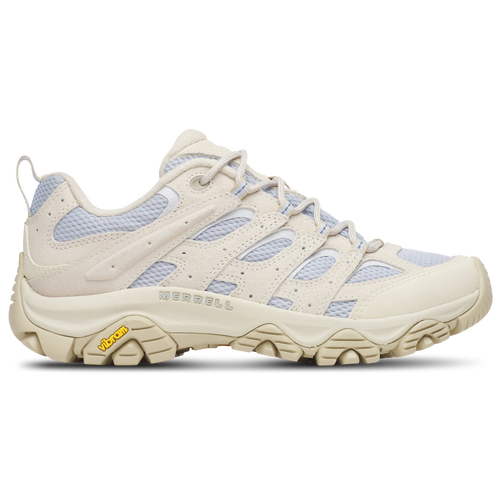
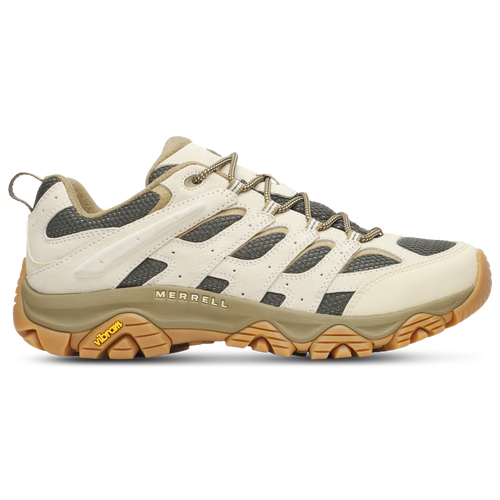
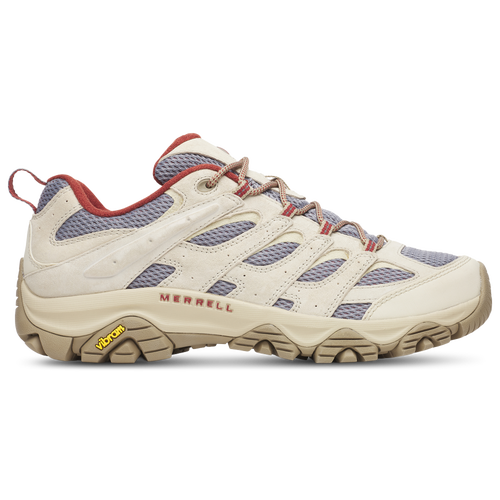
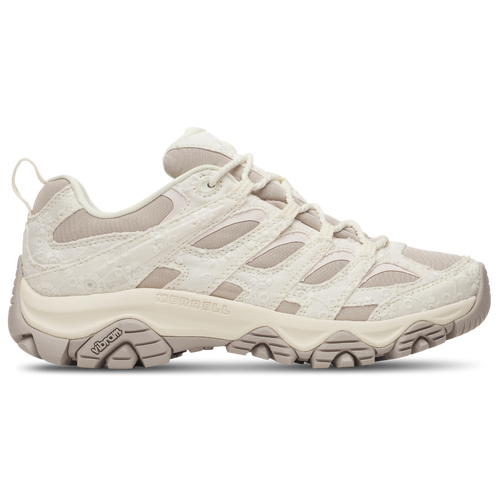
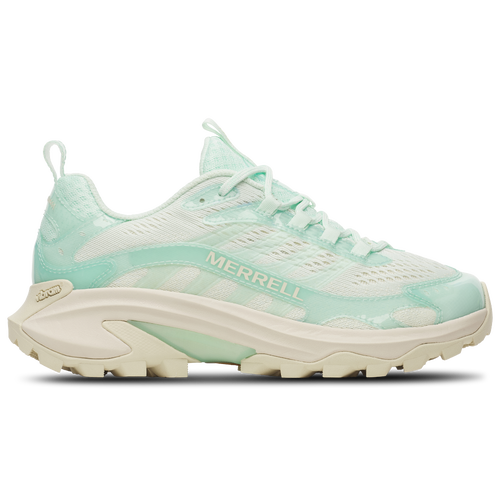
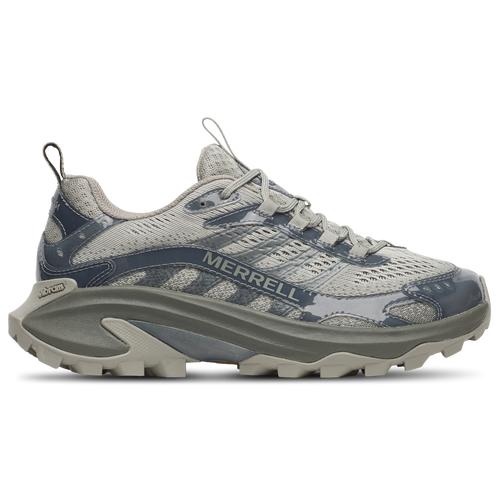
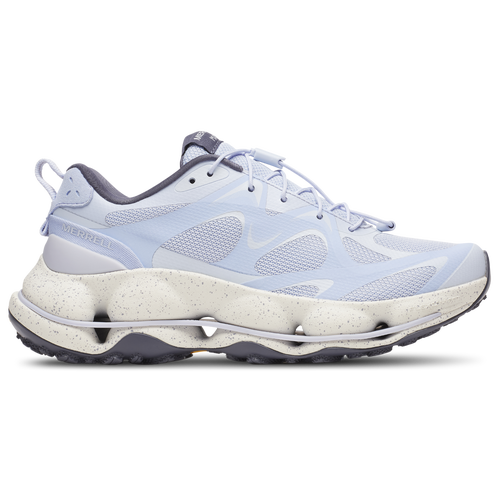
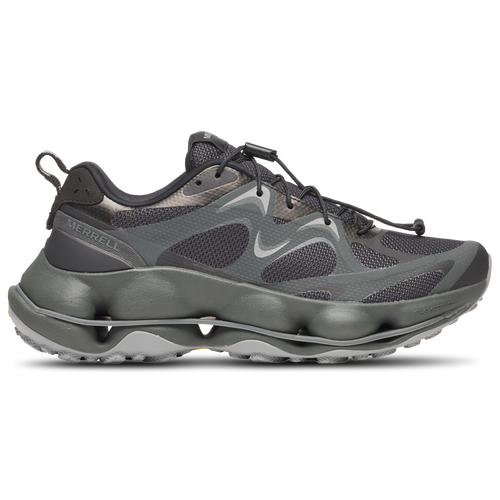
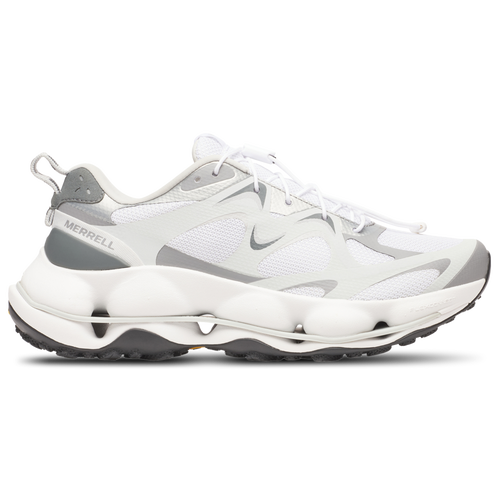
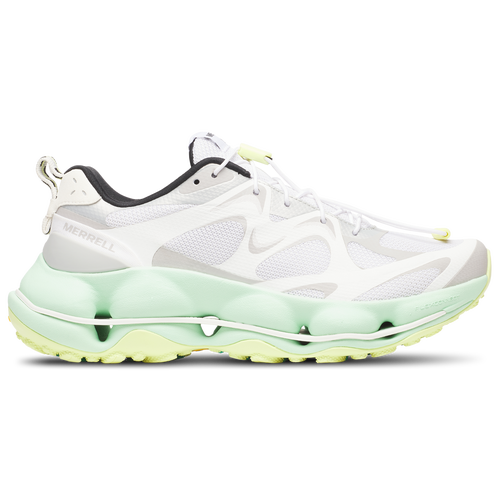
Explore the great outdoors with confidence in our collection of hiking low shoes, designed for comfort and durability on any terrain. These lightweight shoes provide excellent traction and support, making them ideal for both casual strolls and challenging hikes. With breathable materials and cushioned insoles, your feet will stay comfortable and protected throughout your adventures.
Our hiking low shoes feature versatile designs that seamlessly transition from trails to everyday wear. Whether you're navigating rocky paths or enjoying a leisurely walk in the park, these shoes offer the perfect blend of style and functionality. Equip yourself with the right footwear and elevate your hiking experience today.