
Long-Distance Hiking Shoes
Showing 1 - 43 of 43 results
Our Long-Distance Hiking Shoes sold out quickly! Explore similar styles now!
Search Results
On this page...
- What features should I look for in long-distance hiking shoes?
- Are long-distance hiking shoes waterproof?
- How do I choose the right size for long-distance hiking shoes?
- What materials are long-distance hiking shoes made of?
- How much cushioning do I need in long-distance hiking shoes?
- Can I use long-distance hiking shoes for everyday wear?
- Are long-distance hiking shoes suitable for rocky terrains?
- How do I break in long-distance hiking shoes?
- What is the difference between trail running shoes and long-distance hiking shoes?
- How do I clean my long-distance hiking shoes?
- When should I replace my long-distance hiking shoes?
- Are there specific long-distance hiking shoes for different foot types?
- What kind of traction should I expect from long-distance hiking shoes?
- How do I ensure my long-distance hiking shoes last longer?
Frequently Asked Questions For Long-Distance Hiking Shoes
When selecting long-distance hiking shoes, consider features such as cushioning for comfort, a durable outsole for traction, and a waterproof or breathable upper to protect against the elements. Additionally, a good fit with adequate arch support is crucial for long hikes to prevent discomfort and blisters.
Many long-distance hiking shoes come with waterproof features, such as Gore-Tex lining or water-resistant materials, to keep your feet dry in wet conditions. However, it's essential to check the product specifications, as not all models offer this feature.
To find the right size for long-distance hiking shoes, it's best to measure your feet at the end of the day when they are slightly swollen. Ensure there is enough room in the toe box and that the heel fits snugly to prevent slipping. Trying on shoes with the socks you plan to wear while hiking can also help ensure a proper fit.
Long-distance hiking shoes are typically made from a combination of synthetic materials, leather, and mesh. These materials provide durability, breathability, and support, making them suitable for various terrains and weather conditions.
The amount of cushioning needed in long-distance hiking shoes depends on personal preference and the type of terrain you will be hiking on. A moderate level of cushioning is often recommended for comfort on long hikes, while some may prefer more minimal cushioning for better ground feel and stability.
Yes, long-distance hiking shoes can be suitable for everyday wear, especially if you prioritize comfort and support. Their rugged design and supportive features make them a great choice for casual outings or walking in urban environments.
Long-distance hiking shoes are designed to handle a variety of terrains, including rocky paths. Look for shoes with a sturdy outsole and good traction to provide stability and grip on uneven surfaces, ensuring a safer hiking experience.
To break in long-distance hiking shoes, start by wearing them for short periods around the house or on easy walks. Gradually increase the duration and intensity of your walks to allow the materials to soften and conform to your feet, reducing the risk of blisters during longer hikes.
Trail running shoes are generally lighter and more flexible, designed for speed and agility on trails, while long-distance hiking shoes offer more support and durability for carrying heavier loads over extended periods. Choosing between them depends on your hiking style and the terrain you plan to tackle.
To clean long-distance hiking shoes, remove any dirt and debris with a soft brush or cloth. Use a mild soap solution and a damp cloth to wipe down the surfaces, and allow them to air dry away from direct sunlight or heat sources to maintain their shape and materials.
It's time to replace your long-distance hiking shoes when you notice significant wear on the outsole, loss of cushioning, or if they no longer provide adequate support. Regularly inspecting your shoes after hikes can help you determine when they need to be replaced for optimal performance and comfort.
Yes, there are long-distance hiking shoes designed for various foot types, including those with high arches, flat feet, or wider widths. It's important to choose shoes that cater to your specific foot shape to ensure comfort and prevent injuries during long hikes.
Long-distance hiking shoes typically feature outsoles with aggressive tread patterns designed to provide excellent traction on various surfaces, including mud, rocks, and wet terrain. The type of rubber used in the outsole also plays a significant role in grip and durability.
To extend the lifespan of your long-distance hiking shoes, regularly clean them after use, store them in a cool, dry place, and avoid exposing them to extreme temperatures. Additionally, rotating between pairs can help reduce wear and tear on a single pair.
About Long-Distance Hiking Shoes
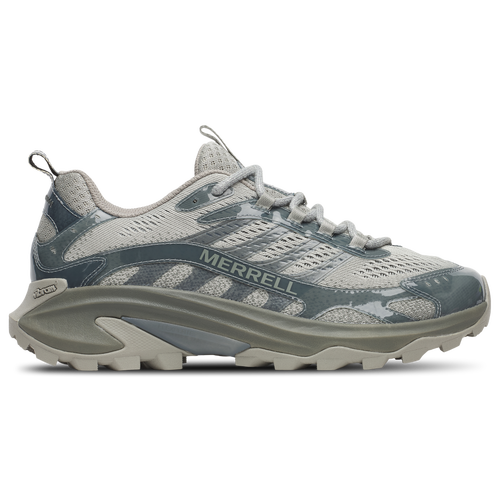
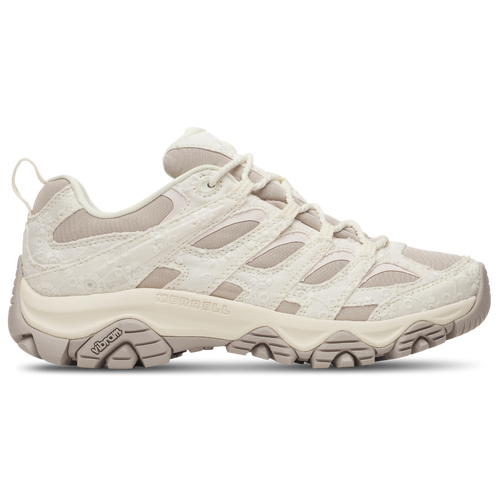
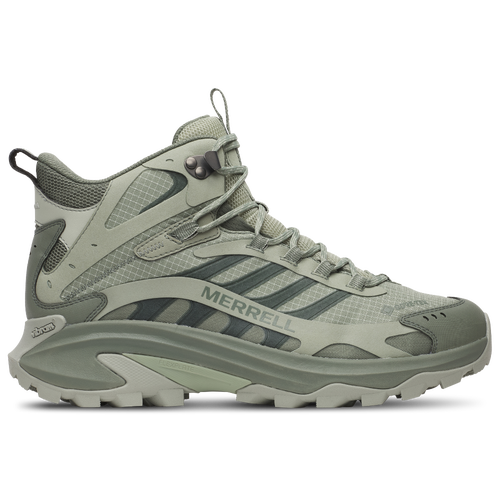
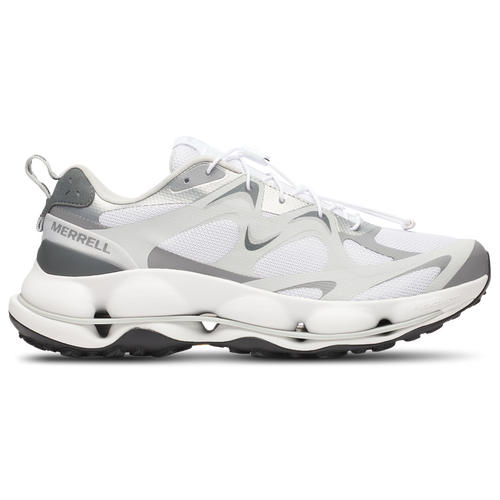
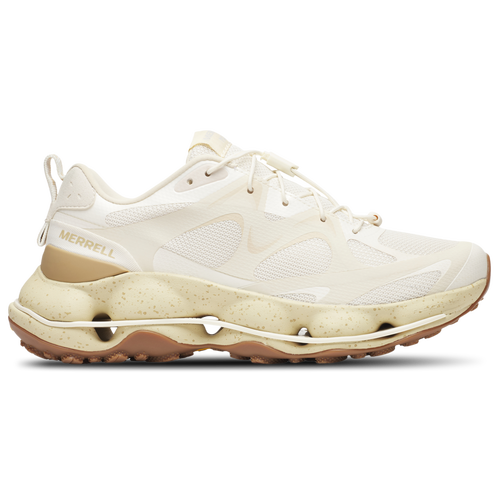
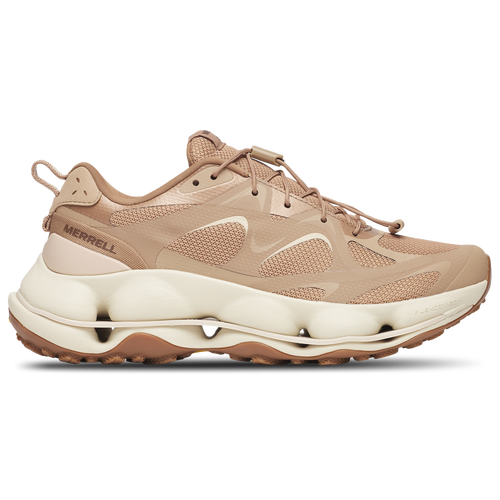
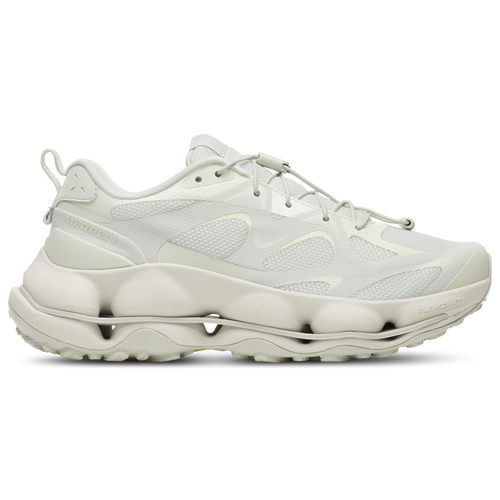
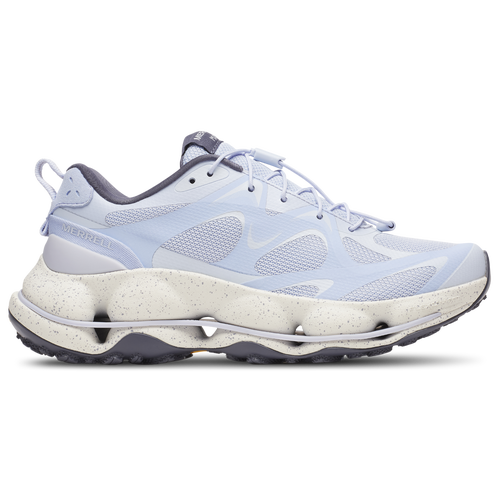
Embark on your next adventure with our collection of long-distance hiking shoes, designed for comfort and durability on the toughest trails. These shoes feature advanced cushioning and support to keep your feet comfortable during extended hikes, while rugged outsoles provide excellent traction on various terrains. Whether you're navigating rocky paths or muddy trails, our selection ensures you stay stable and secure.
Built with breathable materials, these hiking shoes help regulate temperature and wick away moisture, keeping your feet dry and fresh. Lightweight yet sturdy, they offer the perfect balance of flexibility and protection, making them ideal for long treks. Gear up for your outdoor excursions with footwear that combines performance, style, and reliability, ensuring every step is a confident one.