
Performance Walking Shoes
Showing 1 - 10 of 10 results
Our Performance Walking Shoes sold out quickly! Explore similar styles now!
Search Results
On this page...
- What features should I look for in performance walking shoes?
- Are performance walking shoes suitable for all foot types?
- How do I determine the right size for performance walking shoes?
- What materials are commonly used in performance walking shoes?
- How often should I replace my performance walking shoes?
- Can performance walking shoes be used for running?
- Are performance walking shoes waterproof?
- What is the difference between performance walking shoes and regular walking shoes?
- How do I clean my performance walking shoes?
- What type of sole is best for performance walking shoes?
- Are there specific performance walking shoes for different terrains?
- How do I break in my new performance walking shoes?
- What is the weight range for performance walking shoes?
- Can I use performance walking shoes for everyday wear?
Frequently Asked Questions For Performance Walking Shoes
When choosing performance walking shoes, consider features such as cushioning for comfort, arch support for stability, and a lightweight design for ease of movement. Additionally, look for breathable materials to keep your feet cool and a durable outsole for traction on various surfaces.
Yes, performance walking shoes are designed to accommodate various foot types, including those with flat feet, high arches, or neutral arches. Many models offer specific support features tailored to different foot shapes, ensuring a comfortable fit for everyone.
To find the right size for performance walking shoes, measure your feet in the afternoon when they are slightly swollen. It's best to try on shoes with the socks you plan to wear while walking, and ensure there is about a thumb's width of space between your longest toe and the shoe's end for optimal comfort.
Performance walking shoes are typically made from a combination of synthetic mesh for breathability, rubber for traction, and foam for cushioning. These materials work together to provide support, comfort, and durability during your walks.
It is generally recommended to replace performance walking shoes every 300 to 500 miles, depending on your walking style and the surfaces you walk on. Signs that it's time for a replacement include decreased cushioning, visible wear on the outsole, and discomfort during walks.
While performance walking shoes are specifically designed for walking, they can be used for light running or jogging. However, if you plan to run regularly, it is advisable to invest in shoes specifically designed for running to ensure proper support and cushioning.
Many performance walking shoes feature water-resistant materials or treatments to help keep your feet dry in light rain or wet conditions. However, not all models are waterproof, so it's essential to check the product specifications if you need shoes for wet weather.
Performance walking shoes are engineered with advanced features such as enhanced cushioning, stability, and lightweight construction to support longer distances and more intense walking. Regular walking shoes may lack these specialized features and are typically designed for casual use.
To clean performance walking shoes, remove the laces and insoles, and use a soft brush or cloth to remove dirt and debris. You can use mild soap and water for deeper cleaning, but avoid submerging them in water or using harsh chemicals, as this can damage the materials.
A rubber outsole is typically the best choice for performance walking shoes, as it provides excellent traction and durability on various surfaces. Look for outsoles with a tread pattern designed to enhance grip and stability during your walks.
Yes, there are performance walking shoes designed for various terrains, including road walking, trail walking, and urban environments. Each type features specific outsole patterns and cushioning systems to enhance performance and comfort on the intended surface.
To break in new performance walking shoes, start by wearing them for short periods indoors to allow your feet to adjust. Gradually increase the duration of wear and incorporate them into your walking routine to ensure a comfortable fit without causing blisters or discomfort.
The weight of performance walking shoes typically ranges from 6 to 12 ounces per shoe, depending on the design and materials used. Lighter shoes are often preferred for speed and agility, while slightly heavier options may offer more cushioning and support.
Yes, performance walking shoes can be suitable for everyday wear, especially if you prioritize comfort and support throughout your daily activities. Their design often combines style with functionality, making them a versatile choice for casual outings.
About Performance Walking Shoes
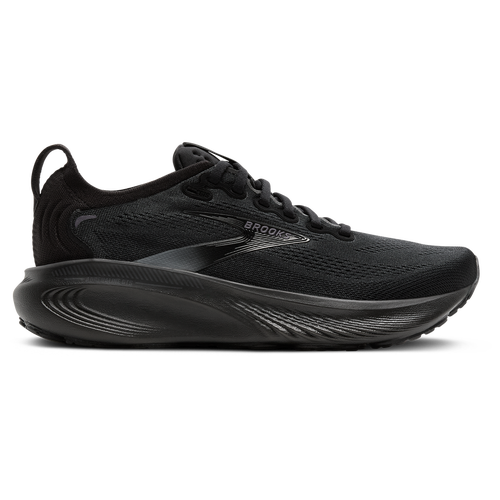
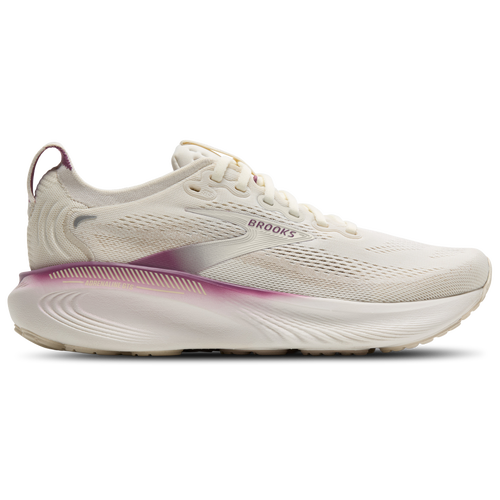
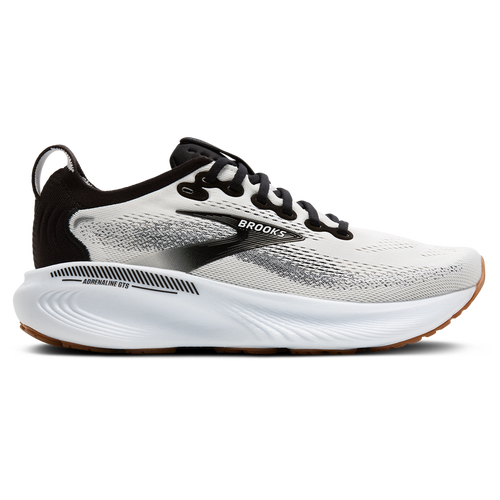
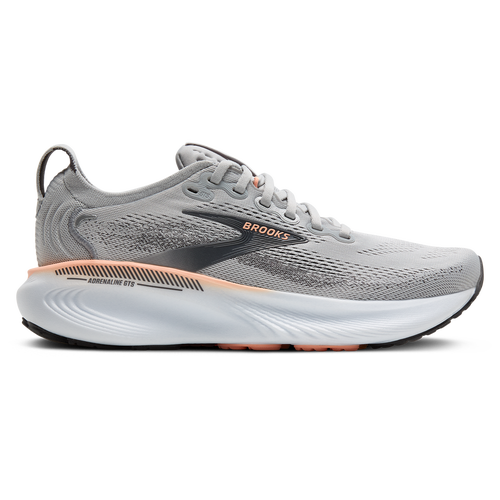
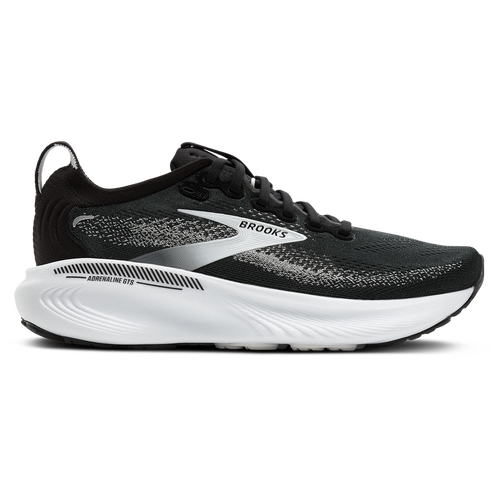
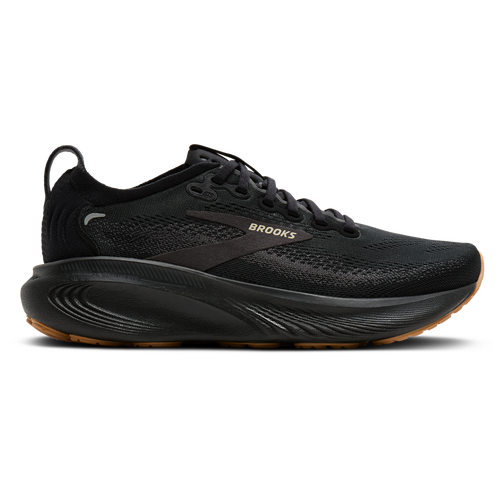
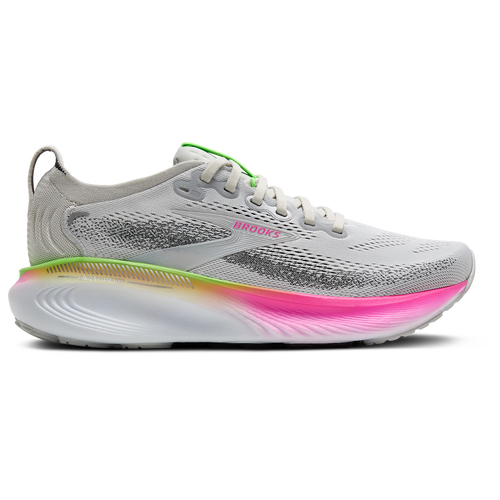
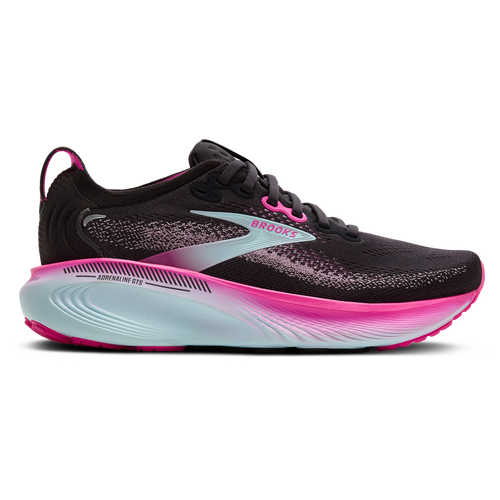
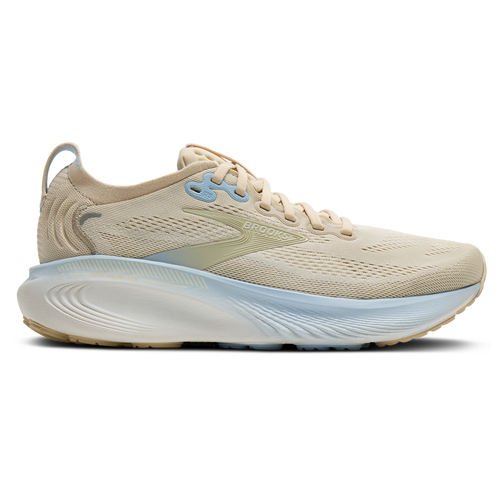
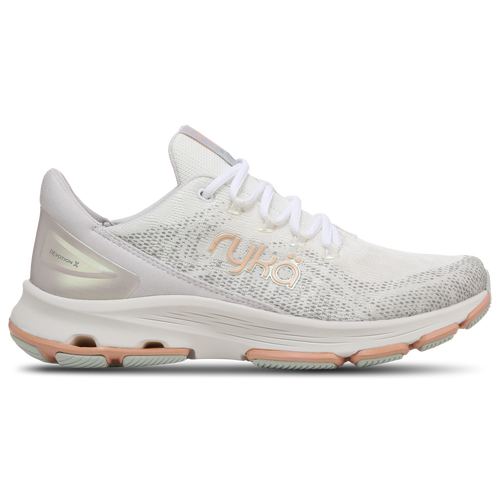
Step into comfort and support with our collection of performance walking shoes, designed for those who prioritize both style and functionality. These shoes feature lightweight materials and breathable designs, ensuring your feet stay cool and comfortable during long walks. With cushioned insoles and responsive outsoles, every step feels effortless, making them perfect for daily wear or fitness routines.
Our performance walking shoes also offer excellent traction and stability, allowing you to navigate various terrains with confidence. Whether you're strolling through the park or tackling your daily errands, these shoes provide the durability and support you need. Elevate your walking experience and enjoy the perfect blend of comfort and performance with our expertly crafted footwear.