
Running Shoes For Sprinting
Showing 1 - 48 of 77 results
Our Running Shoes For Sprinting sold out quickly! Explore similar styles now!
Search Results

On this page...
- What features should I look for in running shoes for sprinting?
- Are sprinting shoes different from regular running shoes?
- What materials are commonly used in sprinting shoes?
- How do I determine the right size for sprinting shoes?
- Are there specific designs for different types of sprinting events?
- Can I use sprinting shoes for other types of running?
- How much do sprinting shoes typically weigh?
- What type of outsole is best for sprinting shoes?
- How often should I replace my sprinting shoes?
- Are sprinting shoes suitable for track workouts?
- What is the difference between sprinting shoes and spikes?
- How do I care for my sprinting shoes?
- What is the lifespan of sprinting shoes?
- Can I wear sprinting shoes for casual activities?
Frequently Asked Questions For Running Shoes For Sprinting
When selecting running shoes for sprinting, prioritize lightweight construction, responsive cushioning, and a snug fit. Look for shoes with a flexible outsole that allows for quick transitions and a supportive upper to enhance stability during high-speed movements.
Yes, sprinting shoes are specifically designed for short-distance races and high-intensity training. They typically have a more aggressive traction pattern, a lightweight build, and less cushioning compared to regular running shoes, which are made for longer distances and comfort.
Sprinting shoes are often made from lightweight synthetic materials that provide breathability and support. The outsoles are usually crafted from durable rubber or specialized compounds to enhance grip and traction on the track.
To find the right size for sprinting shoes, measure your foot length and width, then refer to the sizing chart provided by the retailer. It's essential to try on shoes with the same type of socks you plan to wear while sprinting to ensure a proper fit.
Yes, sprinting shoes can vary based on the event, such as 100m, 200m, or 400m sprints. Some designs may feature different spike placements or plate configurations to optimize performance for specific distances and running styles.
While sprinting shoes are optimized for speed and short distances, they may not provide the comfort and support needed for longer runs. It's best to use them primarily for sprinting and speed workouts rather than for extended running sessions.
Sprinting shoes generally weigh between 5 to 8 ounces, depending on the design and materials used. The lightweight nature of these shoes helps enhance speed and agility during sprints.
A sprinting shoe should have a rubber or synthetic outsole with a spike plate for maximum traction on the track. The spike configuration can vary, with some shoes allowing for interchangeable spikes to suit different track conditions.
It's recommended to replace sprinting shoes every 200 to 400 miles, depending on usage and wear. Regularly checking the outsole for signs of wear and ensuring the shoe maintains its supportive structure can help determine when it's time for a new pair.
Yes, sprinting shoes are ideal for track workouts as they provide the necessary grip and support for high-speed training. They are designed to enhance performance on synthetic track surfaces, making them a great choice for sprint drills and interval training.
Sprinting shoes are typically designed for use without spikes and may have a flat outsole, while spikes are specialized shoes that feature metal or plastic spikes for enhanced traction on the track. Both types are tailored for speed, but spikes offer superior grip for competitive racing.
To care for your sprinting shoes, clean them regularly by removing dirt and debris with a soft brush or cloth. Avoid machine washing and drying, as this can damage the materials; instead, let them air dry at room temperature after use.
The lifespan of sprinting shoes can vary based on usage and running style, but they typically last between 200 to 400 miles. Regularly assessing the shoe's condition and performance can help determine when they need to be replaced.
While sprinting shoes are designed for performance, they can be worn for casual activities due to their lightweight and stylish designs. However, they may not provide the same comfort and support as shoes designed for everyday wear.
About Running Shoes for Sprinting
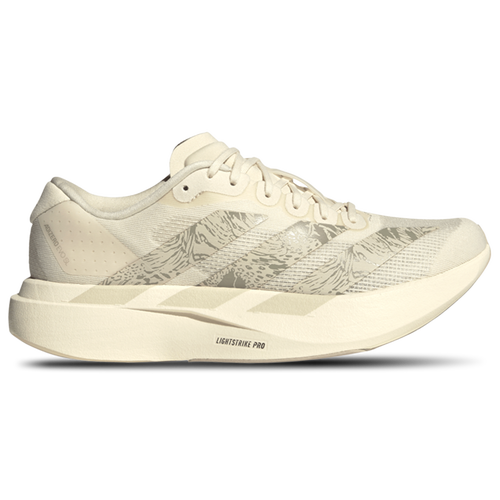
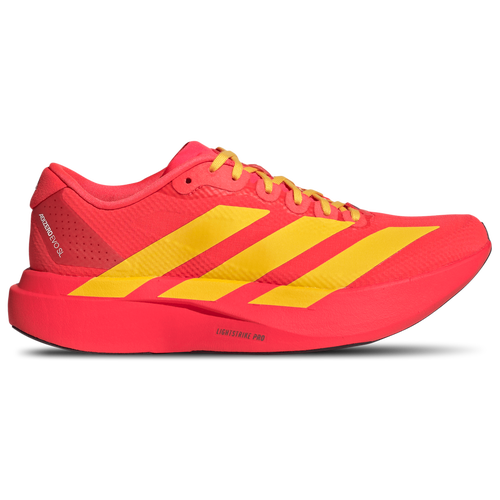
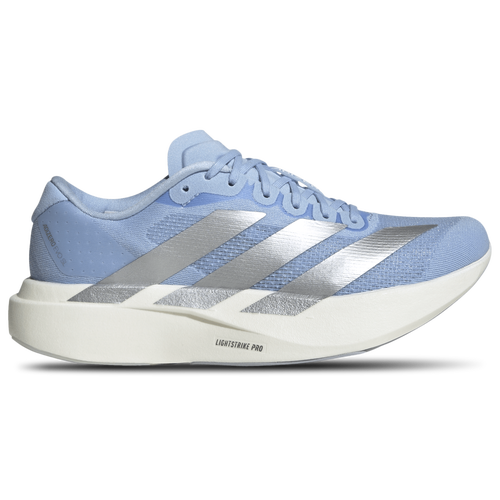
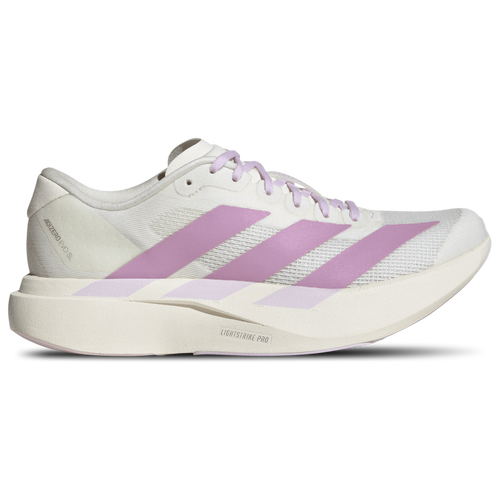
Elevate your sprinting performance with our premium collection of running shoes designed specifically for speed. These shoes feature lightweight construction and responsive cushioning to provide optimal energy return with every stride. Engineered for a snug fit, they ensure stability and support, allowing you to focus on your race without distractions.
Our selection includes advanced traction patterns that enhance grip on various surfaces, making them perfect for track and field or road sprints. With breathable materials that promote airflow, your feet will stay cool and comfortable during intense workouts. Discover the perfect pair to help you achieve your personal best in sprinting.