
Running Shoes For Track Practice
Showing 1 - 1 of 1 results
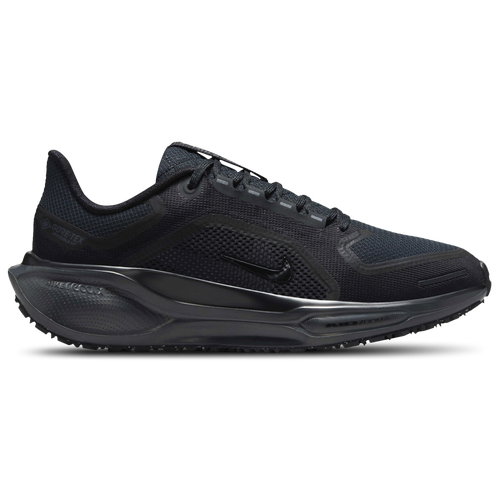
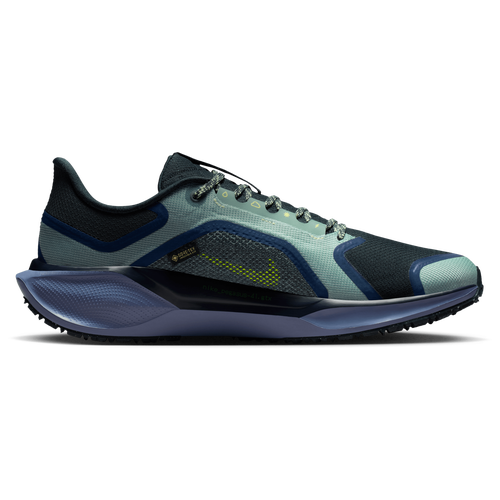
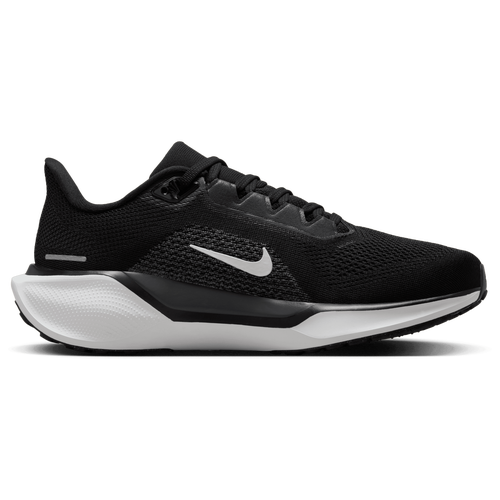
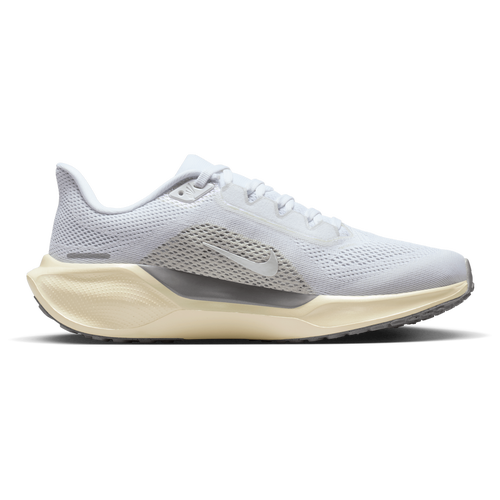
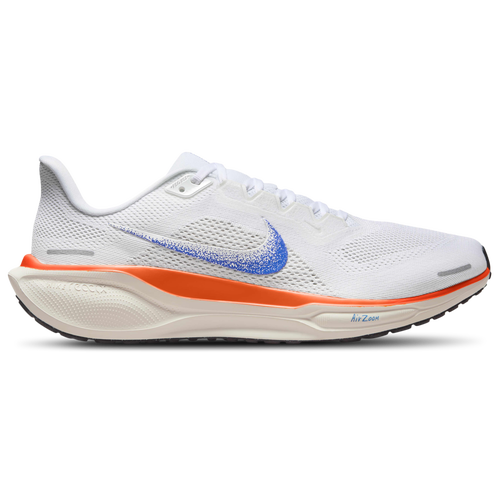
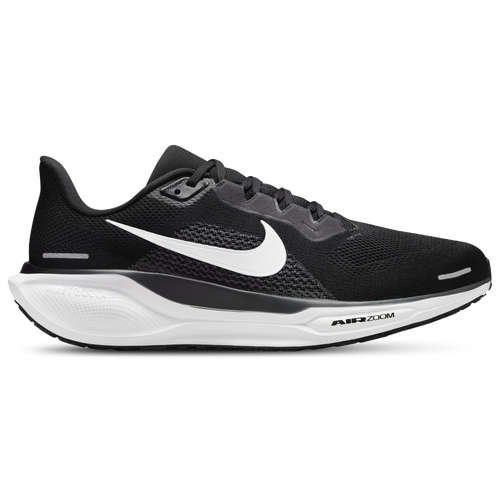
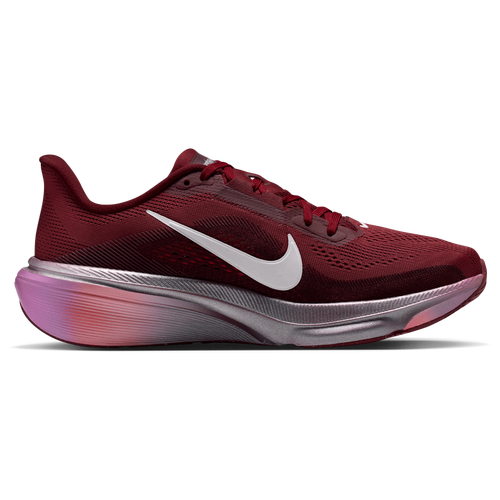
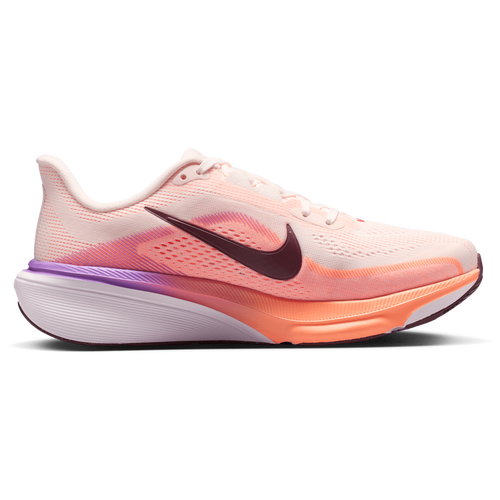
Our Running Shoes For Track Practice sold out quickly! Explore similar styles now!
Search Results
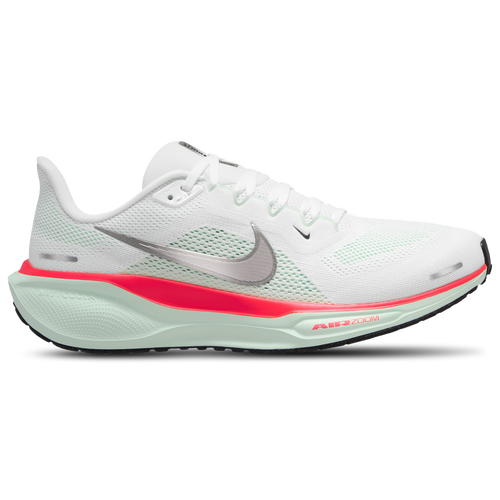
You May Also Like
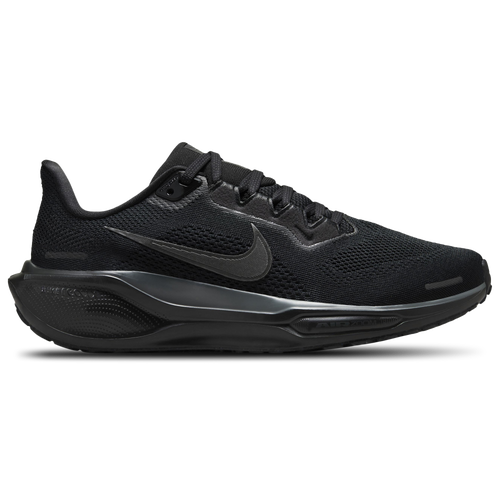
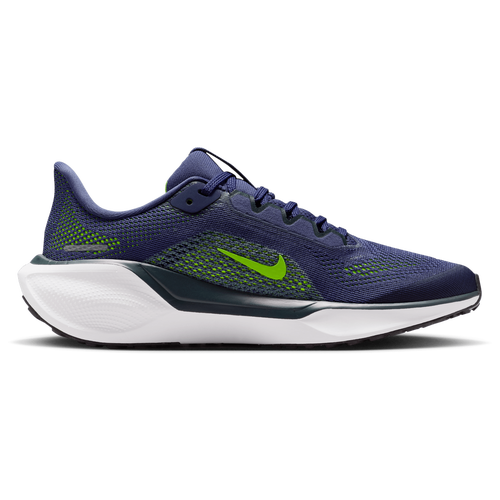
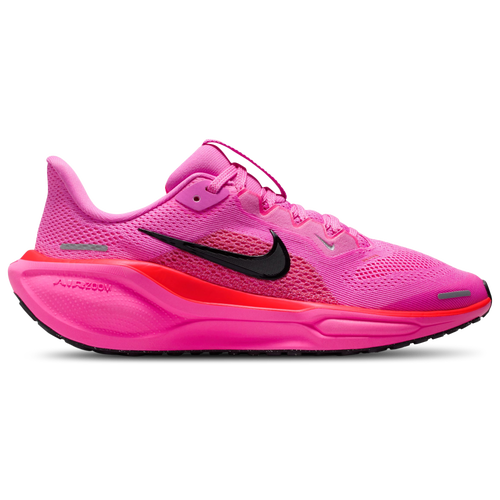
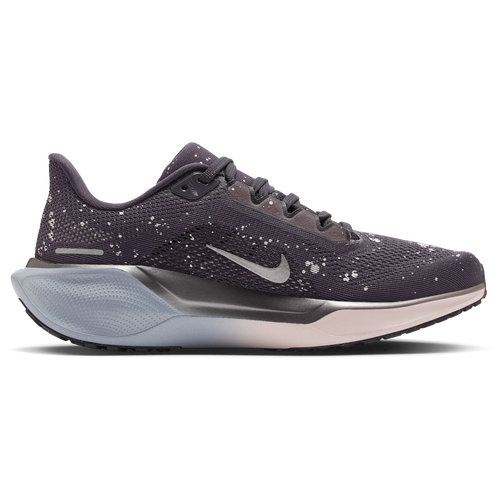
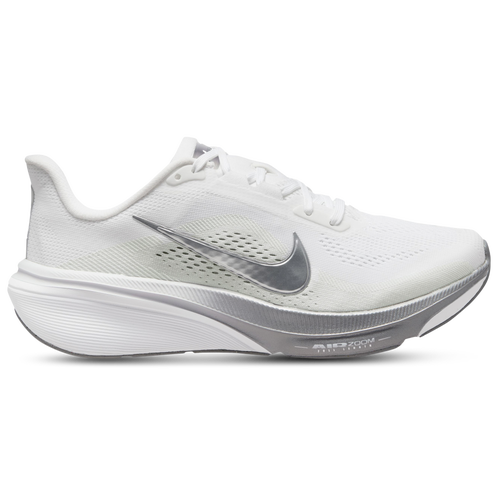
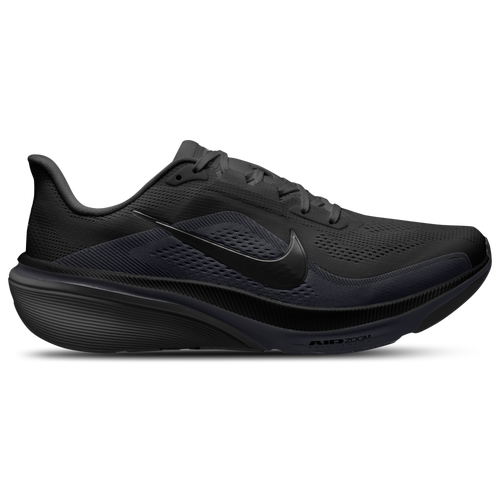
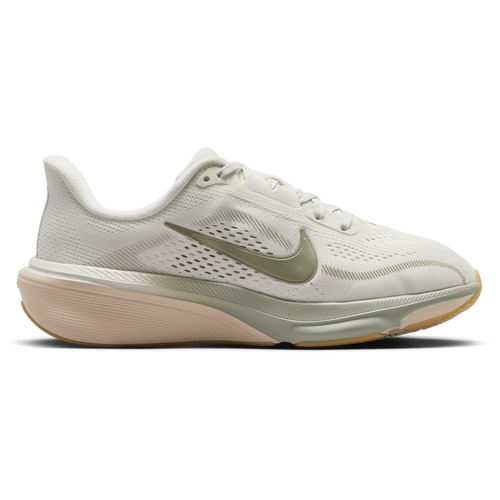
On this page...
- What features should I look for in running shoes for track practice?
- Are track running shoes different from regular running shoes?
- What type of cushioning is best for track running shoes?
- How do I determine the right size for track running shoes?
- Are track running shoes suitable for long-distance running?
- Can I use track running shoes for other types of workouts?
- What materials are commonly used in track running shoes?
- How often should I replace my track running shoes?
- Are there specific track running shoes for sprinters and distance runners?
- What is the importance of traction in track running shoes?
- How do I care for my track running shoes?
- Can I use track running shoes on different surfaces?
- What is the average weight of track running shoes?
- When should I wear spikes with my track running shoes?
Frequently Asked Questions For Running Shoes For Track Practice
When selecting running shoes for track practice, look for lightweight construction, good cushioning, and a snug fit to enhance performance. Additionally, shoes with a responsive outsole can provide better traction on the track surface, helping to improve speed and agility.
Yes, track running shoes are specifically designed for speed and performance on the track. They typically have a lighter weight, a more aggressive outsole for better grip, and a lower profile to promote a more efficient running form compared to regular running shoes.
Track running shoes often utilize lightweight and responsive cushioning materials that provide a balance between comfort and support. Look for options that offer a good amount of cushioning without adding unnecessary weight, allowing for better speed and agility during practice.
To find the right size for track running shoes, measure your foot length and width, and refer to the sizing chart provided by the retailer. It's also advisable to try on shoes in the afternoon when your feet are slightly swollen, ensuring a comfortable fit during practice.
Track running shoes are primarily designed for short-distance sprints and speed work rather than long-distance running. For longer runs, consider shoes that offer more cushioning and support to accommodate the increased impact and distance.
While track running shoes are optimized for speed work and track practice, they can be used for other workouts such as interval training or short-distance runs. However, they may not provide the same level of support and cushioning needed for longer runs or cross-training activities.
Track running shoes are typically made from lightweight synthetic materials that provide breathability and flexibility. The outsoles are often constructed from durable rubber or specialized compounds designed to enhance grip and traction on the track.
It's recommended to replace track running shoes every 300 to 500 miles, depending on your running style and frequency of use. Regularly inspecting the shoes for signs of wear, such as reduced cushioning or worn-out outsoles, can also help determine when it's time for a new pair.
Yes, there are different types of track running shoes tailored for sprinters and distance runners. Sprinters typically prefer lighter shoes with minimal cushioning for maximum speed, while distance runners may opt for shoes that provide more cushioning and support for longer distances.
Traction is crucial in track running shoes as it helps prevent slipping and enhances grip on the track surface. A shoe with a well-designed outsole featuring spikes or a textured pattern can significantly improve acceleration and stability during practice.
To care for track running shoes, clean them regularly by removing dirt and debris with a soft brush or cloth. Avoid machine washing, and instead, let them air dry at room temperature to maintain their shape and performance.
Track running shoes are specifically designed for use on track surfaces and may not perform well on uneven or off-road terrains. For varied surfaces, consider shoes designed for cross-country or trail running that offer better support and traction.
The average weight of track running shoes typically ranges from 5 to 10 ounces, depending on the design and materials used. Lighter shoes are favored for sprinting, while slightly heavier options may provide additional cushioning for distance events.
Spikes should be worn during track practice and competitions on synthetic tracks to enhance grip and traction. They can significantly improve performance in sprinting and middle-distance events, but should be removed when running on hard surfaces or during warm-up sessions.
About Running Shoes for Track Practice
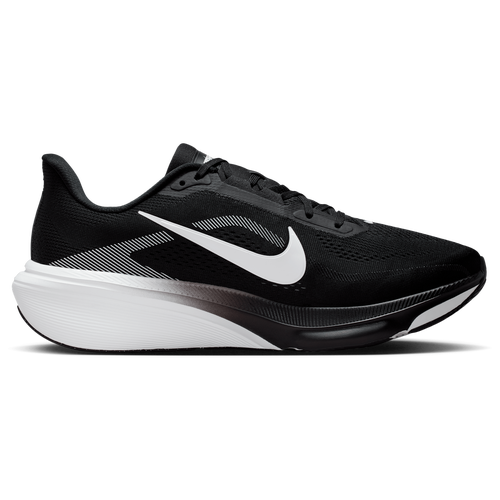
Elevate your performance with our selection of running shoes designed specifically for track practice. Engineered for speed and agility, these shoes feature lightweight materials and responsive cushioning to enhance your stride. With a focus on breathability and support, they ensure comfort during intense training sessions, helping you achieve your best times.
Our running shoes also offer superior traction, allowing you to maintain grip on various surfaces. Whether you're sprinting or training for distance, these shoes provide the stability and flexibility needed for optimal performance. Step onto the track with confidence and experience the difference that specialized footwear can make in your training routine.