
Shoes for Agility Training
Showing 1 - 48 of 96 results
Our Shoes for Agility Training sold out quickly! Explore similar styles now!
Search Results
On this page...
- What features should I look for in shoes for agility training?
- Are shoes for agility training suitable for outdoor use?
- How do I determine the right size for agility training shoes?
- What materials are commonly used in shoes for agility training?
- Can I use running shoes for agility training?
- Are there specific designs for different types of agility training?
- How do I care for my agility training shoes?
- What is the average lifespan of shoes for agility training?
- Are there shoes specifically designed for agility training on turf?
- How important is cushioning in shoes for agility training?
- Can I wear agility training shoes for everyday activities?
- What type of outsole is best for agility training shoes?
- Are there shoes for agility training that accommodate wider feet?
- When should I replace my agility training shoes?
Frequently Asked Questions For Shoes for Agility Training
When selecting shoes for agility training, prioritize lightweight construction, excellent grip, and responsive cushioning. A flexible sole will enhance your ability to make quick movements, while a snug fit will provide stability and support during dynamic exercises.
Many shoes designed for agility training are versatile enough for both indoor and outdoor use. However, it's essential to check the outsole material and tread pattern, as some shoes may offer better traction on specific surfaces, such as grass or turf.
To find the right size for agility training shoes, measure your foot length and width, and refer to the sizing chart provided by the retailer. It's also advisable to try on shoes with the socks you plan to wear during training to ensure a proper fit and comfort.
Shoes for agility training typically feature lightweight synthetic materials, breathable mesh uppers, and durable rubber outsoles. These materials help enhance flexibility, support airflow, and provide traction, making them ideal for quick movements.
While running shoes can provide comfort and cushioning, they may not offer the necessary support and stability for agility training. It's best to choose shoes specifically designed for agility, as they are optimized for lateral movements and quick direction changes.
Yes, different types of agility training may require specific shoe designs. For example, shoes with a lower profile and wider base are ideal for lateral movements, while those with more cushioning may be better suited for plyometric exercises.
To care for your agility training shoes, regularly clean them with a damp cloth to remove dirt and debris. Avoid machine washing, as it can damage the materials. Allow them to air dry away from direct heat sources to maintain their shape and performance.
The average lifespan of shoes for agility training typically ranges from 300 to 500 miles of use, depending on the intensity of your workouts and the surfaces you train on. Regularly inspect your shoes for signs of wear, such as reduced cushioning or uneven tread.
Yes, there are shoes designed specifically for agility training on turf. These shoes often feature specialized outsoles with shorter studs or a flat design to provide optimal traction and stability on artificial surfaces.
Cushioning is important in shoes for agility training as it helps absorb impact during high-intensity movements. However, the level of cushioning should be balanced with responsiveness to ensure you maintain control and stability during quick changes in direction.
While agility training shoes are designed for performance, many styles are versatile enough for everyday wear. Their lightweight and comfortable design makes them suitable for casual outings, but they may not provide the same level of support as dedicated lifestyle shoes.
A rubber outsole with a multidirectional tread pattern is best for agility training shoes. This design provides excellent traction and grip, allowing for quick pivots and lateral movements without slipping.
Yes, many brands offer shoes for agility training in wider sizes to accommodate different foot shapes. Look for options labeled as "wide" or check the sizing information to ensure a comfortable fit for wider feet.
It's time to replace your agility training shoes when you notice a significant decrease in cushioning, support, or traction. Additionally, if you experience discomfort or pain during workouts, it may indicate that your shoes are no longer providing the necessary support.
About Shoes for Agility Training
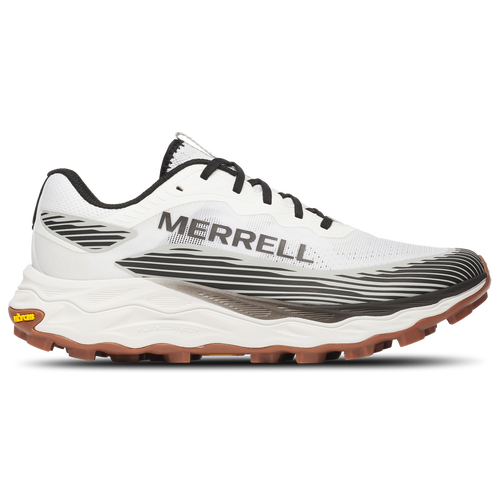
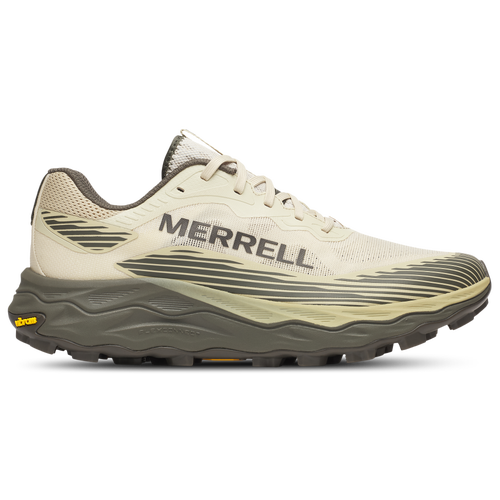
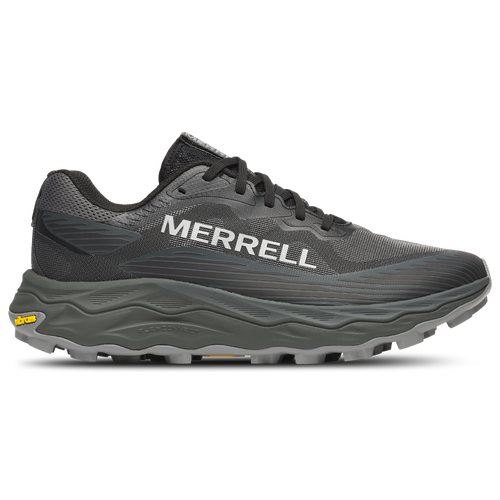
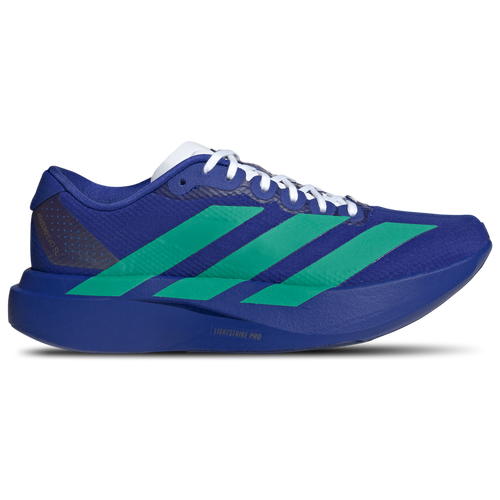
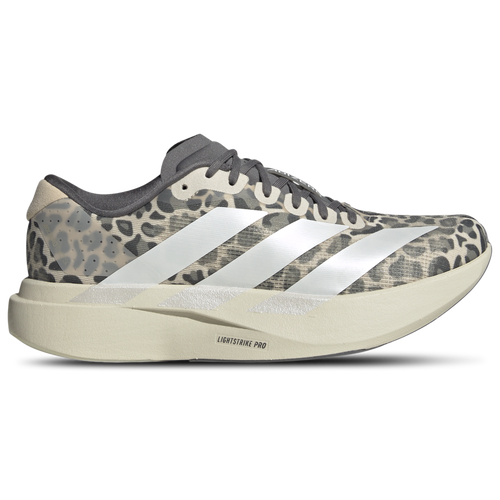
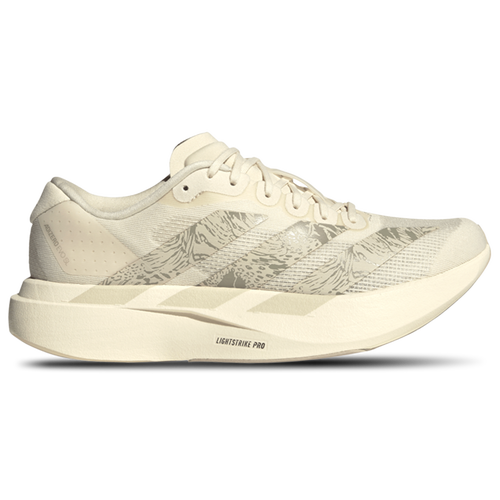
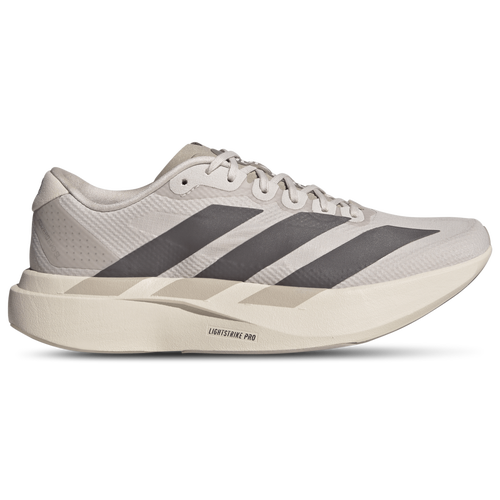
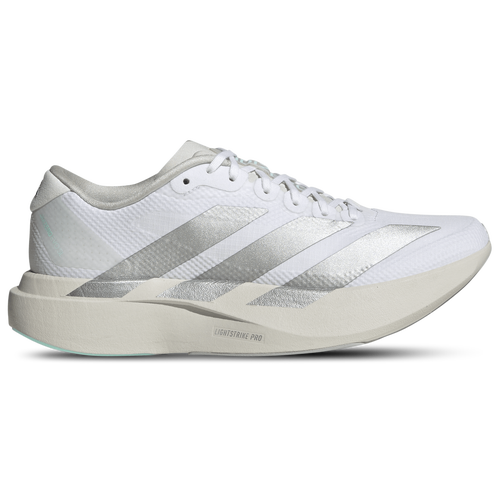
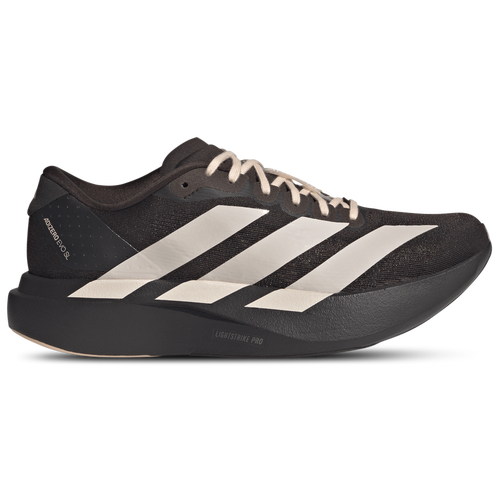
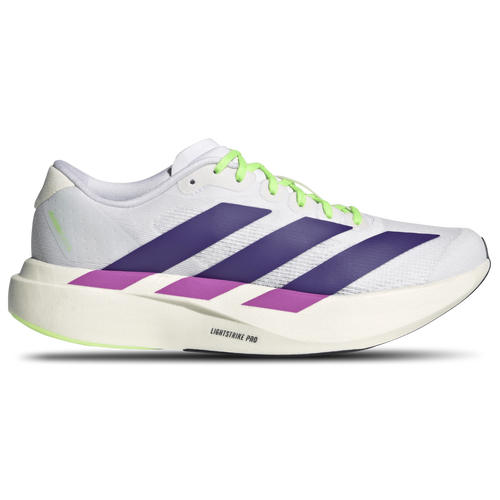
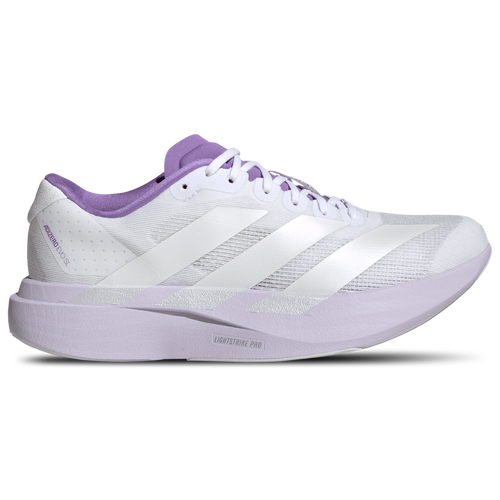
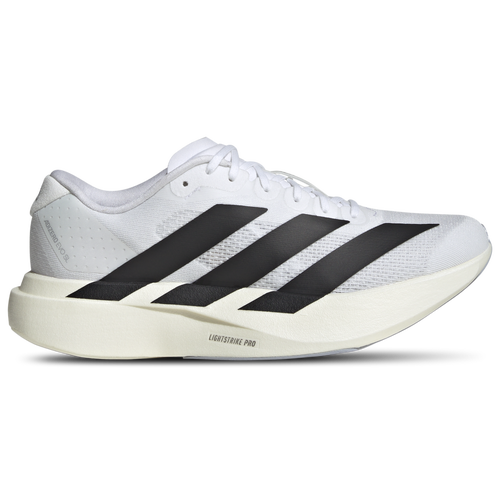
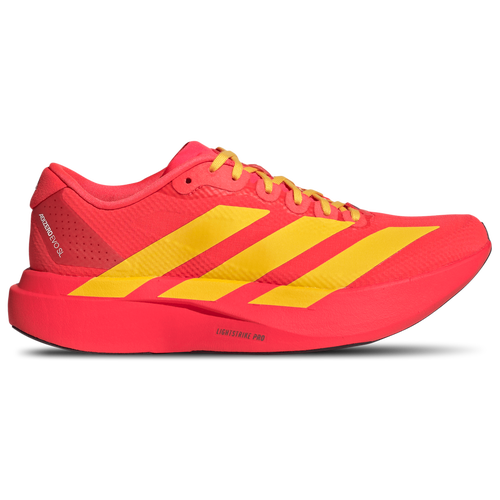
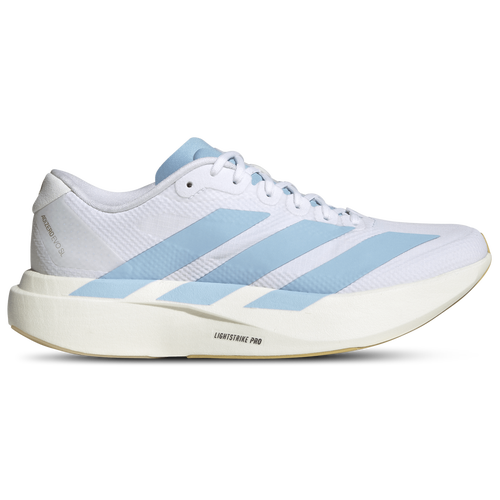
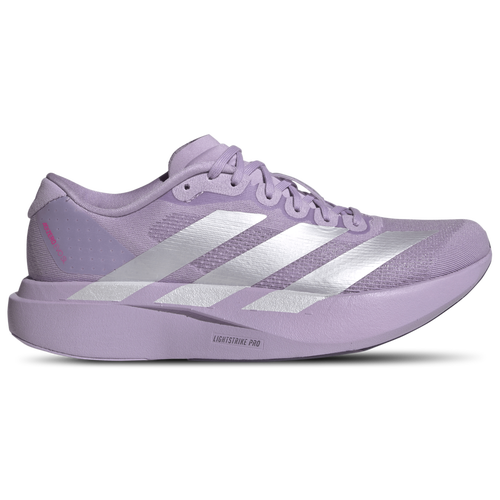
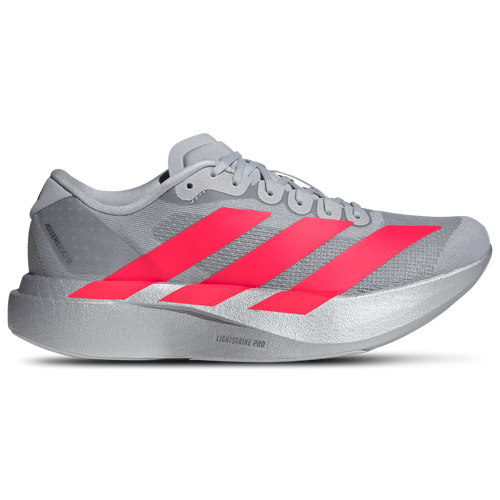
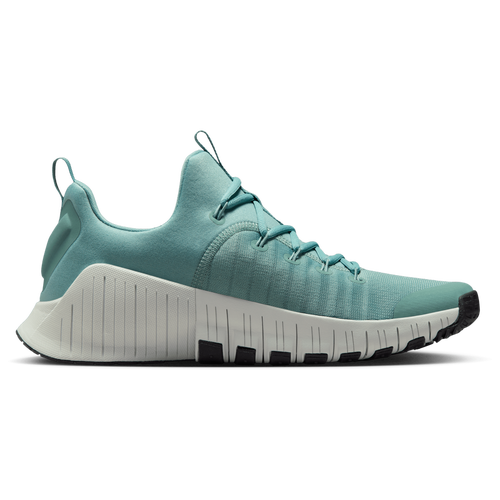
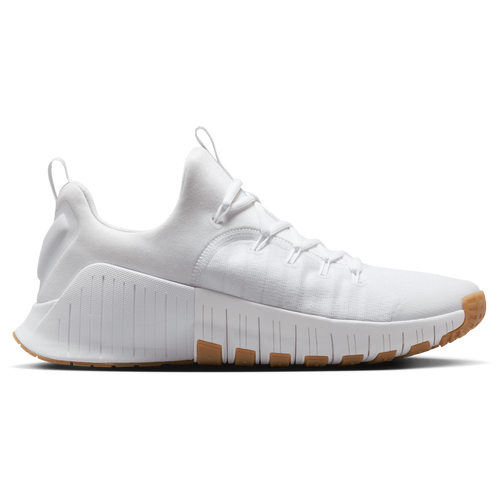
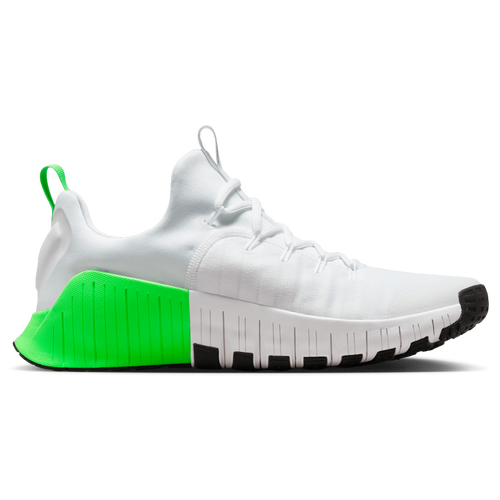
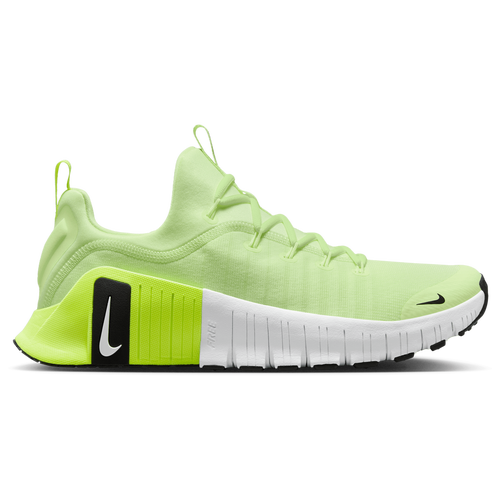
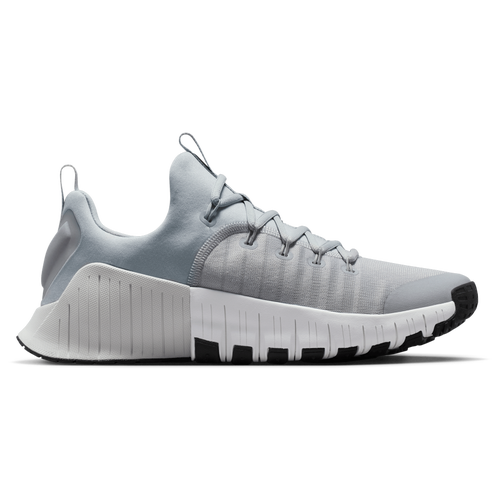
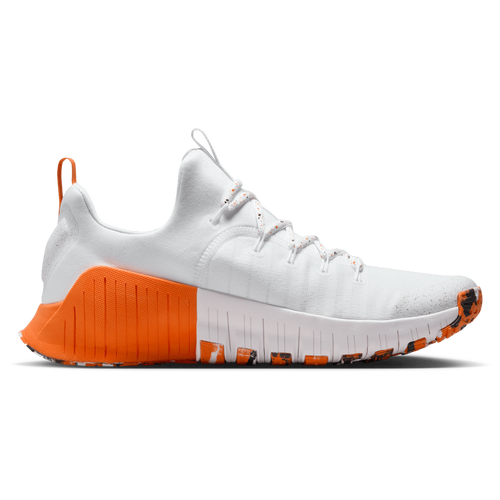
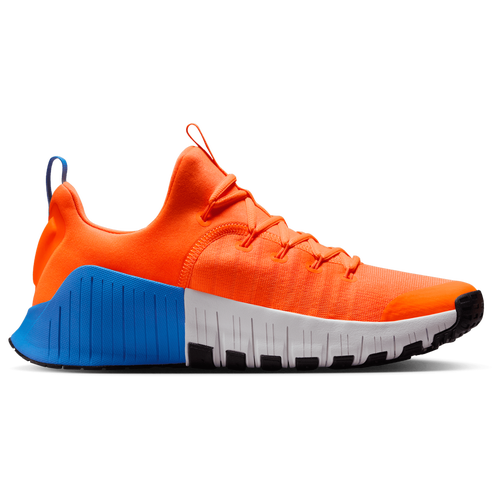
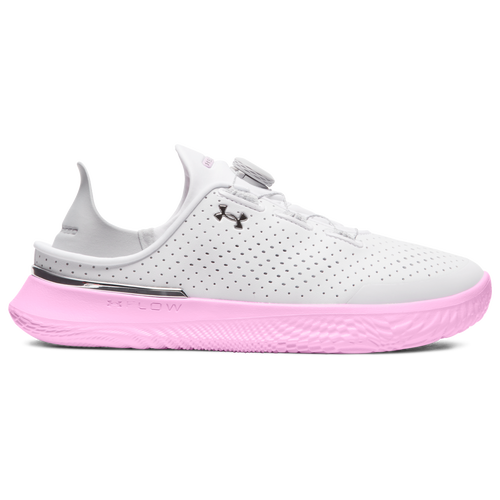
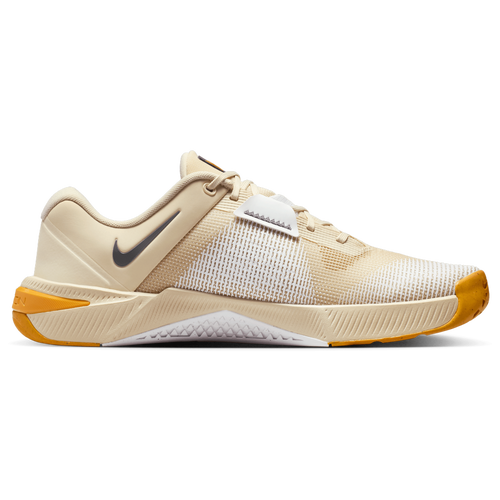
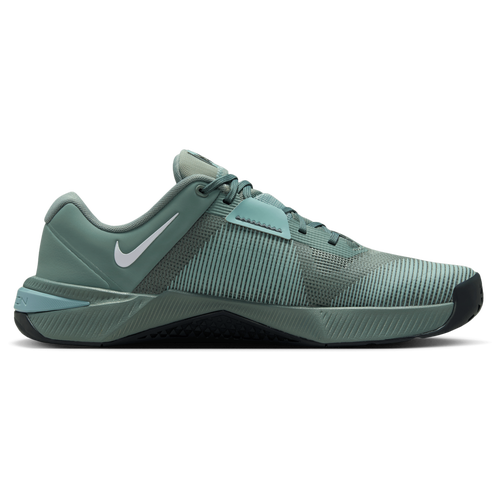
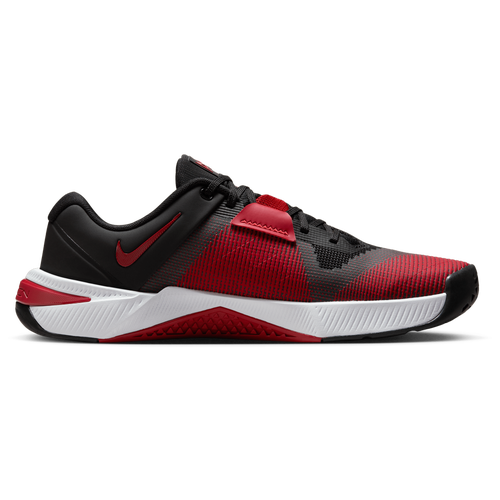
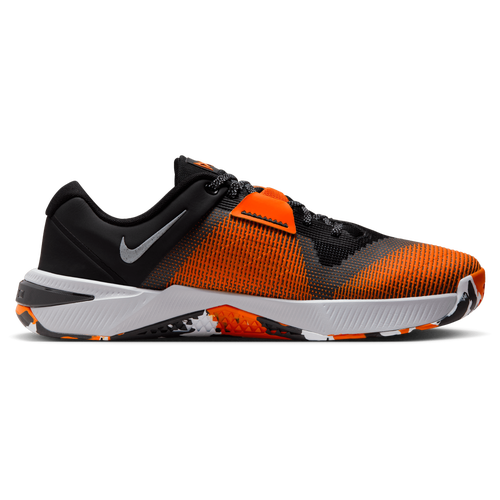
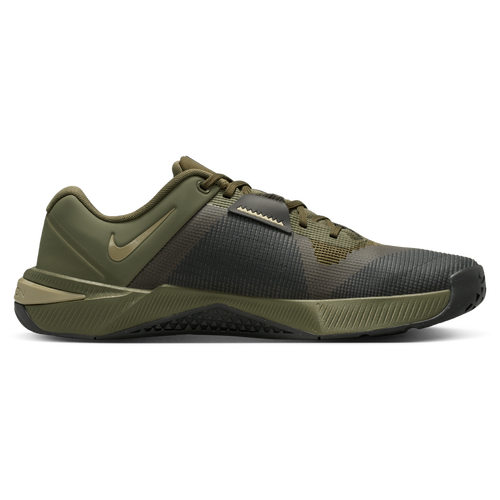
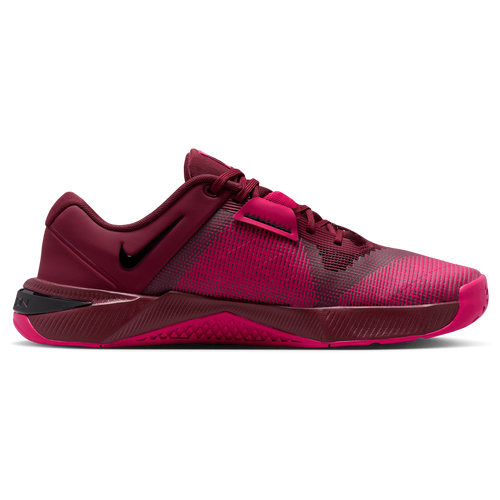
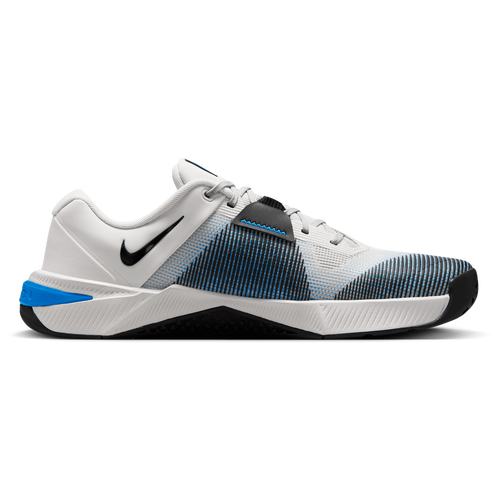
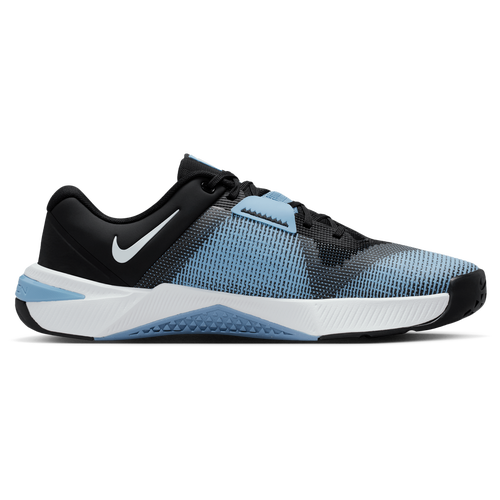
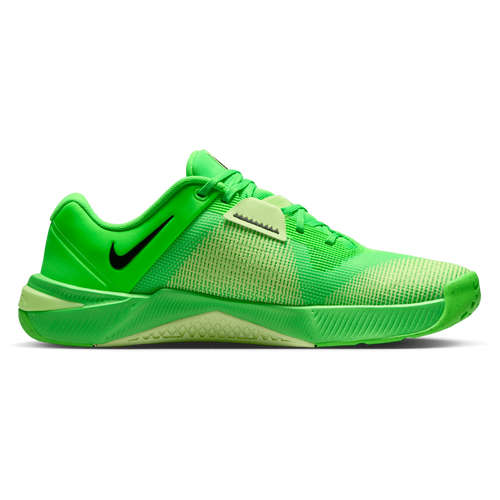
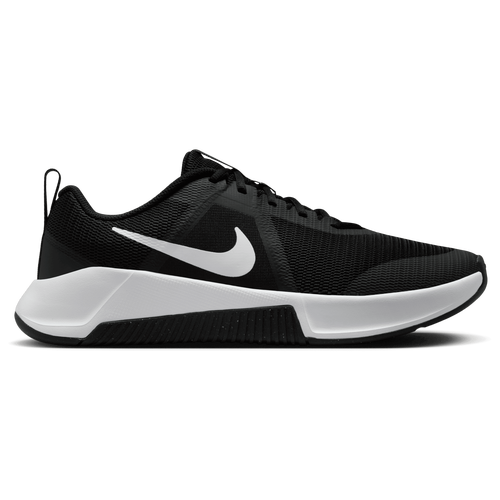
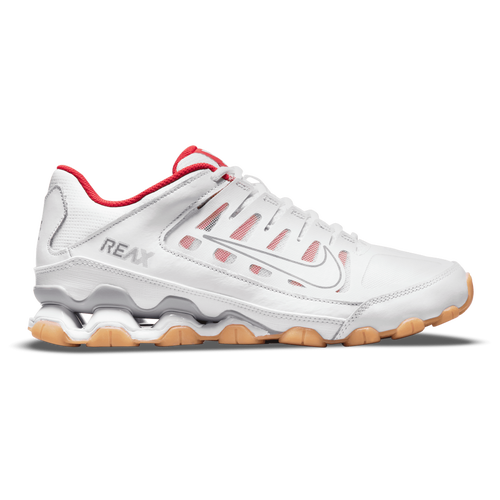
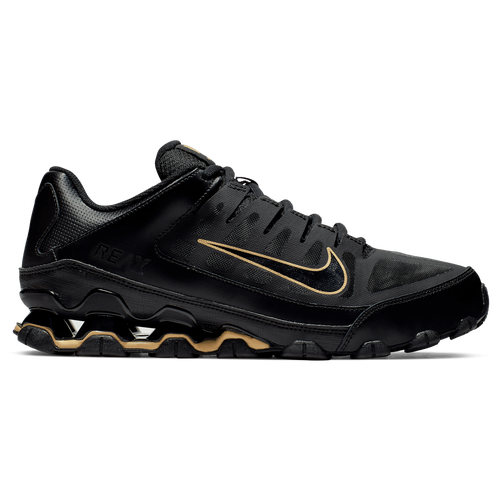
Elevate your performance with our selection of shoes designed specifically for agility training. These shoes feature lightweight construction and responsive cushioning, ensuring maximum comfort and support during intense workouts. With enhanced traction and stability, they allow for quick lateral movements and explosive sprints, making them ideal for athletes looking to improve their speed and agility.
Our agility training shoes are crafted with breathable materials to keep your feet cool and dry, while providing a secure fit for optimal performance. Whether you're on the field or in the gym, these shoes are engineered to help you reach your training goals. Step up your game and experience the difference with footwear that supports your agility and athleticism.