
Wilderness Hiking Boots
Showing 1 - 42 of 42 results
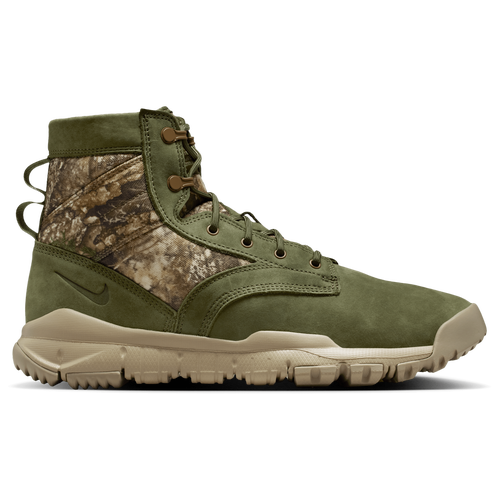
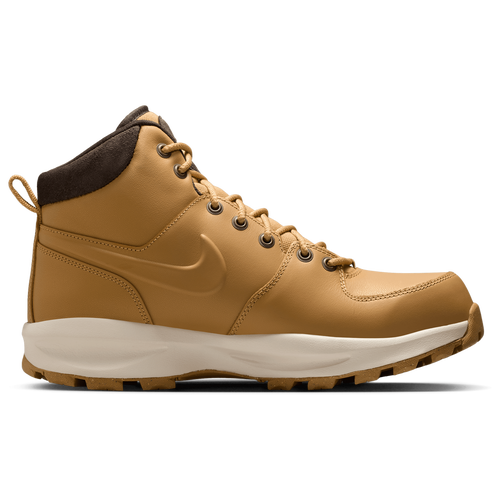
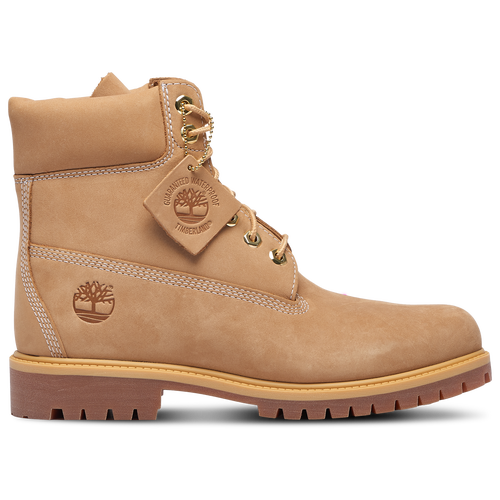
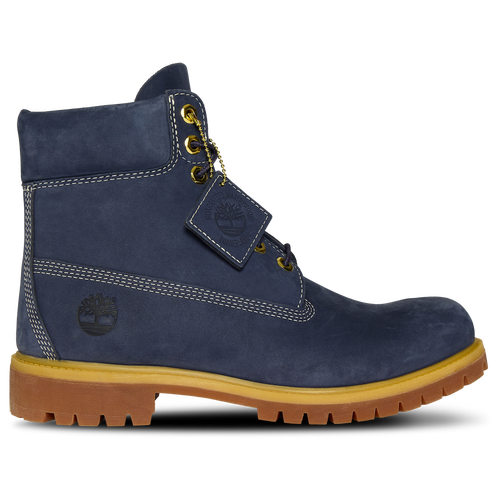
Our Wilderness Hiking Boots sold out quickly! Explore similar styles now!
Search Results
On this page...
- What features should I look for in wilderness hiking boots?
- Are wilderness hiking boots suitable for all types of weather?
- How do I choose the right size for wilderness hiking boots?
- What materials are commonly used in wilderness hiking boots?
- Are wilderness hiking boots heavy or lightweight?
- Can wilderness hiking boots be used for backpacking?
- How do I break in my wilderness hiking boots?
- Are wilderness hiking boots waterproof?
- What type of sole is best for wilderness hiking boots?
- How should I care for my wilderness hiking boots?
- When were wilderness hiking boots first introduced?
- Can I wear wilderness hiking boots for everyday use?
- What is the difference between mid-cut and high-cut wilderness hiking boots?
Frequently Asked Questions For Wilderness Hiking Boots
When selecting wilderness hiking boots, consider features such as waterproofing, breathability, and traction. Look for durable materials that provide support and comfort, as well as a sturdy outsole designed for various terrains. Additionally, a good fit is crucial to prevent blisters and ensure stability during hikes.
Wilderness hiking boots are designed to withstand various weather conditions, but their effectiveness can depend on specific features. Waterproof boots are ideal for wet conditions, while breathable options are better for warmer climates. Always check the specifications to ensure they meet your needs for the intended environment.
To choose the right size for wilderness hiking boots, it's essential to measure your feet accurately and consider the type of socks you'll wear. It's recommended to try on boots later in the day when your feet are slightly swollen, and ensure there’s enough room in the toe box for comfort during long hikes.
Wilderness hiking boots are typically made from a combination of leather, synthetic materials, and mesh. Leather offers durability and water resistance, while synthetic materials provide lightweight comfort and breathability. Mesh panels can enhance ventilation, making them suitable for warmer conditions.
The weight of wilderness hiking boots can vary significantly based on their construction and materials. Generally, lightweight options are designed for agility and comfort, while heavier boots provide more support and durability for rugged terrains. It's important to choose a weight that aligns with your hiking style and preferences.
Yes, wilderness hiking boots can be suitable for backpacking, especially those designed with added support and cushioning. Look for boots that provide stability for carrying heavy loads and have a rugged outsole for traction on uneven surfaces. Always consider the length and difficulty of your backpacking trip when selecting footwear.
To break in your wilderness hiking boots, start by wearing them for short periods around the house or during light walks. Gradually increase the duration and intensity of wear, allowing your feet to adjust to the boots. This process helps prevent discomfort and blisters during longer hikes.
Many wilderness hiking boots are designed to be waterproof, featuring materials such as Gore-Tex or other waterproof membranes. These boots help keep your feet dry in wet conditions, but it's essential to check the product specifications to confirm their waterproof capabilities.
The best type of sole for wilderness hiking boots is one that offers a combination of traction, stability, and cushioning. Vibram soles are popular for their durability and grip on various terrains. A good sole should also provide shock absorption to enhance comfort during long hikes.
To care for your wilderness hiking boots, clean them regularly by removing dirt and debris with a soft brush. Use a damp cloth for tougher stains, and allow them to air dry away from direct heat. Applying a waterproofing treatment periodically can also help maintain their protective features.
Wilderness hiking boots have a long history, with designs evolving significantly over the past century. While specific models may have been introduced at different times, the concept of specialized hiking footwear began gaining popularity in the mid-20th century as outdoor activities became more mainstream.
Yes, wilderness hiking boots can be worn for everyday use, especially if you appreciate their comfort and support. Their rugged design and durability make them suitable for casual outings, but keep in mind that they may be bulkier than traditional casual footwear.
Mid-cut wilderness hiking boots provide a balance between ankle support and mobility, making them versatile for various terrains. High-cut boots offer additional ankle support and protection, which can be beneficial for rugged hikes or when carrying heavy loads. Your choice should depend on your hiking style and comfort preferences.
About Wilderness Hiking Boots
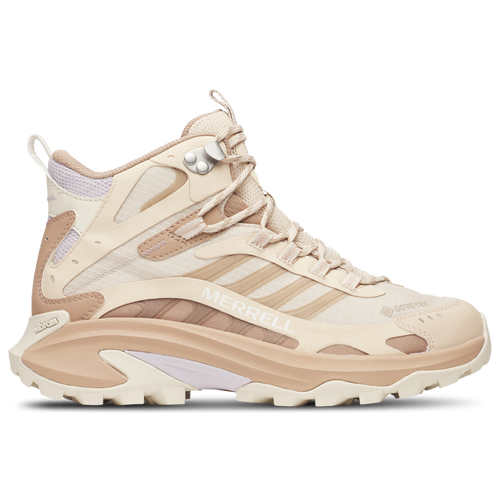
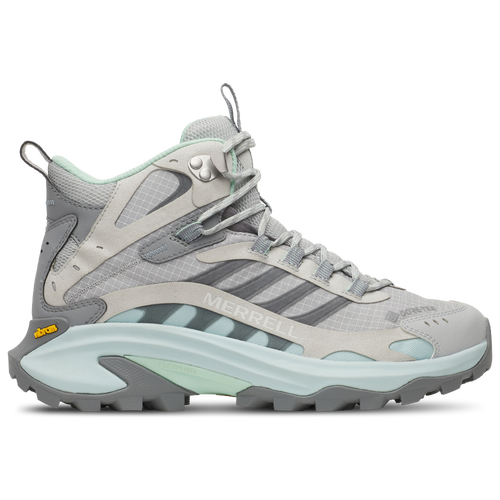
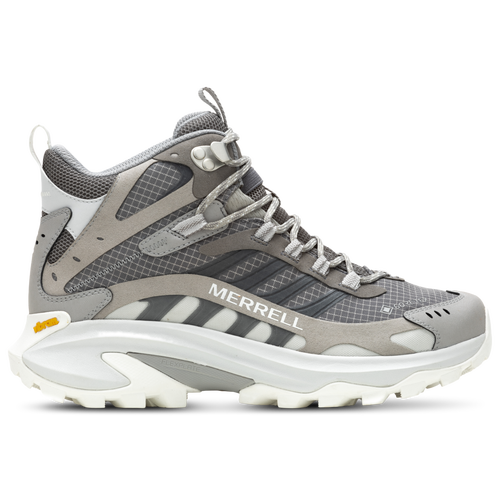
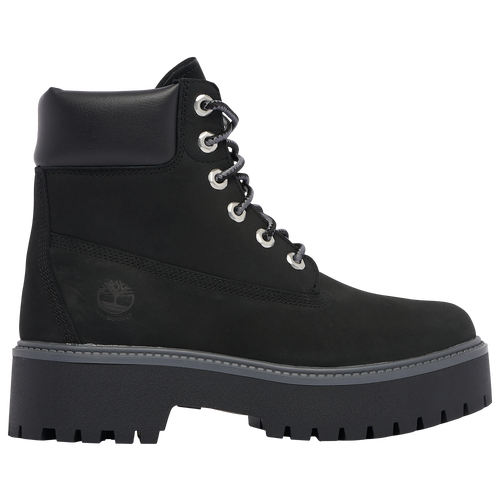
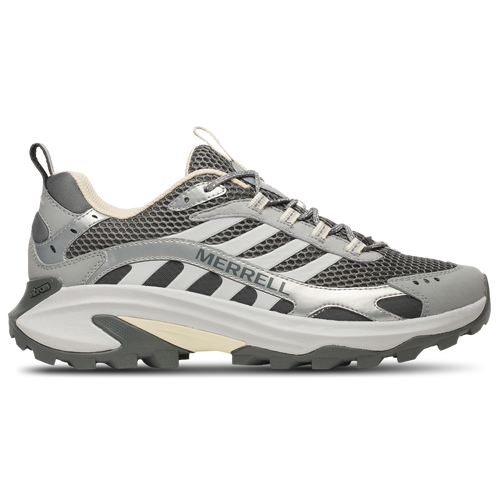
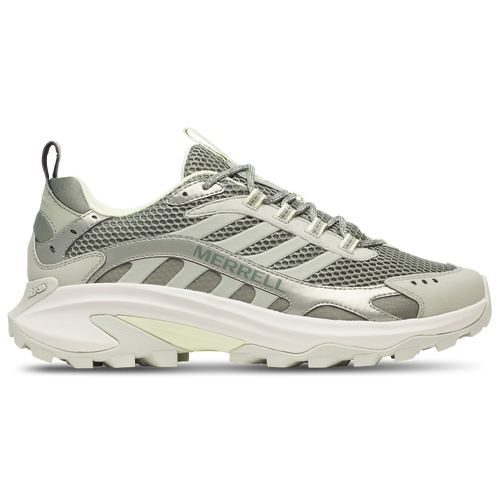
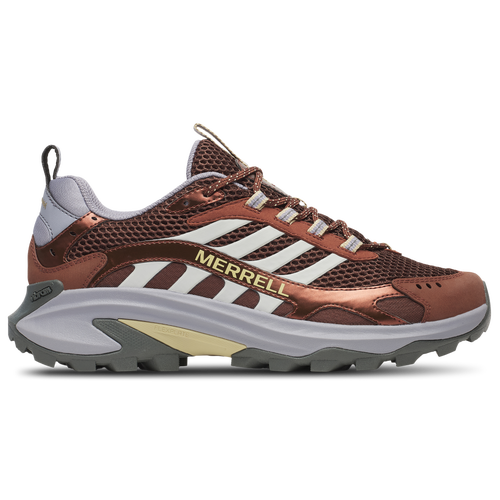
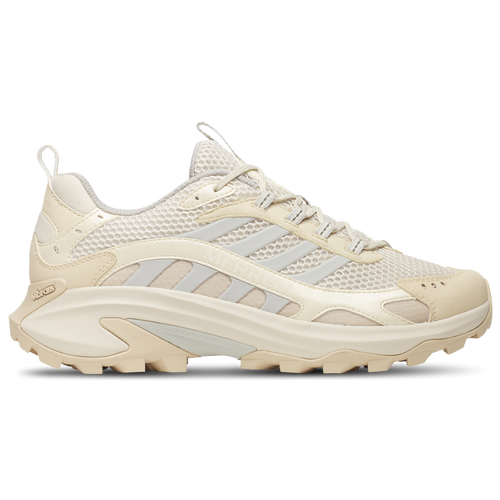
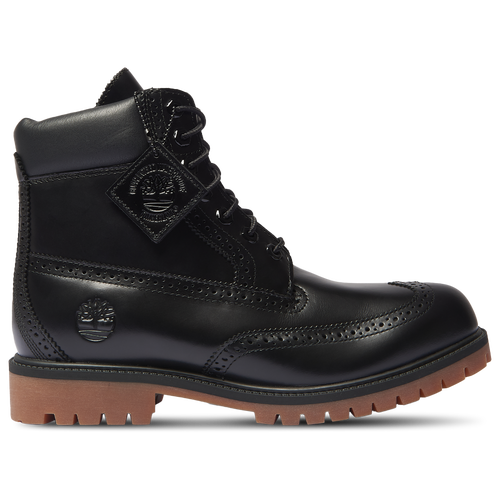
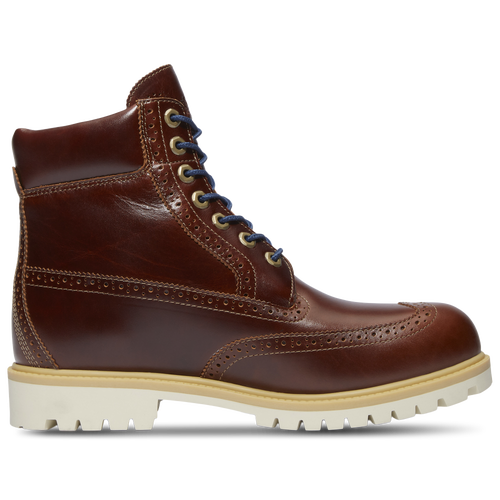
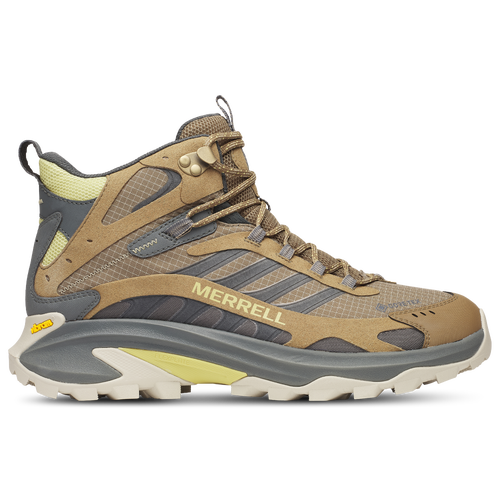
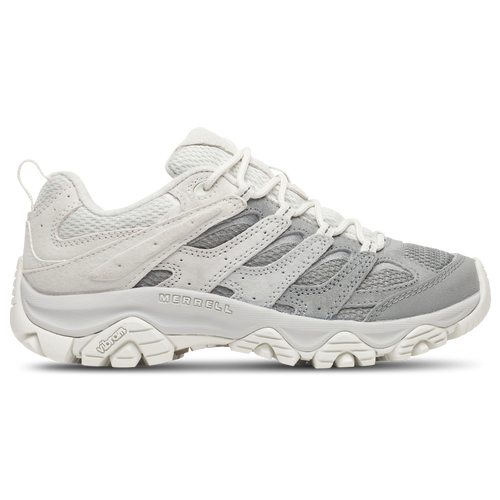
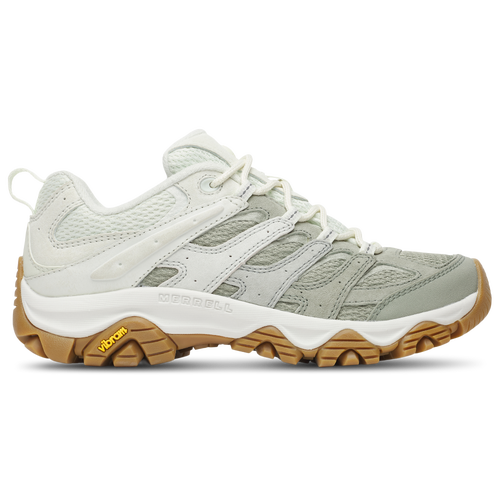
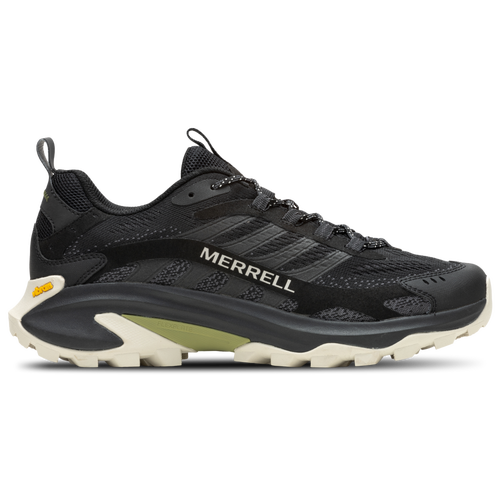
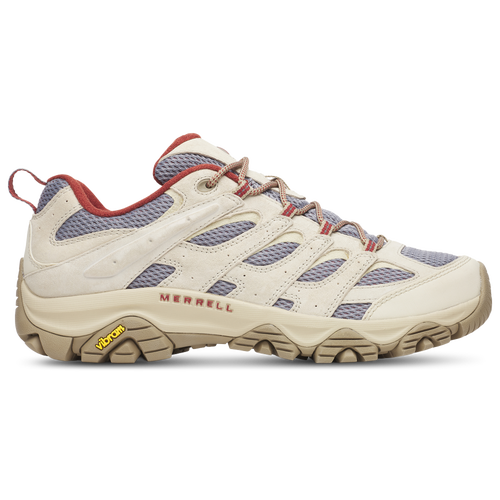
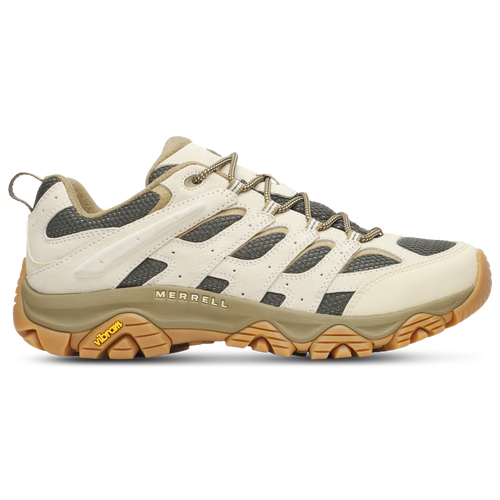
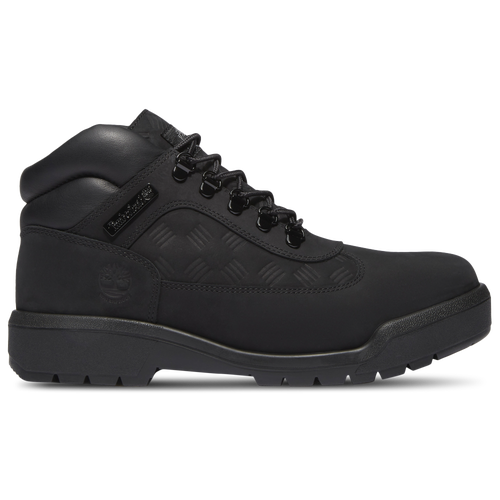
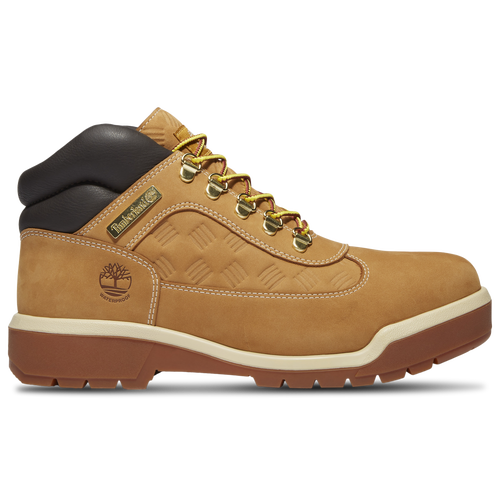
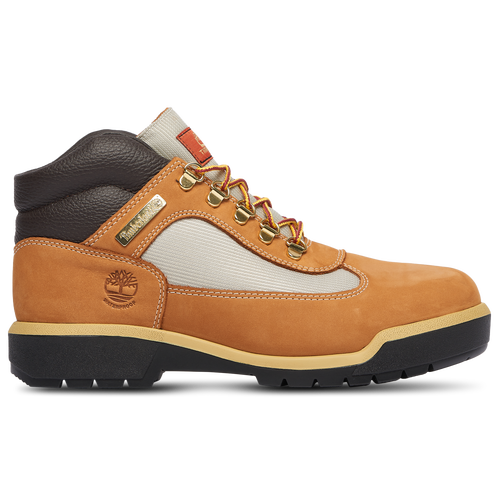
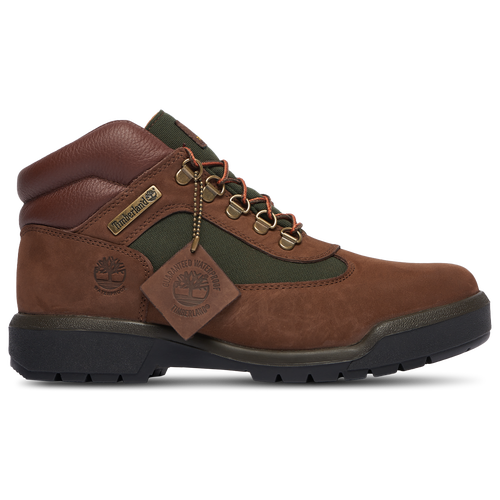
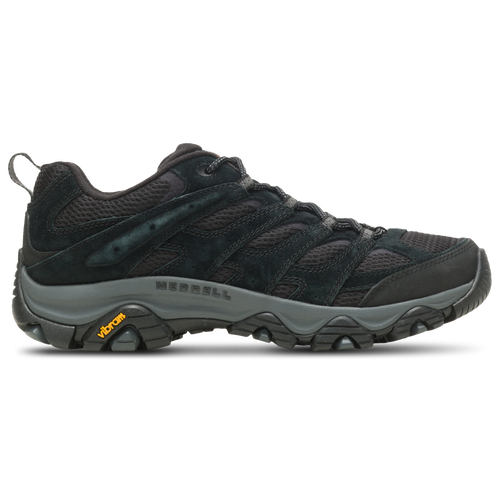
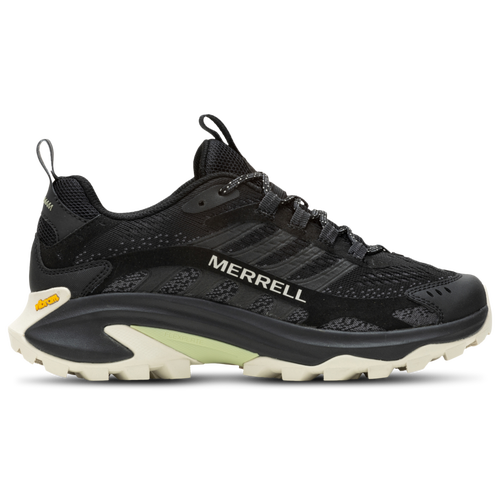
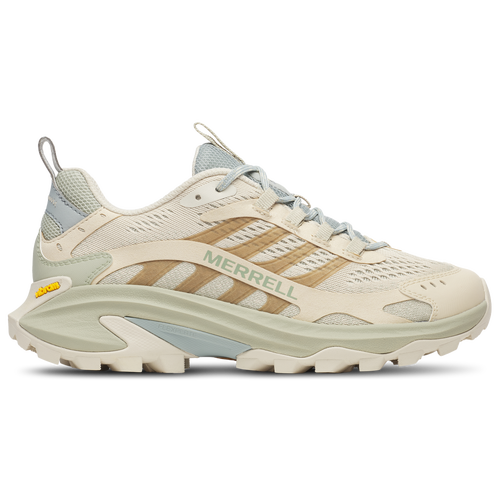
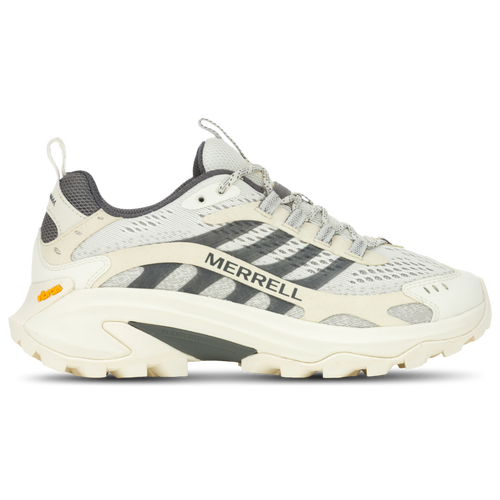
Explore the great outdoors with confidence in our collection of wilderness hiking boots, designed for durability and comfort on rugged terrain. These boots feature waterproof materials, ensuring your feet stay dry in wet conditions, while providing excellent traction for stability on slippery surfaces. With a focus on support and cushioning, they are perfect for long hikes and challenging trails.
Our wilderness hiking boots are crafted to withstand the elements, offering breathability and lightweight construction for all-day wear. Whether you're navigating rocky paths or trekking through muddy trails, these boots provide the protection and performance you need. Gear up for your next adventure and experience the perfect blend of style and functionality with our top-quality hiking footwear.