
Natural Movement Shoes
Showing 1 - 13 of 13 results
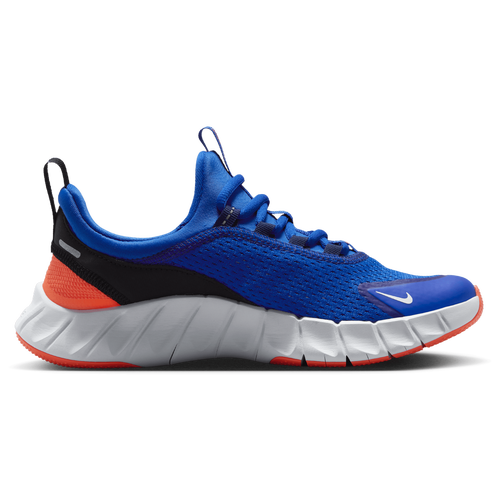
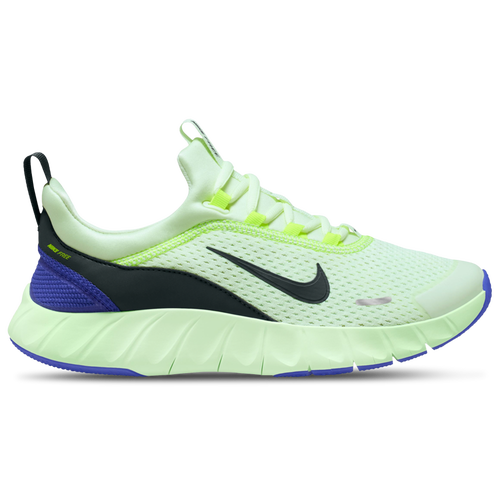
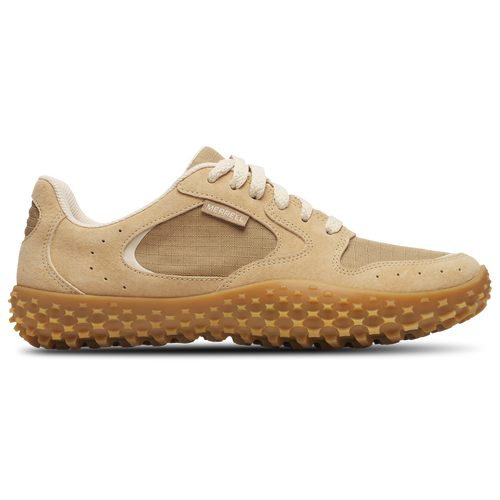
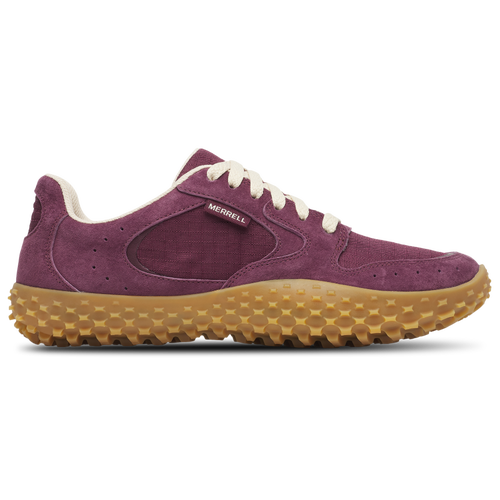
Our Natural Movement Shoes sold out quickly! Explore similar styles now!
Search Results
On this page...
- What are natural movement shoes?
- How do I choose the right size for natural movement shoes?
- Are natural movement shoes suitable for all types of activities?
- What materials are commonly used in natural movement shoes?
- Can natural movement shoes help improve my running form?
- Are natural movement shoes good for people with wide feet?
- How do natural movement shoes differ from traditional running shoes?
- Are natural movement shoes suitable for everyday wear?
- How should I break in my natural movement shoes?
- Can I wear natural movement shoes for hiking?
- Do natural movement shoes provide arch support?
- Are natural movement shoes waterproof?
- When were natural movement shoes first introduced?
Frequently Asked Questions For Natural Movement Shoes
Natural movement shoes are designed to promote a more natural foot movement and alignment. They typically feature a flexible sole, minimal cushioning, and a wide toe box to allow the foot to move freely and engage with the ground, mimicking barefoot walking or running.
When selecting natural movement shoes, it is important to consider your usual shoe size, but also to account for the shoe's design and fit. Many brands recommend trying the shoes on with the type of socks you plan to wear and ensuring there is enough room in the toe box for your toes to splay naturally.
Natural movement shoes are versatile and can be used for various activities, including walking, running, and casual wear. However, they may not provide the same level of support and cushioning as traditional athletic shoes, so it's essential to consider the specific demands of your activity.
Natural movement shoes are often made from lightweight, breathable materials such as mesh or canvas, combined with flexible rubber or foam soles. These materials help enhance comfort and allow for natural foot movement while providing durability.
Yes, wearing natural movement shoes can encourage a more efficient running form by promoting a midfoot or forefoot strike rather than a heel strike. This shift can lead to improved biomechanics and potentially reduce the risk of injury over time.
Many natural movement shoes feature a wider toe box, which can be beneficial for individuals with wider feet. This design allows for better toe splay and comfort, making them a suitable option for those who need extra room in the forefoot area.
Natural movement shoes differ from traditional running shoes primarily in their construction and design philosophy. They typically have less cushioning, a lower heel-to-toe drop, and a more flexible sole, which promotes a more natural foot motion compared to the structured support found in traditional running shoes.
Yes, natural movement shoes are designed for comfort and flexibility, making them suitable for everyday wear. Their lightweight construction and breathable materials can provide all-day comfort for various activities, from casual outings to light exercise.
To break in natural movement shoes, it is recommended to start by wearing them for short periods each day. Gradually increase the duration as your feet adjust to the shoe's unique fit and flexibility, allowing your feet to adapt to the natural movement design.
While natural movement shoes can be worn for light hiking, they may not provide the same level of traction and support as specialized hiking footwear. For more rugged terrain or longer hikes, consider the specific demands of the trail and your comfort needs.
Natural movement shoes typically offer minimal arch support, as they are designed to allow the foot to function naturally. If you require additional support, consider using custom insoles or orthotics that can be inserted into the shoes.
Most natural movement shoes are not waterproof, as they are designed to be lightweight and breathable. If you need footwear for wet conditions, look for specific models that incorporate waterproof materials or features.
Natural movement shoes began gaining popularity in the early 2000s as part of a movement towards minimalist footwear. This trend was influenced by research on natural foot mechanics and the benefits of barefoot running, leading to the development of shoes that promote a more natural gait.
About Natural Movement Shoes
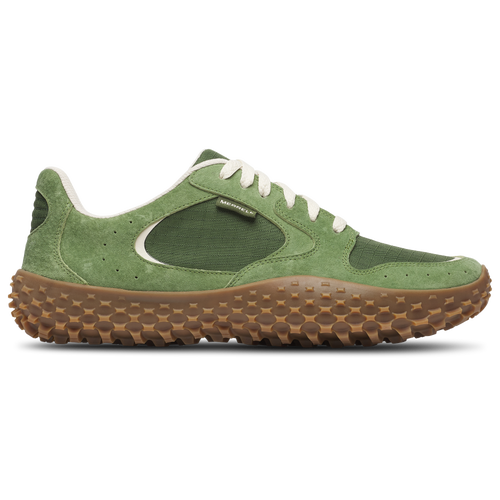
Experience the freedom of movement with our collection of natural movement shoes, designed to mimic the foot's natural biomechanics. These shoes promote a more organic stride, allowing for enhanced flexibility and comfort. Ideal for both casual wear and active lifestyles, they provide the perfect balance of support and breathability, ensuring your feet feel great all day long.
Crafted with lightweight materials and minimalist designs, our natural movement shoes encourage a more natural gait while reducing the risk of injury. Whether you're walking, running, or simply enjoying your day, these shoes adapt to your every step, making them a versatile addition to your footwear collection. Embrace the essence of movement and elevate your everyday experience.